

























































































































Online school gives families more control over schedules, coursework, and the learning environment. It also requires reliable internet access, consistent routines, and an adult who can monitor progress. The right choice depends on a child’s age, independence, academic needs, and how they respond to screen-based instruction. Families should assess these factors before enrolling, then compare each school’s curriculum, support services, and expectations. A practical review begins with the questions below.
Does the learning structure fit the child?
Some children manage flexible schedules and independent assignments well. Others need frequent reminders, direct instruction, or a classroom routine. Elementary students usually need more adult supervision, while older students often manage deadlines with less assistance.
A family should consider whether a parent or another adult can serve as a learning coach during the school week. That role includes checking assignments, communicating with teachers, and helping the child follow a consistent schedule. A program that explains these duties clearly prevents confusion after enrollment.
Families in the Portland metro area comparing local public options can review online school Beaverton, Oregon, programs alongside their child’s daily needs. A suitable program should explain its grade levels, course choices, family responsibilities, teacher access, and technology requirements. Those details help families decide whether online learning fits their household, rather than relying on general preferences about flexibility.
What support does the school provide?
Online learning should include regular access to teachers, counselors, and academic guidance. Families should ask how students receive feedback, how the school handles missed work, and who contacts the family when progress declines.
The school uses a family-centered model in which families act as learning coaches while teachers provide assistance and encouragement. Students from kindergarten through high school can enroll, and each student receives an individualized learning plan. Programs include elementary options, a Virtual Academy for grades 6 through 12, and an Early College Program for grades 10 through 12.
Special services also require careful review. Parents should ask how the school identifies learning needs, creates support plans, and communicates with families. Clear answers show whether the program can respond to academic or developmental needs.
Is the curriculum broad enough?
A strong online program should provide coursework that matches a child’s grade level and future plans. Older students need access to required credits, electives, career preparation, and guidance about postsecondary choices.
The Virtual Academy includes more than 200 courses. High school students can also explore early college coursework while completing diploma requirements. Families should review graduation expectations, course pacing, assessment methods, and transfer procedures before deciding.
Younger students need a different type of curriculum review. Parents should examine reading, writing, mathematics, science, and social studies materials, along with the hands-on work expected at home. Coursework should match the child’s learning level without creating an unreasonable burden for the family.
How much flexibility does the program allow?
Flexibility helps families manage medical appointments, athletic commitments, work responsibilities, or a learning pace that differs from a traditional classroom. Flexible programs still require deadlines and regular participation.
Families should ask whether students can adjust schedules, change course formats, or receive help when a plan stops working. The program combines online coursework with optional in-person enrichment. That structure supports students who need home-based learning but benefit from direct activities or tutoring.
The family should also confirm attendance rules and communication requirements. A flexible schedule works only when everyone understands which assignments, meetings, and assessments must happen by specific dates.
What will the program cost?
Tuition is a practical concern for every family. The school is a free public charter school, although families need a reliable internet connection at home. Enrolled students receive a $500 curriculum allowance when they start at the beginning of the school year.
Families should confirm eligibility dates, allowable purchases, device policies, and expenses they must cover. K-5 students can request a Chromebook through the curriculum budget.
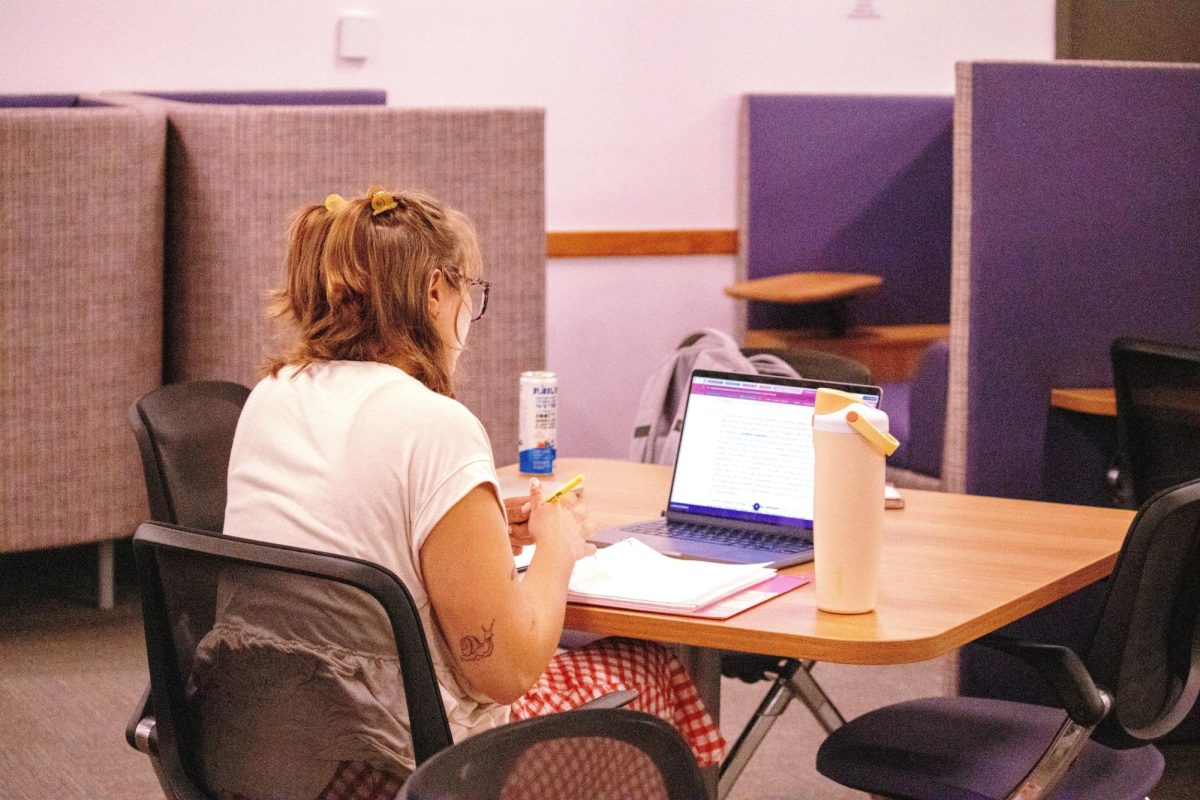
Technology access also affects daily participation. Before enrollment, families should check the internet connection, create a quiet study area, and establish a backup plan for outages.
Will the child stay connected?
Students need opportunities to build relationships with teachers and peers. Families should ask about clubs, enrichment activities, counseling, and participation in activities outside the online program.
The school lists in-person enrichment and extracurricular participation among its available options. Students can participate in drama, sports, or band at their current school, with assistance for required paperwork. These details matter for children who value activities, teamwork, or regular contact with other students.
Conclusion
Online school fits a child when the schedule, curriculum, adult support, and technology requirements match daily family life. Families should compare those details before focusing on convenience or location. Next, record the child’s learning needs, available study hours, technology setup, and preferred activities. Then, contact the school with focused questions about admissions, services, course planning, and attendance. A clear comparison will show whether online learning suits the child’s next academic year.