






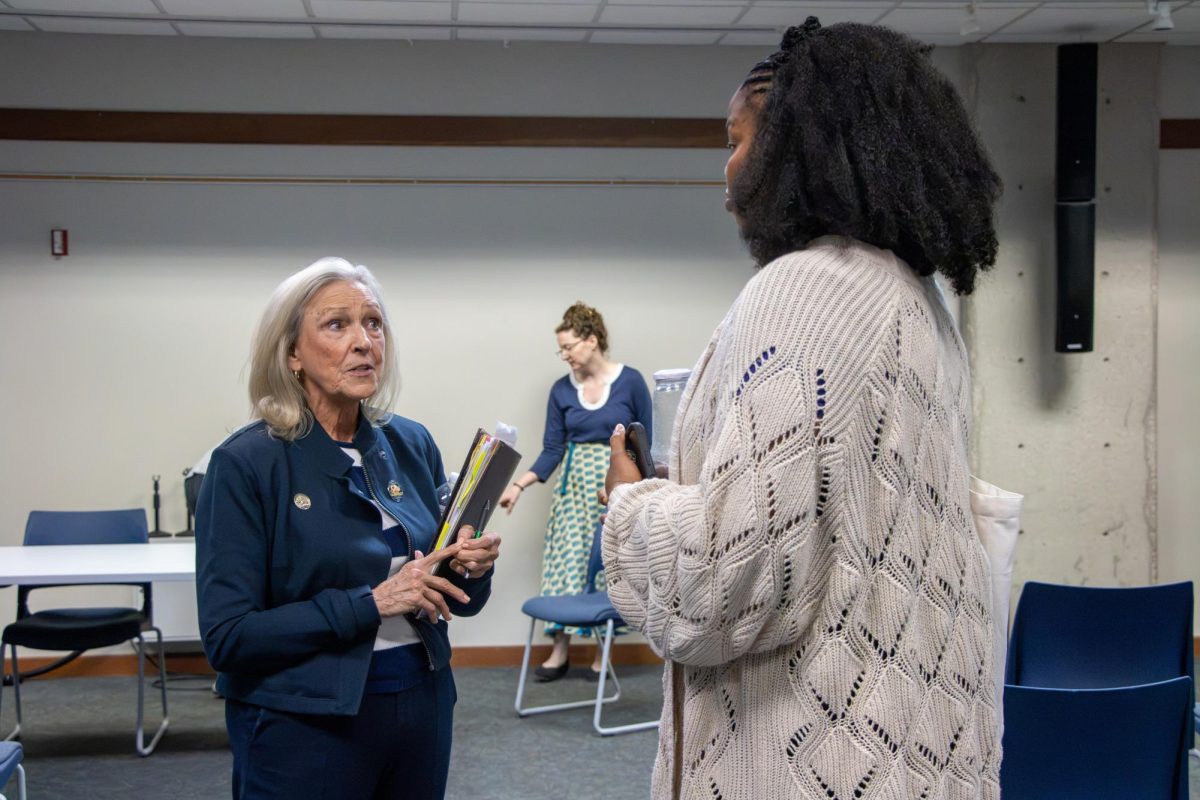






































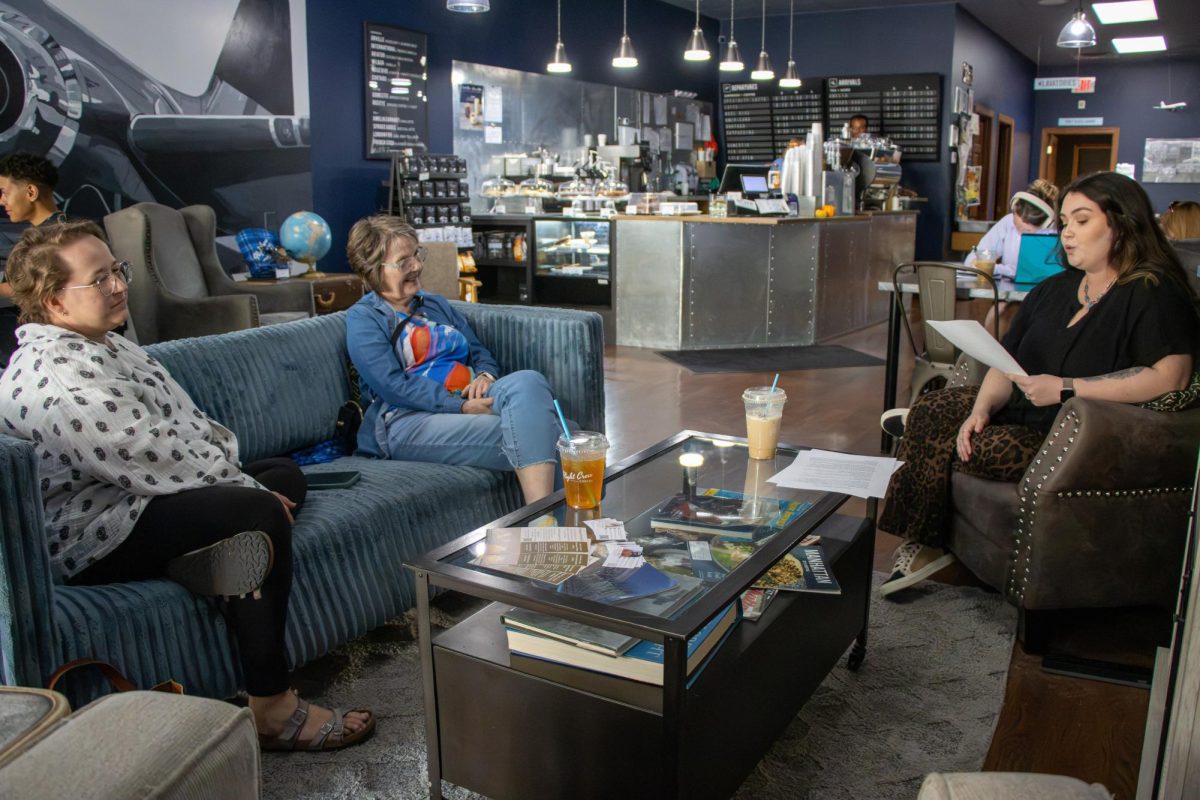











































With faculty members from across the university in attendance, the first open faculty senate forum of the year was centered around K-State becoming an employer of choice and featured feedback from staff.
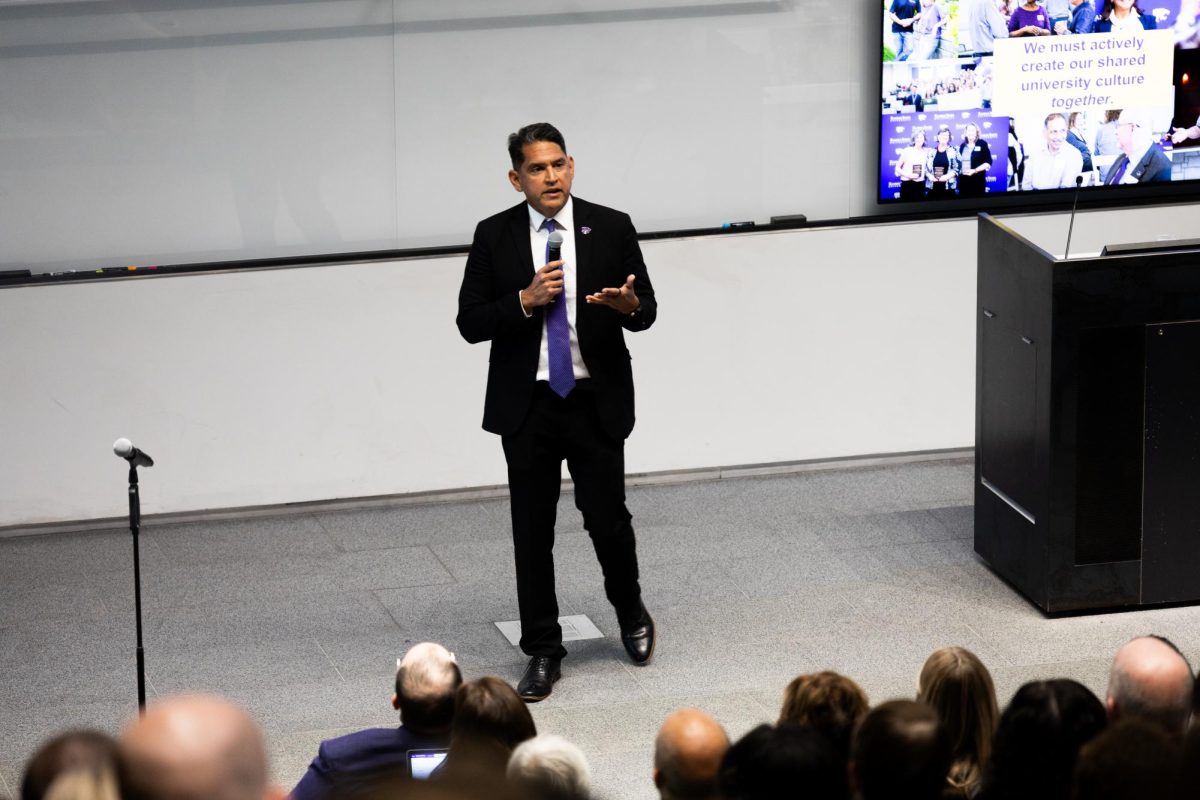
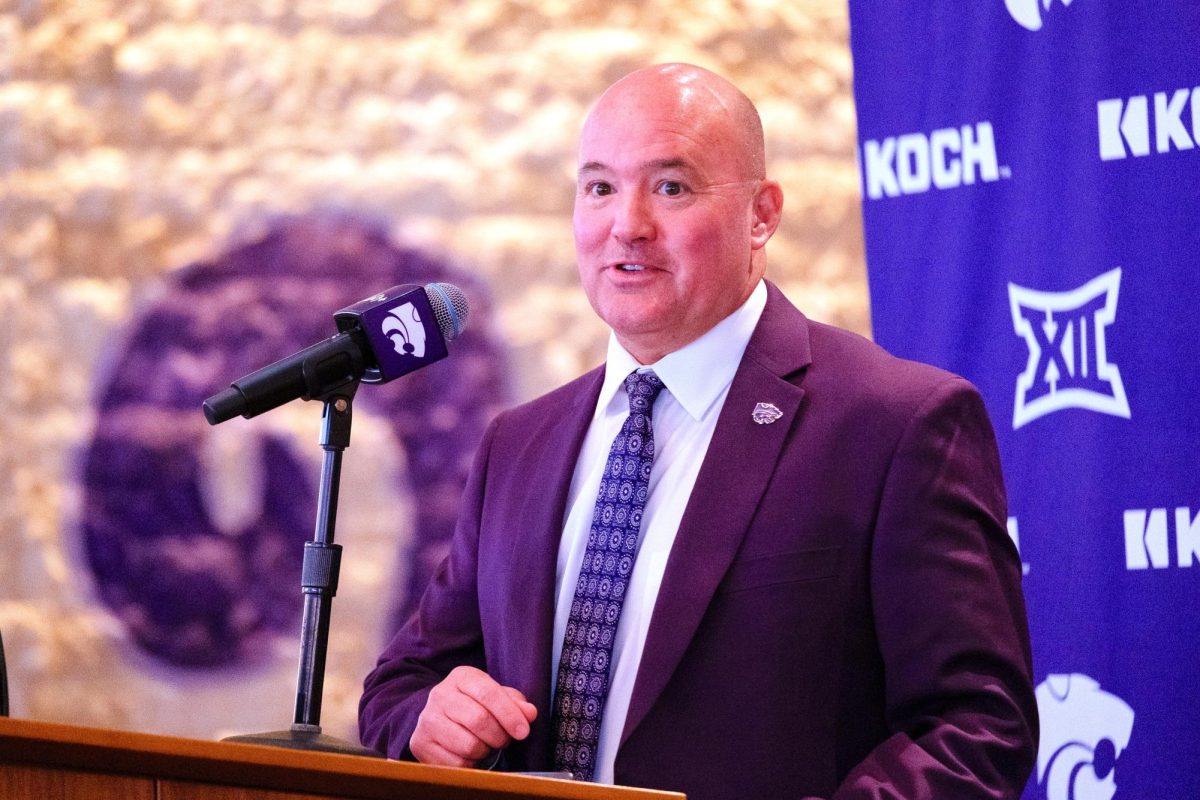
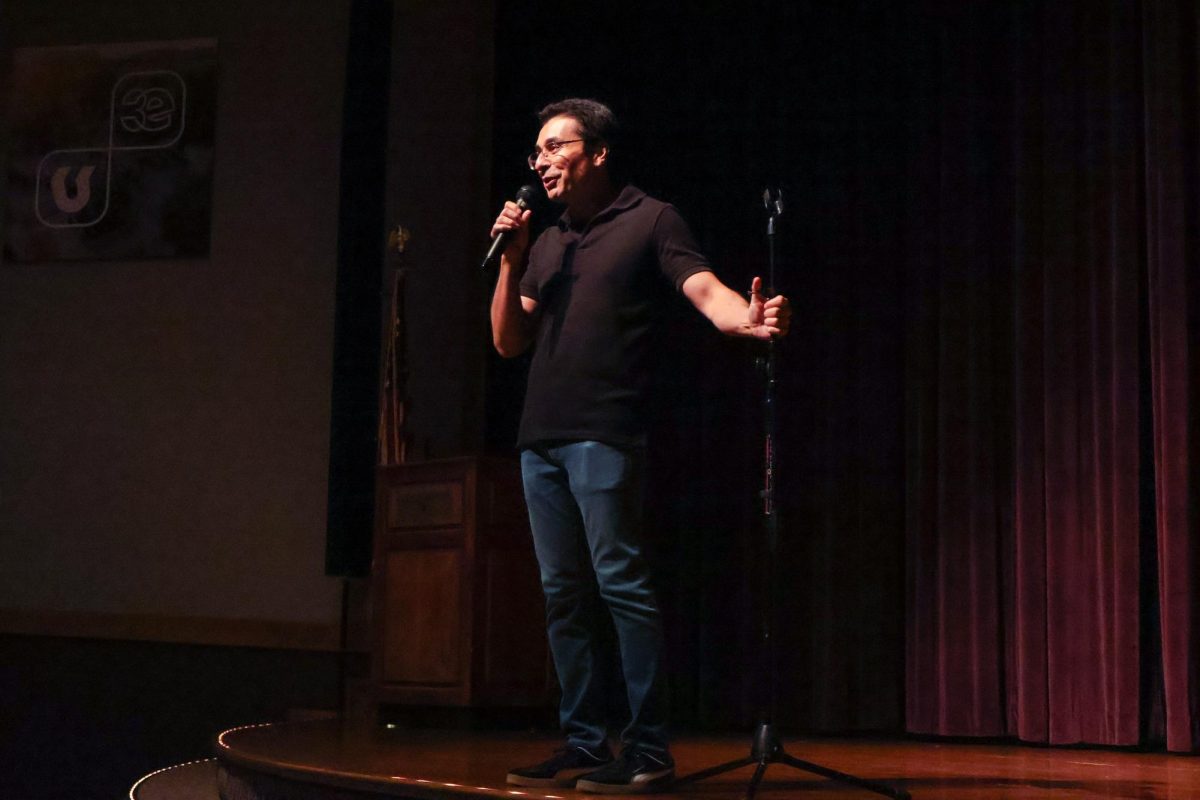
The forum took place Tuesday in the Regnier Forum and began with a presentation of university-wide efforts and initiatives meant to promote staff well-being and success. After the presentation, Provost Jesse Perez Mendez opened the forum to a Q and A with participants. The majority of the questions came from anonymous online submissions before or during the meeting.
The first questions concerned budgetary and structural issues within the College of Arts and Sciences. The first question asked what safeguards are in place for staff whom the university will potentially lay off and if there are spots available to them on campus.
Mendez explained that there is a steering committee in place made up of faculty, staff and department heads to assess what actions to take in addressing these issues, while keeping university workload policy in mind.
Another Arts and Sciences-related question asked why departments within the college were allowed to operate while “in the red for so many years and now, all of a sudden, are expected to pass up funds all at once to bring everyone back into the black financially.”
Mendez explained that the issues Arts and Sciences is facing have been arising since 2008 with no thorough adjustments made to address them.
“Instead of dealing with this cosmetically, we’re gonna have to really dig deep and actually look at actual structures overall,” Mendez said. “And once again, this is a difficult conversation to have within that college. … Let’s address the shortcomings here, and let’s never come back to this chapter in the college’s history.”
A primary concern from some faculty members surrounded faculty involvement in major decisions which will affect them and their workload.
“There’s been a tremendous amount of change occurring at this university without explanation or input from faculty and staff,” an anonymous faculty member said. “We are feeling overwhelmed, bewildered and dispirited. Concerns are often dismissed when communicated, receiving the response ‘change is hard,’ rather than listening and attempting to find a better approach.
“The lack of clear, non-patronizing communication is an issue.”
Mendez said he is committed to being present and having more conversations to answer questions from faculty experiencing the effects of changes happening throughout the university.
Another anonymous question stated that for the past 11 years, faculty have decreasingly been represented as professionals and more than just state employees.
“We have an obligation to our disciplines, to create new knowledge, that we create our bodies of knowledge, through that additional or new research, that we decide what our students need to take in their classes, so that they can become degree holders in our disciplines … we have lost the thread that faculty are not just employees, and I would like to get it back,” an unnamed faculty member said.
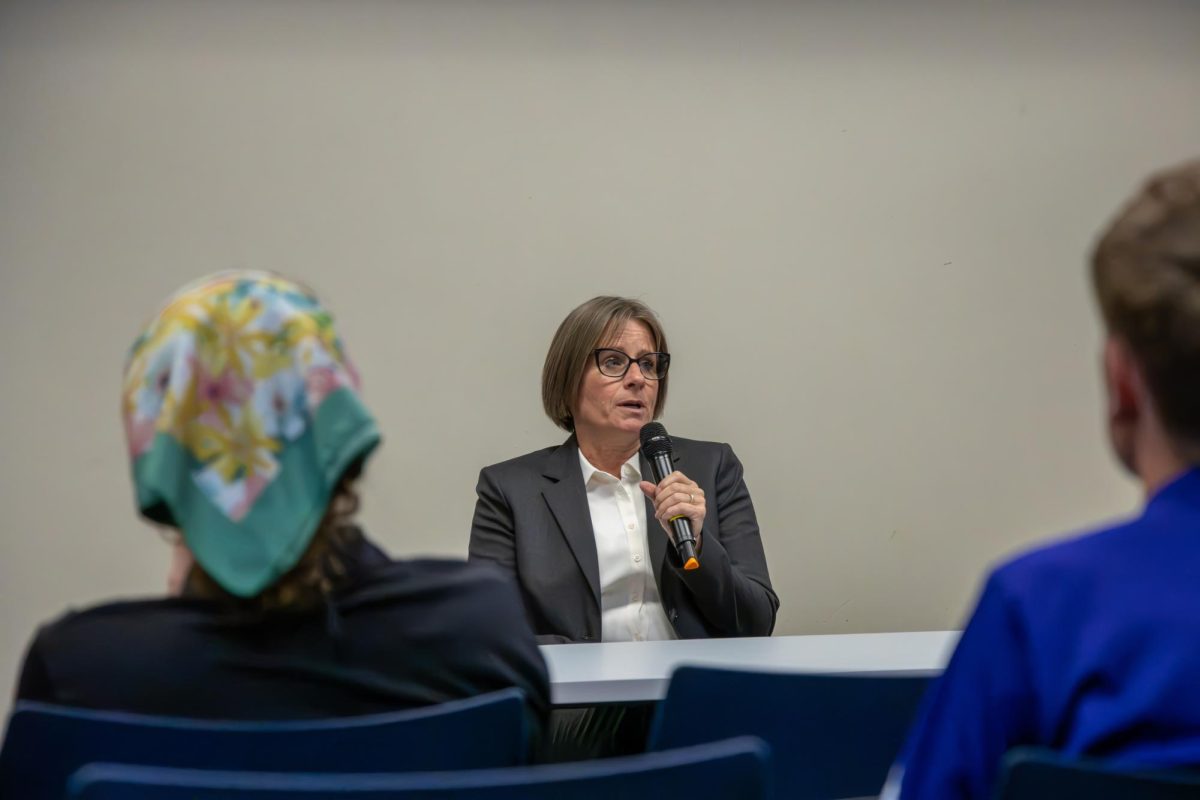
Mendez responded, asking faculty to get in contact with him or their faculty senator if they feel administration is not responsive to faculty issues. Margaret Mohr-Schroeder, vice provost for academic innovation, identified Academic Affairs and Innovation positions which can assist in faculty matters.
Christer Aakeröy, head of the Department of Chemistry, asked where job security ranks in importance to the provost and the administration.
“Next year some people would presumably, most likely not be reappointed again,” Aakeröy said. “I think it’s difficult to overlook the consequences that’s gonna happen on their families and careers. So, it seems like that’s being just forgotten already.”
Mendez said he wants to maintain an environment where campus services and continued employment make everyone feel supported. He then applied this goal to the College of Arts and Sciences renewal process.
“The process we’re going by with the Arts and Sciences renewal process, we’re trying to look at every possible lever we possibly can before we have to look at personnel reduction … if you could just be a little patient with us and continue to engage in your conversations going on in your college [the College of Arts and Sciences] that would be very helpful,” Mendez said.
In regard to K-State’s shared governance, participants voiced concerns that employee expertise is not being accurately reflected university-wide and brought attention to worries surrounding the removal of unclassified professional staff from representation in shared governance.
Additionally, faculty members said they are concerned that the utilization of outside consultants in a time of significant shifts for the university disregards colleges’ and departments’ institutional culture.
In response, Mendez said he believes it is helpful to have outside consultants facilitate conversations and interviews to avoid potential biases.