





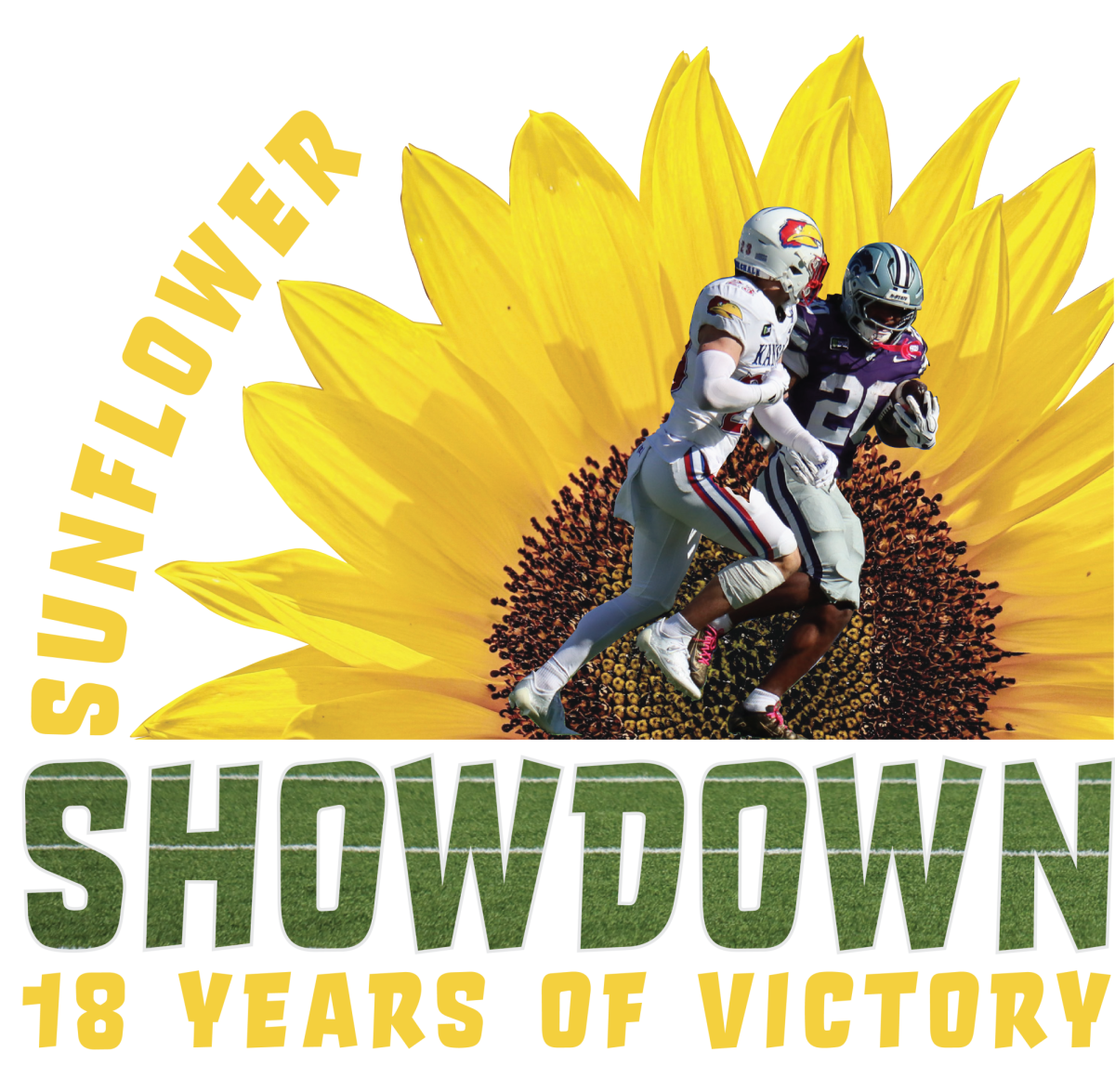



































For K-State fans, the Dillons Sunflower Showdown is more than a game circled on the schedule. It is bragging rights that cross family lines, friendships and generations across Kansas. It is the Governor’s Cup staying in Manhattan and another year to say, “We own this state.”
That pride dates back to Oct. 7, 1902, when KU won the first meeting 16-0. The teams have met every season since 1911, building a rivalry that has outlasted generations of players and coaches. Now, with 18 consecutive wins, K-State has turned that history into a streak the Wildcats have every reason to protect, and KU has every desire to end.
But even with K-State’s recent dominance, the Wildcats still have ground to make up in the all-time series. KU’s official record lists the Jayhawks ahead 65-54-5, while K-State’s official history counts the disputed 1980 game as a forfeit victory and lists the series differently.
The former Big 8 ordered KU to forfeit its 20-18 win that season because of an ineligible player, though the Jayhawks retain the on-field result in their records. K-State has controlled the rivalry for nearly two decades, but the all-time record remains another piece of history in the Jayhawks’ favor.
The trophies and traditions have changed over the years, but the stakes remain familiar. In this rivalry, a win is more than a mark in the standings. It is a year of bragging rights across social media, in school halls and in the hearts of Kansans.
A rivalry built on tradition
The rivalry’s history stretches beyond the scoreboard. The Peace Pact Trophy was introduced in 1940 as a miniature bronze goalpost meant to discourage fans from tearing down the losing team’s goalposts. In 1969, the Governor’s Cup became the prize for the in-state matchup, adding another tradition to an already storied rivalry.
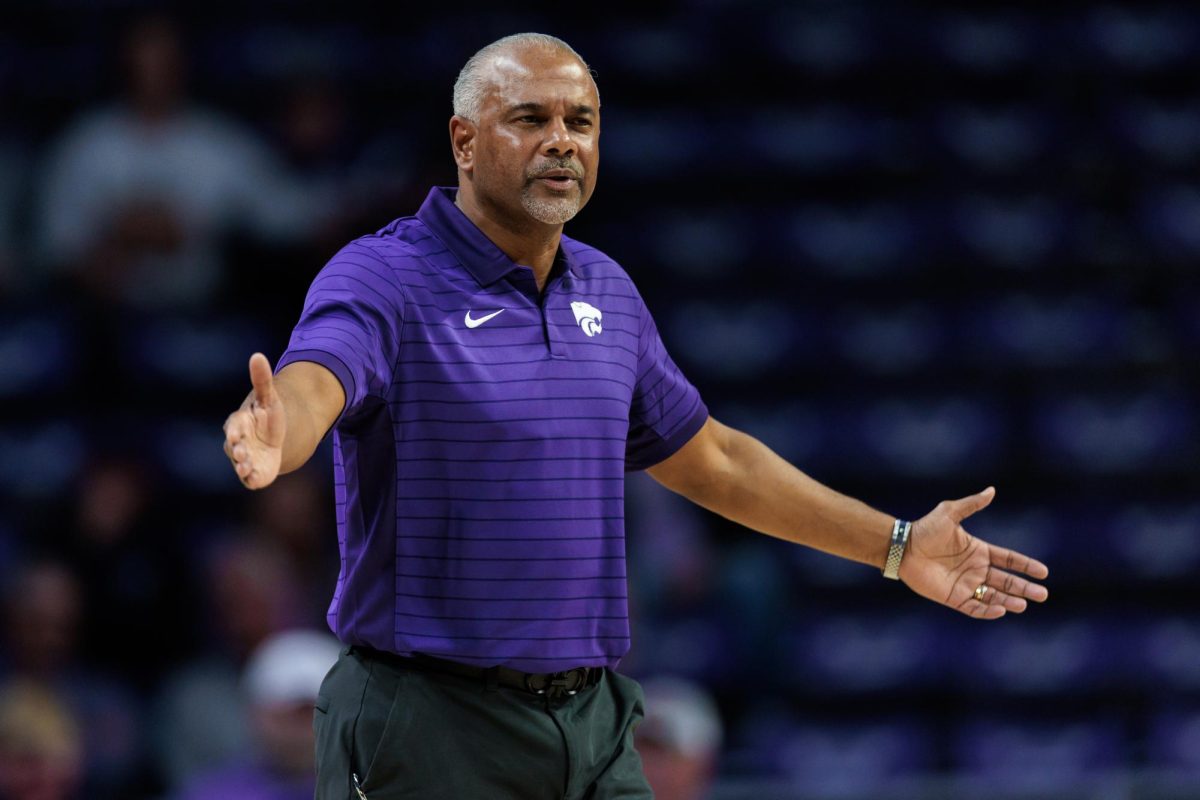
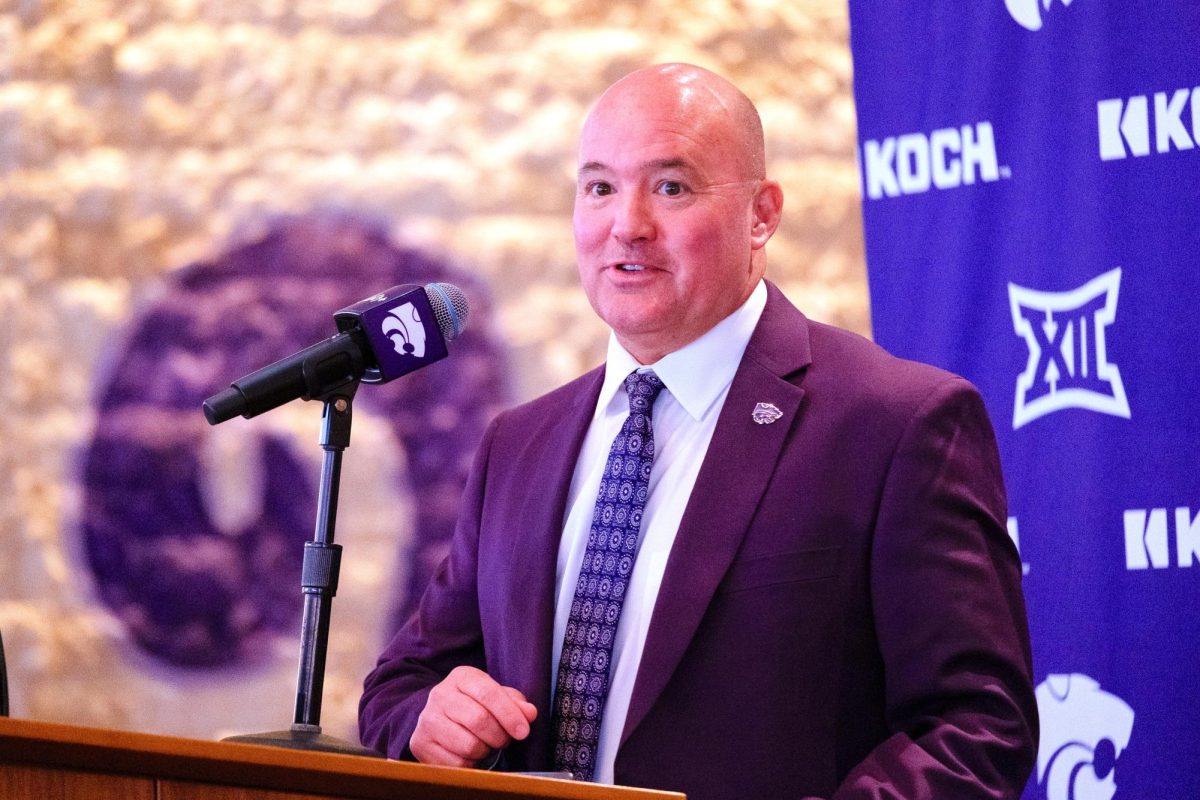
That pride remains part of the game for head coach Collin Klein, who asked Kansan players and staff to stand during a team meeting ahead of the 2026 matchup.
“I had every guy — player and staff — from the state of Kansas stand up, and there’s a lot of them in the room,” Klein said. “There’s been a lot of them in this room for a very, very long time. The pride they take in this game and the rivalry is real, and that’s something we’ve embraced for a long time.”
For decades, the series swung back and forth between the two programs. K-State began to change that balance under Hall of Fame head coach Bill Snyder, building a program that could compete consistently and string together wins against its in-state rival.
That shift peaked on Nov. 2, 2002.
A 64-point statement
K-State traveled east on I-70 to Lawrence and handed KU a 64-0 loss — the largest margin of victory in the series’ history. The shutout marked the defining moment of an eight-game K-State winning streak from 1996 to 2003.
The Wildcats dominated from the start, capitalizing on turnovers and keeping the Jayhawks from finding any offensive rhythm. By the final whistle, the score had become a lasting piece of rivalry history — the kind of result that lives on long after the players leave the field.
The shutout showed just how far the rivalry had tilted toward Manhattan. But KU would have its own run before K-State began the streak that defines the series today.
The Jayhawks won three straight times from 2006 to 2008. KU won the final victory on Nov. 1, 2008, beating K-State 52–21 in Lawrence. It remains KU’s most recent win in the series.
18 straight
K-State began its current streak with a 17-10 win on Nov. 7, 2009. The Wildcats kept adding to it, turning the rivalry into an annual opportunity to protect the Governor’s Cup and extend their chokehold on the Jayhawks.
Some of the more recent wins have come down to the final minutes. On Nov. 18, 2023, K-State beat KU 31-27 after Will Howard ran for the go-ahead touchdown with 10:22 remaining. On Oct. 26, 2024, the Wildcats rallied for a 29-27 win when kicker Chris Tennant made a 51-yard field goal with 1:42 left.
K-State created more separation in the rain in Lawrence on Oct. 25, 2025, winning 42-17. Then, in the 124th meeting on Oct. 17, 2026, the Wildcats overcame an early deficit to keep the streak alive.
KU jumped ahead 17-7 in the first quarter after Bryson Hayes returned a kickoff 95 yards for a touchdown. K-State responded with 11 unanswered points in the second quarter to take an 18-17 halftime lead. But former Wildcat Dylan Edwards regained the lead for KU in the third quarter with a 3-yard touchdown run.
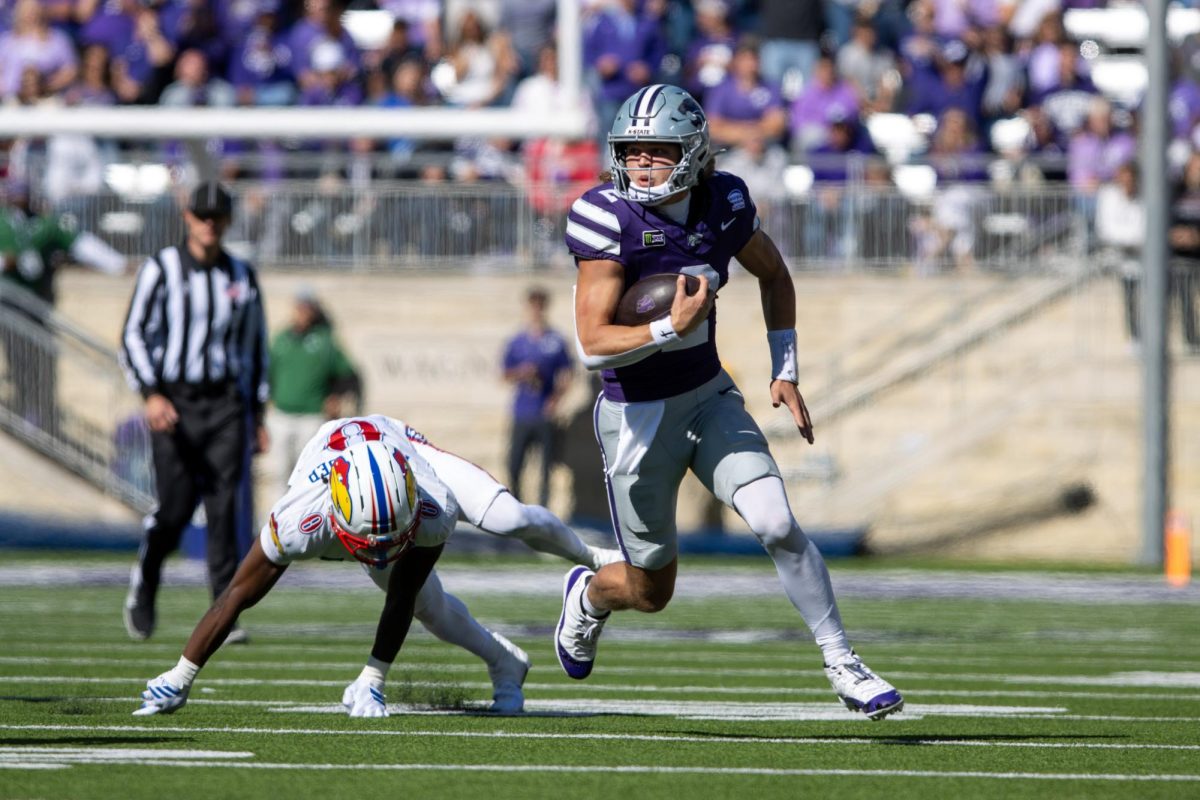
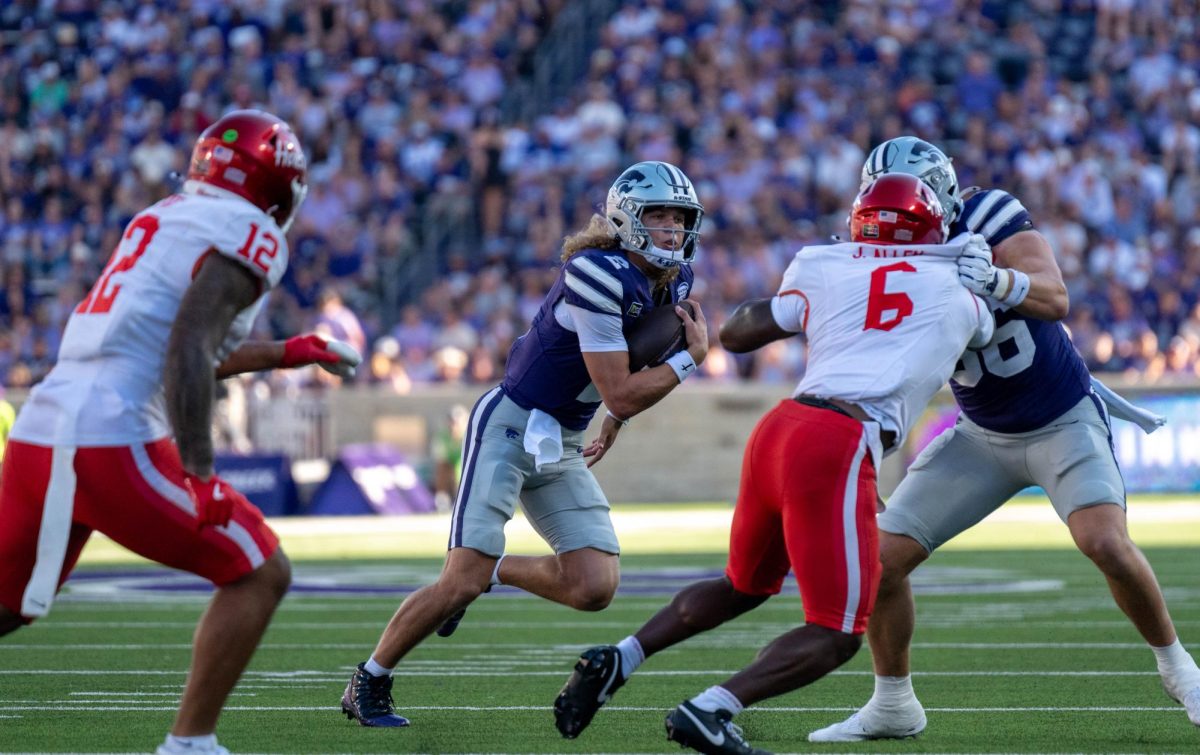
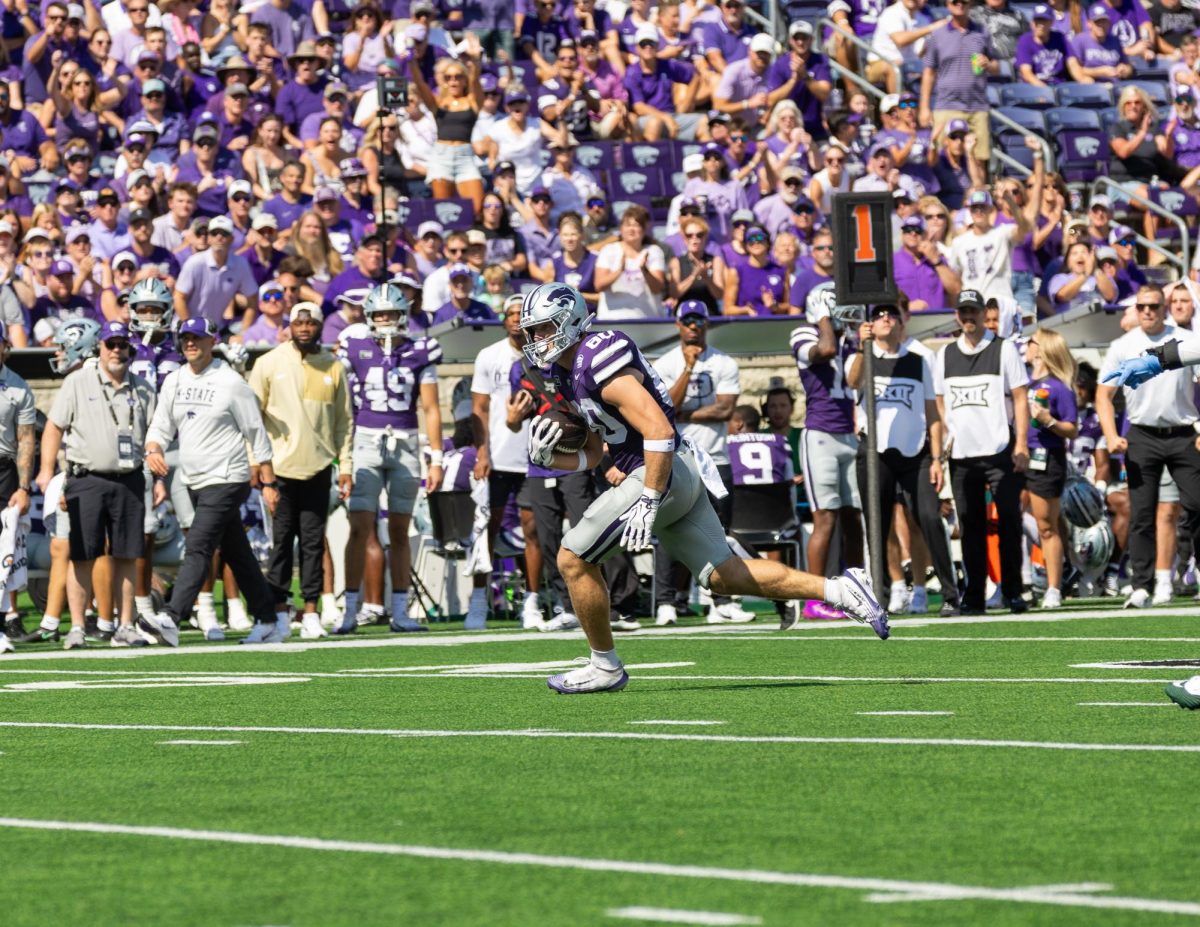
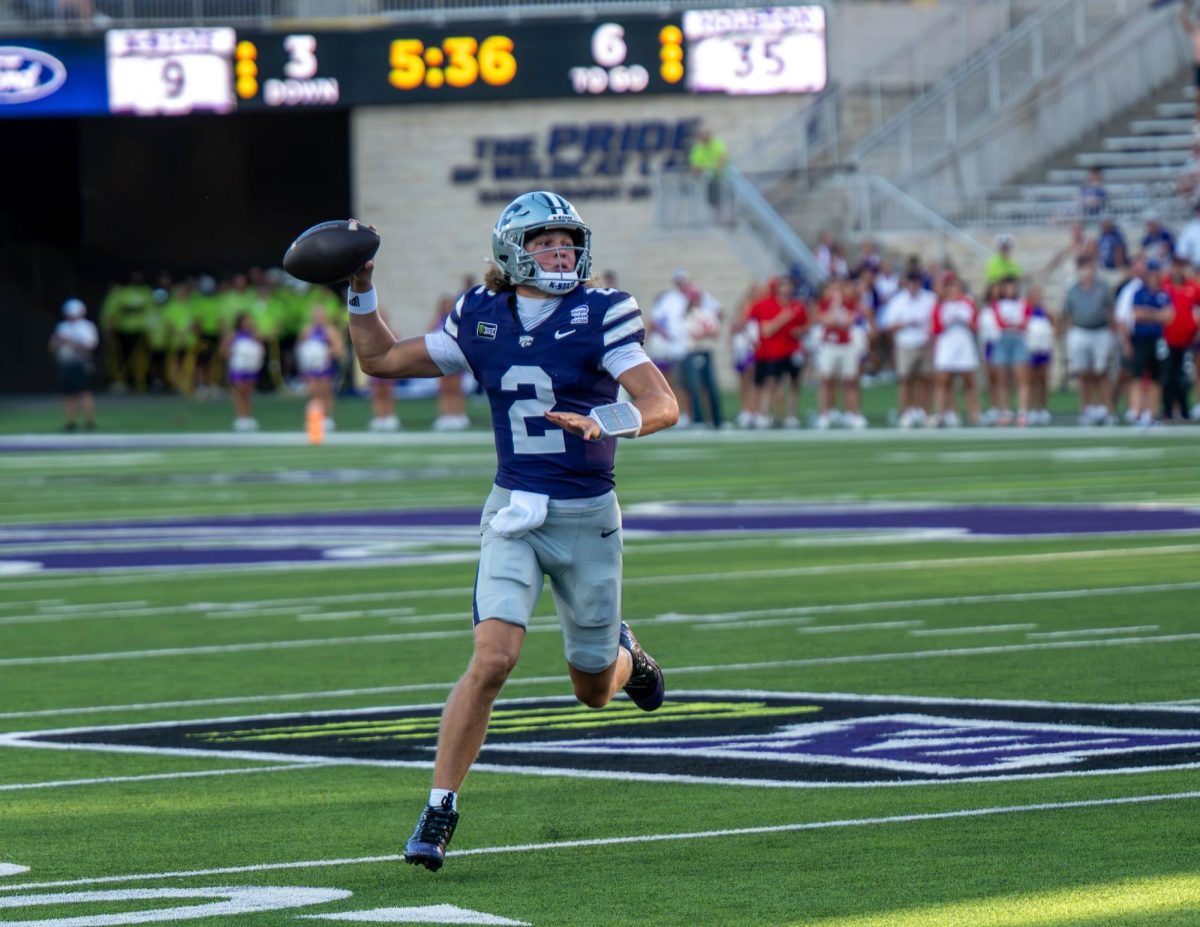
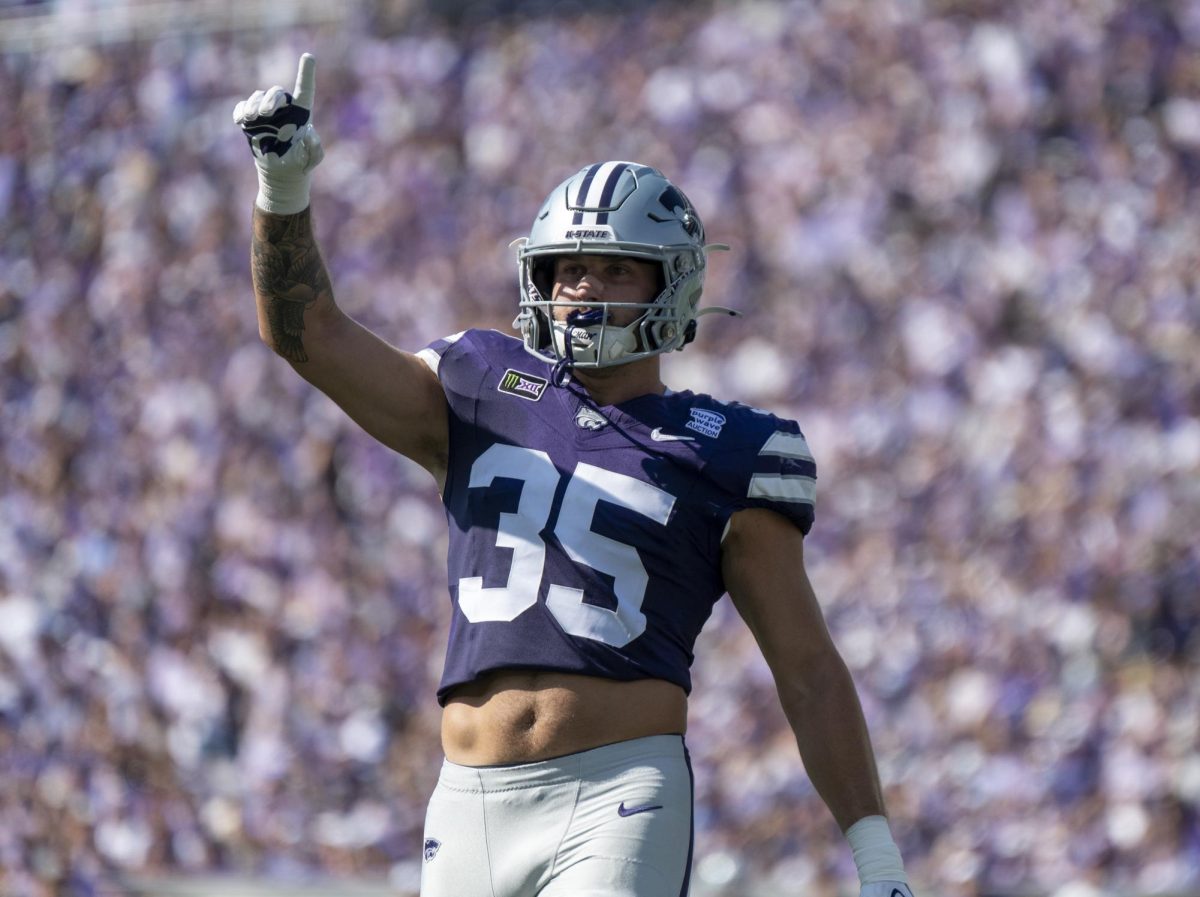
The Wildcats answered with a Joe Jackson touchdown run to take a 25-24 lead. Jackson finished with 159 rushing yards and a touchdown, while Avery Johnson threw for 209 yards and a touchdown and added 132 rushing yards. K-State finished with 359 rushing yards and 568 total yards in the 35-24 win.
For Johnson, a Maize, Kansas native, the victory meant more than the record.
“It means everything being from Kansas and to win at this place,” Johnson said. “We did some really good things today, and there are some things we can improve on, but there’s no better feeling than being able to win the game and for the Jayhawks to be on the other end of it.”
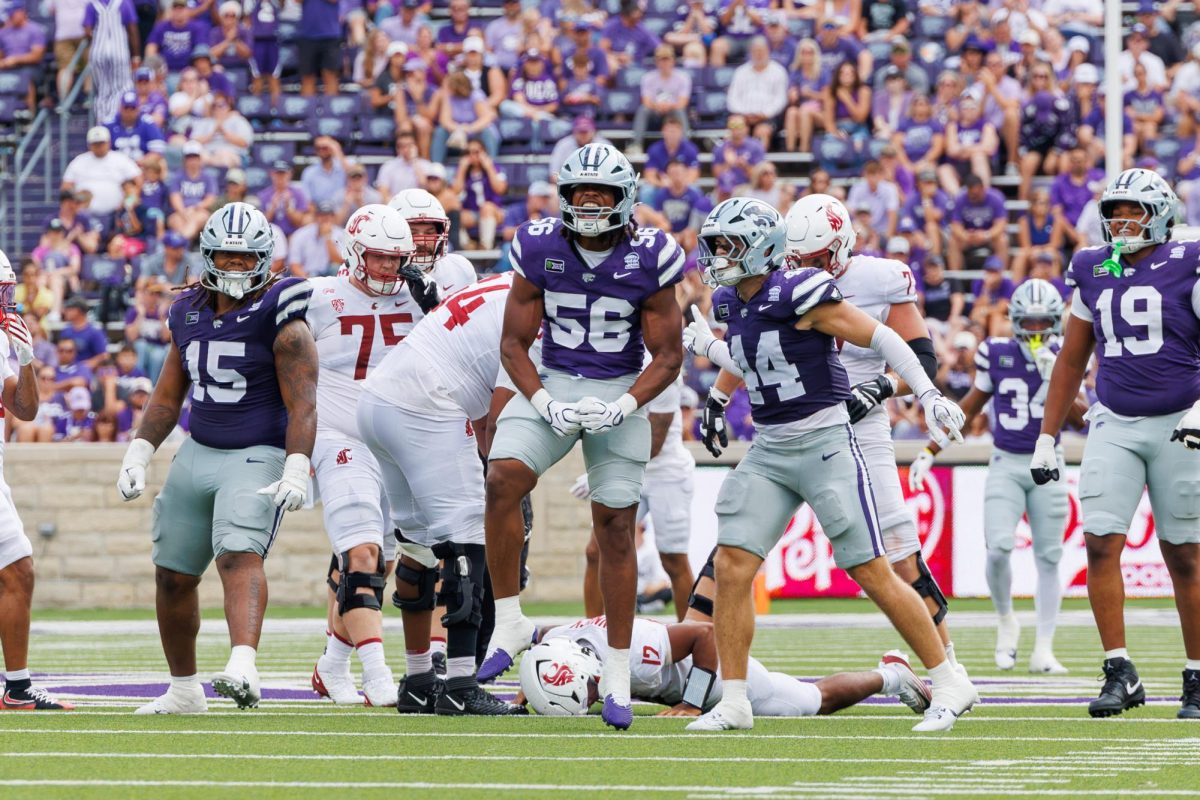
The win extended K-State’s streak to 18 games — the longest active winning streak in a major college football rivalry. It still trails some of the sport’s historic runs, including Notre Dame’s 43 straight wins over Navy, but it has made the Sunflower Showdown one of the most lopsided rivalries of the modern era.
For the K-State family, the number represents more than a simple statistic. It’s another year of rivalry jokes, Thanksgiving dinner bragging rights and purple pride — and another season KU has to wait for its chance to change the story.
The series dates to 1902, and the annual meetings stretch back to 1911. KU still holds the historical edge, but K-State holds the current streak — and this one is legal. For Wildcat fans, the number that matters now is 18, with a chance to make it 19 next season.