

















































































































The brisk air hits your face as you step through the doorway. Putting your headphones on, you’re engulfed by the mellow strums of a guitar and the soft keys of a piano. The notes aimlessly float through your head, thoughts of last week, that conversation with your mom and the words you overheard from your friends dance with them.
You reflect on those moments, the regrets, words left unspoken, the success that you didn’t seem to notice until now. The truth is, sad songs don’t represent one singular emotion. Instead, they provoke self-reflection, deeper connections with songwriters and give comfort to many of life’s experiences.
Contrary to popular belief, sad songs don’t only represent one singular type of emotion. Instead, they act as the catalyst for listeners to explore a larger mix of feelings. For example, “Best” by Gracie Abrams reflects regrets and mishandled situations, “Seven” by Taylor Swift explores childhood trauma and “Block Me Out” by Gracie Abrams represents anxieties, self-doubts and worth, allowing listeners to reflect on their own struggles.
Rebecca N. H. de Leeuw, Sophie H. Janicke-Bowles and Qihao Ji, authors of “How Music Awakens the Heart: An Experimental Study on Music, Emotions, and Connectedness,” believe that listening to meaningful music [sad music/songs] can evoke a wide range of emotions, cause listeners to think deeply about what’s important in life, encourage individuals to live a fuller life and reach out and connect to others more. So even though sad songs have been known to only represent heartbreak, they have the ability to connect to listeners on an emotional level that expands beyond the standard love story.
While sad music has the ability to represent more emotions than many believe, the story behind the song makes all the difference. High standards have caused celebrities and artists to have almost a superhuman appeal. But when artists share vulnerable experiences through their songwriting, not only are they creating everlasting connections with their listeners, but they are proving that they, too, are only human.
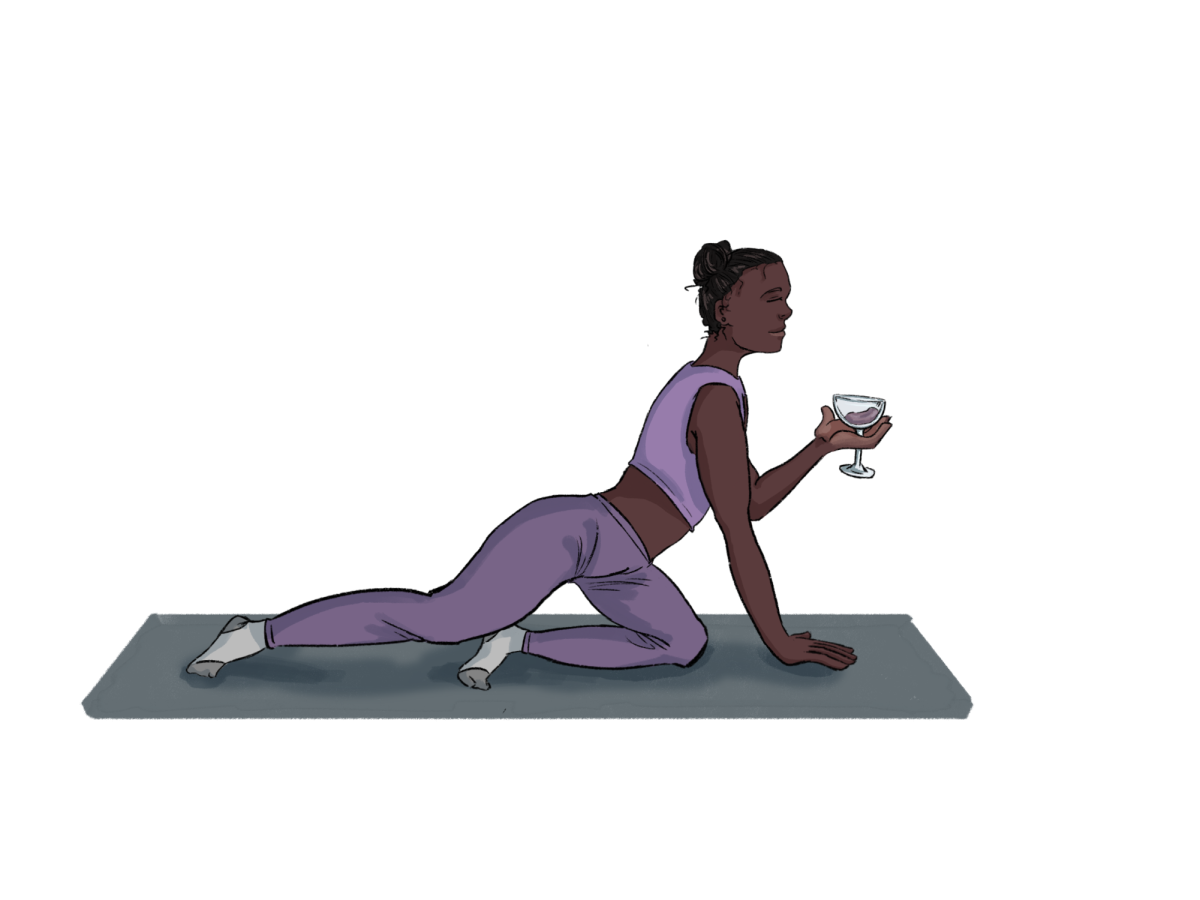
Songs like “Emails I Can’t Send” by Sabrina Carpenter, which reflect on the negative impact her father has on her love life, and “Castles Crumbling” by Taylor Swift, which explores themes of public scrutiny and disappointment, allow listeners to see the struggles that these artists face in their lives. By expressing difficulties and challenges that they go through, songwriters are reaffirming the concept that life is not all sparkles and champagne, and they, too, have to face low points and hard times as well.
Unlike happy or love songs that are often situational, like a romantic experience or celebration, sad songs can be applied throughout many of life’s situations. For some college students and adults, going home for the holidays or breaks can be challenging. You have created a life, friends, a schedule and routine, and it could feel like stepping back into old habits. “Calgary” by Tate McRae, which reflects on falling back into old habits, friend groups and standards when she is home, and captures that feeling of living through a previous version of yourself.
“I Knew it, I Know You” by Gracie Abrams reflects on past friendships that no longer exist, but keeps the door unlocked for the other person when they are ready to grow. The song allows listeners to relate to the continuous personal growth they’ll experience through life and the coming and going of relationships. So even though sad songs might appear melancholic and not relatable, they often find a way to weave themselves into the fabric of life through experiences and growth.
While some believe that listening to sad music only reinforces negative emotions, research shows that it actually does the opposite. According to an online survey by Liila Taruffi and Stefan Koelsch, called ‘The Paradox of Music-Evoked Sadness,’ they discovered that sad songs provide listeners with the ability to understand their own emotions and feelings, resolve conflict, feel emotionally reassured and connect their emotional experiences to themselves and others. So while sad songs may have a more mellow tone, they are the kerosene to the fire of self-growth and understanding.
The next time you find yourself caught in the crossfire of life, don’t be afraid. Accept the challenges in front of you, put your headphones on, stride forward and let the music guide you.