
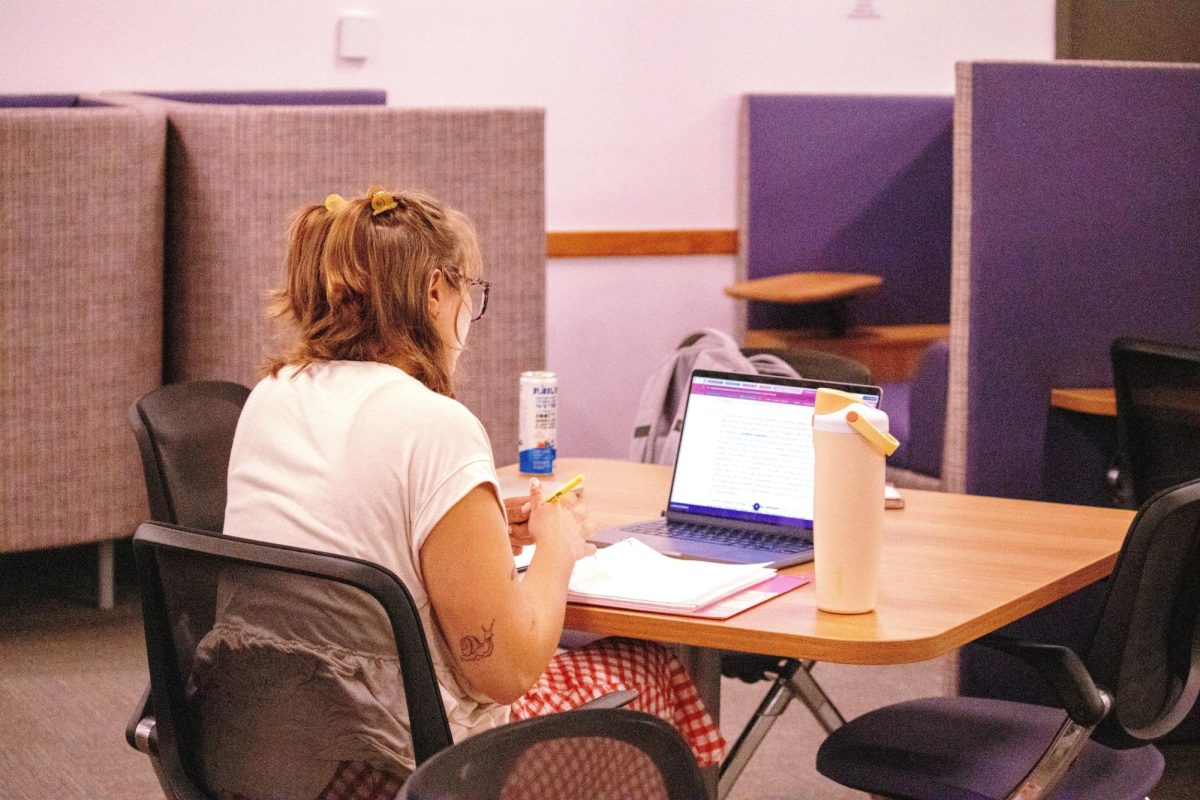




































































































It’s been a long day of school, and you finally get back to your apartment after class and a chemistry exam. All those hours studying took a toll on you, and now you’re starving. However, when you go to the fridge to cook dinner, you realize there is nothing left to eat. A simple run to Walmart could solve this problem, but you don’t get paid for another two days and have nothing left in your bank account. This may seem like an uncommon challenge for a college student, but almost 50 percent of college students face some form of food insecurity.
Food security is a term used by government agencies and non-profit organizations to describe people who lack access to enough food or the proper nutrients needed to live a healthy life. More than 47.4 million Americans faced food insecurity in 2023. Food insecurity goes beyond being able to afford food, but also includes eating low-quality food for extended periods.
Costs for food, housing and other factors are rising, often affecting someone’s food security. For students, these costs hurt even more. Most students do not have the time to work enough to cover rent, tuition, food and other expenses. With these prohibitive costs across the board, many students feel trapped and will give up eating — or eat less — to afford other necessities.
Food security and proper meals are essential for students to perform well in college. A 2015 study for the Journal of College Student Retention found that students facing food insecurity have, on average, a 0.25 lower GPA than those who were food secure. Because of lower grades, these students are twice as likely to drop out of college. These effects are compounded by worse mental and physical health. People who face food insecurity experience depression, stress and anxiety 40 percent more often than those who do not face food insecurity.
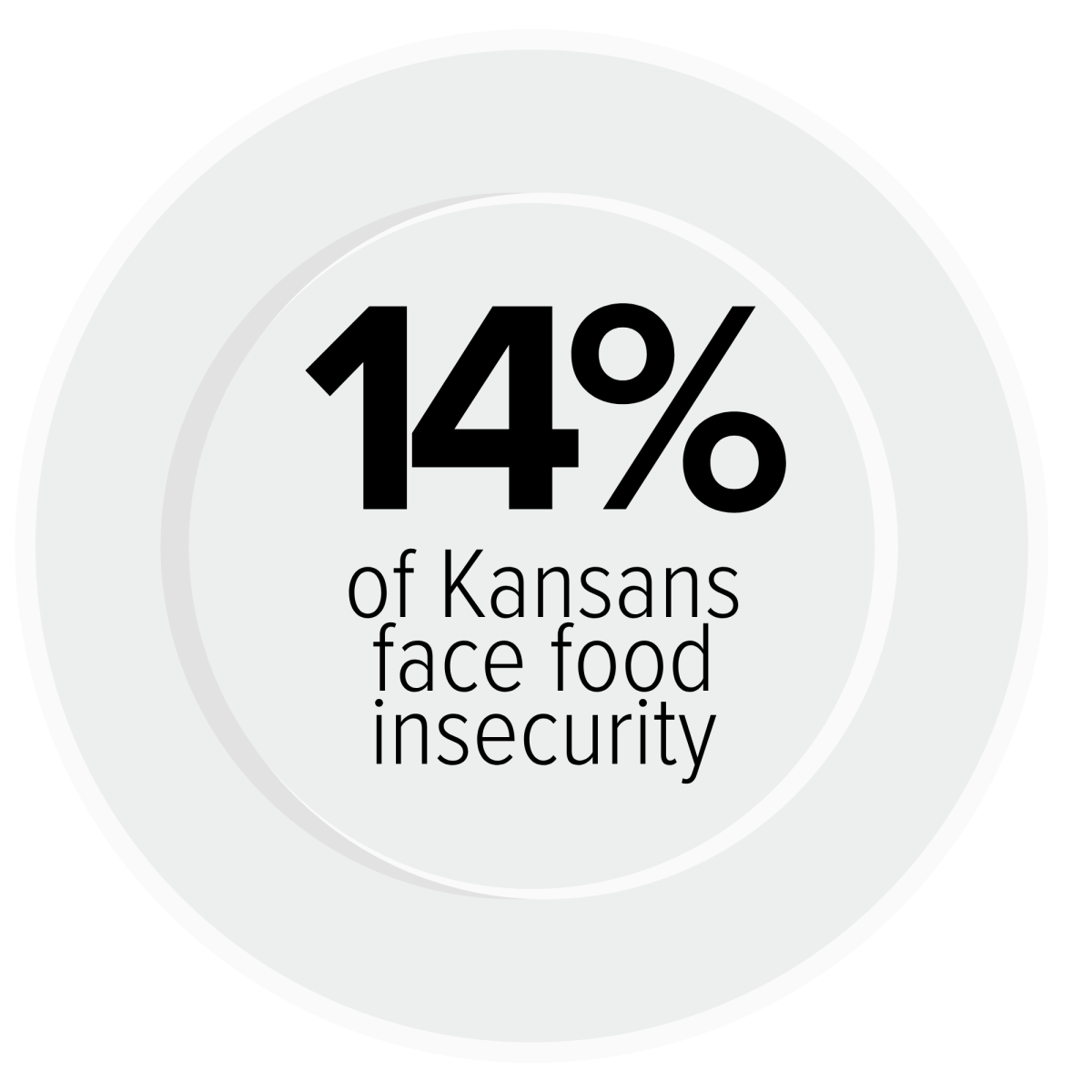
While food insecurity is a significant health concern, an equally concerning problem is the number of students that it impacts. According to a 2019 Kansas State study, almost 45% of K-State students faced food insecurity that year. This is incredibly high compared to the national average of 13.5%, showing how widespread food insecurity is among college students.
While these statistics are concerning, we can help those in need. Cats’ Cupboard is one of K-State’s local food banks for students. I encourage you to donate food, money or personal hygiene products at Cats’ Cupboard, the Student Union, Career Center or Chester E. Peters Recreation Complex. If you are a student in need of food, Cats’ Cupboard offers an assortment of food and personal hygiene products for free. No student should have to face food insecurity. Donating helps out more than you could ever know.