
















































Basketball. Money. Degree?
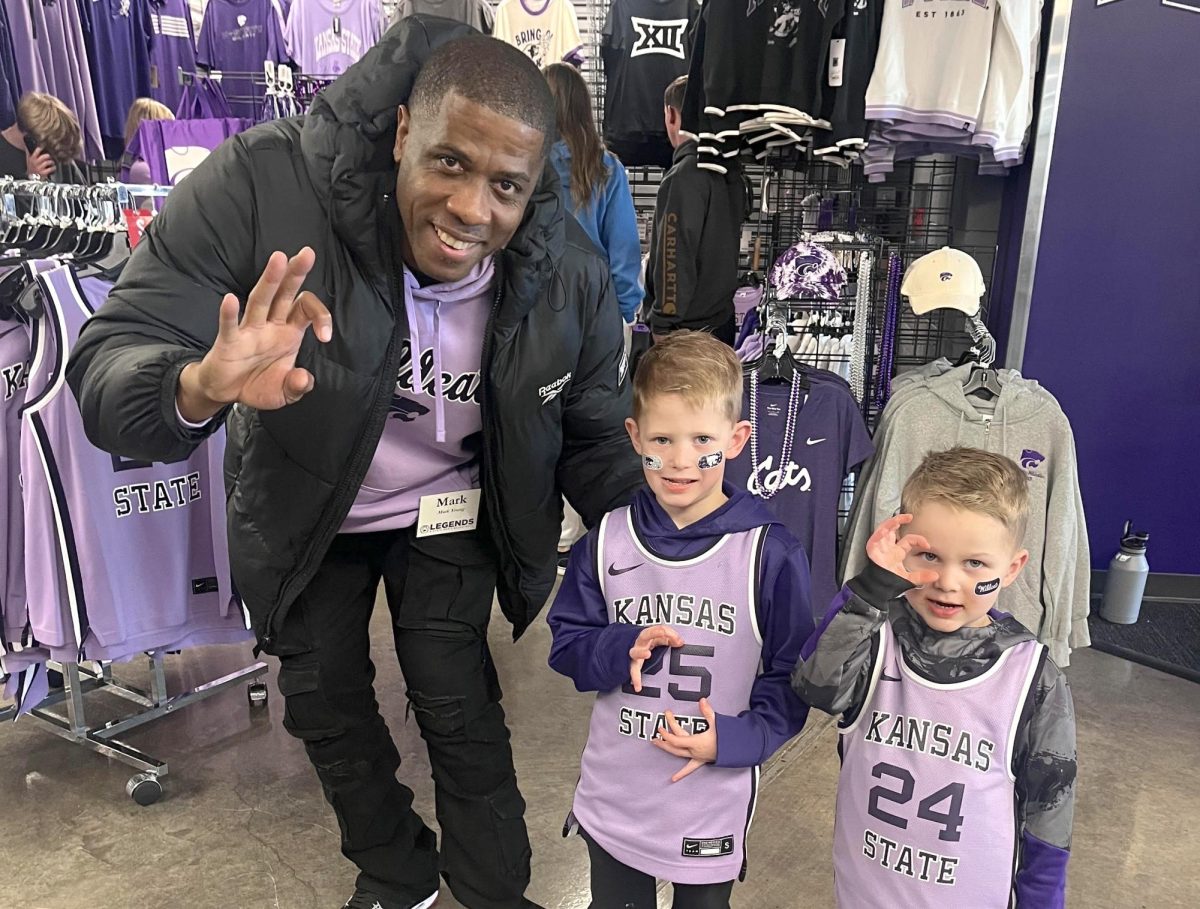
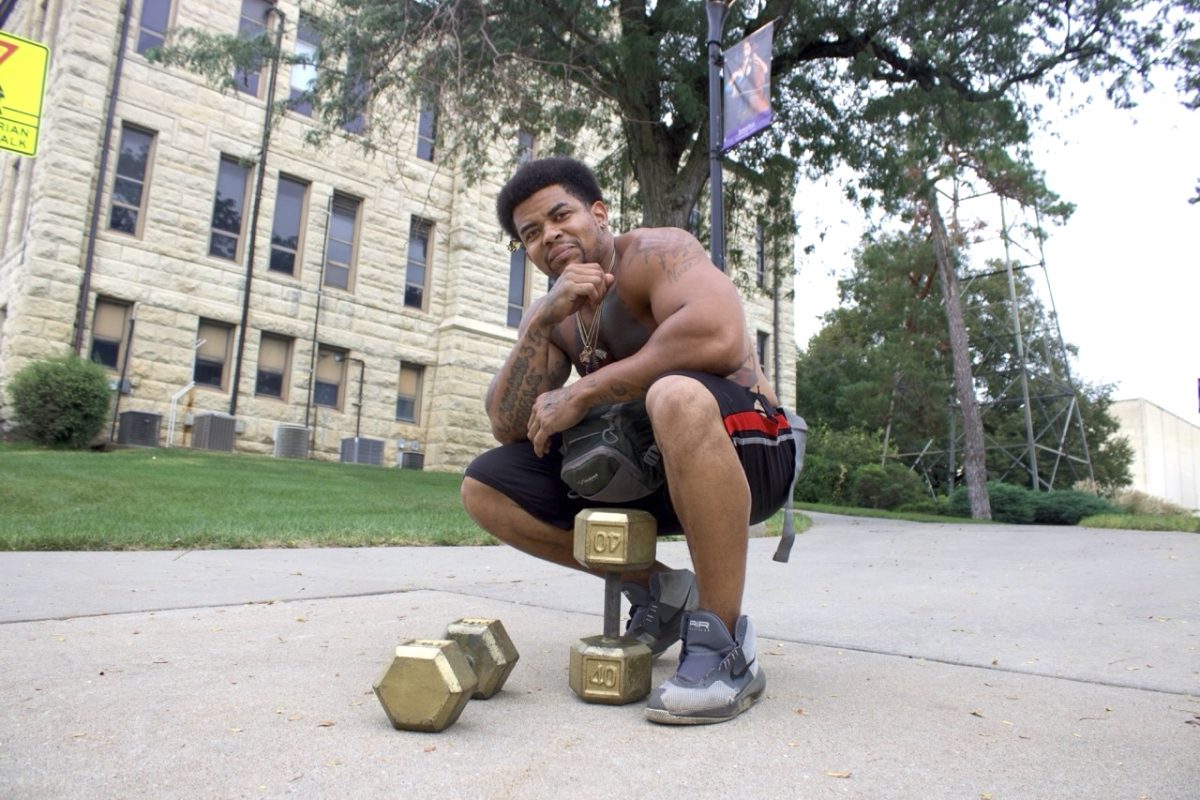
Thinking about life off the court was a vision Mark Young didn’t consider. So when that vision became reality, Young was stranded, not knowing what came next for his life.
Living in “the hood,” Young had a difficult time growing up, but he and his friends all had one dream — to play professional basketball.
“My thing was I wanted to play NBA, but I just wanted to get paid,” Young said. “It didn’t matter to me if it was overseas, NBA, CBA. I just want to be paid so I can take care of my family.”
With many dominant figures around him, Young realized that the good or bad influences in your life — especially at an early age — can impact your mindset and overall lifestyle.
“Everybody else around me was hustling,” Young said. “So you have to understand those influences. So even when I was playing basketball and going, I was coming back to my neighborhood where they were hustling or using. So this all I grew up around.”
Being surrounded by those influences, his mindset stayed the same — generating an appreciation for a positive inner circle.
“Even when I was playing college, I always had the thought: if that doesn’t work, I can always go back to hustling,” Young said. “And so it’s so important to surround yourself with the right people and the right friends because all of that plays a role in your development.”
While smoking and drinking weren’t activities that Young participated in during his youth, he still resided in the “hustle mindset.”
“I always thought about that shortcut instead of thinking right,” Young said. “And so instead of thinking, ‘I need to get this degree,’ I just wasn’t doing it.”
Despite having good role models like his brothers and coaches, their experiences couldn’t help Young, who desperately needed consulting on life off the court.
“I always wanted to be a coach that I knew I needed,” Young said. “Not necessarily just basketball; it was about the life after, because nine times out of 10, you won’t go pro.”
Playing professionally was the one way Young saw his life going.
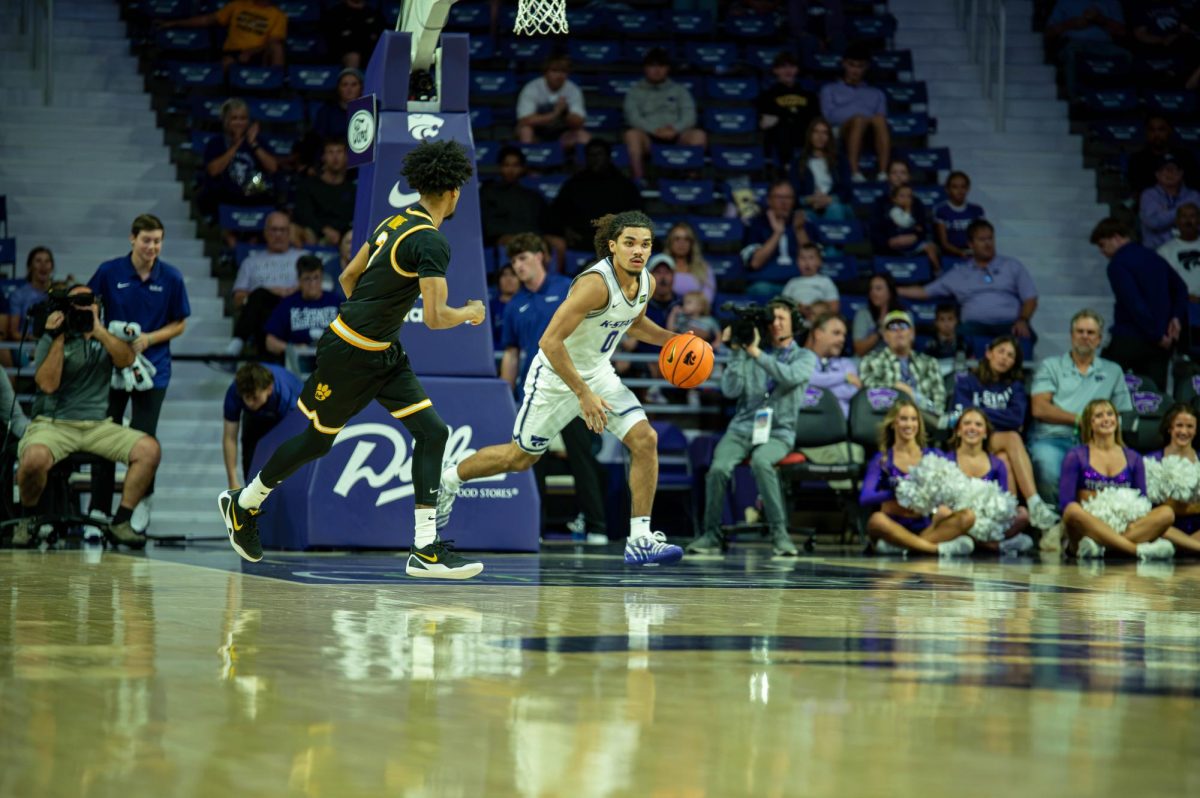
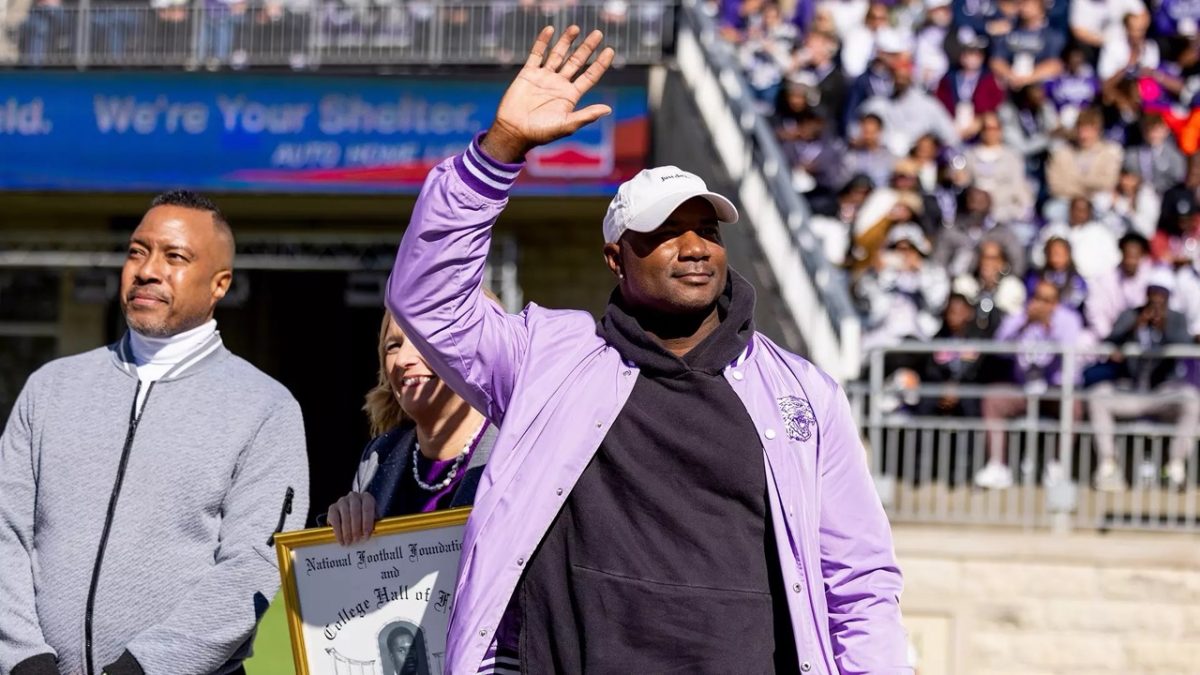
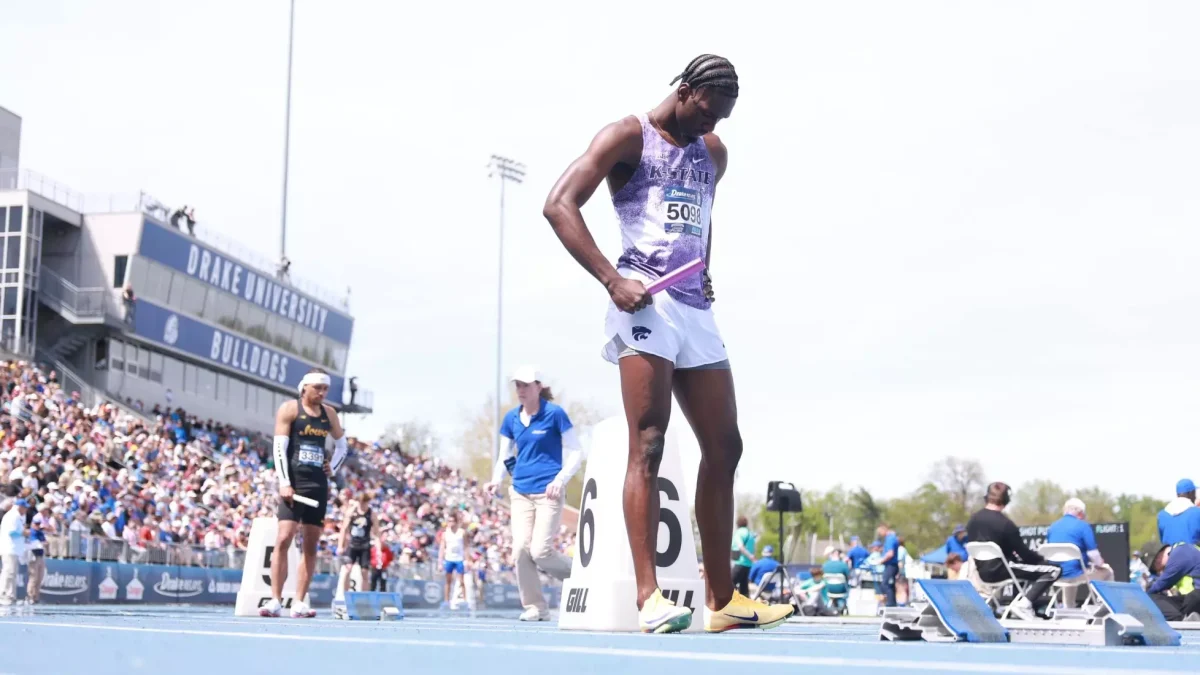
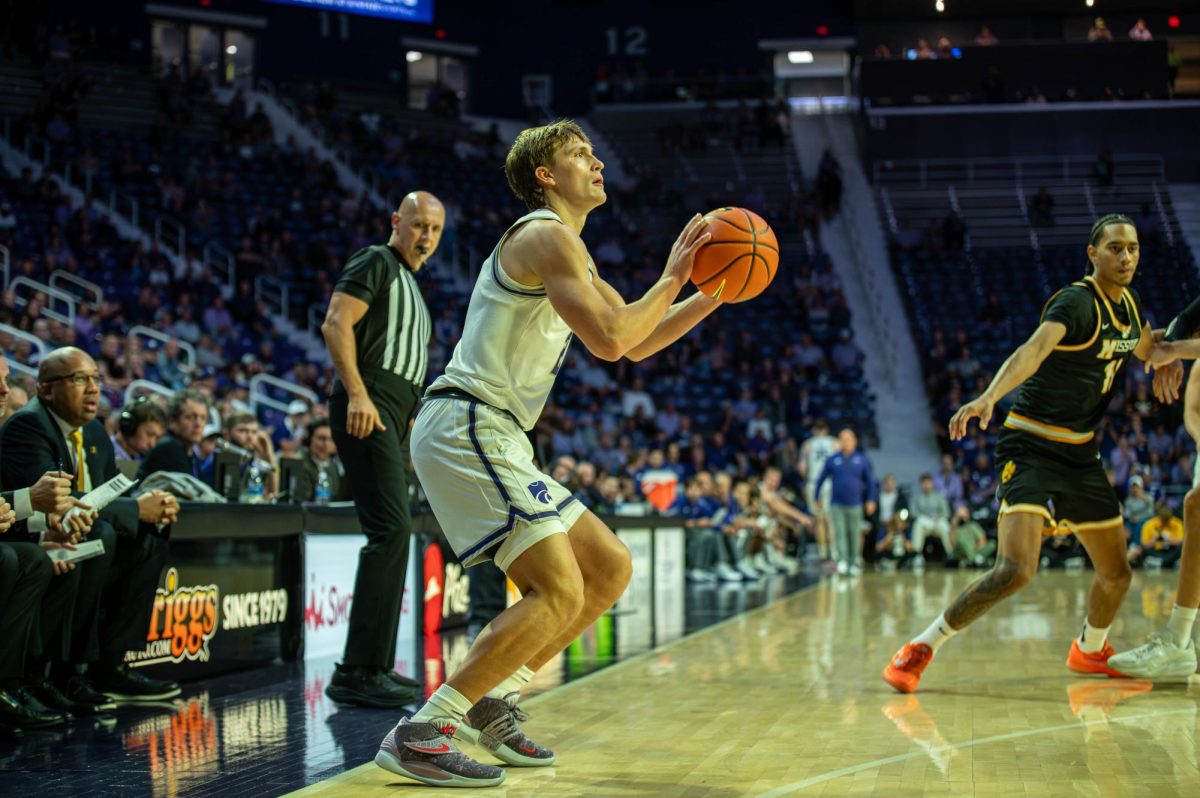
Young, a former K-State men’s basketball player, was with the Wildcats for three seasons — 1994 to 1997. Dana Altman, former K-State men’s basketball head coach, first recruited Young, who took an interest in playing for the Wildcats before being recruited a second time after coaching changes from Altman to Tom Asbury. Young agreed to play for Asbury and officially became a student-athlete at K-State.
Chasing after his dream, the Baton Rouge, La. native decided to continue his basketball career and enter the 1997 NBA Draft. Young would leave K-State early, but mentors wouldn’t let him go without a sit-down conversation.
Mentors Ernie Barrett “Mr. K-State” and President Jon Wefald pulled Young aside, expressing to him the importance of staying at K-State and finishing his degree.
“I had already made my mind up to go pro,” Young said. “But they always told me, ‘You’re always welcome to come back and get that degree. You’re gonna need it.’”
John Cooper, K-State assistant men’s basketball coach, met Young through a common acquaintance.
“Talking to Mark, there’s still an appreciation for what K-State did for him,” Cooper said. “His passion for the university, and the fact that he is back here, enrolled in school, finishing up his degree, a lot of times those things in themselves speak to the appreciation of the university. And just seeing him do that is kind of really neat to see.”
Excited about what the future could hold, Young didn’t think twice about leaving K-State to pursue his passion for basketball.
“As a young man playing basketball back then, you don’t really think about that [a degree],” Young said. “You’re just thinking about playing basketball, making money and you figure life out after that.”
Young took a bet on himself, but his path would go differently than he thought. The former Wildcat was not drafted but had the chance to go to training camp with the Los Angeles Clippers and signed a free agent contract. At the end of the season, the Clippers would cut Young, who soon traveled overseas to play CBA.
During his college career, Young often went back to Louisiana in the summer and coached basketball. While coaching let him escape parts of the everyday grind of life, Young got into some trouble, which led him to go back home.
“I was accused of a murder that I had nothing to do with, and so got found not guilty on that,” Young said.
Throughout his experiences, he has learned many lessons, often looking back at his adolescence and pondering how his career went compared to what current student-athletes are dealing with.
“With the kids now, getting paid and they’re transferring so much, a lot of them are losing credits by transferring,” Young said. “So the degree may not be that important to them because they’re making so much money. Because a lot of people feel, if I got the money, that’s it.”
With the growth of NIL and the transfer portal, student-athletes’ mindsets have shifted into something Young is concerned about.
“Everybody thinks about going to the NBA, and everybody thinks about making the money, but nobody thinks about their life after,” Young said. “Especially in today’s game, I really believe that it’s so imperative that we try to teach them [students] about just a career after basketball. And I think now, especially with financial literacy, I think that’s one of the big things that we definitely need to work on with kids because that’s one of the things I made a lot of money, but I spent it … those are things that need to be touched upon, especially in this climate with kids making so much money.”
Now 29 years later, Young returns to K-State to finish his degree in social science and a minor in child welfare.
“So coming back here, it was like so much support,” Young said. “It was like I can’t not get it, and so the people here was just so awesome and just so welcoming. I met so many new people here now, and so they’ve made it that more important for me to get it.”