






















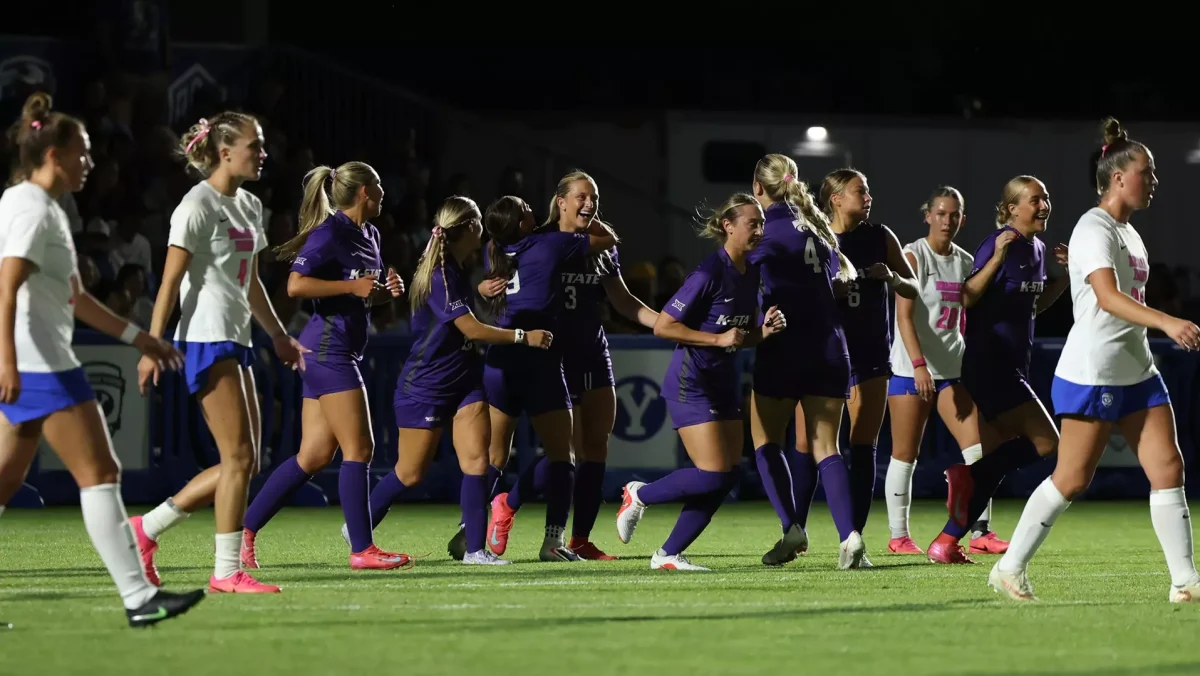
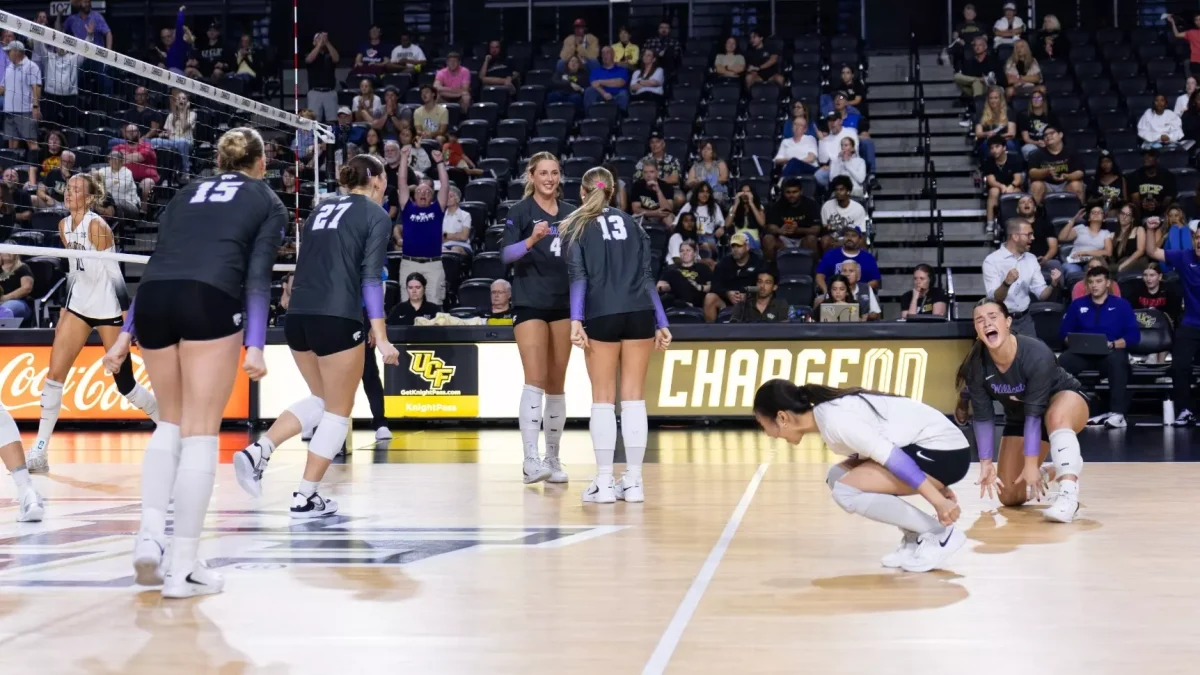
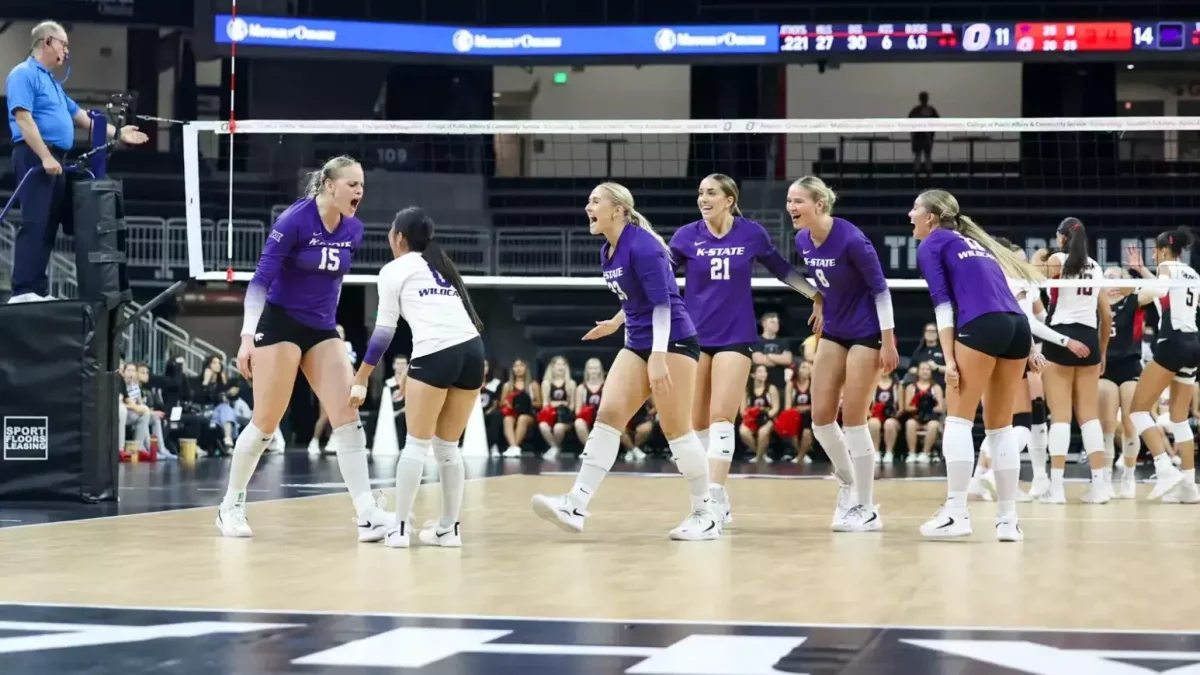











































Soccer has one moment that should be one of the simplest parts of the sport. The ball hits the back of the net, the players celebrate, the fans erupt and the scoreboard changes.
But for K-State this season, that moment has increasingly come with an asterisk.
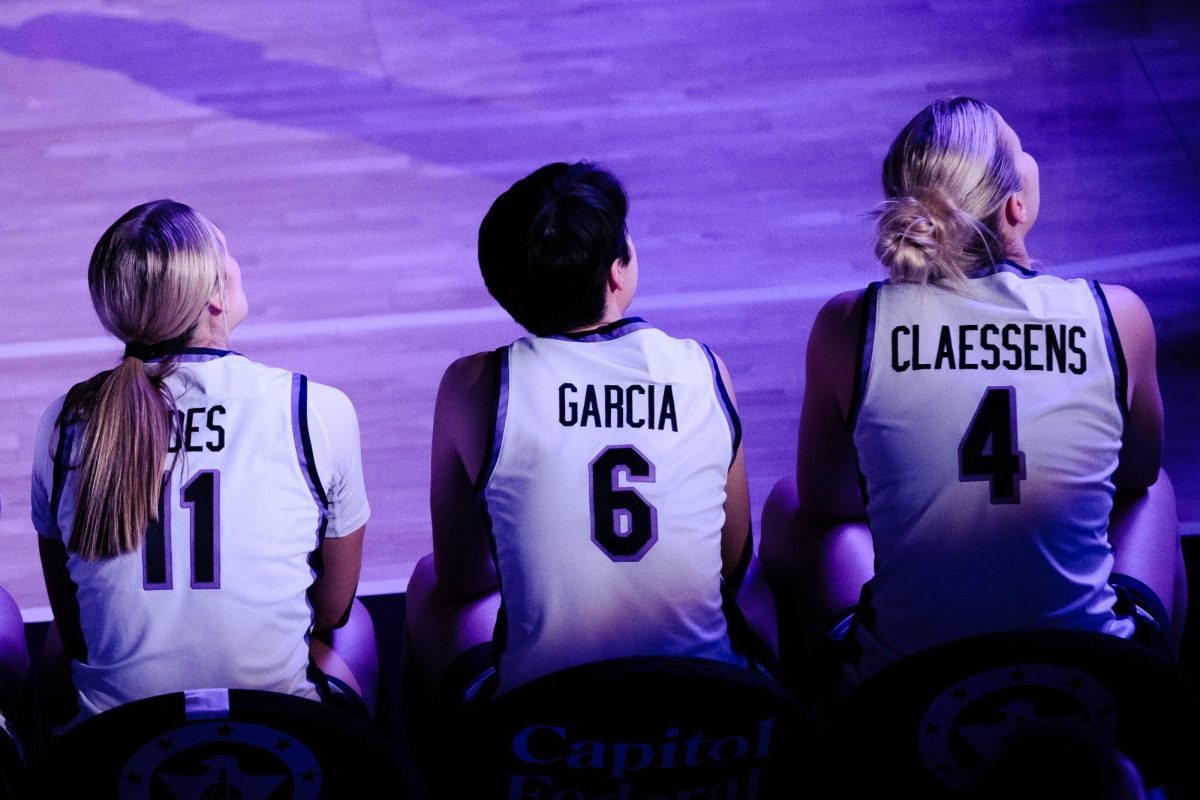
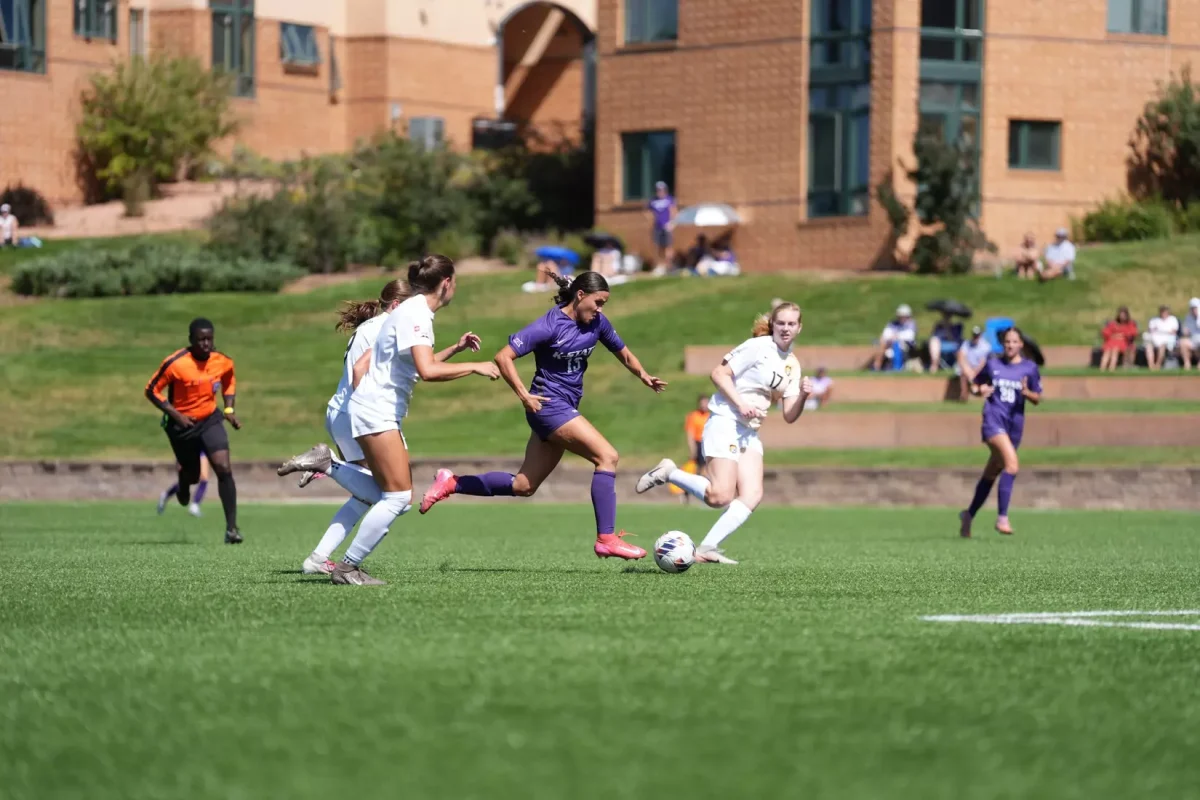
It happened twice in the first half against Iowa on Sept. 3. First, K-State appeared to double its lead when Gabby DeMers found the back of the net, but a Video Assistant Referee (VAR) review overturned the goal after it determined a foul earlier in the possession. Seven minutes later, DeMers appeared to score again. The near-side assistant referee signaled a goal, but Iowa challenged the decision, and another review overturned it. K-State ultimately settled for a 1-1 draw.
The night was frustrating for more than just the two goals they lost. It was frustrating because it showed what college soccer can become when video review moves from being a safety net to becoming part of the game itself.
The Wildcats have seen this trend continue.
On Sept. 10 against Colorado State, Gabby DeMers scored in the 87th minute to give K-State a 2-1 lead. Colorado State challenged the goal, but the VAR review confirmed the call. In this case, the review settled the challenge without overturning the original decision.
But in their Sept. 18 match with Houston, the Wildcats had another goal overturned after a VAR challenge. On Sept. 24, K-State used both of its challenges on potential handballs inside the penalty area against Arizona, but both no-calls stood. In the Sept. 27 match with Arizona State, VAR was involved in a penalty decision that gave the Sun Devils a chance from the spot, though Maddie Sibbing saved the attempt. Then, on Oct. 2, another VAR challenge led to a penalty kick for a handball against BYU, which the Cougars converted for the winning goal in a 2-1 K-State loss.
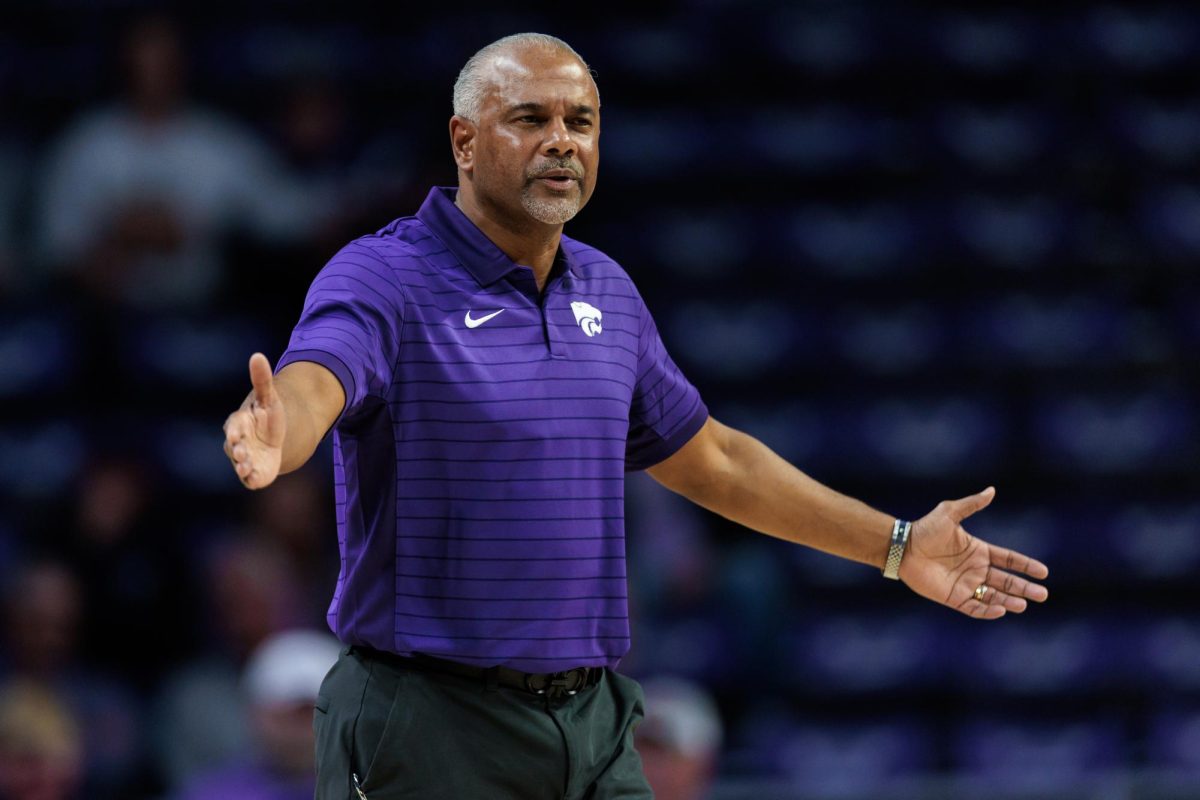
K-State has felt the impact of those decisions throughout the season. After the Wildcats’ loss to BYU, head coach Colleen Corbin pointed to the handball review that led to BYU’s winning penalty, saying, “Unfortunately, there continue to be things outside our control that are impacting the game, especially with VAR.”
At this point, VAR is not a footnote to K-State’s season — it is part of the story. That is a problem.
I am not arguing that college soccer should get rid of video review altogether. In fact, other NCAA sports show there is a way to use replay without letting it take over the game.
Look at NCAA hockey. Video review exists, but it’s tied to specific situations rather than giving coaches broad opportunities to stop play and ask officials to reconsider a decision. In hockey, reviews can determine whether a goal should count or review certain major penalties.
The NCAA has even narrowed review rules when it determined certain situations were creating longer reviews and more confusion. In 2023, for example, the NCAA removed “too many players on the ice” from the list of reviewable situations after officials found the rule was producing longer reviews and incorrect outcomes.
That is the kind of balance soccer needs. Replay should be there when it can provide clear answers. It should not become an invitation to second-guess every subjective decision on the field.
Last season, the NCAA experimented with a much more limited challenge system in soccer. Coaches received one challenge and could earn a second only if their first challenge was successful. That system wasn’t perfect — neither is soccer without video review today — but it provided a balance.
This season, however, that balance shifted. Coaches now receive two challenges regardless of whether the first is successful. The NCAA also expanded the situations that can be reviewed, including fouls or offsides before goals and certain plays leading to penalty kicks. Officials can initiate reviews on all allowable plays during the final 10 minutes of regulation and, when appropriate, postseason overtime. Division I games can also use a video match official to assist the referee.
In a May 2026 announcement, the NCAA said the changes were meant “to help the officials get the call right while maintaining the pace and flow of the game,” but those two goals can conflict. Every review creates a pause, every challenge creates uncertainty and every overturned decision changes the emotions of the players and fans who experience the original play in real time.
That becomes especially difficult when not every soccer decision is objective. Technology can help determine whether a ball crossed a line or whether a player was offside, but when a defender’s hand is in a certain position or a foul occurs earlier in a possession, human judgment still comes into play. The monitor does not eliminate subjectivity. It simply moves the subjectivity from the field to a screen.
K-State’s experience this season is a clear example. VAR has played a significant role in matches against Iowa, Colorado State, Houston, Arizona, Arizona State and BYU. Some decisions have gone K-State’s way. Others have not. The bigger issue is how often the technology has become involved in moments that can change a match.
Soccer is already a sport where one decision can change everything. A missed chance, a deflection, a bad bounce or a split-second mistake can decide a match. That unpredictability is part of what makes the sport compelling and entertaining.
The NCAA introduced video review to correct mistakes that should not decide games. Instead, college soccer is moving toward a system where more moments can be stopped, dissected and reconsidered.
At some point, we have to ask whether we are fixing the game or changing it.
The NCAA should go back to last year’s system. Keep video review and keep the ability to correct obvious mistakes, but make it harder to stop the game. One challenge should matter. A successful challenge should earn another. Reviews should be reserved for situations where video can genuinely provide clarity, rather than adding another layer of decision-making to increasingly subjective plays.
K-State’s season has shown how quickly VAR can become more than a tool for correcting mistakes. It can change momentum, celebrations and, in some cases, the result.
Technology has a place in college soccer, but it should not become its centerpiece.