







































































































Some students learn best by doing rather than by listening, and that shapes which careers make sense for them. A lecture works fine for one kind of learner, but another needs to handle the tools or work directly with people before a skill sinks in. That distinction matters because a lecture-heavy degree is not the only serious route into a stable career. Manhattan has its own growing mix of hands-on training, including trade apprenticeships and personal care programs that put students in front of real clients early on.
What Hands-On Learning Actually Looks Like
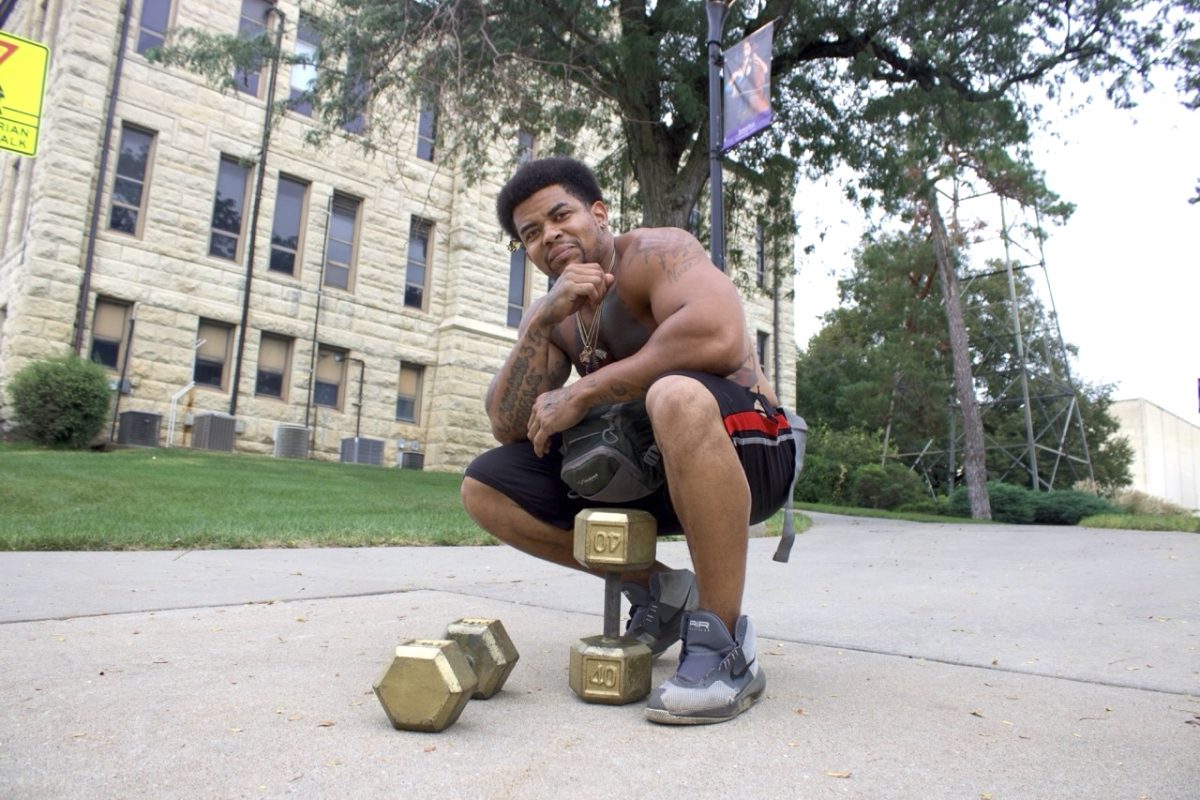
A hands-on learner often remembers how a torque wrench feels in their grip long after they have forgotten the paragraph that described its use. That pattern shows up across trades, health fields, and design work, where students improve mainly through repetition rather than reading about a task. These students process new information through movement and direct feedback, picking up a sequence of steps faster once they can practice it immediately instead of hearing it explained twice. A classroom built around reading assignments and written exams is the wrong fit for how their memory actually forms, which can make a capable student look like a struggling one.
Manhattan’s Growing Mix of Hands-On Training
A handful of newer programs around town show how far this kind of training has expanded beyond the trades most people think of first. The esthetician program that opened west of campus runs students through skincare theory in a classroom setting before moving them into a working clinic, where they practice facials and treatments on real clients under an instructor’s supervision. Culinary and dental hygiene programs nearby follow a similar shape, pairing short lecture blocks with long stretches of supervised practice.
Careers That Reward Skill Over Sitting Still
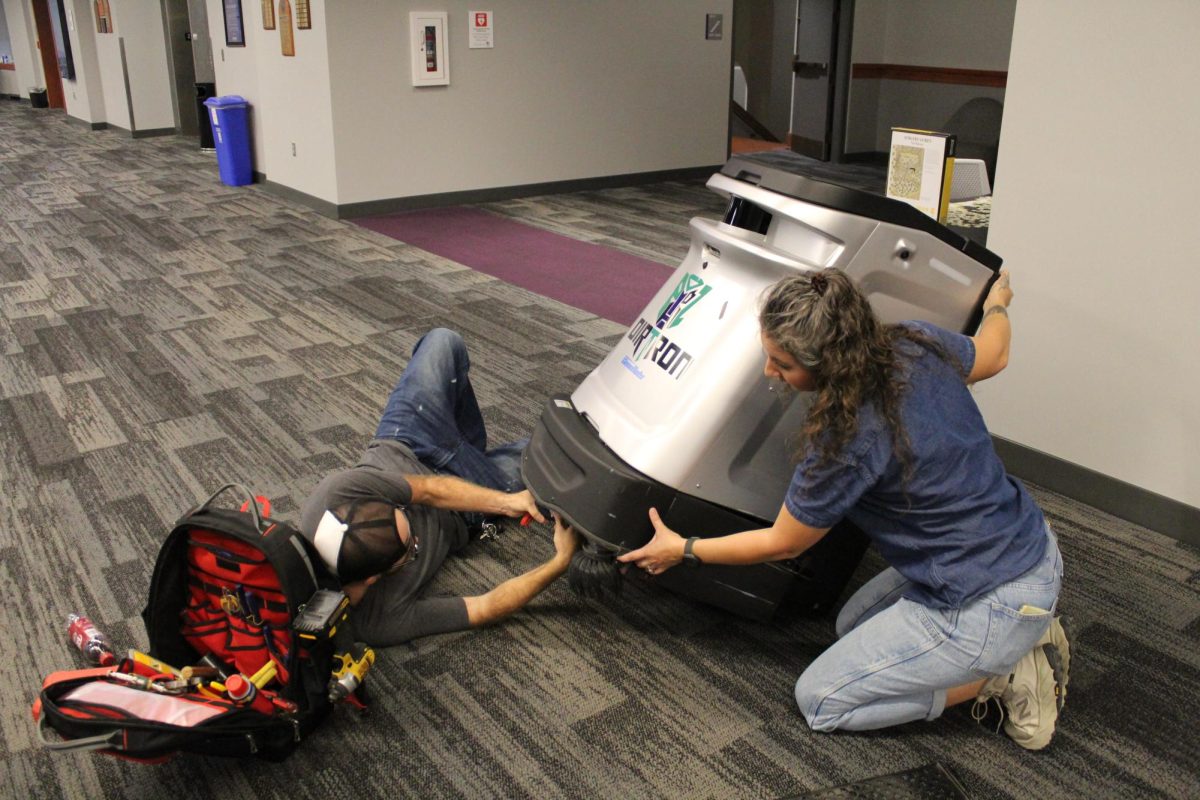
Several career paths reward exactly this kind of learner, and most pay well without a bachelor’s degree. Electricians, HVAC technicians, and welders train through apprenticeships that combine paid work with classroom instruction, building skill under someone who already knows the job, and that structure pays off in real numbers. Graduates of one manufacturing apprenticeship program earned 63 percent more within a year than peers from similar backgrounds who went into similar careers without the program, and the gap widened over time. Nursing, culinary arts, and skilled trades follow a similar earn-while-you-learn model, letting students build a résumé and an income at once.
Choosing a Path That Matches How You Learn
Picking one of these routes still takes real research, not just an assumption that any hands-on program will fit. A student should look at how much of the coursework happens in a lab, shop, or clinic versus a lecture hall, since programs described as hands-on vary widely in how much practice time they offer. Licensing requirements and job placement rates are worth checking directly with the school. Even the head of the world’s largest asset manager has recently argued that trades deserve the same respect as banking or law, a sign that attitudes toward this kind of work are changing and that the old hierarchy is starting to flatten out.