
























































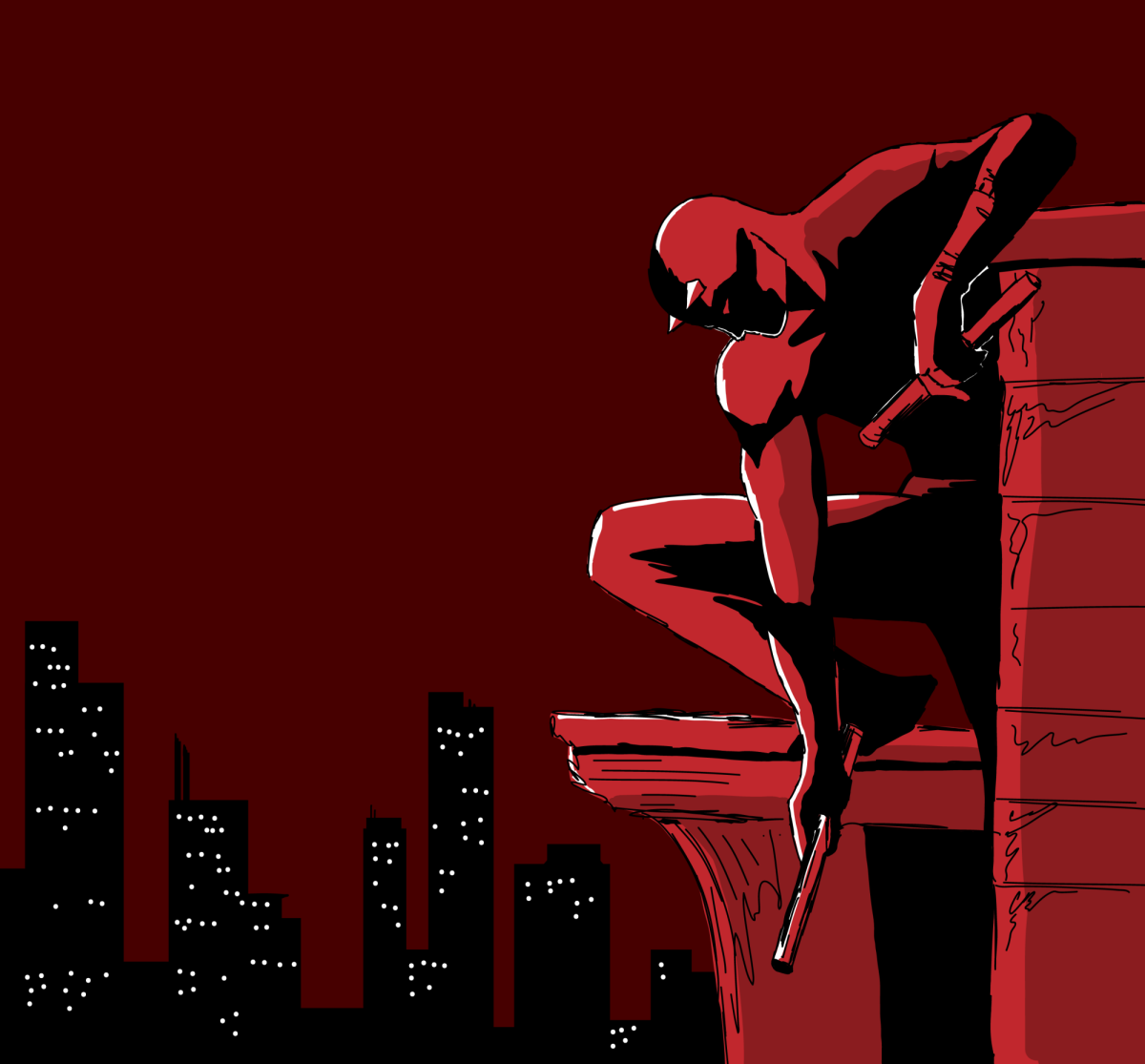























Green Lantern is a DC Comics superhero with a troubled history in film and television. In the comics, Green Lantern is one of the era’s most beloved and iconic characters, using his cosmic green power ring to will anything into existence. The chosen peacekeepers of the Universe fighting cosmic threats across the Ether sounds awesome, but why does it keep falling flat?
Critics famously panned the 2011 film starring Ryan Reynolds for being over-reliant on CGI and meshing too many aspects of the wider Green Lantern mythos into one movie, making it feel like a jumbled, rushed mess. This didn’t help the short-lived 2012 Cartoon Network “Green Lantern: The Animated Series” that I bet you’re hearing about now for the first time. It ended after one season due to the negativity the Green Lantern brand had suffered in modern media due to the film.
Yes, it was that bad. The Green Lantern brand was relegated to being a strictly comic character after that, and any chance of seeing anything related to Green Lantern in mainstream media was slim to none.
Following the rebrand of the DC Universe and the introduction of a new film Universe to go head-to-head with the insanely successful Marvel Cinematic Universe, Green Lantern returned as a side character in “Superman.” The first film in the new DC film and TV Interconnected Universe.
Although this new Green Lantern, which Nathan Fillion played, was an adaptation of a lesser-known member of the Green Lantern Corps, Guy Gardner, he was still a faithful adaptation that was a heavy departure from how Green Lantern was presented originally. Guy sported a popped-collar jacket and a noticeably ridiculous bowl cut.
The focus shifted from the overly detailed, CGI-fueled Green Lantern to this new, grounded and lighthearted Green Lantern, but one thing showcased was that Green Lantern’s primary draw is his iconic Power Ring. The ring’s complicated lore and the other Green Lanterns were not needed to make a meaningful and good representation of Green Lantern in mainstream media.
As part of the rebrand, HBO greenlit an adaptation of two other Green Lantern characters, titled “Lanterns.” The show presents an organic and more slow-burn take on Green Lantern by presenting it as a mantle or title that’s passed on, with the Green Lantern in “Superman” being the second Green Lantern to protect Earth.
The show flashes back to 2016, with the original Green Lantern, Hal Jordan, who’s been the only Lantern on Earth for over 30 years. He’s forced to train ex-military combat vet John Stewart as they intercept a conspiracy that the Guardians, the mysterious alien force that appoints all the Green Lanterns across the universe, have connections to a secret rogue alien weapon hidden in the isolated town of Rushville, Nebraska.
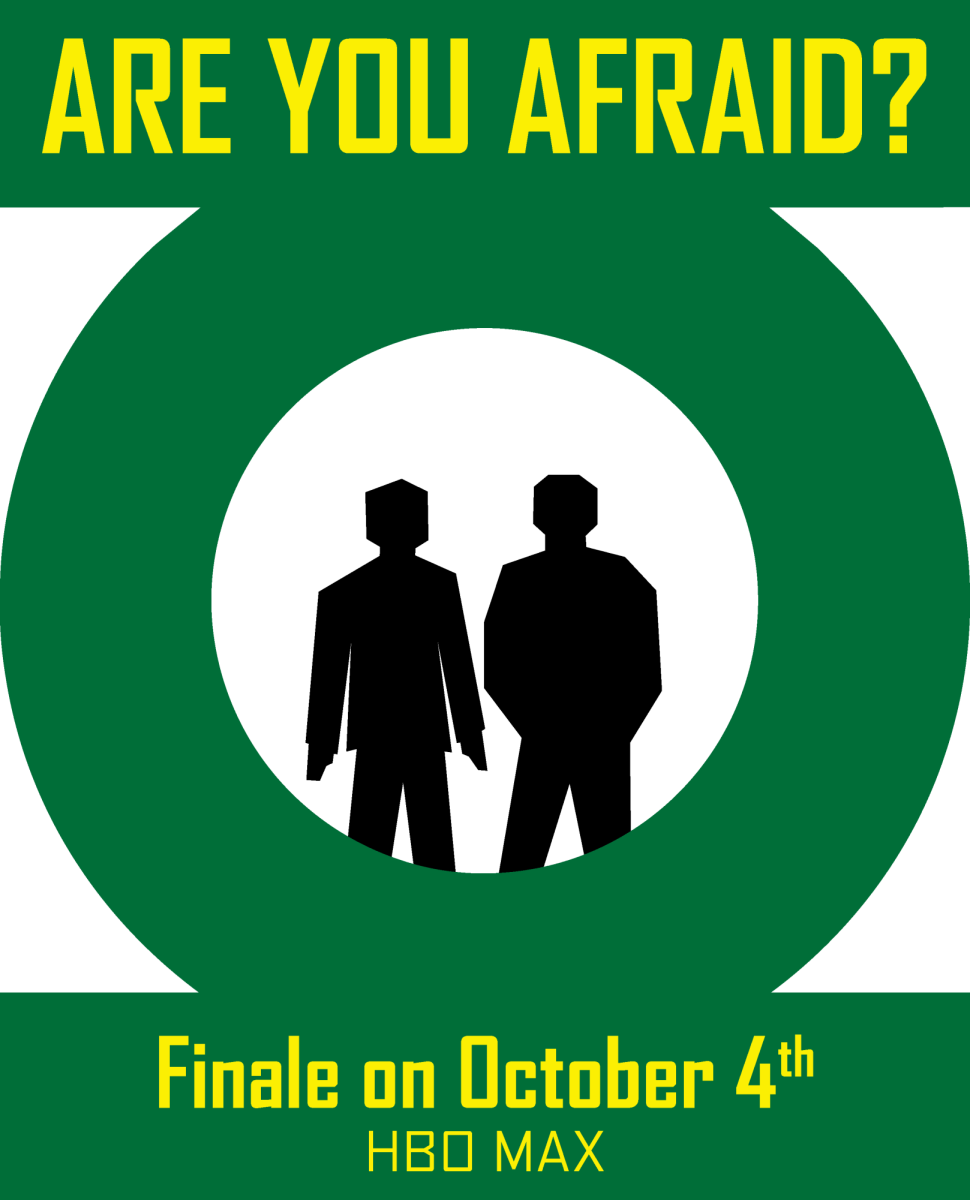
The Guardians have one question for those who are chosen to be a Green Lantern: “Are you afraid?” If your answer is no, you are officially chosen and appointed. However, this question is the critique of the show. What does it mean to be fearless? Does it mean to be selfless, or selfish?
John Stewart’s father, John Stewart Sr., was originally chosen as the Green Lantern 30 years before the events of “Lanterns,” but he lived with the regret of saying “Yes” to the question. John Stewart Jr. would spend the rest of his life being trained and forced by his parents to be the perfect “fearless” hero, so his son would correct his father’s mistake.
The dynamic between Hal and John throughout the show is rocky, and it feels more like an homage to “true crime detective” shows than a Green Lantern show: two unlikely partners forced to work together to uncover a mystery in a small town.
While some fans feel disappointed at the lack of Green Lantern-specific content, like the costumes or the lack of some iconic characters, this slow approach works in a different way compared to past adaptations. Going into “Lanterns” with little knowledge of Green Lantern is the best bet overall.
The show at some point does seem terrified of being CGI-focused. The filmmakers did a lot of the shots of things like explosions or large effects involving light practically, and producers enhanced them using digital VFX. In an interview with Animation Magazine, Production VFX Designer Greg Steele described it as wanting to have smaller-scale effects, but producers came in and wanted to amplify the damage by going bigger and better, so they enhanced the existing footage using visual effects simulation techniques.
For die-hard fans of Green Lantern, don’t expect a larger-than-life alien spectacle, but a grounded story on what it means to be truly fearless. For those new to the franchise, this is a great place to jump in and be surprised by the mystery of Rushville and by facing and acknowledging your fears as a part of yourself, and not as a weakness.