















































































Most pre-law students start the same way. A free practice test, a stack of borrowed books, a study plan that survives about three weeks.
The plateau usually arrives somewhere in the mid-150s, and grinding through more practice questions rarely moves it. That is where one-on-one help starts to pay for itself, and the eight options below are compared on published price, format and the kind of student each one fits.
Key Takeaways
- Published hourly rates among these providers run from $175 to $1,200, depending entirely on who is doing the teaching.
- Kaplan is the only company here that publishes no tutoring rate and quotes by phone instead.
- Most programs require an LSAC LawHub Advantage subscription at $124 a year on top of tuition.
- The scored test is now built from Logical Reasoning and Reading Comprehension questions only.
- A few hours aimed at a diagnosed weakness usually beats a large block of hours bought in advance.
What a private tutor does that a course cannot
A course teaches the test. A tutor watches you take it and tells you why you are losing points, which is a different job.
According to LSAC, the multiple-choice portion contains three scored sections plus one unscored section used to validate future questions, and every question is either Logical Reasoning or Reading Comprehension. With the old games section gone, the whole scored exam now rewards argument analysis and fast, accurate reading.
That narrowing helps anyone weighing one-on-one help. There are fewer skills to fix, so a diagnosis is cheaper to act on than it used to be.
How we picked these options
Prices were recorded from each provider’s own pricing or tutoring page in September 2026, and nothing was carried over from a competitor’s roundup. Where a company publishes no rate, that is stated rather than guessed at.
Beyond price, three things shaped the list: how tutors are screened, whether the provider sells hours or a bundled program and what happens if the match or the score does not work out.
Quick comparison
| Provider | Format | Published price | Best for |
|---|---|---|---|
| Bob Verini | One-on-one, Zoom or in person | $250/hr online, $300/hr in person | One senior tutor start to finish |
| 7Sage | Platform plus tutoring packages | 10 hours $2,399, 20 hours $4,399 | Analytics-led study plans |
| LSAT Demon | Subscription plus tiered tutoring | $200/hr up to $1,200/hr by tier | Heavy daily drilling |
| PowerScore | Hourly or packages | $175/hr, 10 hours $1,500 | A few targeted hours |
| Blueprint | Tutoring bundled with course access | Core from $2,699, Premium from $4,199 | Score increase guarantees |
| LSATMax | App-based course plus tutoring | $199/hr, 8 hours $1,519 | Studying from a phone |
| Kaplan | Tutoring bundled with live online course | Not published, 10 to 40 hour bundles | Classroom plus one-on-one |
| Wyzant | Marketplace of independent tutors | Set by each tutor | One-off help on a budget |
The 8 best LSAT tutors and prep programs for 2026
1. Bob Verini
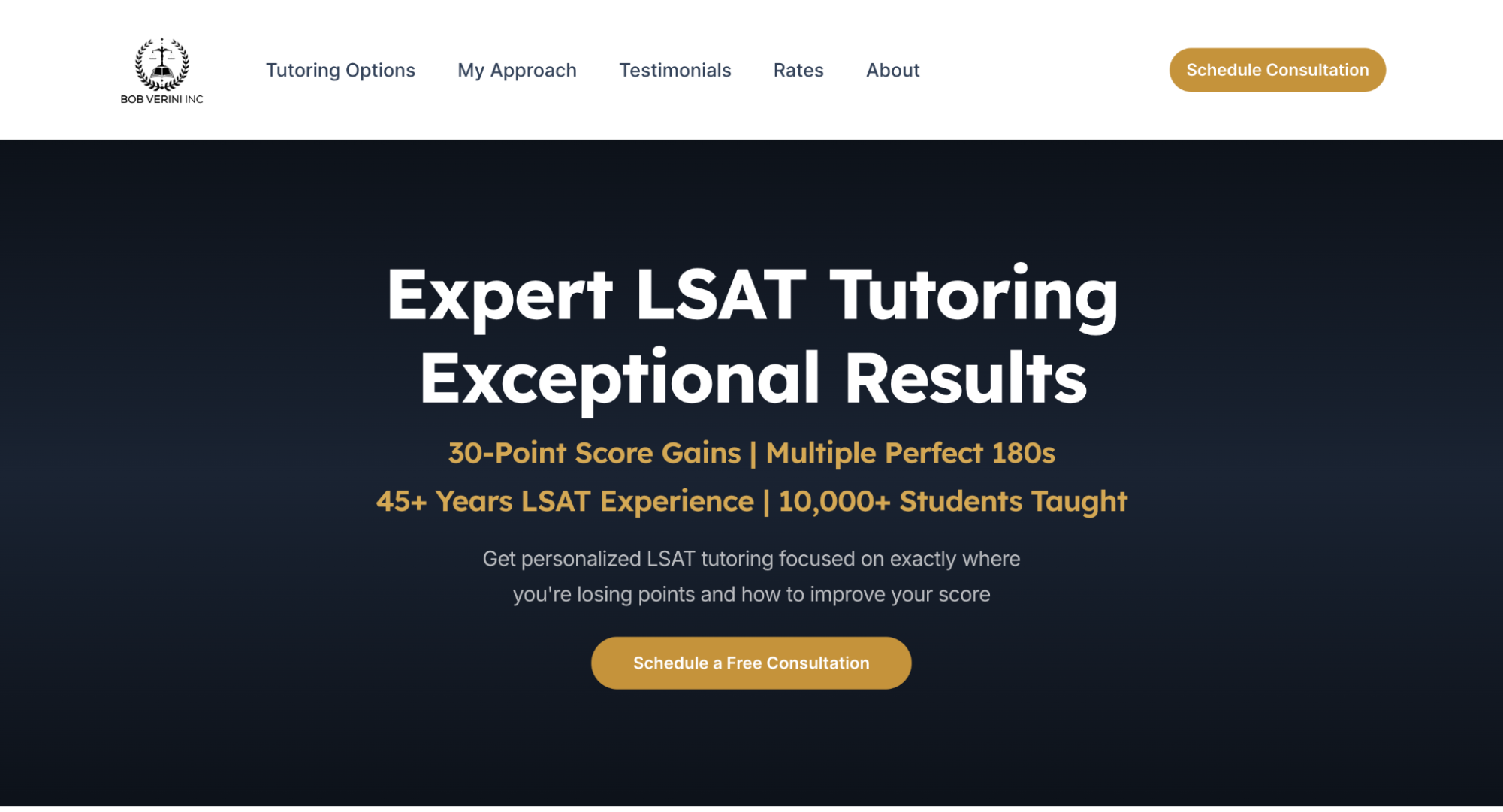
An elite private tutor who works one-on-one rather than through a test-prep company, with more than 45 years teaching the LSAT. He has taught over 10,000 students, coached multiple students to perfect 180 scores and others to increases of up to 30 points, and has scored a 180 himself.
One-on-one LSAT tutoring with Bob Verini costs $250 an hour by Zoom or $300 in person in the Boston area, after a free 15 to 20 minute meet and greet. Best for students who want one senior expert from diagnostic through test day.
2. 7Sage
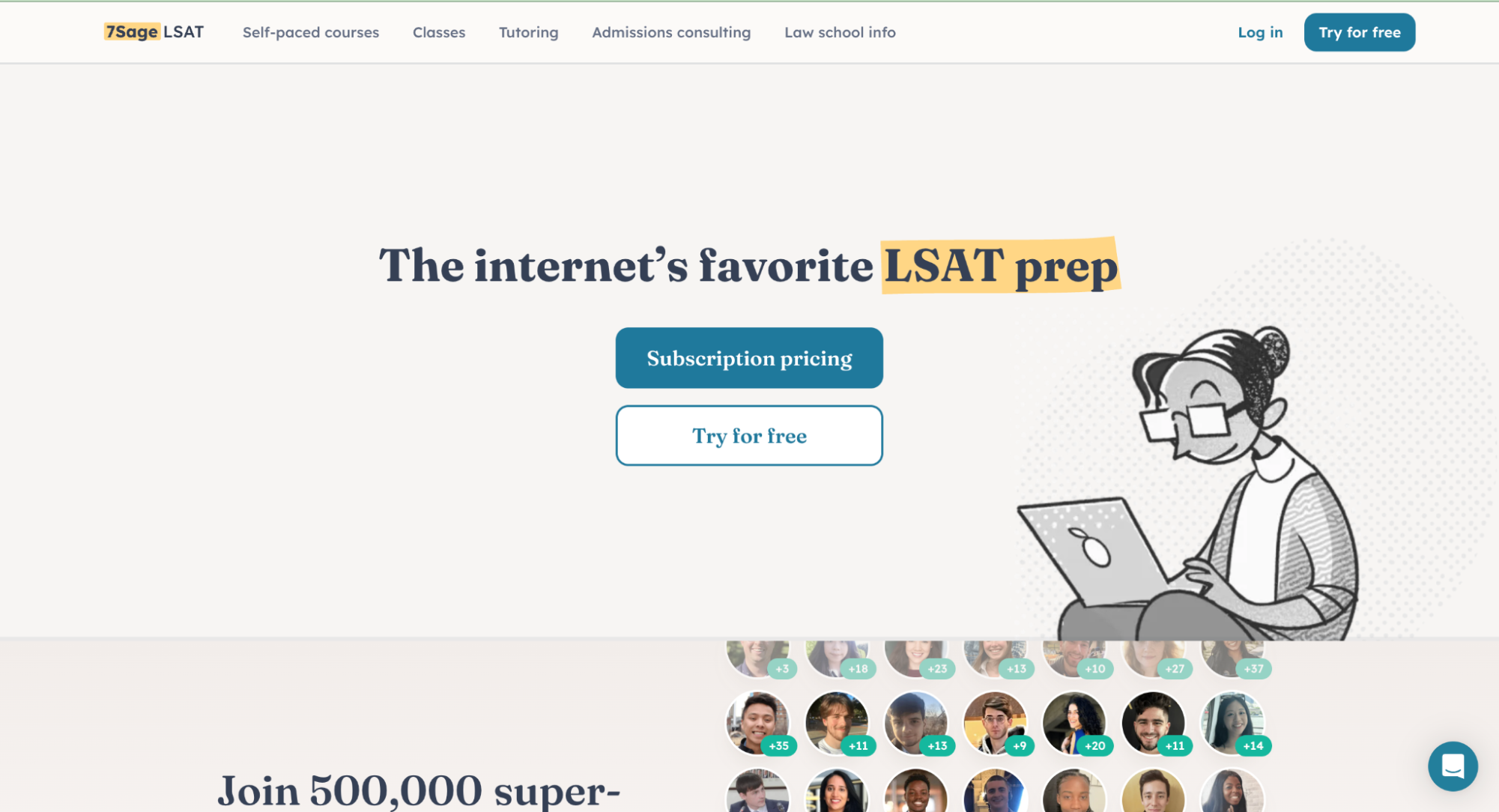
Pairs you with a dedicated 172-plus scoring tutor who works from your platform analytics, and every package opens with a free half-hour assessment. Packages run $2,399 for 10 hours, $4,399 for 20 and $5,999 for 30, with self-paced plans from $69 a month.
Unused hours are refundable within 14 days if you have used one hour or less, minus a 6 percent fee. Best for students who want to see their weak spots in data before paying to fix them.
3. LSAT Demon
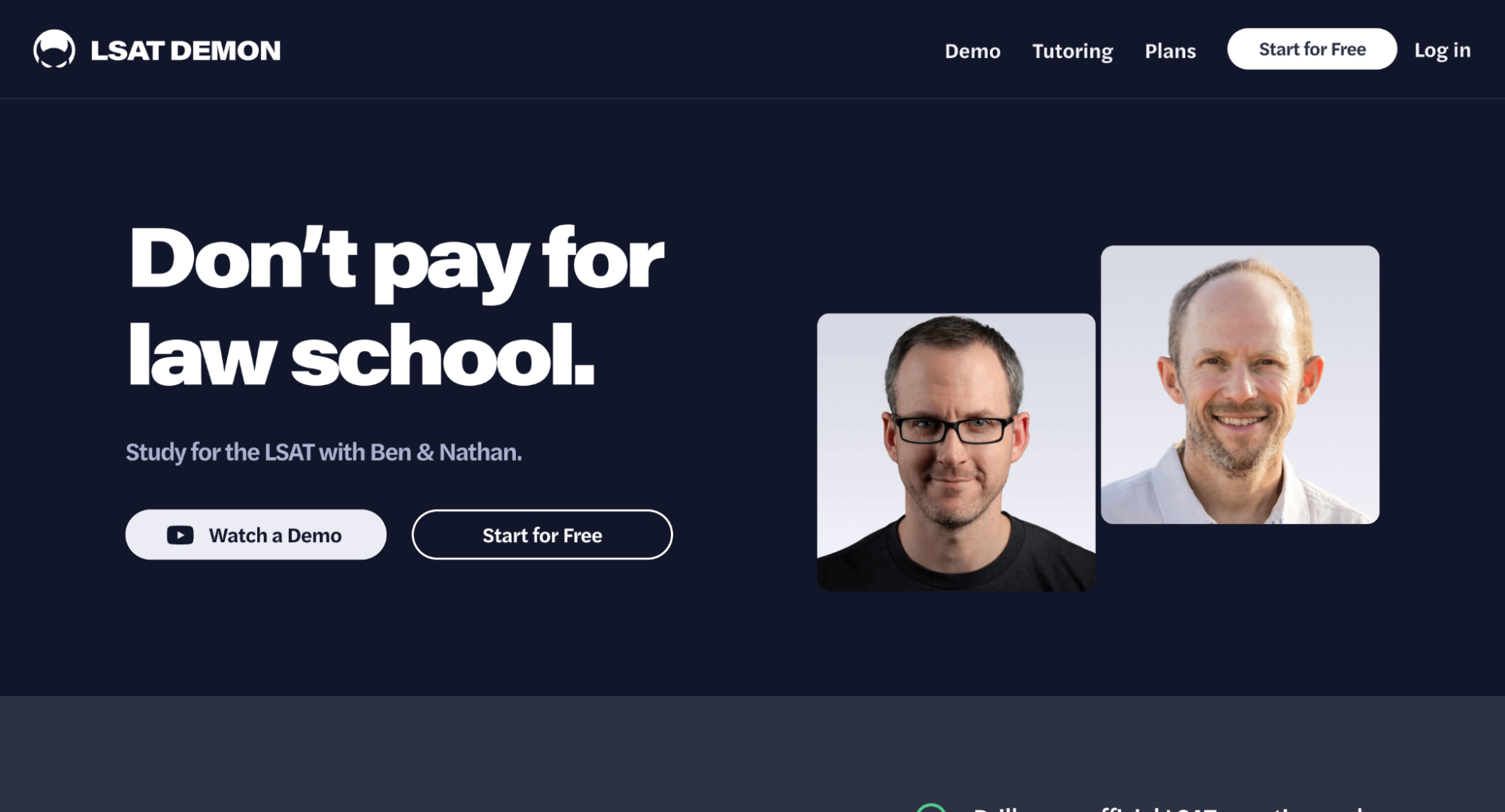
Prices tutors in tiers that start at $200 an hour and climb to $300 for master tutors, $600 for grandmaster tutors and $1,200 an hour for the cofounders. Every tutor has scored 170 or higher.
No paid subscription is required to book one, though the $499 Pro plan bundles two one-hour sessions a month with the Live plan. Best for students who respond to blunt feedback and a high volume of timed drilling.
4. PowerScore
The cheapest published rate here at $175 an hour, with a two-hour minimum on a first purchase and packages at $800 for 5 hours, $1,500 for 10 and $2,800 for 20. Every tutor has scored 170 or above on an officially administered LSAT.
Open-ended hourly sessions exclude the online practice platform and materials that come with the packages. Best for students who need two or three sessions on one stubborn question type.
5. Blueprint
Sells bundled programs rather than loose hours, with Core from $2,699, Premium from $4,199 and a 170-plus package from $4,799, all excluding the required $124 LawHub fee. Course access is included in every tier.
Core and Premium buyers who meet the eligibility conditions and do not improve receive five complimentary hours with a senior tutor. Best for students who want a written guarantee attached to the purchase.
6. LSATMax
Charges $199 an hour for custom hours, with packages at $1,519 for 8 hours, $2,799 for 16 and $4,079 for 24, each including a free half-hour assessment and a stretch of course access. Tutoring is delivered by 99th percentile scorers only.
A first session is currently offered at $49, which makes testing the fit cheap. Best for students who do most of their studying on a phone between classes.
7. Kaplan
Sells tutoring in 10, 20, 30 and 40 hour bundles that include its Live Online course, so classroom instruction and one-on-one time come in one purchase. Prices load dynamically rather than appearing on the page, so you will need a quote.
Its 170-plus Course and Premium Tutoring carry a money-back guarantee tied to a 170 score or a 10-point increase. Best for students who want structure and personal attention without buying both separately.
8. Wyzant
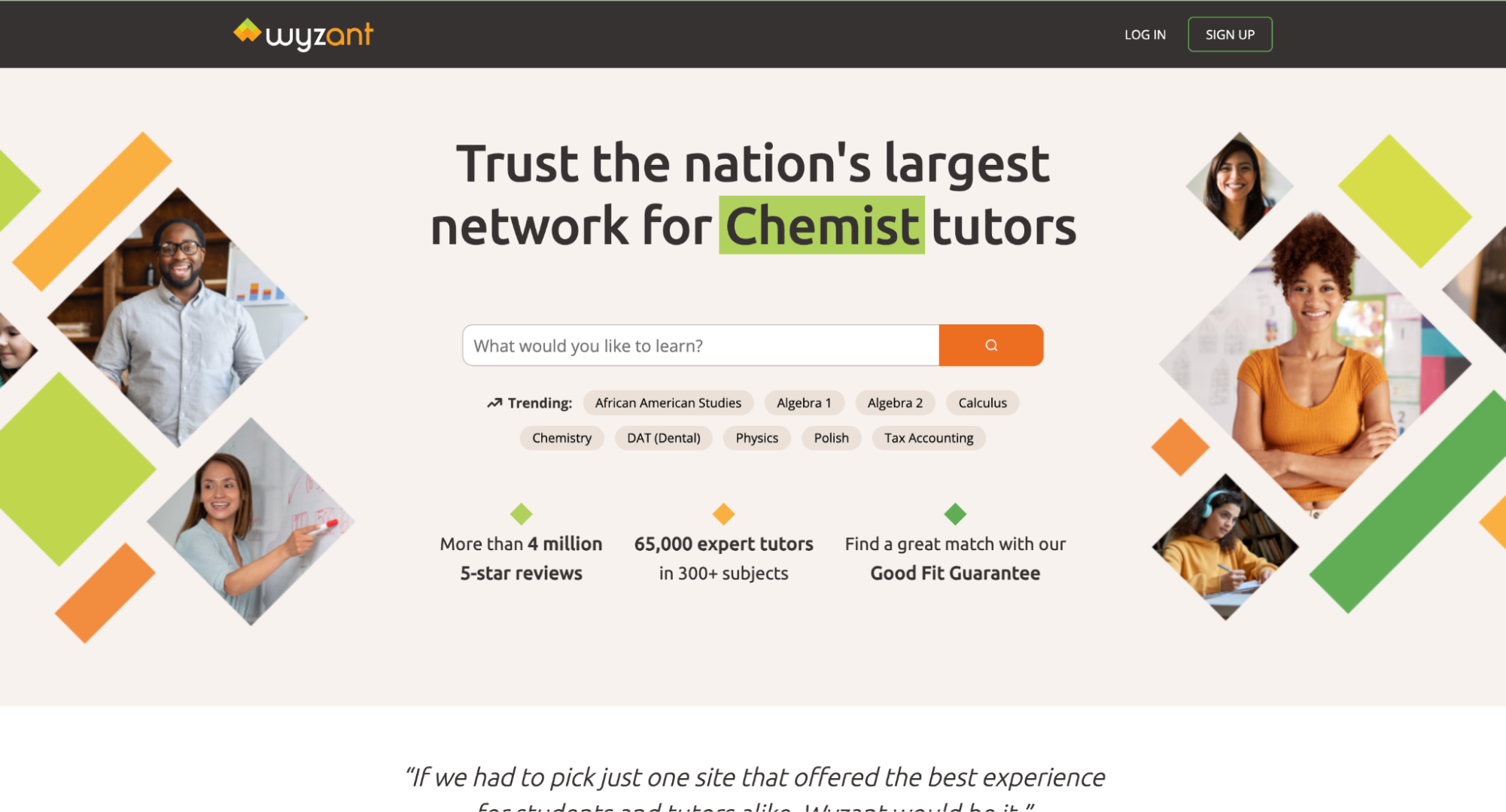
A marketplace rather than a prep company, where independent tutors set their own rates and you pay lesson by lesson with nothing to commit to up front. The Good Fit Guarantee makes your first hour with a new tutor free if you are not satisfied.
Quality varies widely, so check each tutor’s verified score and review history before booking. Best for students who need occasional help and cannot justify a four-figure program.
What this actually costs, and when to buy
Buy hours against a diagnosis, not a feeling. Take a timed practice test, log which question types are bleeding points, then buy the smallest block of hours that fixes the pattern you found.
The math favors mixing. An hour with a senior tutor can cost more than a month of a self-paced subscription, so pairing a cheap platform with a few one-on-one hours often beats a 30-hour package bought up front.
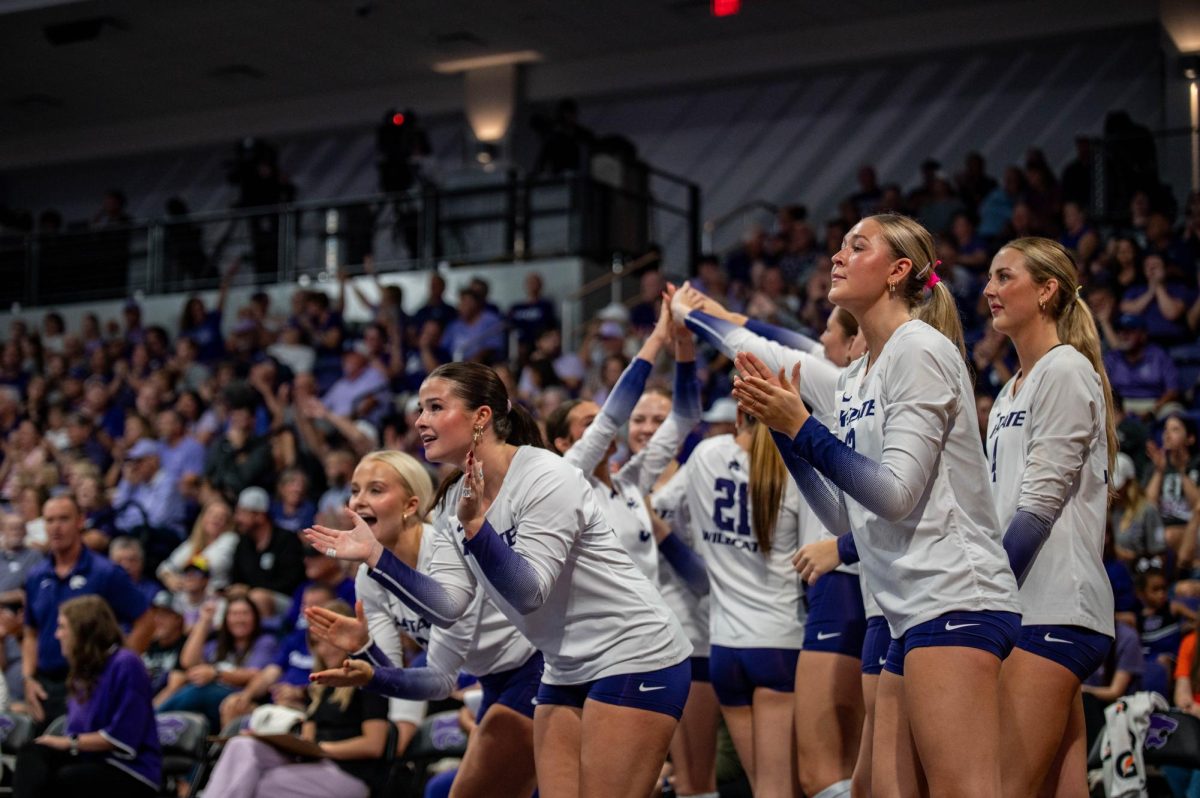
Timing matters as much as budget. K-State’s pre-professional advising center tells pre-law students to begin preparing for the LSAT well in advance, and tutors are far more useful once there is real timed data to read.
If your score already sits below the medians at your target schools, prep is not the only lever. Applicants dealing with low LSAT scores can strengthen the rest of the application while preparing for a retake.
The bottom line
The right choice depends less on brand recognition than on what is actually broken in your prep. Plateaued scorers with a specific weakness get more from a few expert hours than from another full course, and students starting cold usually need structure first and one-on-one help second.
Whatever you pick, get the rate in writing and confirm what is included before the first session.
Frequently asked questions
How much does an LSAT tutor cost in 2026?
Published rates run from $175 an hour at the low end to $1,200 an hour at the top tier, and Kaplan quotes privately instead of publishing.
Can I buy just one or two hours?
Yes. Wyzant sells lesson by lesson, PowerScore sells hourly with a two-hour minimum on a first purchase and independent tutors generally book by the hour.
Do I still have to pay LSAC separately?
Yes. A LawHub Advantage subscription costs $124 a year, goes to LSAC rather than the prep company and is required by most programs.
Does the LSAT still include logic games?
No. The scored multiple-choice test now uses only Logical Reasoning and Reading Comprehension questions, plus one unscored section.
Is tutoring worth it if my score has stalled?
It usually is when the stall has a diagnosable cause, such as timing or one recurring question type, rather than a simple lack of study hours.