








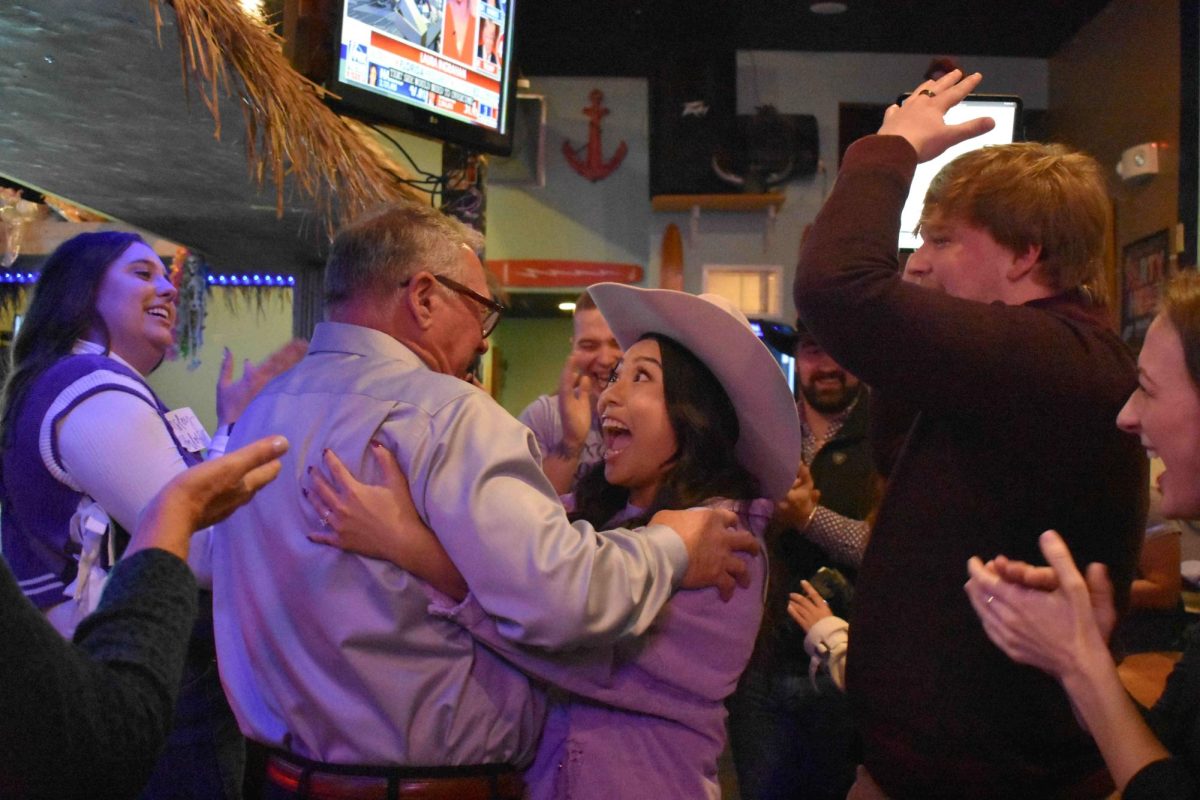
































































As Manhattan residents prepare to head to the polls, candidates from three local races repeatedly returned to the same concerns Tuesday night: rising costs, government accessibility and the role voters play in shaping local government.
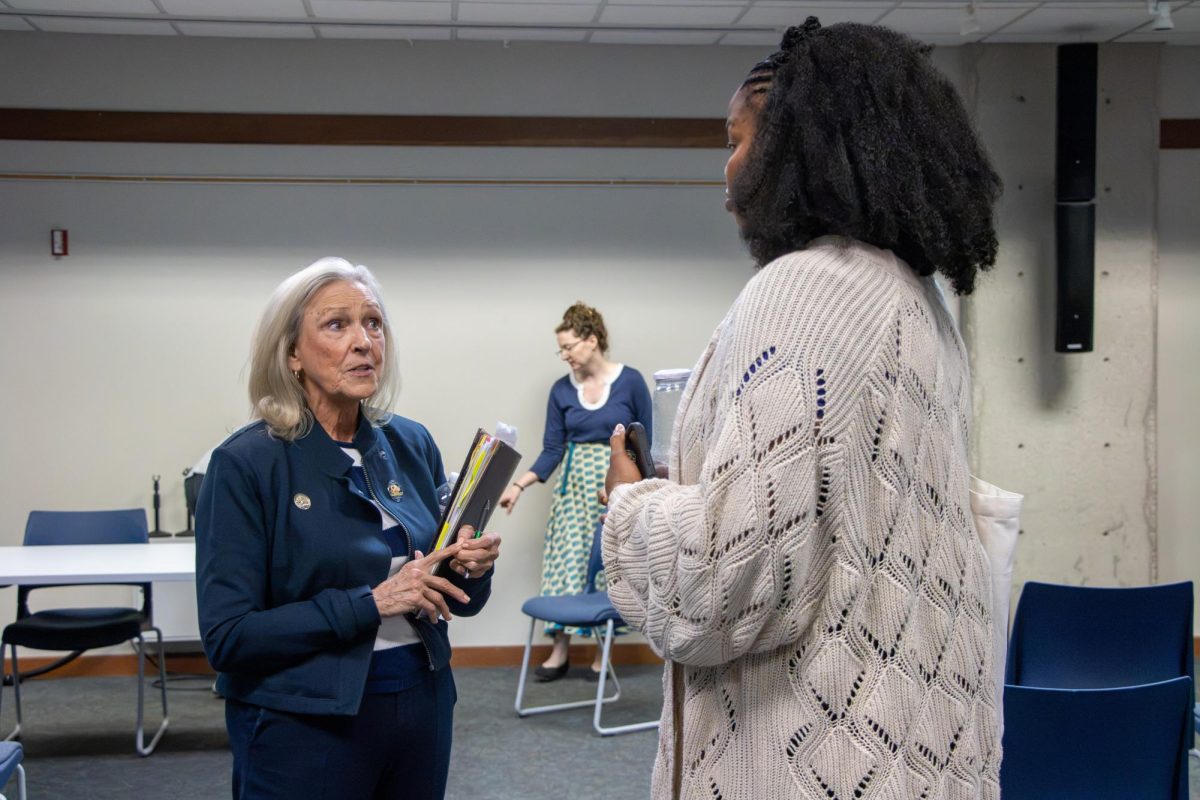
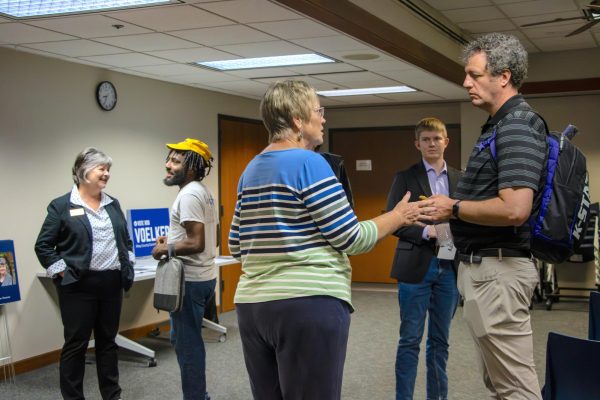
Indivisible MHK — a pro-democracy grassroots progressive organization founded in Manhattan — and the Manhattan branch of the NAACP co-organized the event. It touched on issues ranging from education funding to election law to government accountability. The event was also a continuation of the 2026 Town Halls series, which included events with Jennifer Day and Lauren Reinhold in September.
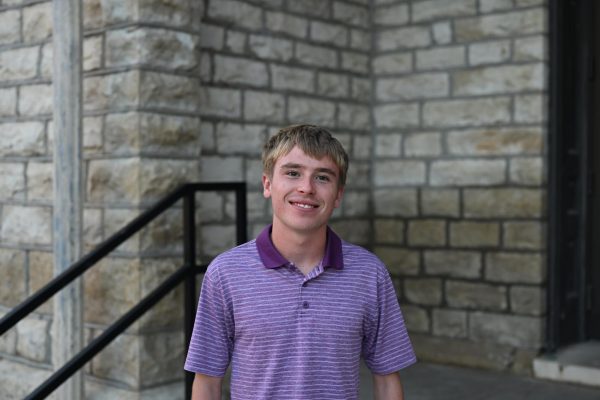
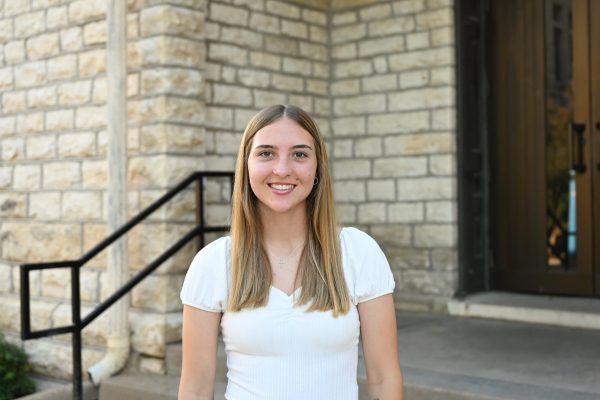
The forum featured Democratic Riley County Commission District 1 candidate Rob Voelker, Democratic House District 67 candidate Brenda Bandy, Democratic House District 66 incumbent Sydney Carlin, Libertarian House District 66 candidate Andrew Frey and Republican House District 66 candidate Noah Perry.
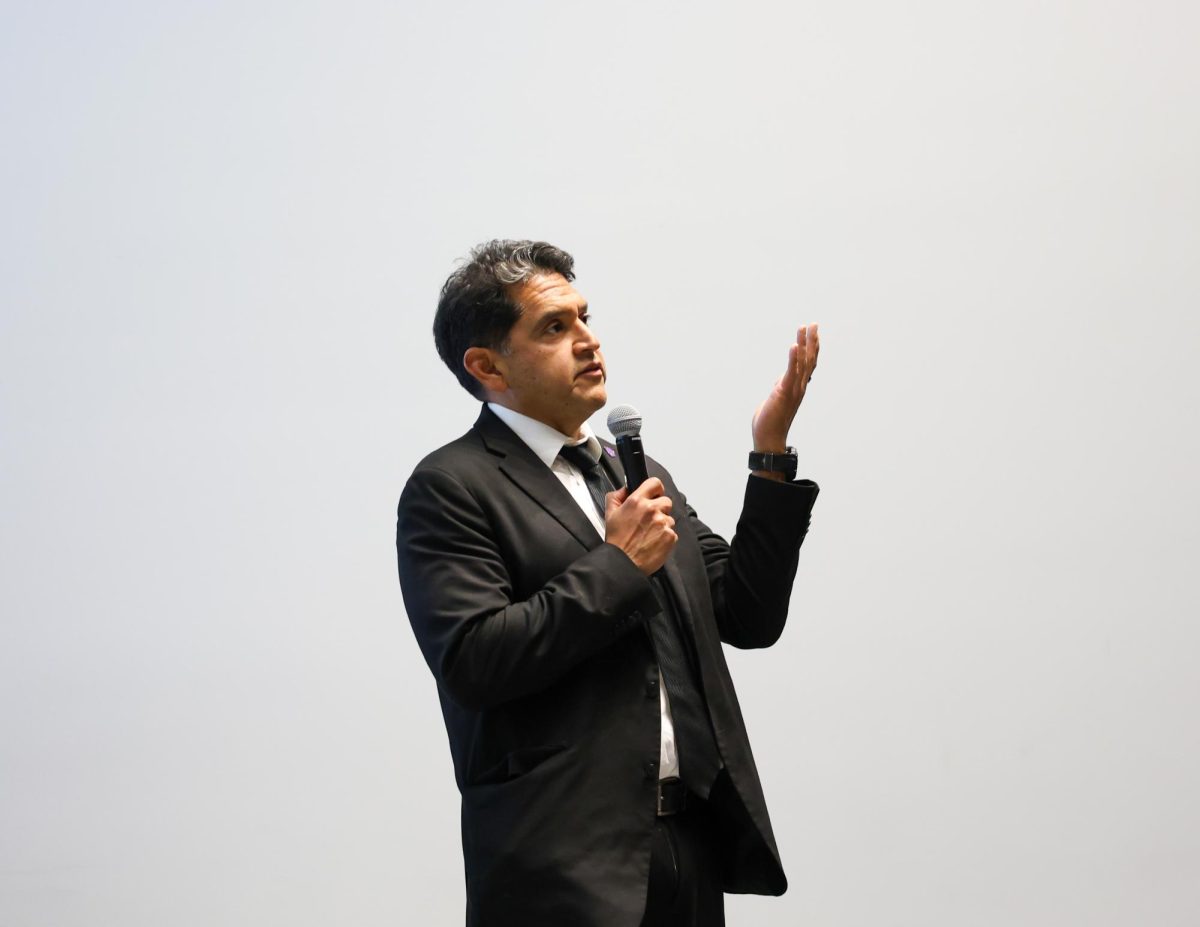
Organizer Philip Nel, Indivisible MHK board member and K-State university distinguished professor, said the forum’s primary goal was to encourage residents to become more engaged in local elections and government.
“We really just want to get people engaged in elections and in voting and in our civic responsibilities as citizens,” Nel said. “I think a lot of people think that their vote doesn’t matter, but it really does.”
Candidates frequently tied local concerns to broader discussions about government responsiveness and public participation.
Voelker said local offices often have a greater impact on residents’ lives than many people realize.
“The local races control what happens on your most basic level,” Voelker said. “Who you vote for does make a difference on things that do impact your lives.”
He said one of his priorities would be making the county government more accessible and responsive to residents.
“I want to be a public servant,” he said. “I think there’s a tendency the longer you’re in government to feel like you’re the boss, and that’s not how it should be.”
Property taxes and education funding emerged as recurring concerns throughout the evening. Bandy said these concerns routinely come up from voters, and that education funding is more important now than ever because it is an issue currently facing the legislature.
“I would say our school finance, because that is up for discussion every 10 years, and it’s coming up this session,” Bandy said. “I think we have to put that on everybody’s radar.”
The three candidates for Kansas House District 66 spoke together as part of a panel, and each offered their own priorities.
Carlin focused much of her answers on voting access and public participation in government. She criticized what she believes to be growing barriers to public involvement in the legislative process, and added that lawmakers must prioritize public input.
“The one-party system isn’t working for Kansas,” she said. “Many issues voters care about go unaddressed. We can’t cut the people out.”
Perry, who describes himself as a moderate Republican, emphasized child advocacy and community involvement as his main issues. During the forum, he pointed to property taxes and education as major concerns and highlighted support for Erin’s Law as his top priority, a proposal helping children recognize and report abuse.
“When you move to Manhattan, this is your home,” Perry said. “And as elected officials, it is our job to address concerns among people in Manhattan.”
Frey, meanwhile, said ranked-choice voting, civil liberties protections and a reduction in government spending are his main platform. He suggested eliminating “victimless crime laws,” including cannabis restriction, could lower policing and incarceration costs and thus reduce the tax burden on Kansans.
“I’m campaigning on lowering taxes,” Frey said. “And I’m doing that by deprioritizing and removing victimless crime laws.”
Despite their policy differences, candidates repeatedly centered their discussion on the importance of civic engagement and local participation.
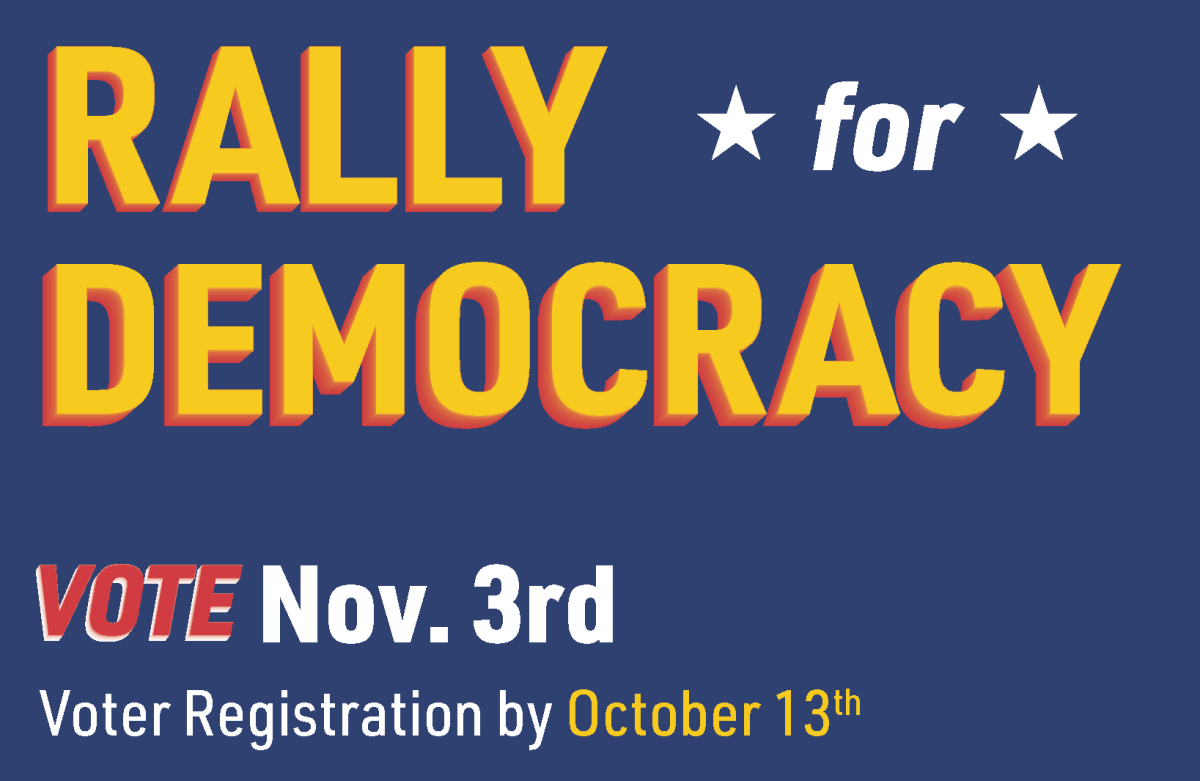
In Kansas, the deadline to register to vote or update your voter registration (including to change address to Riley County) is Oct. 13. Early voting through mail and in person begins Oct. 14, with the general election taking place on Nov. 3.
Nel said residents who want to influence local issues like taxes, education funding and government accountability should view voting as only one step in the process.
“You can’t do everything, but you can do something,” Nel said. “Figure out what it is you want to focus on, find the people who are working on that and get to work.”
In a forum focused on affordability, accessibility and elections, candidates from all parties came together to agree on one point: local government works best when the people it represents stay informed and involved.