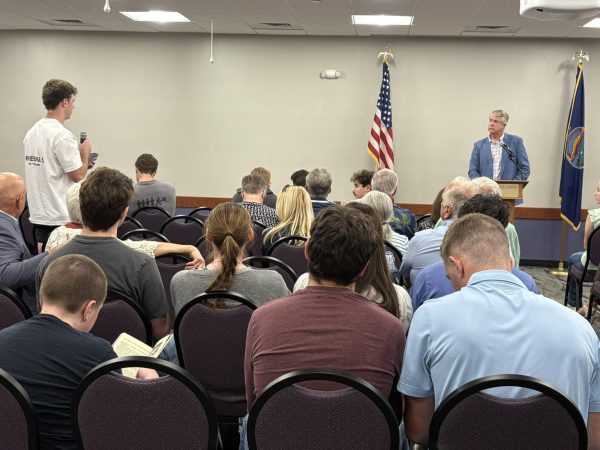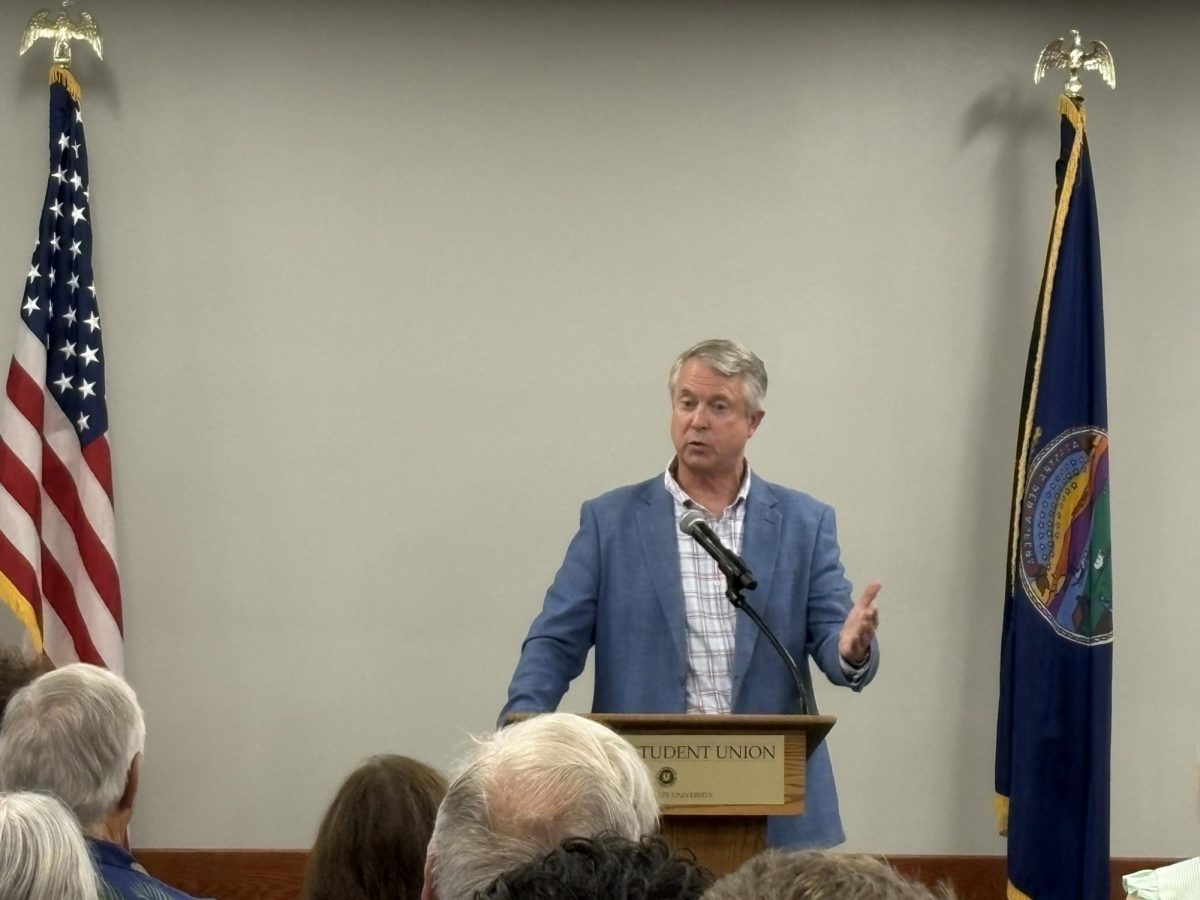

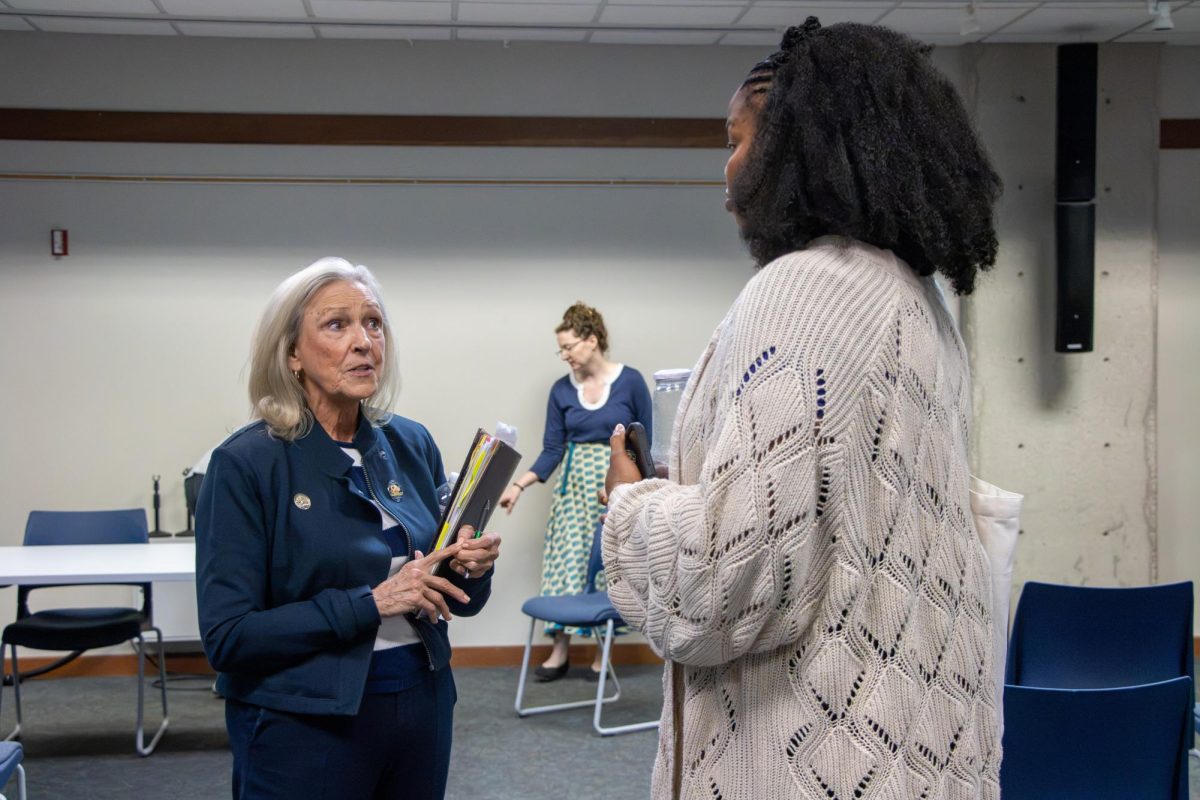



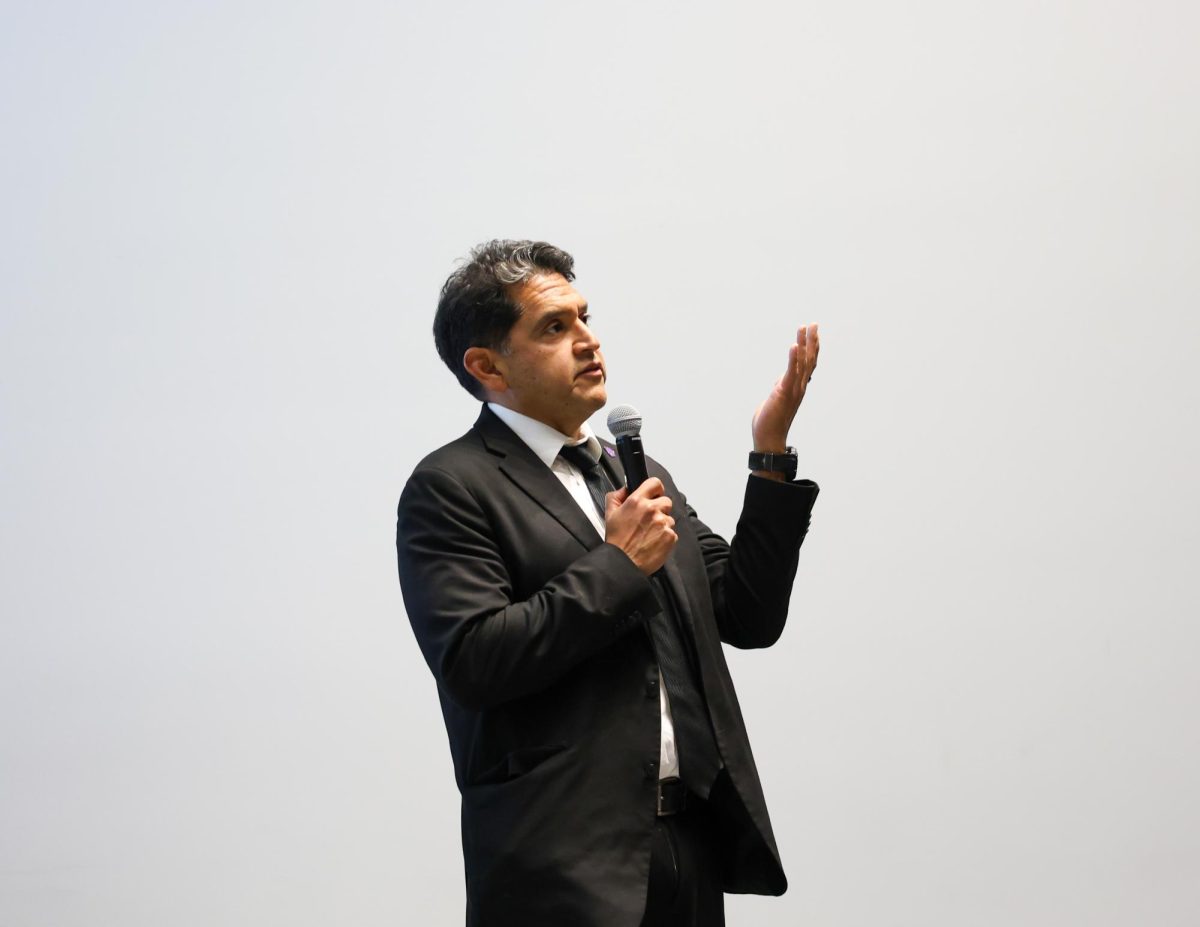


















































From housing costs and higher education to nuclear energy and foreign policy, K-State students and community members discussed a broad range of topics with U.S. Sen. Roger Marshall during an Oct. 8 town hall at the K-State Student Union.
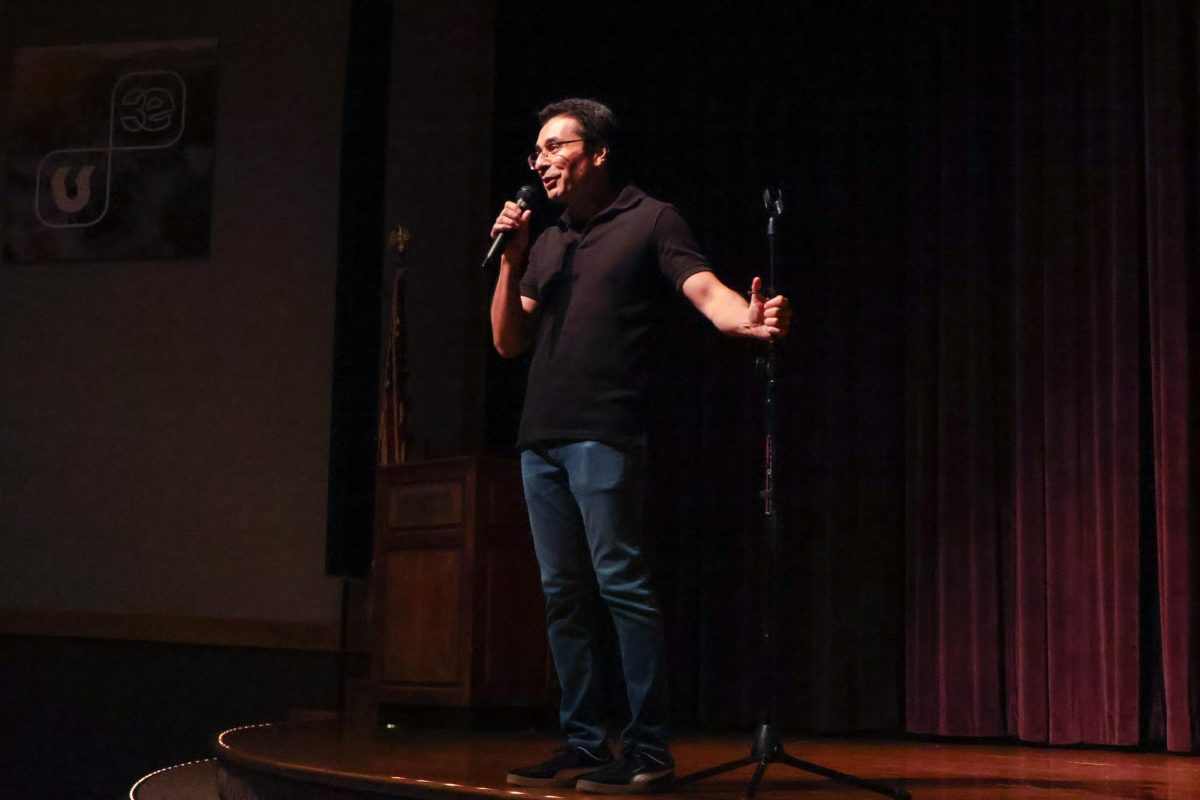
The K-State alumnus and incumbent Republican senator seeking reelection spent over 45 minutes engaging with the audience in a question-and-answer session after his prepared remarks. Marshall is running against Democrat Adam Hamilton for one of Kansas’ two Senate seats and used the town hall to emphasize his priorities and policies.
K-State Republicans, a student organization formed in 2026, hosted the forum as their first major event. It brought together students, community members and local officials.
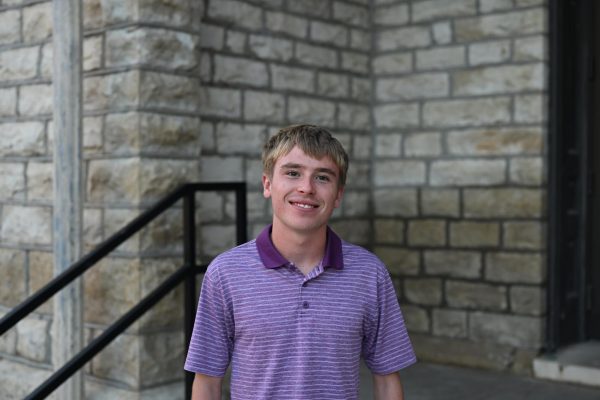
Noah Perry, junior in business pre-law, president of K-State Republicans and Republican candidate for Kansas House District 66, said the goal of the event was to provide an opportunity for students to interact directly with their elected officials.
“We were really looking for something big to kind of kick off our club,” Perry said. “I set a goal for my team: get a member of Congress to campus. And they got maybe the biggest one.”
Marshall began the event by discussing his childhood in Butler County, his experience as a first-generation college student and medical career as a physician before shifting to national issues and the upcoming midterm election.
Marshall said the issues driving voters for these elections are safety, economic opportunity and quality of life.
“What Kansans told me they want, and number one is, of course, a safe family,” Marshall said. “That and a good job are really important to Kansans.”
Marshall also outlined what he believes is most important about the Republican Party ahead of November.
“Secure borders, strong military and lower taxes,” Marshall said. “That’s our core pillars, and that’s what [the Republican] Party represents.”
Marshall concluded his prepared remarks by contrasting the Democratic and Republican Parties and their beliefs before opening the floor to audience questions on issues affecting both Kansas and the nation.
During an exchange about homeownership, Marshall said inflation, regulations and housing supply are the key factors contributing to rising costs, and that reducing barriers to development could make housing more affordable for young Kansans. Education generated some of the most detailed discussion, with audience members questioning Marshall on special education services, college costs and the role of the federal government in education.
Other attendees asked about tariffs, election integrity and the future of energy production amid environmental regulations. Marshall discussed the potential of small modular nuclear reactors regarding energy needs and answered questions about the ongoing conflict in Iran and broader instability in the Middle East.
Brooke Evans, junior in pre-veterinary medicine, said the discussion around agriculture and rural communities stood out the most.
“Two things stood out to me: Senator Marshall’s support for the Farm Bill and his medical knowledge,” Evans said. “As someone from a rural, agricultural background, I understand how important agriculture is to our economy and our ability to feed the country. It was also good to know that he is a supporter of rural schooling and working to provide means to the students there so that they can compete with the larger districts.”
Evans said she attended the event because of the opportunity to hear directly from a sitting U.S. Senator about policy.
“It’s an honor to get to hear a U.S. Senator speak,” Evans said. “Why would I not go?”
Although she did not attend with specific questions, Evans said she would have liked to hear more about the Farm Bill and its effects on Kansas farmers and ranchers.
“Agriculture is personal to me because I come from a farming family,” Evans said.
Perry said he hopes students take advantage of similar opportunities in the future to connect with elected officials.
“Instead of making [students] go there, why not bring politicians to us, bring them to the students?” Perry said. “Just that opportunity to be that close, to be in the room with them and interact with them, is a huge help to students to realize they’re not in some far away place.”
Organizers expected a more contentious discussion given the race’s competitiveness, Perry said.
“We actually expected to have a lot more anger towards and with the senator,” Perry said. “What we ended up seeing was kind of not what we expected.”
Looking ahead, Perry said students interested in politics and public service or connecting with elected officials who represent them need to do one key thing: take advantage of opportunities.
“The main thing you have to do is show up,” Perry said. “We provide the opportunities. You have to be there to accept them.”