














































































































College is one of the few places where you can meet a robotics enthusiast, a spoken-word poet, and a future environmental lawyer all in the same afternoon. Beyond lectures and assignments, it offers a real chance to explore who you are and what you care about. Getting involved outside the classroom is one of the most direct ways to make that happen.
Walking into a new social environment is not always easy, though. Some students arrive on campus not knowing a single person. Others feel unsure about where their interests fit. The good news is that no one needs a packed schedule or an outgoing personality to build a meaningful experience. Small, intentional steps go a long way.
Explore Student Clubs and Organizations
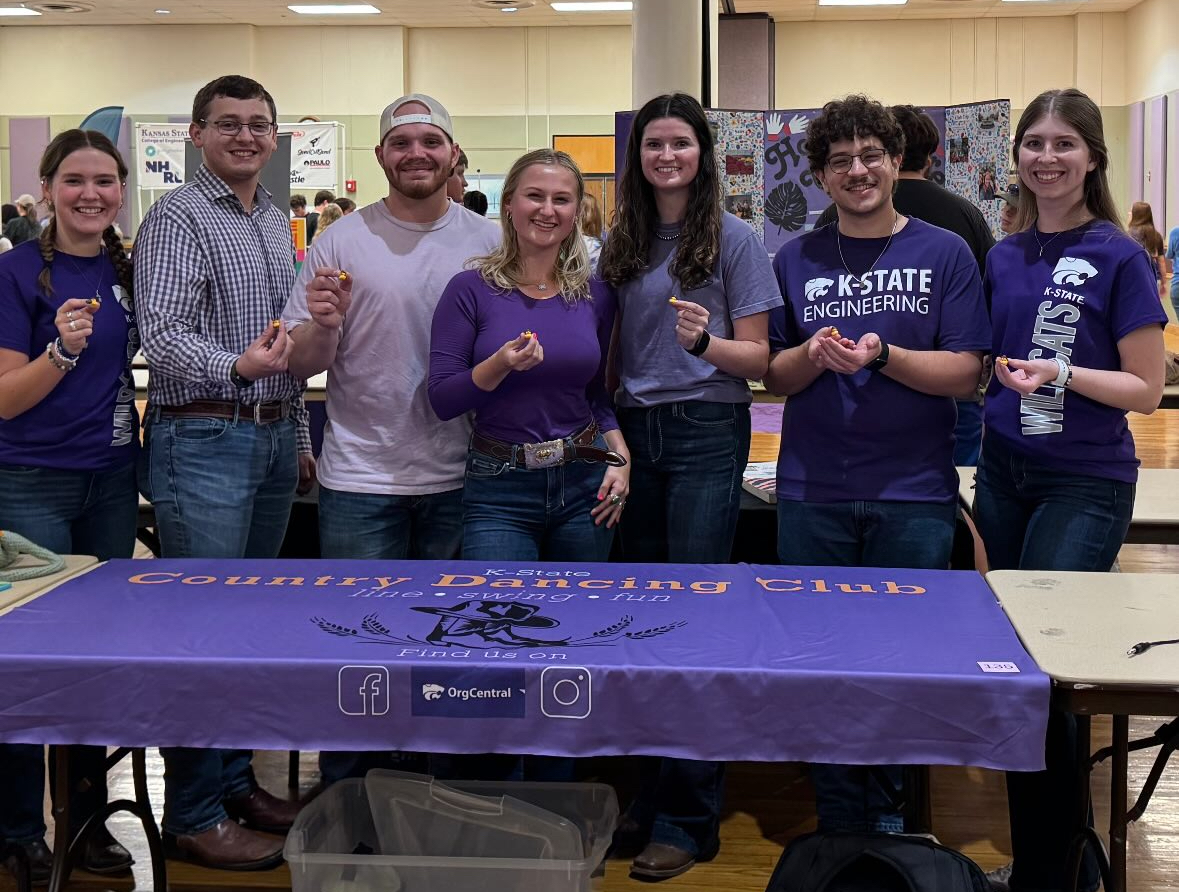
Most universities host dozens, sometimes hundreds, of registered student organizations. Arts groups, technology societies, cultural associations, gaming clubs, volunteer networks, academic honor societies: the range is wide enough that almost anyone can find a natural starting point. Attending a club fair or sitting in on an introductory meeting before committing is a smart approach. It costs nothing and gives a genuine sense of the group’s culture.
A Project CEO survey of more than 15,000 students from 40 schools found that co-curricular activities have a larger impact than any other outside-the-classroom opportunity on building the work skills employers value most. That alone makes joining a club worth considering, even for students focused on career preparation above all else.
Building Skills Through Participation
Club involvement builds communication, cooperation, and leadership in ways that classroom work rarely does. Running a meeting, coordinating an event, or managing a group budget all translate directly to professional life. And students often walk away with skills they did not realize they were developing while they were busy developing them.
Shared Identity and Group Traditions
One of the best parts of joining a club is how quickly you can start feeling like you belong. Over time, members develop inside jokes, regular events, and traditions they look forward to sharing. Some clubs also build that sense of connection through matching gear. Wearing customized hoodies with a club’s name or logo, matching T-shirts, club stickers, or accessories featuring the group’s design are simple ways for members to show they’re part of the group. These details may seem small, but they can make the club feel more personal and give members a visible reminder of the experiences they share.
Trying More Than One Group
There is no rule that says a student must commit to the first club they visit. Sampling two or three different organizations at the start of a semester is a practical way to figure out which environment actually fits. Some groups are welcoming from the first meeting. Others take time to warm up. Giving a few options a genuine chance leads to better decisions than picking one and hoping for the best.
Attend Campus Events and Make the Most of Student Activities
Campus programming covers a lot of ground: concerts, film screenings, cultural festivals, guest lectures, intramural watch parties, welcome-week mixers. These events offer something clubs do not always provide, which is low-pressure social contact. Showing up does not require a prior commitment or a relationship with anyone in the room.
University event calendars, student newsletters, and campus social media pages are the easiest places to stay informed. Checking them once a week takes five minutes and keeps the options visible. Going with a classmate helps, but going alone is fine too. Familiar faces develop into acquaintances, and acquaintances develop into friends, mostly through repeated, low-stakes contact over time. That process is slower than it looks in movies and faster than it feels in the moment.
Find Ways to Volunteer and Give Back
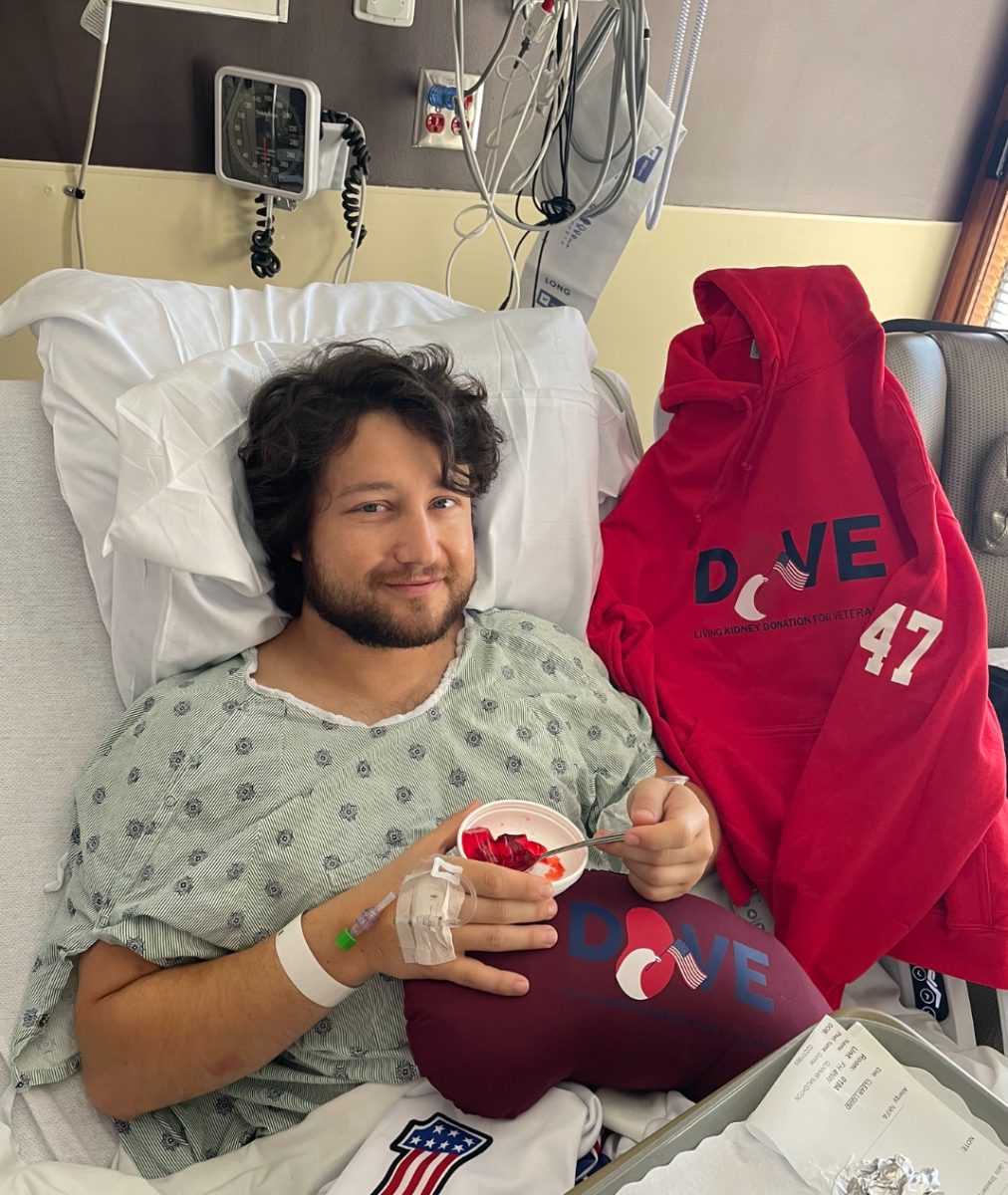
Volunteering connects students to both the campus and the surrounding community. Food drives, environmental projects, peer tutoring programs, charity events, and neighborhood service initiatives all offer structured ways to meet people while doing something useful. Working toward a shared goal tends to create connection faster than casual conversation on its own, because the focus stays on the task rather than on the social dynamic itself.
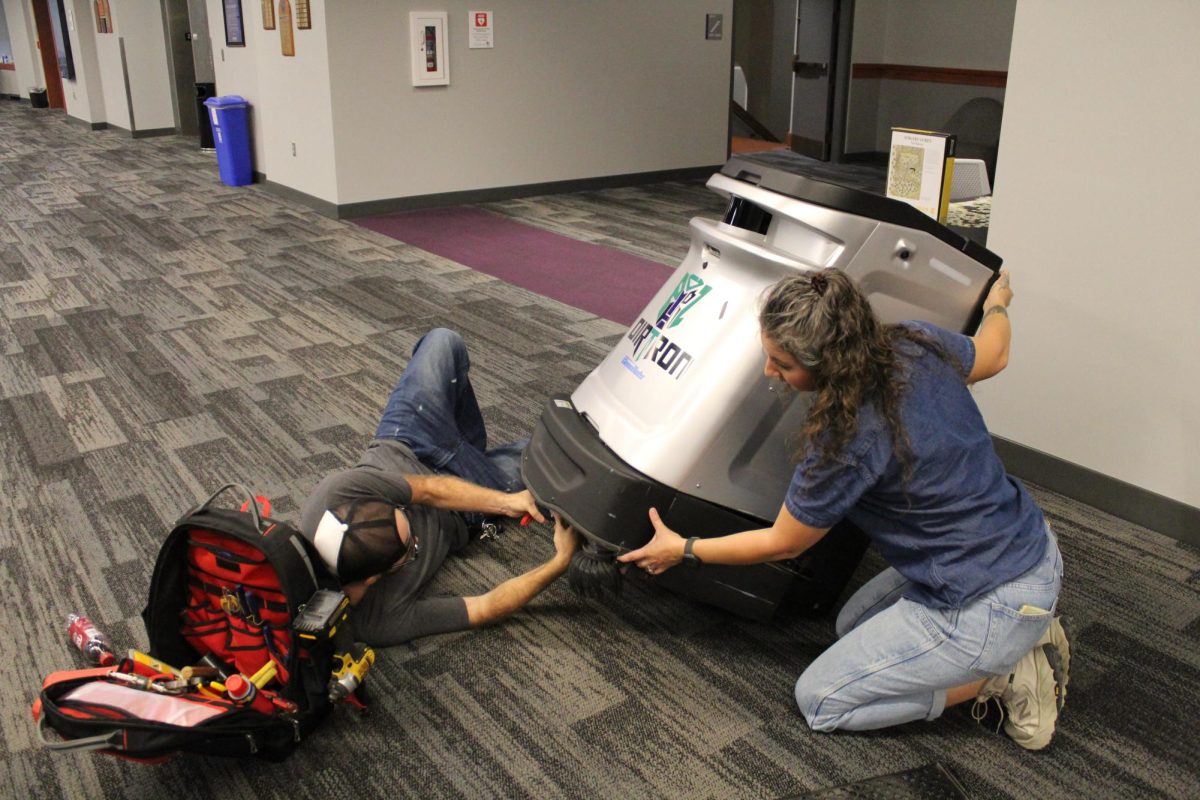
The practical skills gained through volunteer work are worth noting too: organizing logistics, cooperating with people from different backgrounds, solving problems under real conditions. These carry over into academic and professional settings. Choosing causes that genuinely matter to you keeps the whole thing from feeling like an obligation you’re grinding through.
Get Involved in Campus Sports and Recreation
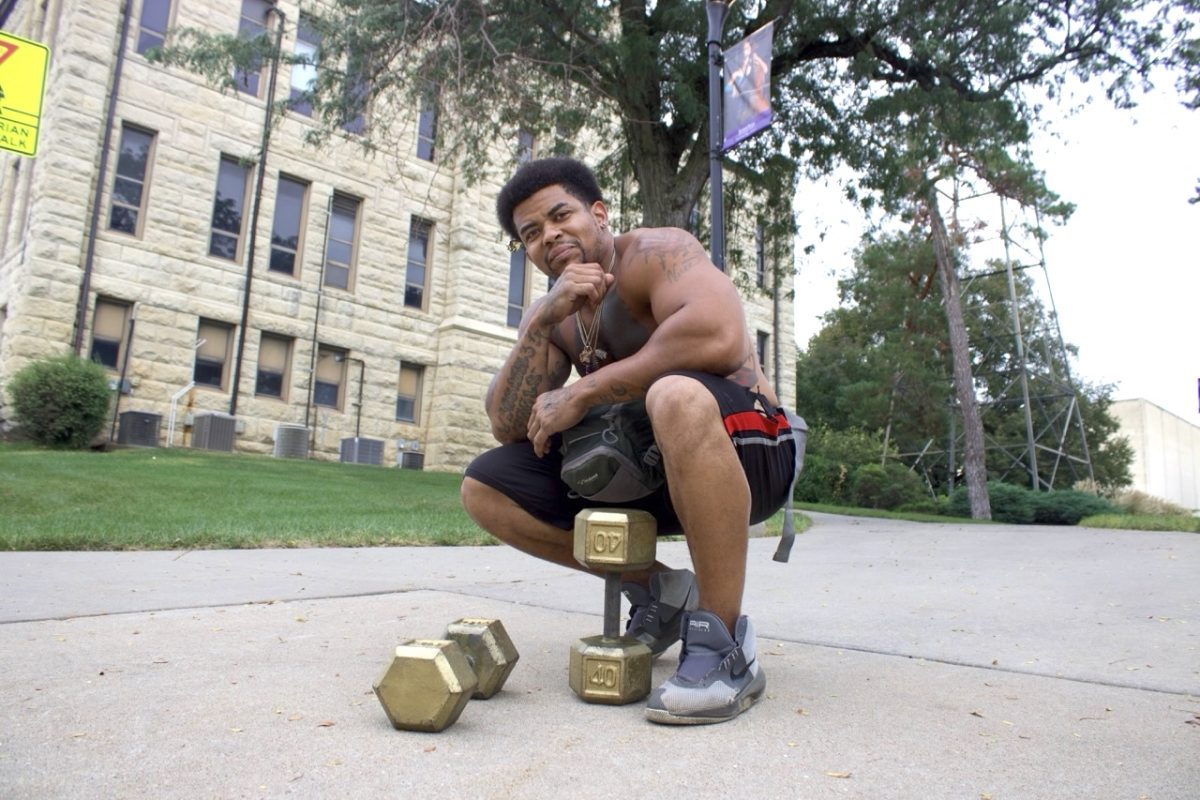
Campus involvement does not begin and end with formal organizations. Intramural sports, recreational fitness classes, hiking clubs, dance sessions, and informal game nights are all legitimate entry points. Most of these programs are built for participation, not performance, so prior experience is rarely required.
The social value of recurring physical activity is easy to underestimate. Showing up to the same pickup basketball game or yoga class every week means seeing the same people regularly, and regular contact is how most friendships actually form. Try a beginner session before committing to anything. Low stakes, useful information.
Build Connections Through Everyday Interactions
Not every meaningful connection starts with a formal activity. Introducing yourself to the person sitting nearby before a lecture, joining a study group, or suggesting coffee after class are all forms of campus involvement. They require almost no planning and carry no social pressure.
Being genuinely curious about other people’s experiences goes a long way. Asking a follow-up question, remembering a detail from a previous conversation, making an effort to include someone who seems to be on the periphery: these habits build social capital quietly and consistently. Friendships in college rarely arrive fully formed. They develop through repeated, ordinary moments that did not seem significant at the time.
Balance Campus Involvement With Academic Responsibilities
Every student carries a different set of obligations. Coursework, part-time jobs, financial pressures, family responsibilities, and personal health all compete for the same hours in a week. Joining too many activities at once is a reliable way to feel overwhelmed rather than connected.
Starting with one or two activities and checking how they fit into a realistic weekly schedule is a more sustainable approach. The goal is not to fill every free hour but to find a small number of commitments that offer genuine enjoyment, useful skills, or meaningful relationships.
Research on extracurricular participation finds it is positively related to students’ college experience, including sense of belonging and academic satisfaction, as well as outcomes like GPA and first-year retention. Quality of participation matters far more than quantity.
Setting limits is not a sign of disengagement. It is how students protect the space they need to do everything else well.
Give Yourself Time to Find Your Community
Not every club will feel right. Not every event will lead to a conversation worth having. An awkward first meeting or a quiet week is not a signal that something is wrong. It is just part of the process.
Trying different activities, giving promising connections room to develop, and staying open to unexpected interests are all part of how students eventually find their footing. There is no single correct path through college, and the experiences that end up mattering most are rarely the ones that were planned in advance.
Where to Start
Pick one thing and show up. One club meeting, one campus event, one volunteer shift, one conversation with a classmate. A connected college experience is not built all at once. It grows through participation, curiosity, and the accumulated weight of small, repeated efforts over time.