








































































Football, soccer, footy, “The Beautiful Game.” To many, it’s just 22 people kicking a ball around a grass field. But for billions of people worldwide, as Dani Rojas would say, “Football is life”
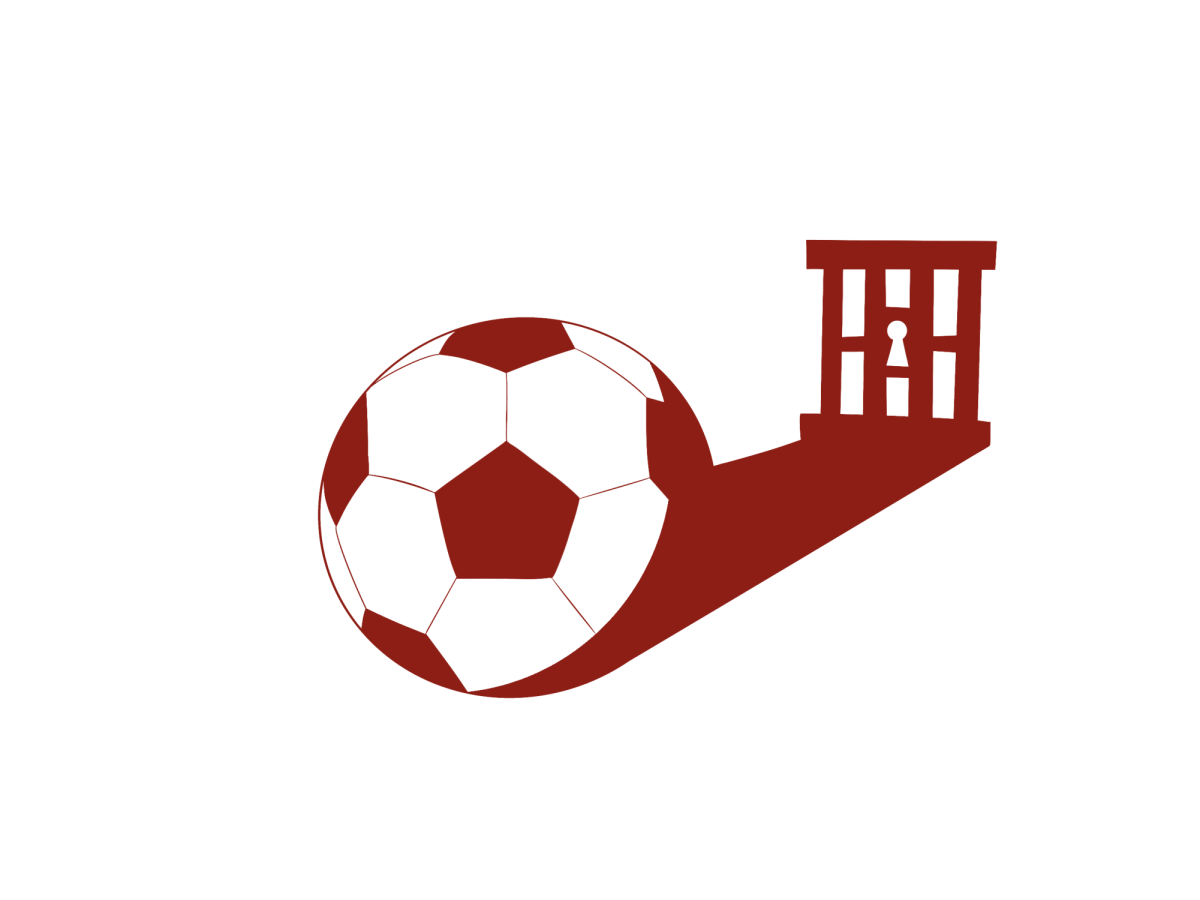
However, deep-rooted corruption in the sport’s governing bodies and clubs themselves plagues the game, which spans the globe and inspires billions.
Football unites communities and entire cities for 90 minutes, and once every four years it unites the world for six weeks as 48 countries battle for the ultimate prize: the FIFA World Cup. For us Americans, we got the privilege of having this great tournament in our backyard this year, with 11 cities hosting matches, including Kansas City, two hours east of Manhattan. This was the most-viewed World Cup, with FIFA reporting 29 billion views across social media and television and 6.8 million people attending games across the 16 cities.
It was also the most expensive, with The Athletic reporting that average group-stage tickets ran about $197 to $615, not including parking or later rounds of the World Cup. These prices made attending a game unattainable for many people outside the United States, drawing heavy criticism of FIFA and its president, Gianni Infantino.
Then, just nine days after the World Cup final on July 28, FIFA announced a plan to sell stakes in the World Cup to private investors, per CBS Sports.
The plan would have handed control of the men’s and women’s World Cup from a non-profit to a massive corporation, marking the first step toward privatizing the sport.
Within hours of the news breaking, the Union of European Football Associations (UEFA) released a statement condemning FIFA’s actions and announcing that all member nations would boycott any future FIFA tournaments if the plan went through.
The Confederation of North, Central America and Caribbean Association Football (CONCACAF) and the Asian Football Confederation (AFC) quickly joined UEFA in solidarity against Infantino’s plan. The final nail in the coffin was senior FIFA adviser Carlos Cordeiro’s resignation on July 31. That same day, FIFA scrapped the proposal, but UEFA’s call for Infantino’s resignation didn’t stop.
As the international break ended and club football resumed, more controversy and scandal followed.
After a three-year investigation and trial that began in Feb. 2023, Manchester City were found guilty on 115 charges of breaching English Premier League financial regulations from 2009 to 2018. The Abu Dhabi United Group acquired the club and used illegitimate funds to build a dynasty that won eight Premier League titles, four FA Cups, 7 League Cups and the 2022-23 Champions League title.
All of these trophies, and historic moments like Sergio Aguero’s dramatic stoppage-time goal against the Queens Park Rangers to win Man City’s first title in 44 years, are now overshadowed. Without the money, they wouldn’t have any of this, leaving teams like Liverpool or Arsenal feeling they were robbed of multiple league titles.
While Man City is actively appealing the 115 charges, the mob hasn’t stopped. People have called for hefty point deductions, fines, relegation and stripping all titles won over this period.
These aren’t the only cases of the deep-rooted corruption that plagues and destroys the game that billions cherish. It is moving from a game for fans to a game for the rich. Every kid who looks to the stars of the sport like Ronaldo, Messi or Neymar should be able to play without fear of being priced out or robbed. This is the world’s game, not the one percent’s, because football is life.
My passion is not your profit.