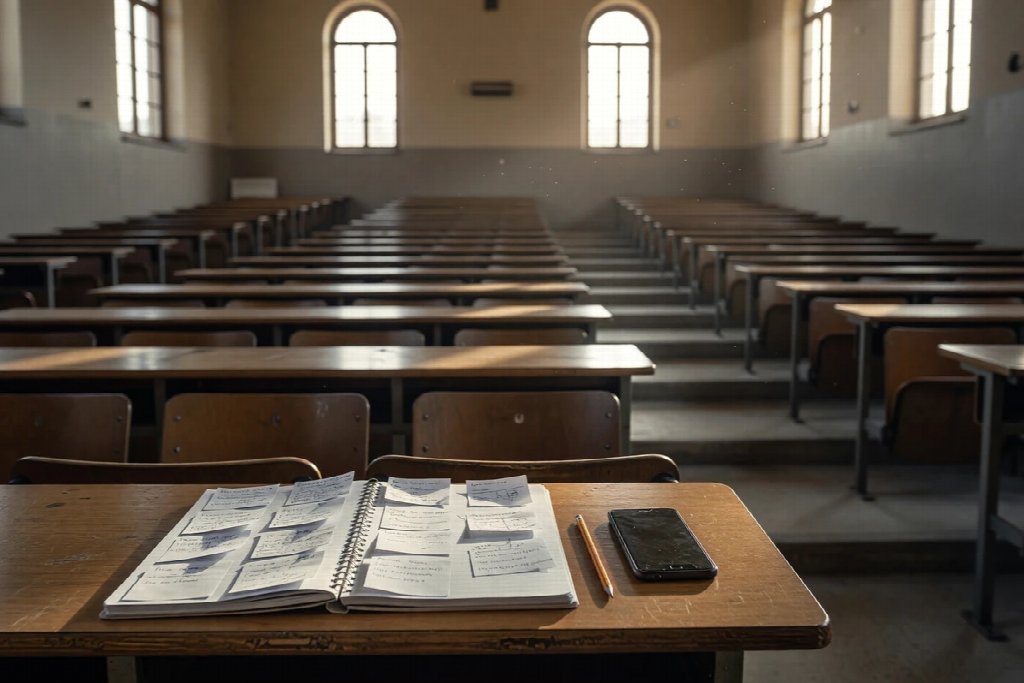



























































































































School pressure, relationships, sleep, finances, safety, and access to support shape student well-being. Students and mental health is a broad topic that includes everyday emotional stress and more serious concerns that may require professional care.
Anxiety, depression, isolation, and burnout can affect learning, relationships, and everyday routines. Schools and families can help by spotting warning signs early and connecting students with the right support.
Key Takeaways
- Student mental health can affect focus, attendance, relationships, sleep, and academic performance.
- Common warning signs include ongoing sadness, anxiety, withdrawal, sleep changes, and difficulty completing schoolwork.
- Schools can provide support through counseling, staff training, peer programs, crisis plans, and clear referral pathways.
- Students may need professional help when symptoms persist, become severe, or interfere with daily life, school, work, or relationships.
Why Student Mental Health Matters
Student mental health affects more than mood or classroom behavior. Emotional well-being can influence focus, attendance, motivation, relationships, sleep, and academic performance.
When distress continues, students may struggle to complete work, attend classes, or stay involved with friends.
Mental health also matters beyond the school years. Healthy coping skills and access to care can shape how young people handle stress in the long term. Early support may prevent smaller problems from becoming harder to manage.
Common Mental Health Challenges
Students can experience many emotional and behavioral concerns. Anxiety and depression are common, but some students also face trauma, eating disorders, substance use, or another mental health condition. Stress does not always mean a student has mental illness, and symptoms can differ widely.
Common warning signs may include:
- Ongoing sadness, worry, or irritability
- Changes in sleep or appetite
- Trouble focusing or finishing schoolwork
- Withdrawal from friends or activities
- Increased substance use or risky behavior
These signs can have many causes. Physical health conditions, family conflict, grief, stress, or emotional disorders may all play a role. A mental health professional can assess symptoms and suggest suitable next steps.
How School Can Affect Mental Health
School can create pressure through exams, deadlines, competition, social expectations, and uncertainty about the future. When considering how school affects students’ mental health, it is also important to account for bullying, poor sleep, financial stress, and isolation.
These pressures can affect students differently depending on their circumstances and available support.
School stress can also affect academic achievement. Students who feel overwhelmed may lose focus, confidence, or motivation. Supportive teachers, clear expectations, flexible resources, and access to counseling can reduce some of this strain.
Mental Health Across School Levels
Mental health needs can change between middle school, high school, and college. Younger students often depend on parents, teachers, or counselors to notice changes in behavior.
Older students usually have more independence but also face more personal and academic responsibility.
College students may deal with moving away from home, choosing a career, managing money, and balancing work with classes. Some also lose access to doctors or support systems they previously relied on. Clear pathways to mental health care can make it easier to ask for help.
Student Athletes Face Added Pressures
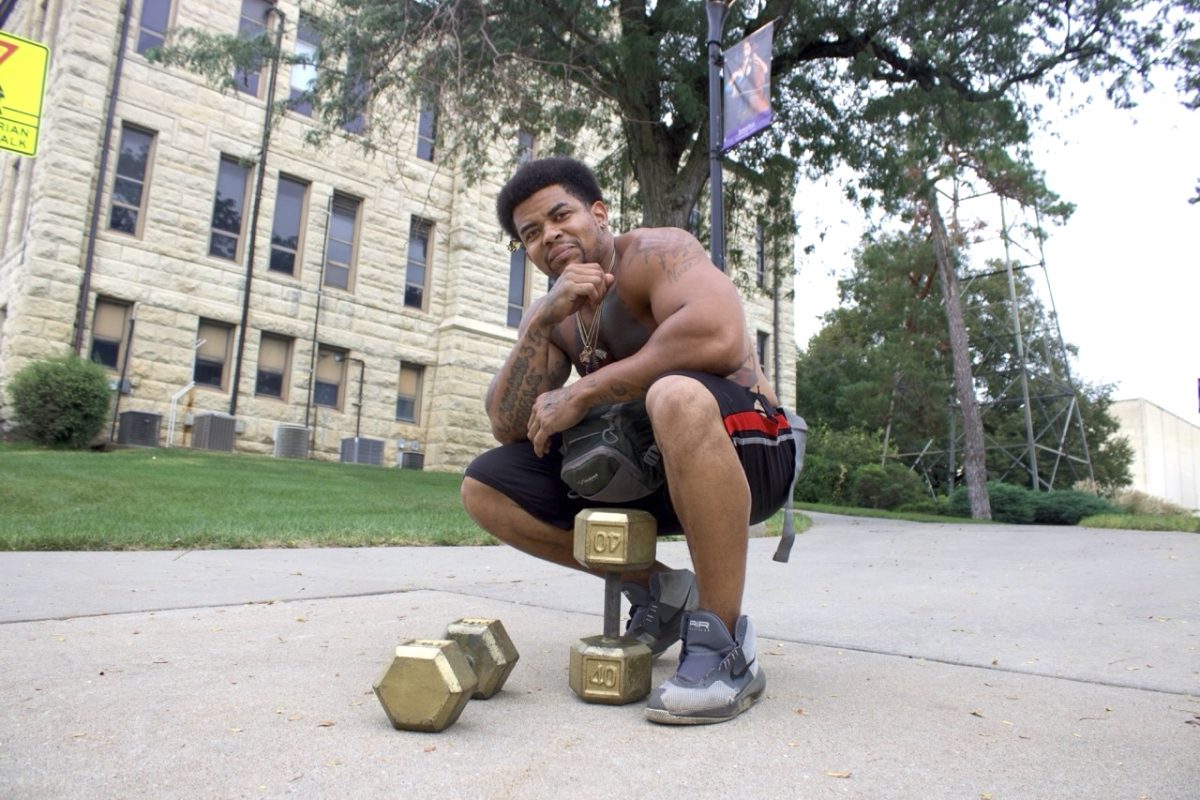
Student athletes and mental health deserve special attention because athletes often face both academic and performance-related pressures. College athletes may balance training, travel, schoolwork, competition, injuries, scholarships, and expectations surrounding performance. These demands can affect academic performance, sleep, stress levels, and athletes’ mental health.
Athletic programs can support mental health through simple, practical steps:
- Normalize discussions about emotional well-being
- Train coaches to notice warning signs
- Offer confidential counseling options
- Support athletes during injury recovery
- Refer students to qualified providers when needed
These steps can make mental health support easier to access and help treat athletes’ mental health as part of overall student well-being, not as a separate concern.
The Role of Social Media
Social media can help students connect with others and find useful information. It can also expose them to comparison, cyberbullying, sleep disruption, and upsetting content. The effect often depends on how students use these platforms and what they experience online.
Healthy habits can include limiting late-night use, muting harmful content, and taking regular breaks. Students should also learn to question online health claims instead of accepting them at face value. Schools and families can help by teaching safe and informed digital habits.
Mental Health Support in Schools
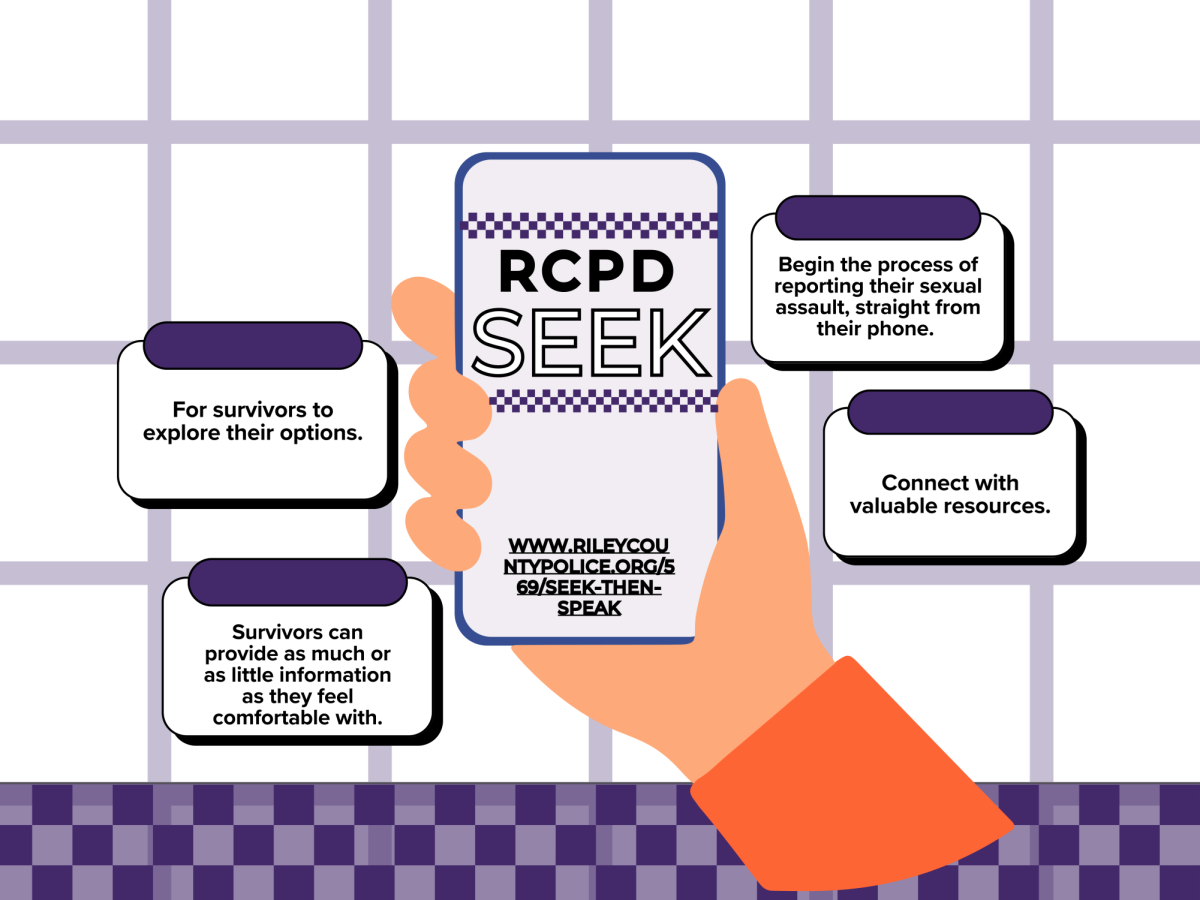
Effective mental health support in schools requires more than one counseling office. Students need clear ways to ask for help and understand what services are available. Support may come from counselors, psychologists, nurses, teachers, peer programs, and community providers.
Schools can strengthen their services through:
- Counseling and referral programs
- Staff training on common warning signs
- Peer support programs
- Crisis response plans
- Family and community partnerships
- Clear information about available services
These systems work best when students know how to use them. Schools should also protect privacy and refer serious concerns to trained professionals.
When Professional Support May Be Needed
Some students can manage short periods of stress with rest, exercise, social support, or routine changes. Others may need professional help when symptoms last, become severe, or interfere with daily life. Problems with sleep, school, work, or relationships can signal the need for more support.
Academic pressures can also contribute to student stress, particularly during major transitions such as college applications and admissions decisions. College admissions consultants such as CollegeCommit can help college students and families manage the planning side of the admissions process, while a qualified mental health professional should address mental health concerns that require clinical care.
The right type of care depends on the student’s needs, location, insurance, and available services.
Recognizing a Mental Health Crisis
A mental health crisis may involve severe distress, suicidal thoughts, dangerous behavior, or losing touch with reality. These situations need prompt attention, not routine follow-up. Students, families, and school staff should know what to do before an emergency occurs.
Useful crisis steps may include:
- Stay with the person when there is an immediate safety concern
- Contact emergency or crisis services when needed
- Remove obvious means of harm when it is safe to do so
- Inform suitable family or school support when appropriate
- Arrange follow-up care after the immediate crisis
Crisis care is only one part of the process. Ongoing treatment, academic accommodations, family support, and behavioral health services may still be needed afterward.
Building Better Student Support Systems
Schools can support mental health by making services easy to find and understand. Students should know where to access mental health resources, what services may cost, and whether care is confidential.
Clear information can reduce confusion and make seeking help feel more manageable.
Good support systems also involve teachers, families, coaches, administrators, and community providers. Staff training and clear referral pathways can help identify concerns earlier. These measures strengthen mental health support without expecting teachers or peers to act as clinicians.
Supporting Students Beyond the Classroom
Student well-being depends on more than academic demands. Relationships, finances, physical health, social settings, and access to care all influence emotional health. Schools can respond with counseling, prevention programs, staff education, peer support, and stronger links to professional services.
A complete approach should not focus only on grades or emergencies. Emotional well-being, safety, belonging, and access to care can affect both daily life and academic outcomes.
When students receive timely help, they are more likely to stay engaged and build healthier ways to manage future stress.