










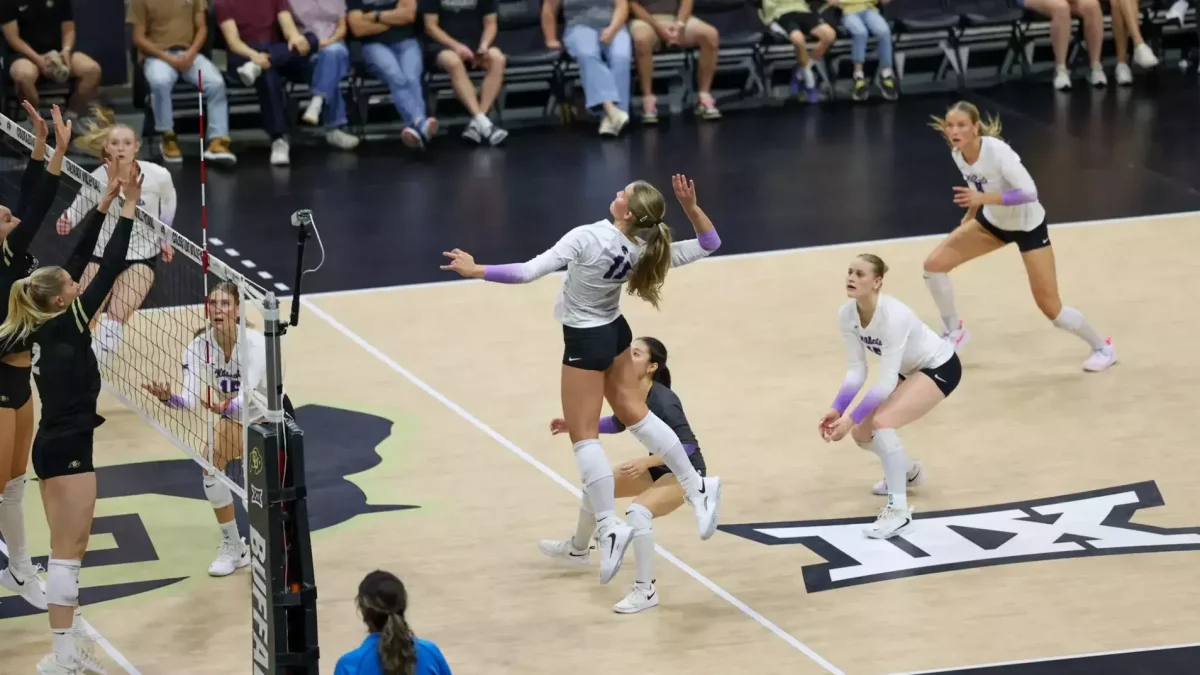
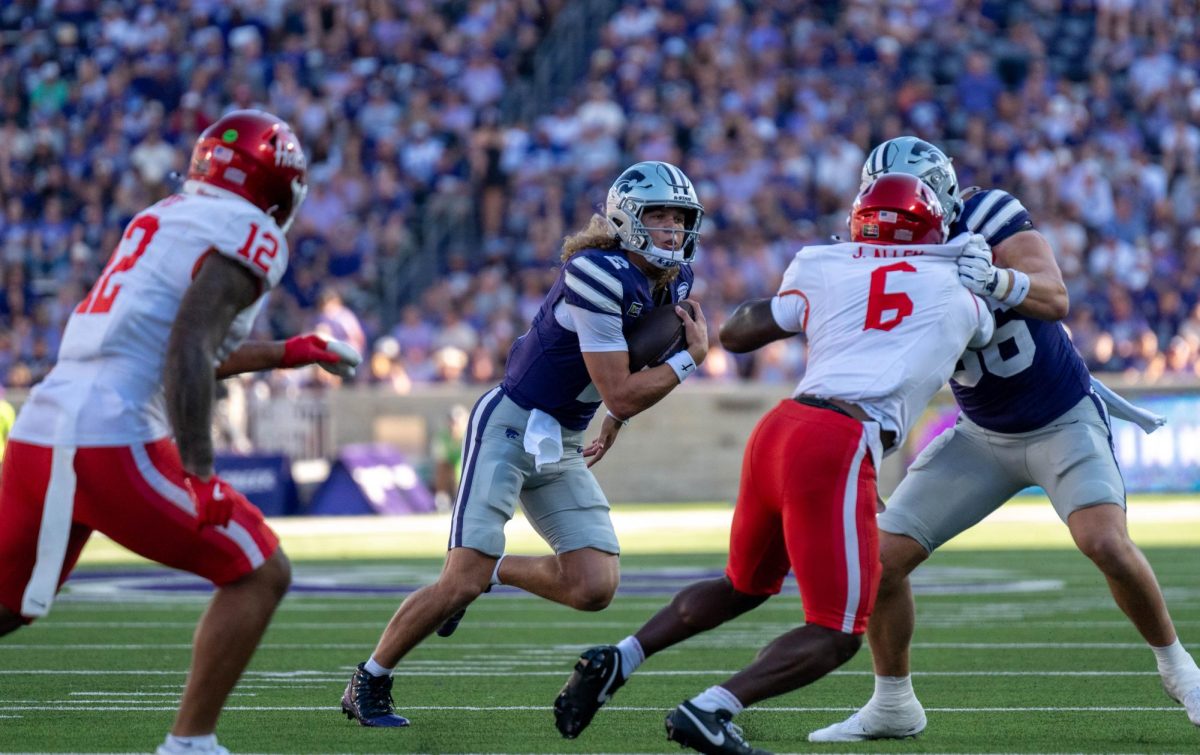
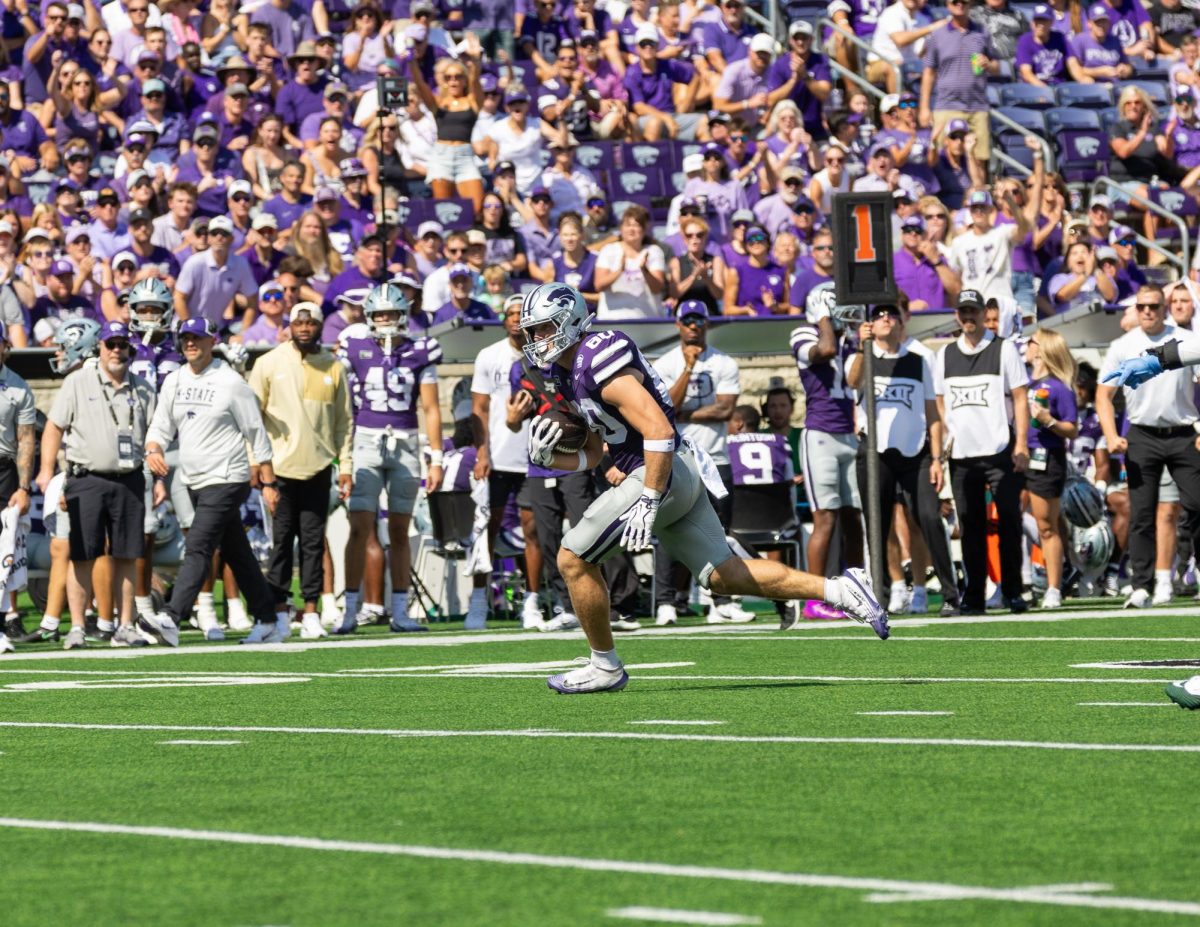

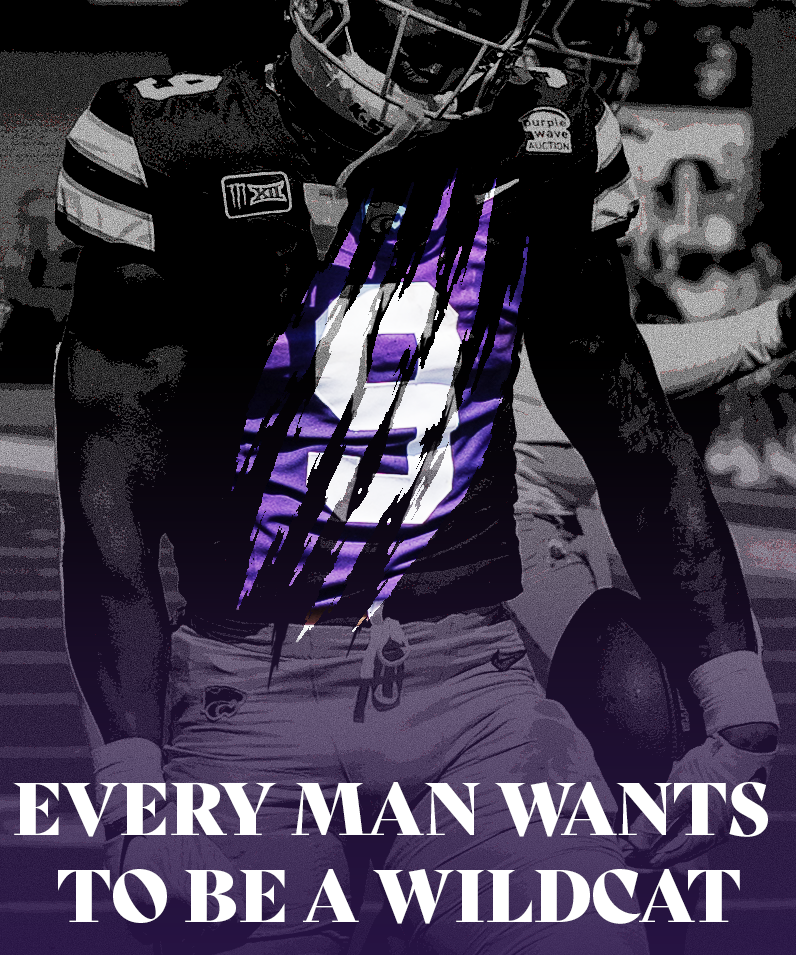
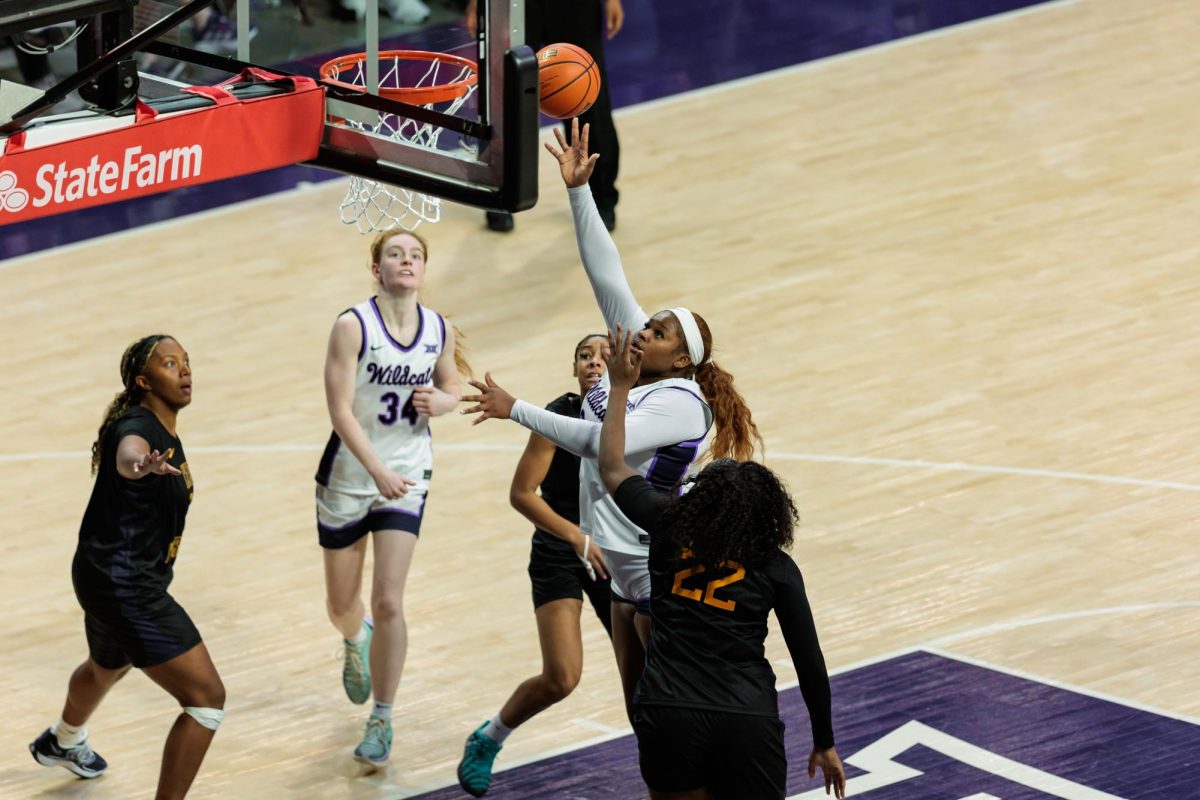





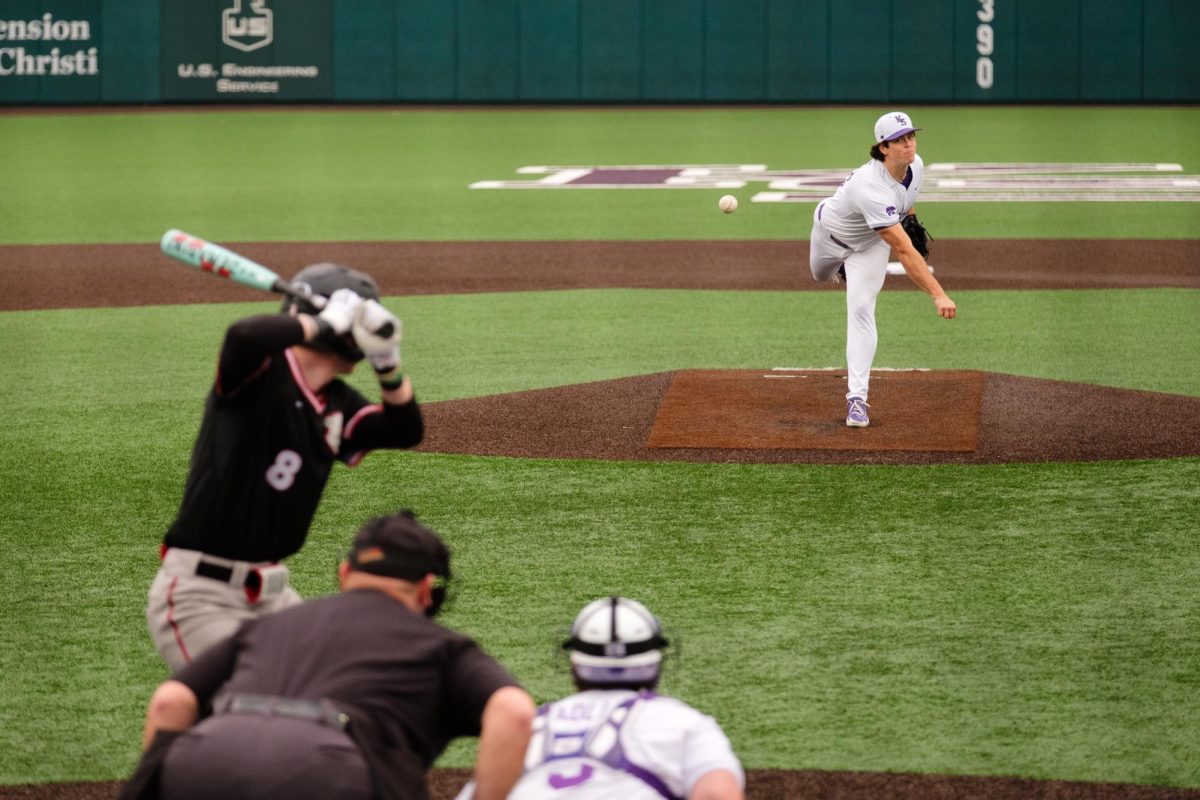
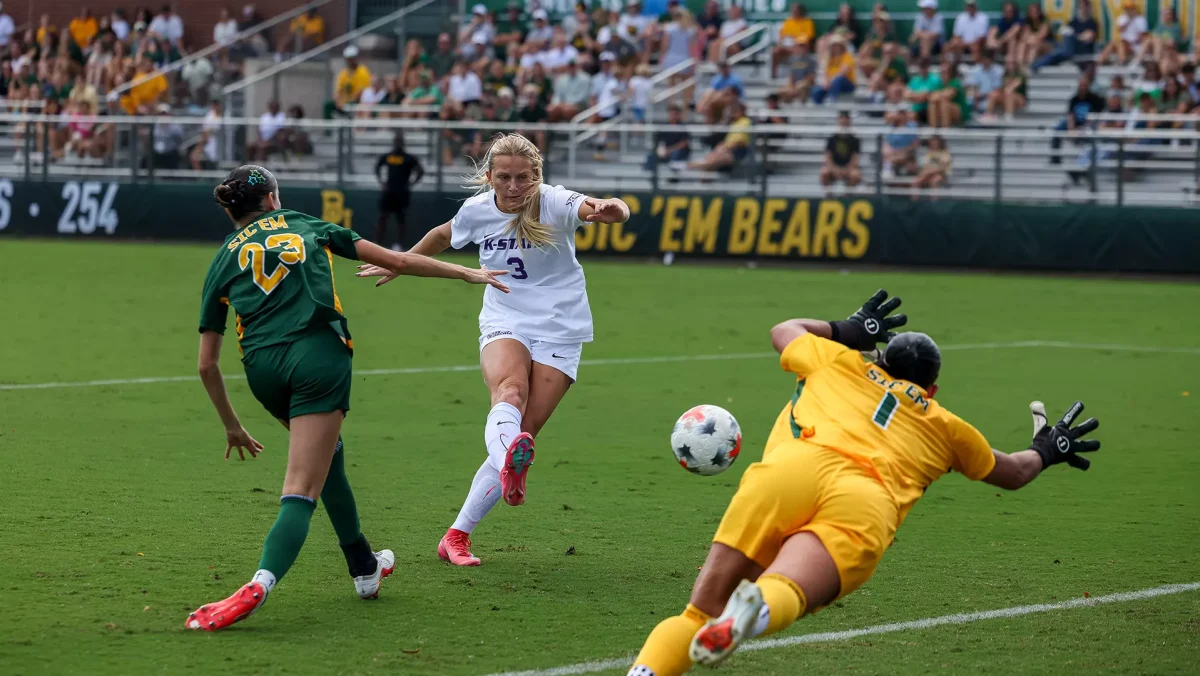
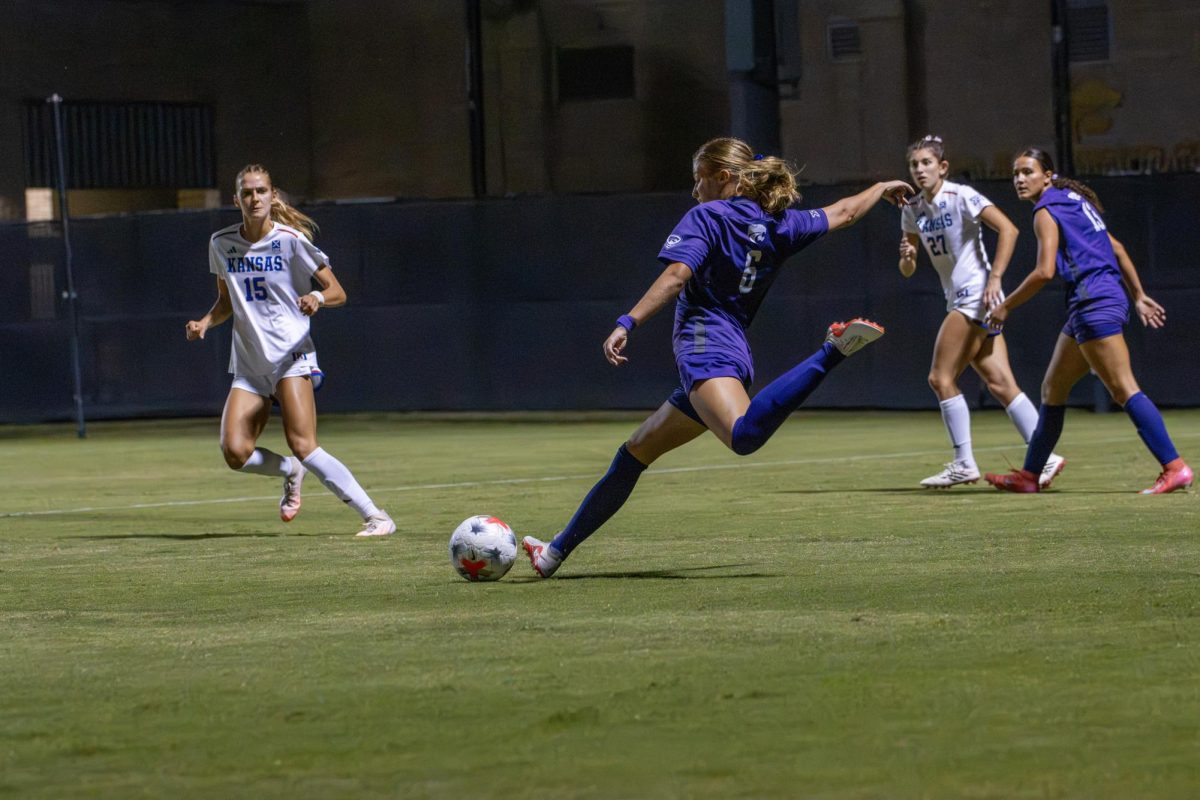
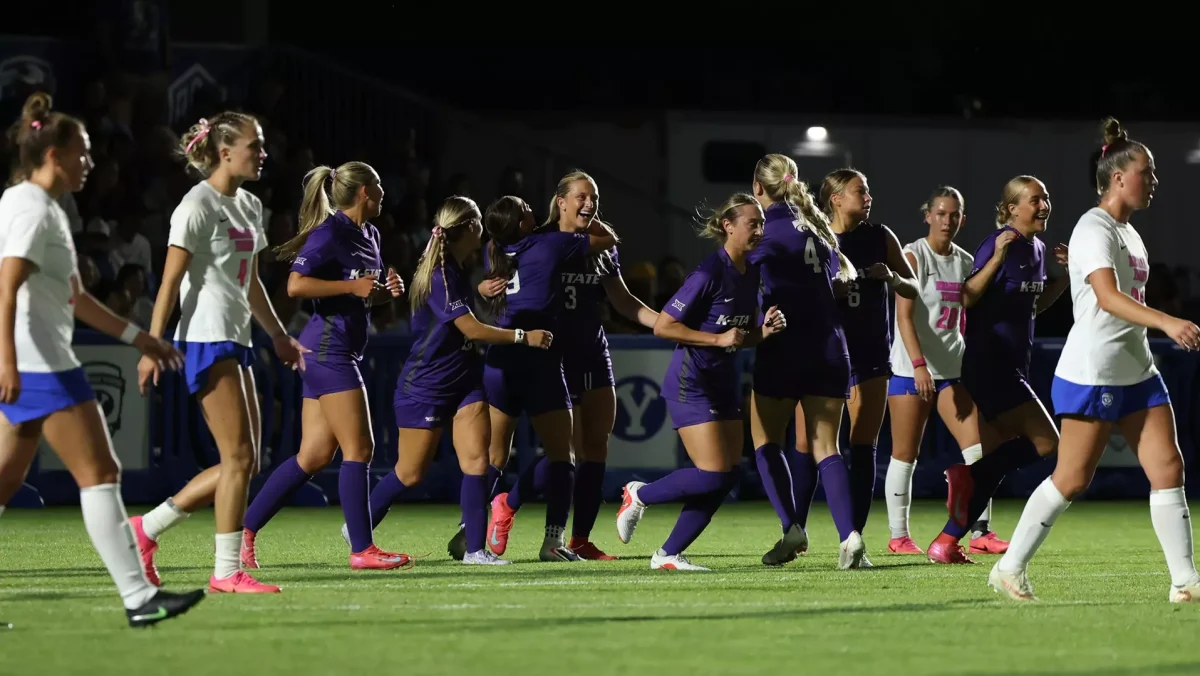




















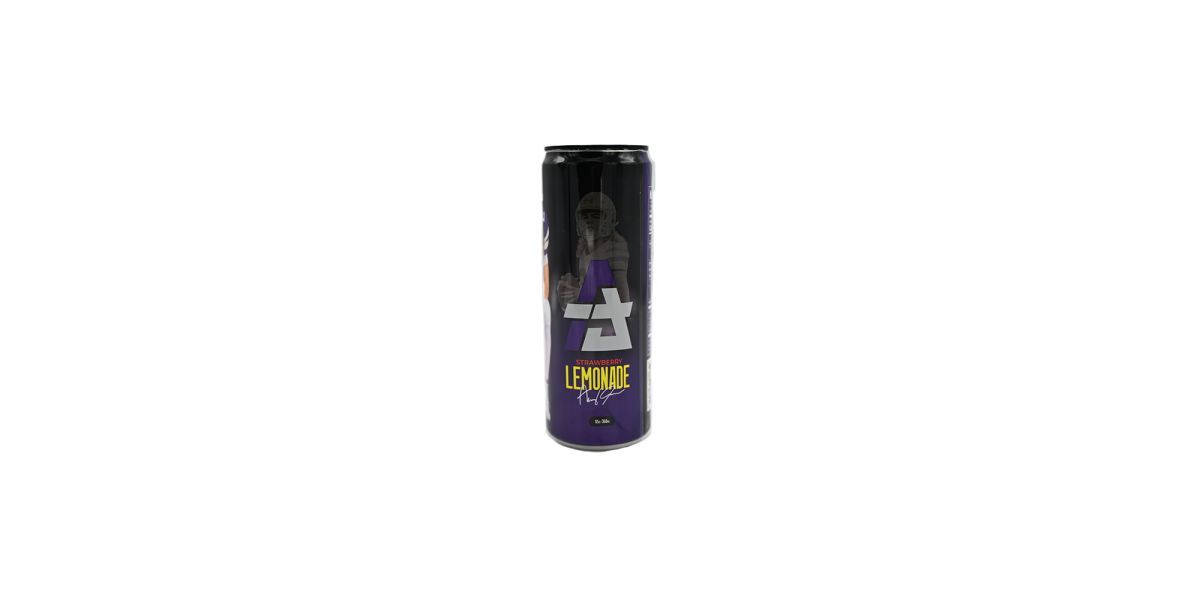

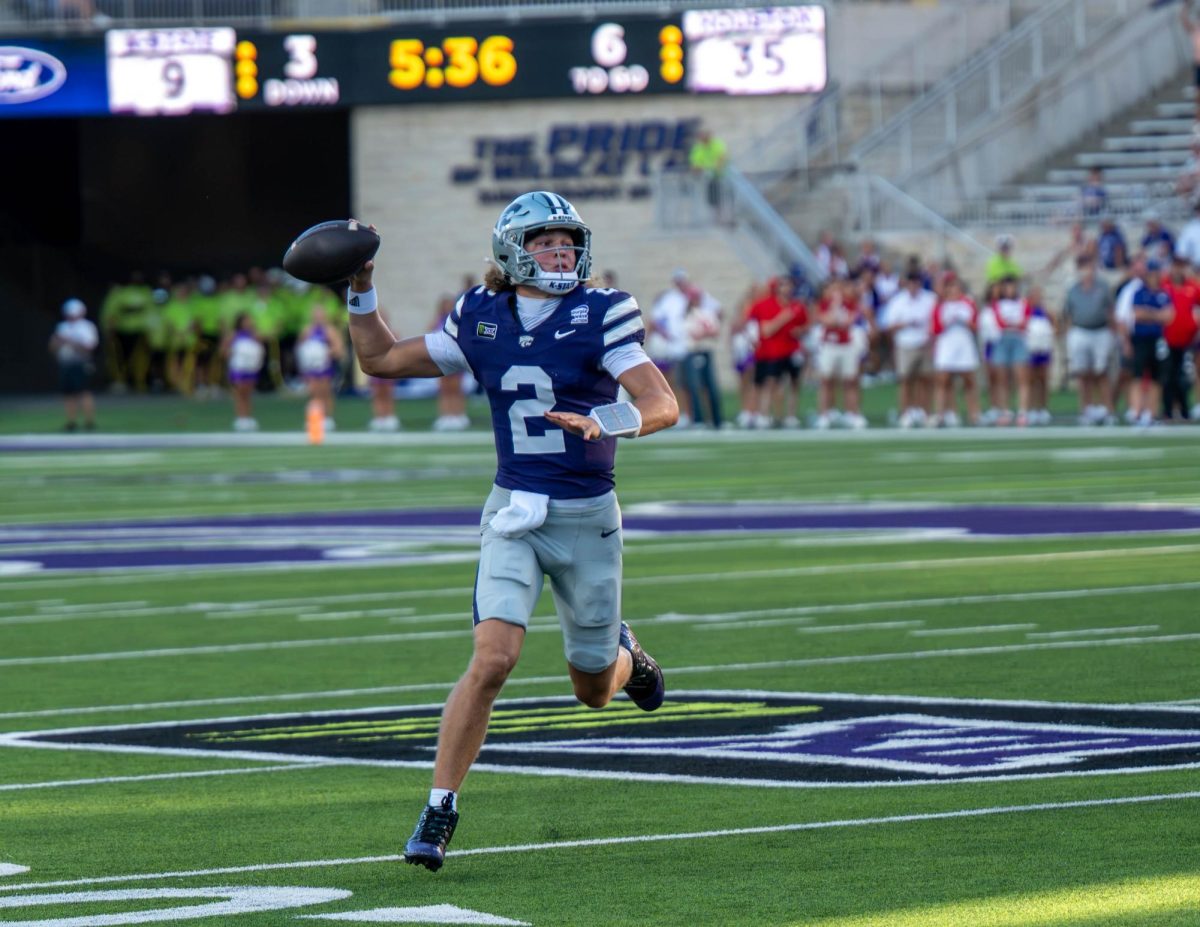
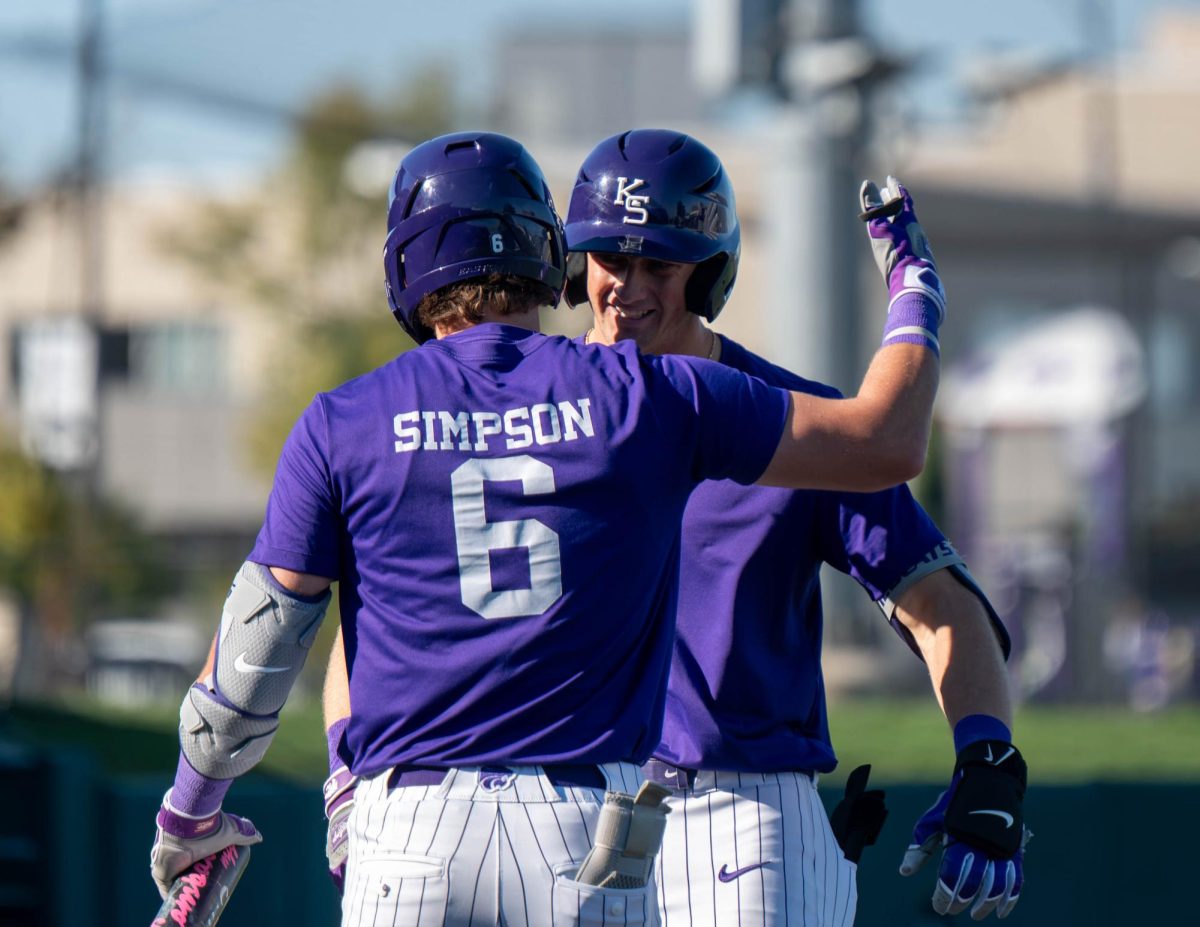













The new Monster Energy Big 12 era is upon us. Over the summer, the Big 12 Conference signed a deal with Monster Energy that gives the conference $20 million per year, while Monster Energy gets branding and naming rights. As a result, Big 12 football and basketball games will be called Monster Energy Big 12 football or basketball.
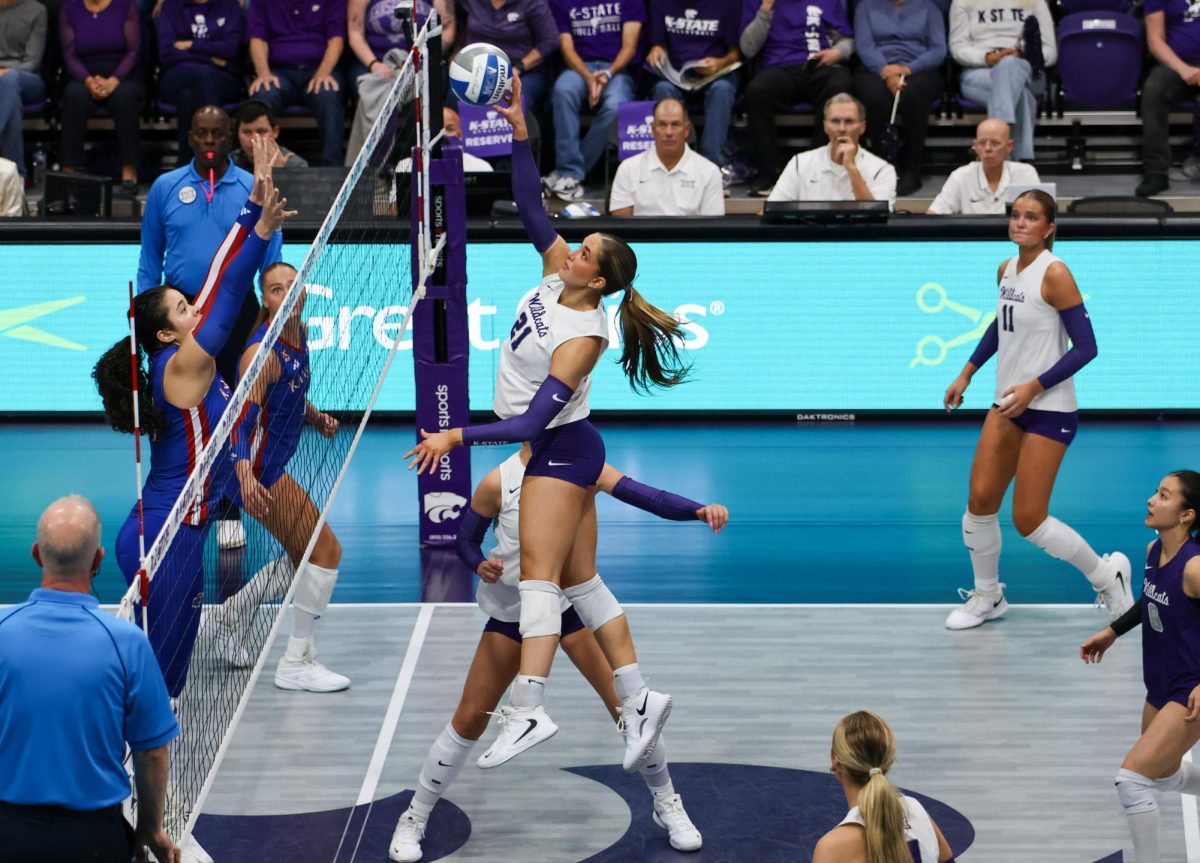
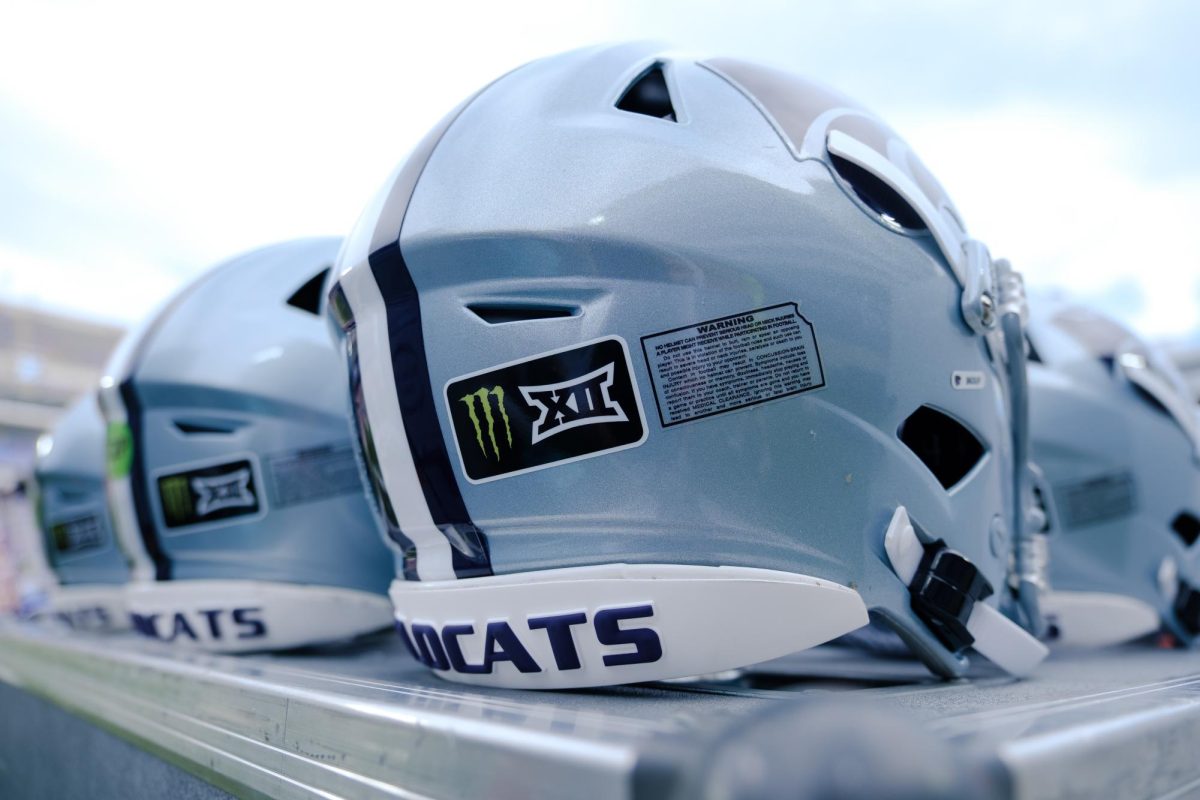
The deal also includes team-specific jersey patches and the Monster Energy logo on the football field or basketball court. Each team will get $1 million, leaving $4 million for the conference. No doubt the Big 12 signed a very poor financial deal, but is it a good look in the public eye?
The answer might be different than you think.
First off, why Monster? Why would a whole conference sign a naming rights deal with an energy drink company? The answer is simple: outreach. Getting your brand name and influence out to more people than you already market to.
“This is an important partnership for the Big 12 as we continue to grow our commercial business,” Big 12 Commissioner Brett Yormark said in a press conference on July 7.
The conference is clearly trying to extend its outreach, throwing a wider net to increase viewers, revenue and marketing as a whole. Energy drink companies aim their marketing and advertising at the youth. Is adding Monster as the Big 12 sponsor an attempt to get more collegiate students to care about college athletics, or an effort to get a larger majority to care about college football and basketball?
While the Big 12 may feel like college students are guzzling down energy drinks from sunup to sundown, the data and statistics behind the scenes of caffeine consumption say otherwise.
In terms of popularity and consumption, Gen Z isn’t even Monster’s most popular demographic. According to a Statista study, Monster is most popular with Millennials, with 47% saying they liked it, while only 41% of Gen Z said they liked the energy drink. The most shocking result, however, is that Gen X has the largest share of consumers at 43%, with Millennials at 40% and Gen Z at 33%.
This data shines a new light on Yormark’s quote about growing the Big 12’s commercial business. Reaching an audience that large through this sponsorship will help the Big 12 grow in popularity, which inevitably brings in more fans, more money and stronger revenue to expand the conference financially and demographically.
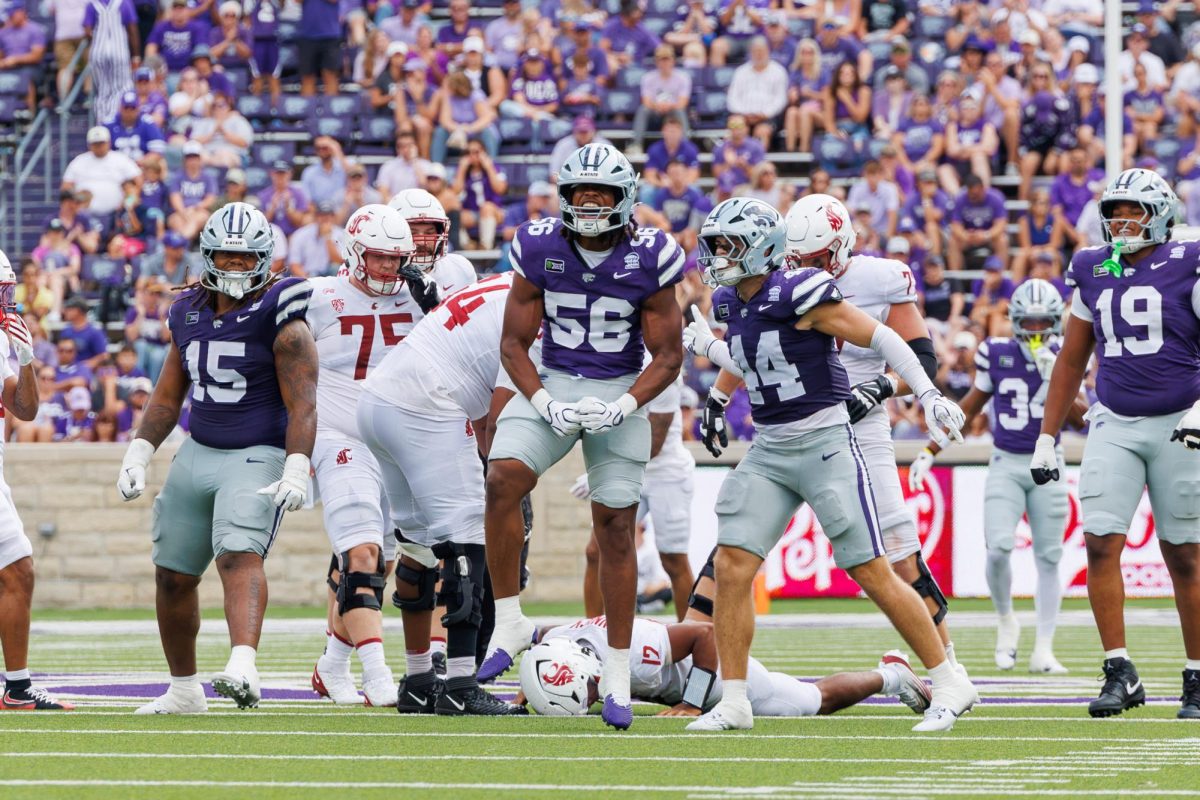
This deal wasn’t meant for just the fans, though. Monster signed it to get athletes to represent Monster Energy on the field and court.
“Monster Energy has built its brand on sports and athletes that leave it all out there on the field or the court,” Mitch Covington, chief partnerships officer at Monster Energy, said.
Monster used this sponsorship to reach athletes, putting its name in one of the NCAA’s main power conferences. The Big 12 has an average enrollment of 35,706 students, with seven schools that have an undergrad enrollment of over 40,000, according to Buffaloes Wire. This opens a massive door to this new kind of sponsorship, letting you leverage a conference and benefit your school’s revenue situation by jumping into a partnership with the energy drink giant.
But forget about the athletes for a second — what does this mean for students? Will it change anything? A Grand Canyon University study found that 95% of college students consume caffeine. If that many college students look to energy drinks to jump-start their day, would this deal change anything for students?
Students, like any other person, change their preferences, especially with beverages. A Morgan Stanley study of 3,000 consumers reported that 44% tried new flavors. People try new things, including energy drink flavors and brands. This opens the door for Monster to cater to students who are still trying other energy drinks, potentially influencing them to try Monster Energy.
If Monster is paying $20 million to be televised on 100-plus games during football and basketball season through the Big 12, this seems like a worthwhile investment for a company worth around $86 billion.
Even with all the positives, it’s not all sunshine and rainbows. The Big 12 and Monster have faced backlash in the media for signing the deal. Citing health risks for kids such as heart palpitations and blood pressure, a group of physicians asked the NCAA to pause the deal so doctors can research the health risks of energy drinks.
The medical community is clearly not on board with crazy caffeine amounts, and if you just looked at a headline that said there are major health issues associated with these drinks, you’d think it was a bad idea too.
However, many college students say it’s fine to have an energy drink or two in moderation, and the data backs that up. The FDA considers 400mg of caffeine the highest safe amount to consume per day. Through a research study from the National Institutes of Health, the top 10% of caffeine consumers have, on average, 379.5mg per day, under the 400mg limit. So, over 90% of people consume under the 400mg mark that the FDA sets.
If energy drinks are harmful to your health and a lot of people practice moderation, why is the NCAA adding its logo to courts and sponsorship deals? When you think about why, it’s genius.
Monster sells more cans because people, even with their preferences, feel more influenced to buy a can of Monster Energy. Then the Big 12 promotes its football and basketball games through Monster and gains more attention. Both sides benefit from this deal, with very minimal downside.
Overall, the deal is a financial liability for the Big 12 and strategic for Monster, but the impact for both sides is amazing. Both gain more attention and popularity across multiple generations of football and basketball fans, along with those who down an energy drink during their favorite game.
So what should you make of it? Well, just crack open a cold white Monster on a beautiful fall Saturday morning, and enjoy the Monster Energy Big 12.