






























































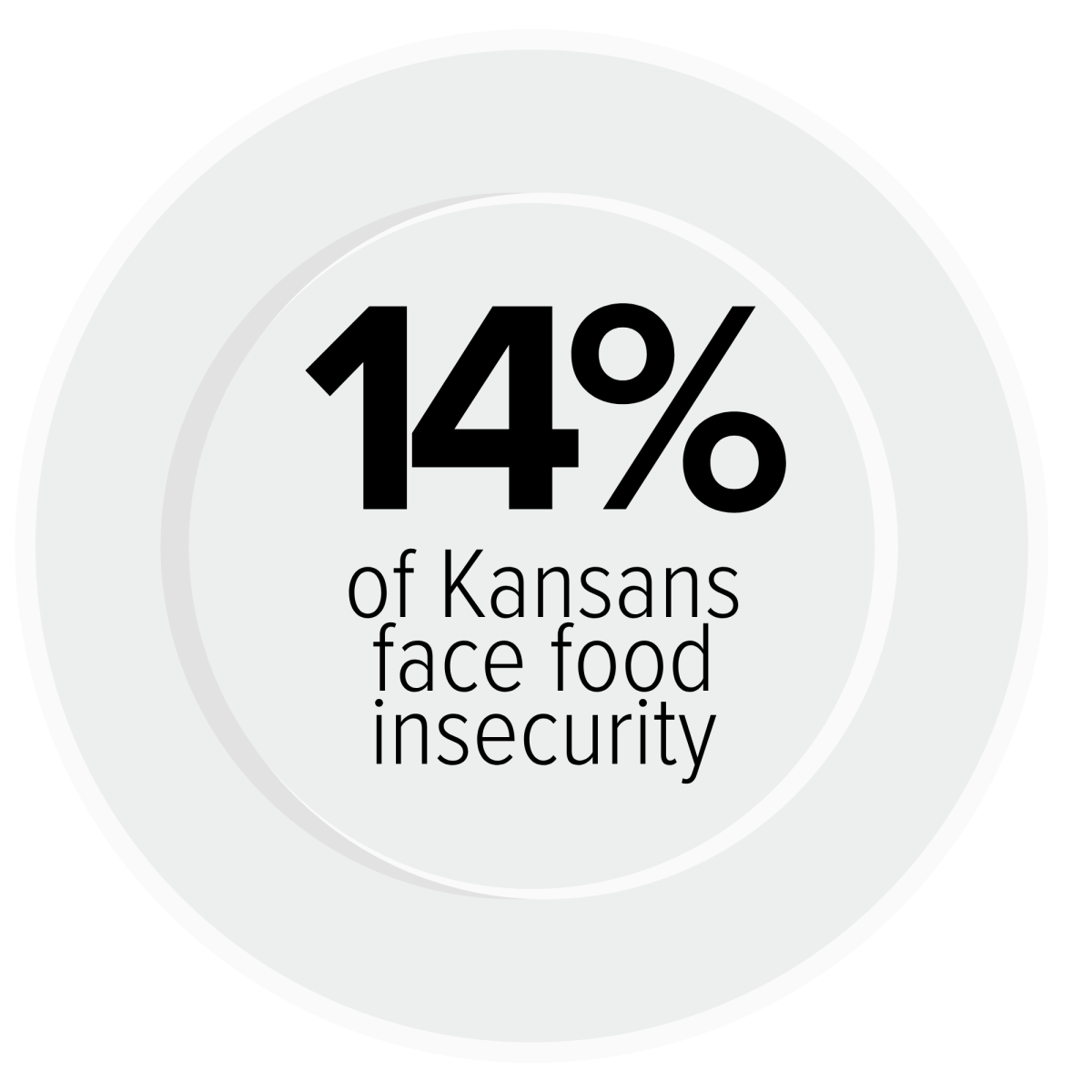









Every day, millions of households in the United States face food insecurity. It’s an issue often reduced to a statistic, but for many, it’s a quiet reality. The struggle isn’t just about cost or access, but also the stigma around reaching out for help.
In Garden City, Kan., organizations like Emmaus House and The Community/La Comunidad Church are working to meet the community’s needs — especially those of the immigrant population — with compassion and without judgment. The Hungry Heartland Project’s documentary “Sharing the Harvest” focuses on how community-driven efforts can leave a lasting impact.
The documentary does an incredible job of telling its story through its cinematography. From volunteers handing food to drivers at The Community’s drive-thru food pantry, to scenes of the streets that Garden City’s residents call home, each shot contributes to the story.
The camera also captures close-up moments, such as volunteers packaging fruit to make the project possible. The contrast between videos from everyday life and the shots of the food banks is a powerful reminder to viewers that food insecurity is a daily reality for many and the necessity for ongoing support.
“Sharing the Harvest” also focuses on showing humanity rather than numbers. Community leaders show a lot of care for the people they’re helping, and interviews with recipients at the food bank give space for individuals to share their own experiences without being reduced to statistics. By using personal stories and carefully chosen data, the film creates a meaningful message for audiences.
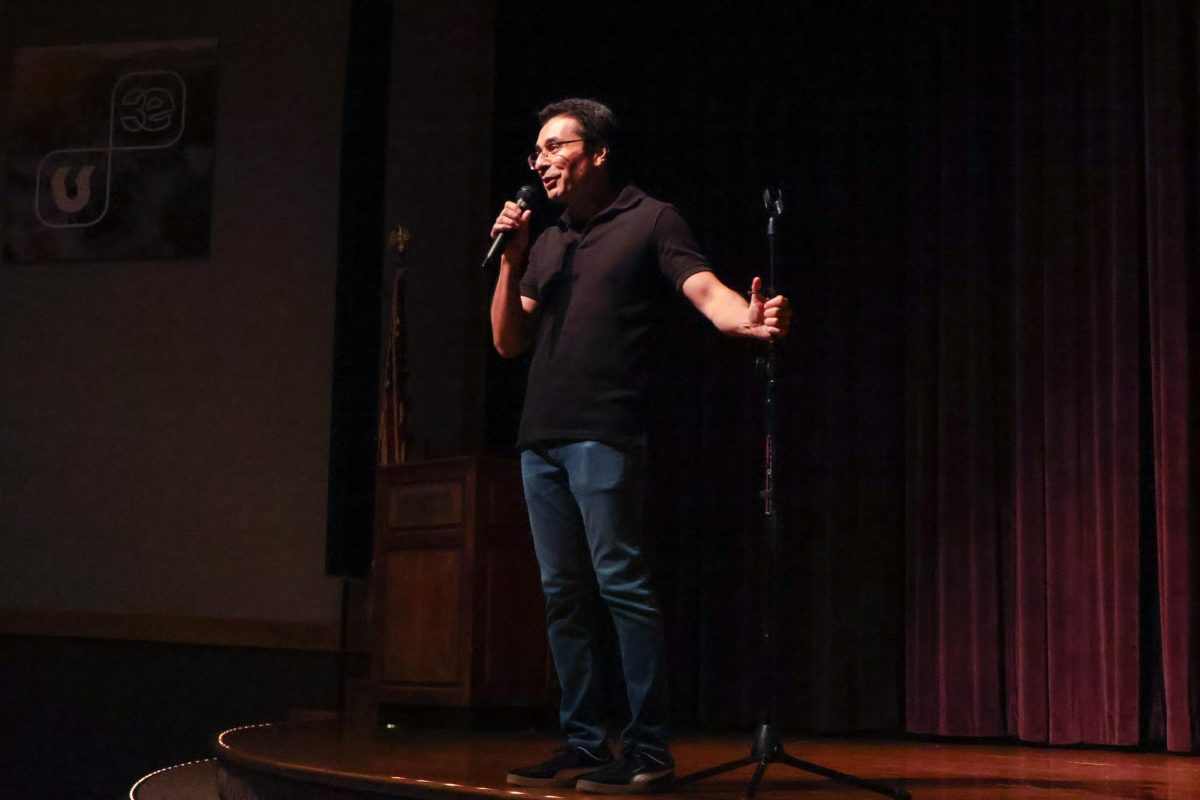
Shreepad Joglekar, head of the art department, shared his appreciation for the focus on lived experiences after watching the documentary.
“One thing I really value is when stories emphasize how this affects real people, instead of turning them into abstract concepts, which is why I’m really glad there are no graphs,” Joglekar said. “This is the most annoying thing — when you abstract real lives and experiences to numbers. It might be good for analysis, but what makes a work like this powerful is seeing how it matters to real people.”
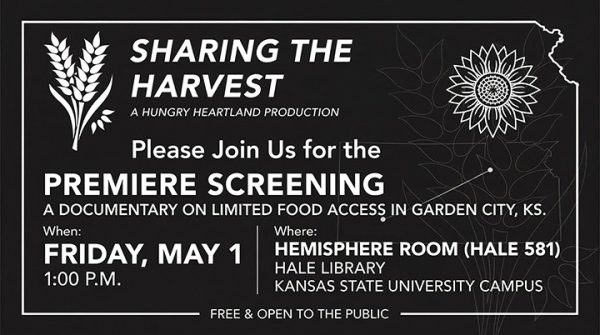
(Visual by Tom Hallaq)
Colene J. Lind, director of Kansas State’s Institute for Civic Discourse and Democracy and audience member at the documentary’s premiere, shared her thoughts on the community leaders’ philosophy.
“One thing that hit me as we were watching was when they thought back to the 1970s,” Lind said. “When the community had a decision to make about food insecurity, they had to either frame it as a blessing or a curse. I thought it was really impactful how they knew they had to be intentional. … It says a lot for that community that they chose to tackle it by seeing it as a blessing.”
While “Sharing the Harvest” captures one example of progress, many stories remain untold, and food insecurity continues to affect communities across the nation. The Hungry Heartlands Project builds on this progress by raising awareness and supporting efforts to improve access to communities facing limited food access.
Valerie Padilla Carroll, professor in the department of social transformation studies, who collaborated on “Sharing the Harvest,” says she plans to continue bringing light to Garden City’s community.
“This summer, I’m hoping to take at least one student back to Garden City to do some follow-up interviews,” Carroll said. “One thing we realized when we pulled all this film together is that we didn’t talk to enough people who were going through the lines. We didn’t think it was ethical to have their faces available, but there are other ways you can do these interviews — it doesn’t always have to be filmed, so that work is ongoing.”
Tom Hallaq, director of “Sharing the Harvest” and associate professor for the A.Q. Miller School of Media and Communication, plans to continue sharing stories about food insecurity statewide.
“We’re starting on a grant application for next fall,” Hallaq explained. “We’re planning to head out to northwest Kansas, where years ago, they had a dramatic decrease in food accessibility for children. Ultimately, we want to share these stories across all corners of the state and even beyond.”