










































































































Ask a student where campus water goes and the answers come back fast. Showers. Dining halls. The fountains outside the union. All reasonable, and all wrong by a wide margin.
Roughly sixty percent of a university’s water consumption never touches a student at all. It moves through cooling towers and boilers in mechanical rooms nobody visits, on equipment tied to the same campus maintenance backlog that already took down the west side of Ahearn.
What Kansas’ Water Crisis Means for Campus
Kansas has a water problem that predates almost everyone reading this. It has been building quietly for seventy years, mostly out of sight, and mostly in places students never visit. It rarely makes campus headlines, but it shapes the state’s economy, its agriculture, and eventually the budgets of the institutions sitting on top of it.
Most students think about campus resource use in visible terms. Lights left on in Hale. Recycling bins in the union. Those things matter, but they represent a small share of the total. The larger story runs through pipes and mechanical rooms almost nobody sees, and it connects to the same campus maintenance backlog that already reshaped the west side of Ahearn.
The Resource Beneath the Plains
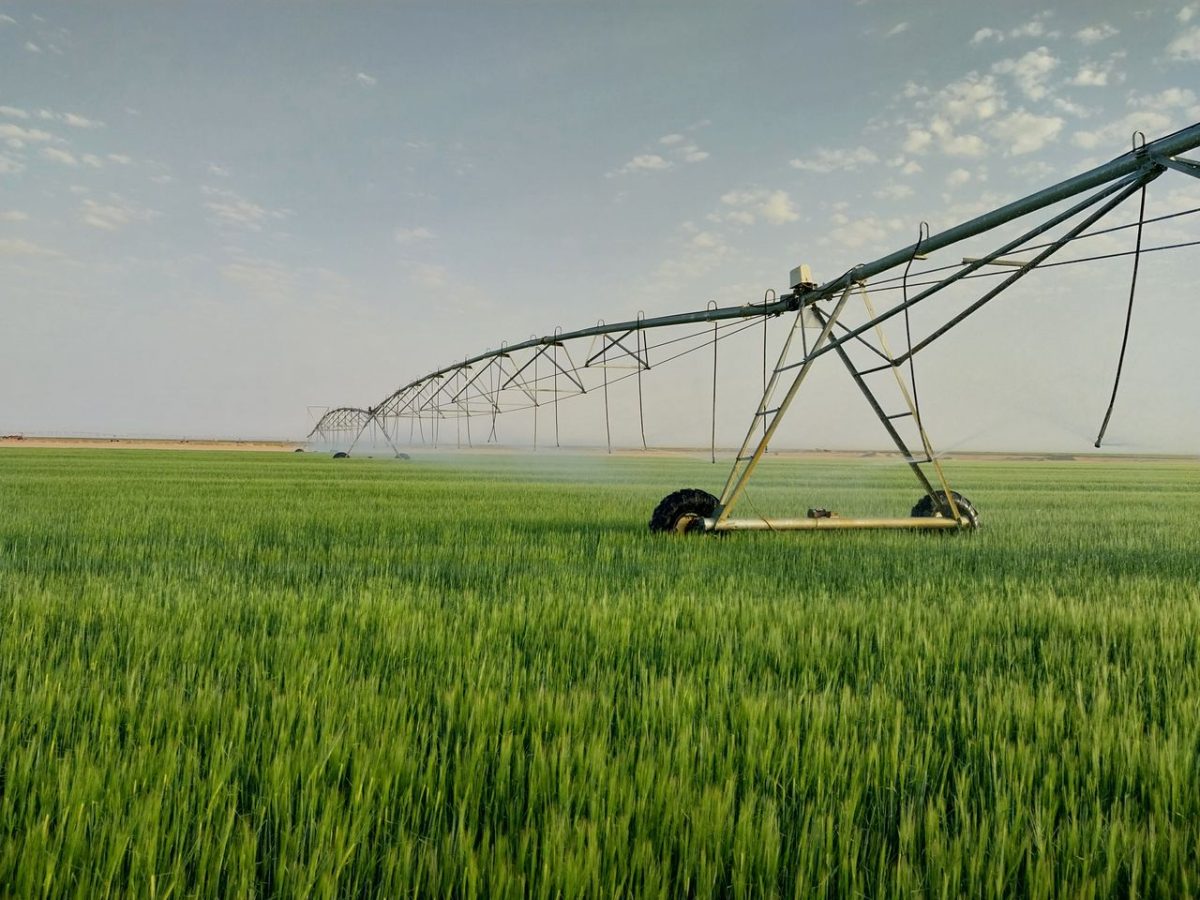
The High Plains Aquifer, known across Kansas as the Ogallala, stretches under eight states and roughly 175,000 square miles. It is the reason large-scale irrigated agriculture exists across the western half of the state. It took thousands of years to fill, and it is being drawn down far faster than rainfall replaces it.
Western Kansas has seen some of the steepest declines anywhere in the system. Parts of the southwest have lost more than a hundred feet of saturated thickness since irrigation expanded around 1950. Several counties are now planning for a future in which pumping at current rates simply stops being possible.
This is not an abstract environmental story at a land-grant university. It runs through the agronomy department, through ag economics, and through the career paths of a large share of the student body. It is arguably the most consequential resource question the state faces.
Why Water Policy Becomes a Campus Story
Manhattan does not draw from the Ogallala. The city pulls from wells in the Kansas River alluvium, a shallower source that recharges far more regularly. That distinction is worth stating plainly rather than blurring the geography to make a point land harder.
The aquifer’s decline still reaches campus through three channels. It shapes legislative priorities, which shape higher education funding. It drives research money and program growth. And it sets the public expectations that every large Kansas institution now gets measured against.
When a state starts treating water as a constrained resource, every major consumer inside it comes under scrutiny. Universities are major consumers. A campus with thousands of residents, dining operations, laboratories, and climate-controlled buildings uses water at industrial scale, whether or not anyone describes it that way.
Where Campus Water Actually Goes
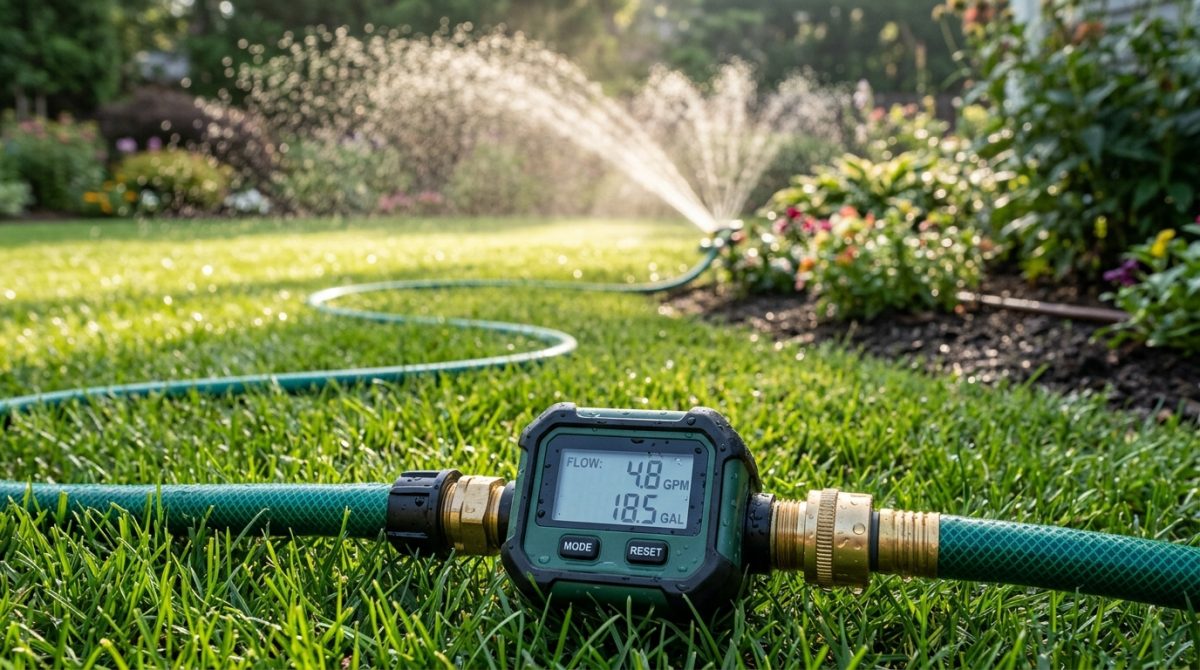
Here is the part that surprises most people. Showers, sinks, and dining halls are not the largest draw on a university’s water supply. Industry estimates put closer to sixty percent of campus consumption inside heating, ventilation, and air conditioning systems.
That means cooling towers and boilers. These are the machines keeping lecture halls tolerable in August and residence halls livable in January. They cycle and evaporate enormous volumes of water continuously, in mechanical spaces students never enter and rarely think about.
Cooling Towers and Boilers
A cooling tower sheds heat by evaporating water. As that water evaporates, dissolved minerals concentrate in whatever remains, which produces scale, corrosion, and biological growth if nobody intervenes. Boilers face a parallel version of the same chemistry problem on the heating side.
Managing this is a genuine technical discipline. Facilities teams depend on university water treatment programs that combine cooling tower and boiler chemical treatment, potable water management, filtration, and on-site wastewater reuse. Handled well, these systems cut consumption sharply and extend equipment life across the campus.
Handled poorly, the costs compound quietly. Scaled heat exchangers burn more energy to move the same amount of heat. Corroded piping fails early. Both outcomes land in the same deferred maintenance column that has already cost K-State several buildings.
Drinking Water and Reuse
Potable water is the smaller share of total volume, but it carries the highest visibility. Nobody notices the boiler plant. Everyone notices when a residence hall gets a boil advisory or when a drinking fountain tastes off for a week.
Reuse sits at the other end of the spectrum. Campuses increasingly capture condensate from air handling units, redirect cooling tower blowdown, and route treated wastewater toward irrigation. None of it is glamorous, and all of it reduces the volume a university pulls from municipal supply.
What This Means for Students
The practical takeaway is not that individual habits are pointless. Shorter showers still help. But the leverage sits somewhere else, and knowing where it sits changes what questions are worth asking.
Ask About the Systems, Not Just the Signage
Sustainability communication tends to focus on what students can see. Refill stations, compost bins, native landscaping. These are real, and they are also the least significant portion of the footprint by volume.
A more useful question for administrators is what the university is doing about its mechanical systems:
- How old is the central plant equipment?
- What are the water cycles of concentration on the cooling towers?
- Does condensate recovery exist anywhere on campus?
Those questions rarely get asked at open forums, which is precisely why they are worth asking. They also tend to produce more candid answers than broader questions about institutional commitment, because there is a specific number attached.
Follow the Capital Budget
Water infrastructure decisions happen inside capital improvement planning, not sustainability offices. Board of Regents agendas, capital improvement plans, and utility budget lines contain more actionable information than most published sustainability reports.
This is also where student government has real leverage. Advocating for a specific line item in a capital plan is a narrower ask than advocating for a general commitment, and narrower asks are considerably harder for an administration to absorb without a response.
The Numbers Are Public
One advantage of water as a subject is that the underlying data is unusually accessible. State agencies publish water rights and usage records. Municipal utilities publish annual water quality reports. Federal monitoring covers the aquifer itself in considerable detail.
Anyone wanting to understand the scale of the Kansas situation can start with USGS aquifer data, which tracks water-level and storage changes across the High Plains system going back to before large-scale irrigation began. The declines are documented well by well, county by county.
The Long View
Kansas will spend the next several decades adjusting to a water supply smaller than the one it built its agricultural economy around. That adjustment will touch commodity prices, rural population patterns, state revenue, and the funding available to public universities.
Students graduating in the next few years will work through the middle of that transition. Some will work on it directly through agronomy, engineering, policy, or law. Most will experience it indirectly, as a background condition shaping the economy they enter.
Either way, understanding how a large institution actually uses water is a useful piece of literacy. The systems are unglamorous, largely invisible, and considerably more consequential than the parts of campus sustainability that get put on a poster.