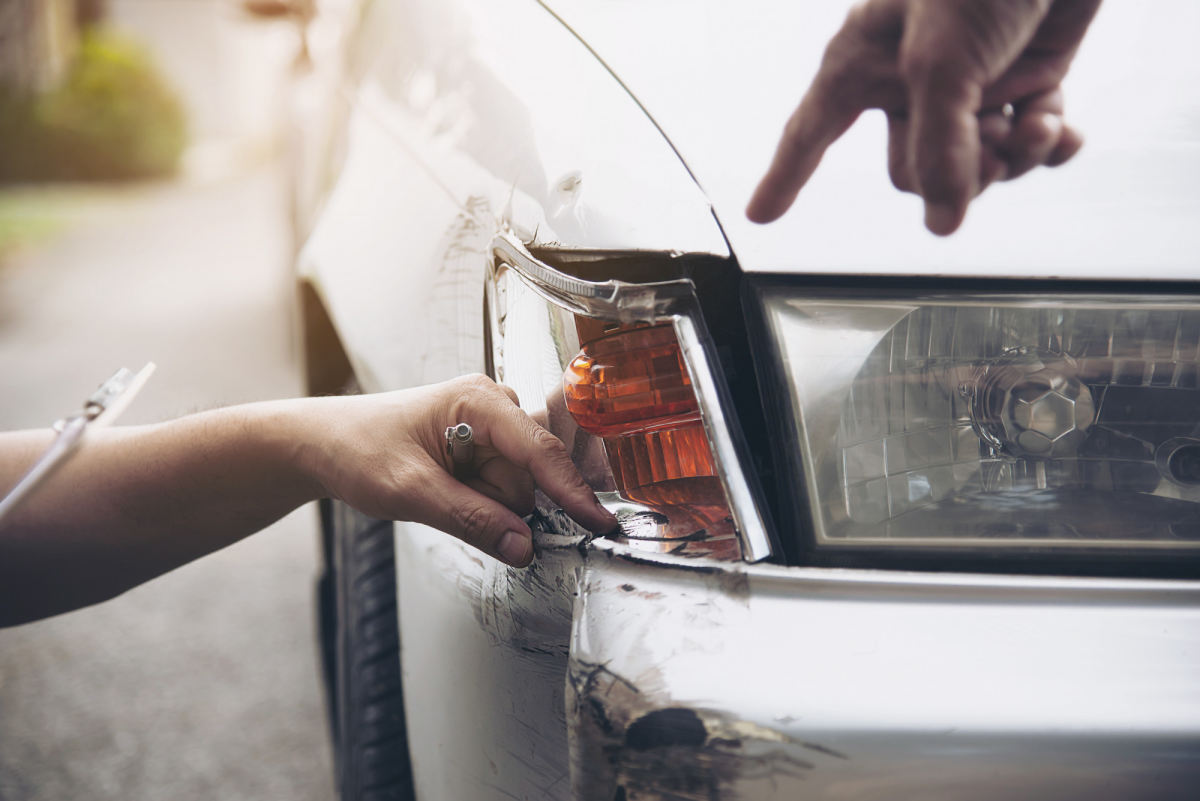


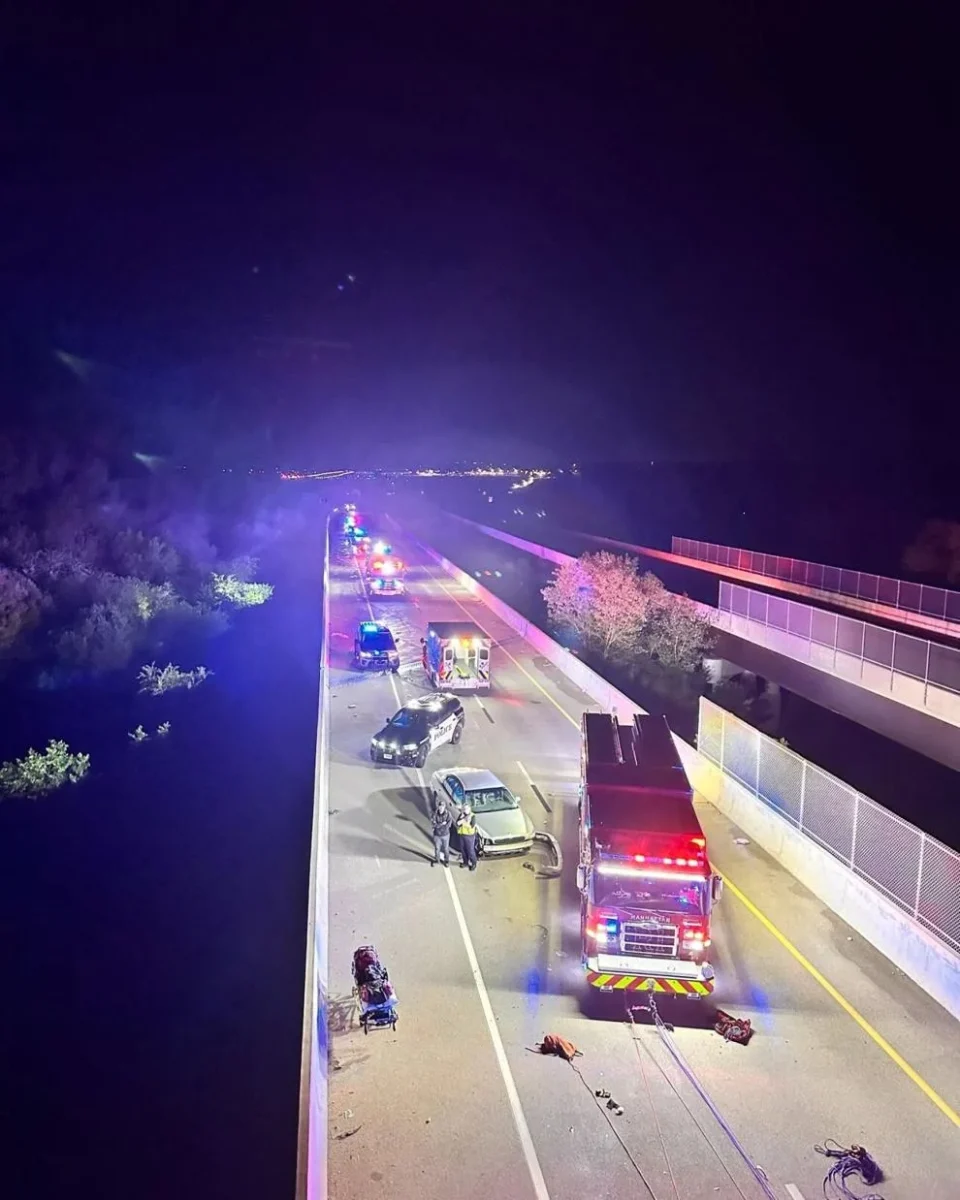























































For people dealing with an accident in California, determining who is responsible can become complicated when several actions or circumstances may have contributed to the harm. A collision may involve more than one driver, a vehicle owner, a business, or another party whose conduct contributed to what happened. Understanding how these connections are evaluated can help an injured person look beyond the immediate circumstances and consider the full picture before deciding how to handle a claim.
When questions about shared responsibility arise, the JSM Injury Firm legal team can help California accident victims examine the circumstances surrounding their injuries and identify the legal issues that may affect their claims. A careful review can clarify how the actions of different parties relate to the accident and what evidence may matter to the case. Legal guidance can also help an injured person make informed decisions when fault is disputed or more than one party is involved.
How Shared Fault Is Determined
Investigators examine what each person did, what each person failed to do, and whether that conduct helped cause the injury. A driver who sped through an intersection could share responsibility with another driver who turned without checking traffic.
Fault can also involve people outside the vehicles. A trucking company could face questions about driver training, maintenance, or scheduling. A property owner could face a claim if poor lighting or an unsafe entrance contributed to a fall near the roadway.
The evidence must connect each act to the injury. A person is not responsible simply because they were present or because an accident occurred on their property. Medical records, crash reports, photographs, repair documents, surveillance footage, and witness statements help establish that connection.
Comparative Fault Can Affect Compensation
Many states use comparative fault rules. Under those rules, a court assigns percentages of responsibility among the injured person, defendants, and other responsible parties. The injured person’s recovery then reflects the percentage assigned to that person, although the exact rule depends on the state.
California courts use comparative fault principles when evaluating responsibility among multiple actors. California Civil Code section 1431.2 also treats each defendant’s responsibility for noneconomic damages as several rather than joint in covered cases.
An insurance adjuster may claim that the injured person caused part of the accident. That claim does not establish fault by itself. The insurer still needs evidence showing how the person’s conduct contributed to the injury and what percentage belongs to each party.
Why Every Responsible Party Matters
Naming every responsible party helps prevent an incomplete claim. One defendant may lack sufficient insurance or assets to cover medical treatment, lost income, property damage, and other losses. Another party’s liability policy could provide additional coverage.
A complete investigation also prevents one person from shifting blame onto someone who is not involved. Each defendant can present a different explanation, so the claim must address the full chain of events rather than one isolated mistake.
Settlement discussions require care when multiple parties are involved. Accepting money from one party can affect claims against others, depending on state law and the agreement’s release language. An injured person should review those terms before signing.
Evidence That Can Clarify Responsibility
Start by preserving photographs of the vehicles, roadway, traffic signals, property conditions, visible injuries, and nearby signs. Keep medical records, receipts, wage information, insurance correspondence, and repair estimates in one organized file.
Witness information often becomes harder to locate after an accident. Record names, phone numbers, and brief descriptions of what each witness observed. Do not alter photographs, delete messages, or discuss fault in recorded statements without legal advice.
A professional investigation can uncover records an injured person cannot obtain alone. Those records may include maintenance files, employment records, dispatch logs, security video, inspection reports, and electronic vehicle data.
Protecting the Claim After an Accident
Avoid giving a recorded statement that guesses about speed, distance, or fault. State the known facts accurately, but do not fill gaps with assumptions. A quick apology can also be misunderstood as an admission, even when it was only a reaction to a stressful event.
Medical care should follow the treatment plan and continue as long as symptoms remain. Gaps in treatment give insurers an argument that the injury was minor or unrelated. Prompt documentation creates a clearer record of the accident’s effects.
Conclusion
Multiple parties can contribute to one accident, and an insurer’s first explanation rarely settles that question. Preserve evidence, identify every possible source of fault, document medical and financial losses, and avoid signing a release before its effect is clear. State deadlines also limit how long an injured person has to file a claim. Speaking with a qualified personal injury attorney early helps protect the claim while the evidence remains available.