













































































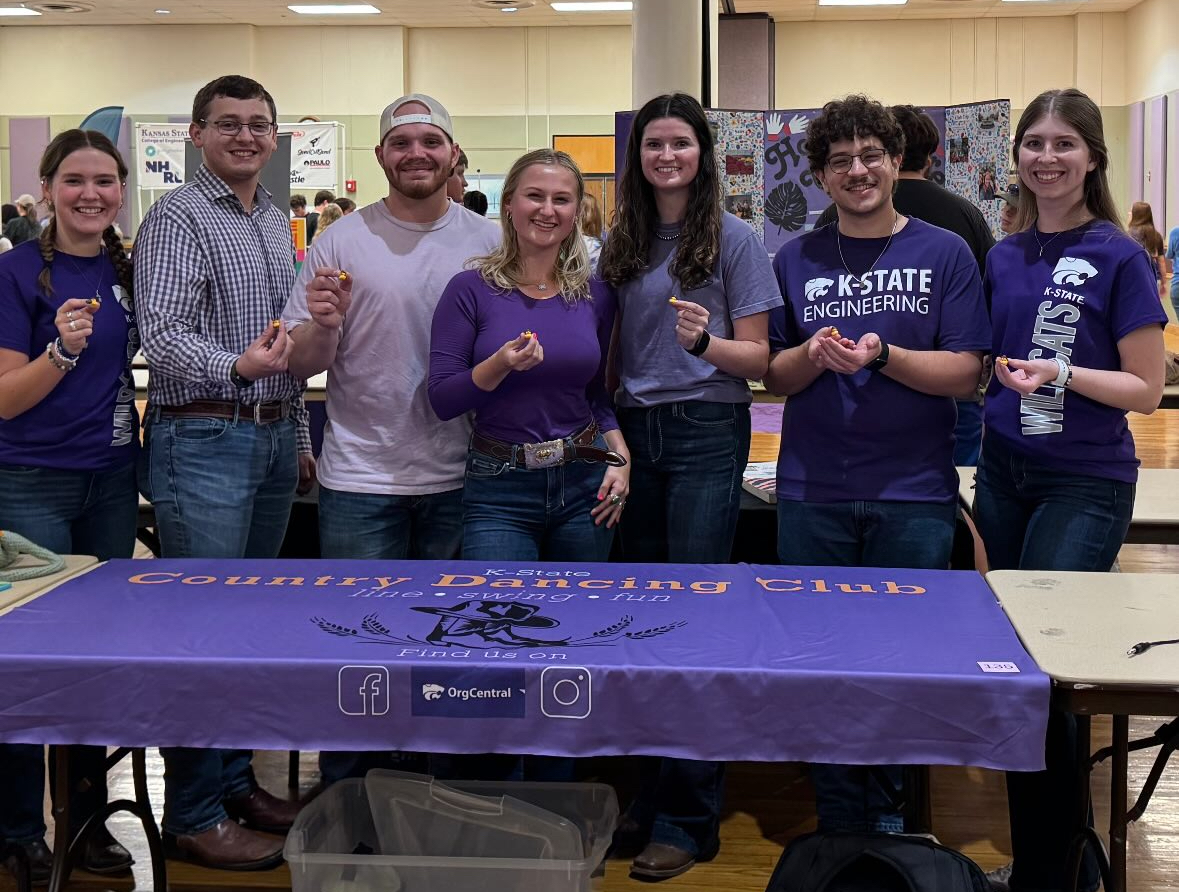











































Two hundred and forty dollars. That’s what a Kansas State student I traded notes with made in her first month selling custom dorm organizers out of her residence hall, and she never posted a single ad. Every sale came from people she already knew through a club. Her “launch strategy” was showing up to a Tuesday meeting with a cardboard sample and a box of donuts.
Most advice aimed at student founders points you toward an app, a landing page, or a weekend pitch competition. That advice skips the thing you already have on campus: a cluster of people with shared interests, a weekly meeting time, and a group chat that actually reads your messages. If you’ve ever tried to get a package from usa to germany through customs without a clear plan, you know how different it feels when someone who has done it before walks you through the steps. A club is that someone for your first customers.
The premise here is simple: your club is a free focus group, a warm sales channel, and a reputation engine running at zero cost. Below is how to actually use it, a framework I call the Club Loop, and the places where clubs quietly cost you more than they give.
What a club gives you that a landing page can’t
Trust arrives before your pitch. When a club member introduces you to their roommate, you inherit credibility you didn’t earn, and that borrowed trust converts faster than any ad you could buy on a student budget. You also get brutal, immediate feedback. Say something vague about your product at a meeting and you’ll see faces flatten in real time. That’s an edge a survey tool will never match.
There’s a structural reason this works. According to the Department of Labor, small businesses account for a substantial share of net new jobs in the American economy, which tells you that the skill of finding customers matters more than the polish of a business plan. Clubs are where that skill gets practiced cheaply, before you have money on the line.
My honest read: the club route beats a pitch competition for a first-time founder. Competitions hand out checks to ideas that sound good on slides. A club hands you a dozen people willing to test something ugly but useful. I’d take the second every time.
The Club Loop: a four-step system for turning members into customers
The Club Loop is the sequence I keep recommending to student founders, and it’s the part of this piece you can’t get by typing a keyword into a chatbot. It runs in a cycle, and each pass makes the next one easier.
Step one: map who’s actually in the room
Before you pitch anything, write down who shows up. Not roles, people. The person who organizes the group chat, the one who always brings snacks, the one who complains about the meeting schedule. In a club of fifteen, three or four of those people influence what the other eleven do. Those are your first conversations. Spend a week there and you’ll learn more than a semester of market research.
Step two: build the smallest useful thing
Ship something a member can hold, taste, or use within a week. A one-page service, a single product, a Saturday morning offering. The loop dies if your first version takes a month, because the club’s attention has already moved to finals.
Step three: sell in the meeting, not online
Stand up, describe the thing in two sentences, and ask for one specific action. “I’m taking orders tonight for the first ten” beats “check out my Instagram” every time. The friction of a signup form kills more student sales than price ever will.
Step four: report back
This is the step almost everyone skips. Two weeks later, tell the group what happened. Who bought, what broke, what you changed because of them. Members who hear their feedback in your story turn into the ones who introduce you to their roommates, and the loop starts over with warmer buyers than the last time.
Where student clubs quietly cost you
Clubs are cheap in dollars and expensive in hours. Officers run on feelings and shared labor, so every pitch you make in a meeting draws on goodwill you’ll need for something else later. Pitch twice a month and you become the person the group groans about. Pitch once a season, deliver something good, and you stay welcome.
The other trap is audience drift. The people in your club might love your idea and still not be a market. A board game club will cheer for your spreadsheet tool and never buy it, because the meeting is entertainment, not a shopping trip. Before you scale anything, check whether your early buyers share a trait with the wider world. The Census Bureau keeps public data on population characteristics and business patterns that makes this easier than guessing.
The trap isn’t that clubs don’t work. It’s that a club will congratulate you for a product nobody outside its walls wants.
One more cost worth naming: club leadership is a real job in its own right. If you’re running the org and the business, you’ll burn out around week six. Pick one role per semester, or split the founder work with a partner who thrives on the meetings you hate.
A quick checklist before you bring an idea to your next meeting
- I’ve had three one-on-one conversations with members before pitching to the group.
- My first version can be described in two sentences and delivered within seven days.
- I’m asking for one specific action, not general support.
- I’ve scheduled a follow-up to report results back to the people who bought.
- I can name at least two traits my buyers share beyond “goes to my school.”
- I’m not running the club and the business in the same semester.
When to leave the loop and sell outside campus
Stay inside the club until you have repeat buyers, not just first buyers. A person who buys three times matters more than fifteen who bought once, whether that’s a service you refine or a simple resale play like turning your club network into a referral source for international shipping. Once repeat purchases show up in two separate groups, college clubs and beyond, you’ve proven something real.
The Small Business Administration publishes free guidance on registration and recordkeeping that’s worth reading before you collect money from strangers. Do it even if your only sales so far came from people who know your first name.
That’s the whole case. Clubs give you trust, feedback, and a customer base before you have a budget. Use the Club Loop, respect the goodwill you’re spending, and watch for the moment when the group you’re pitching can’t tell you anything new. That moment is your graduation.