




























































Less than an hour from K-State’s campus, a new HBO documentary hits remarkably close to home.
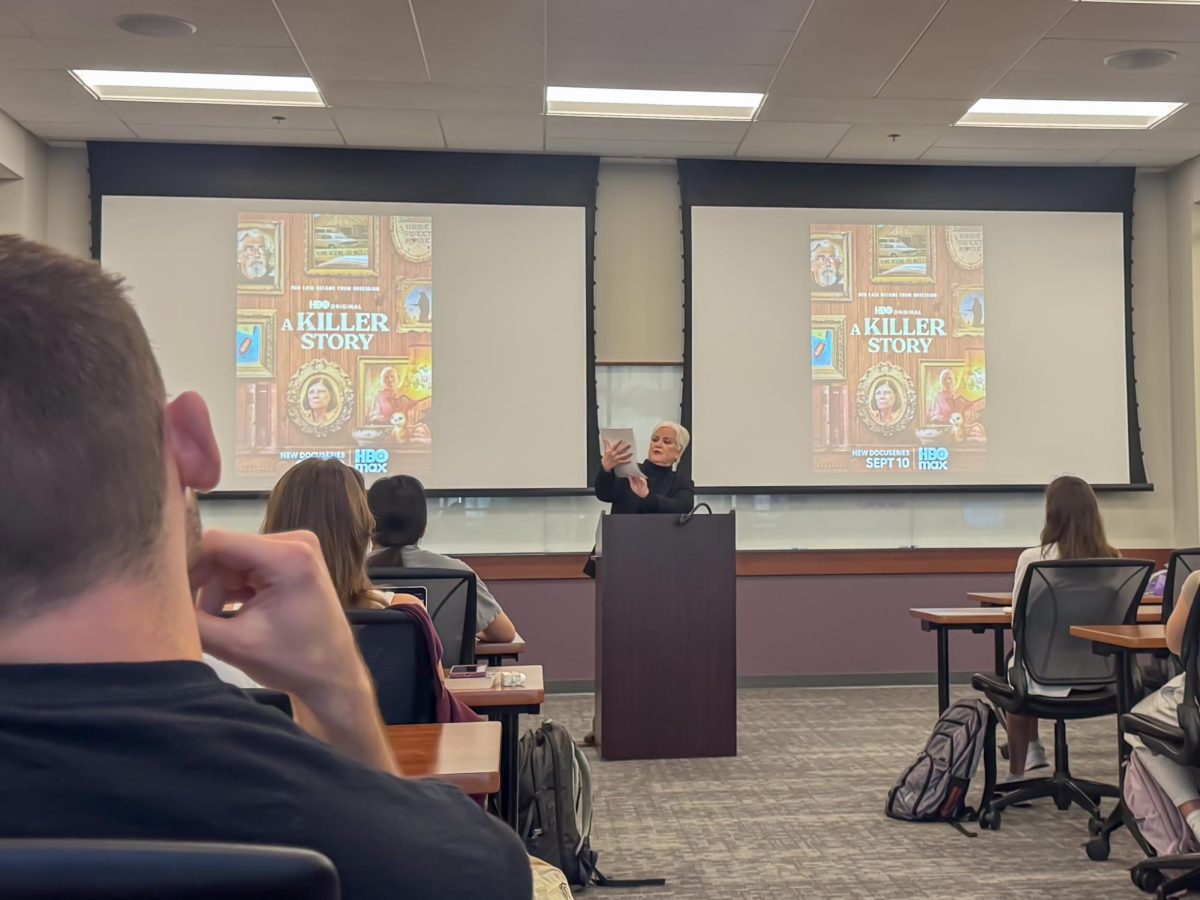
“A Killer Story” premiered Sept. 10 and educates the public about the case of Dana Chandler. Convicted in 2011, Chandler was accused of the 2002 double murder of her ex-husband Mike Sisco and Karen Harkness in Topeka.
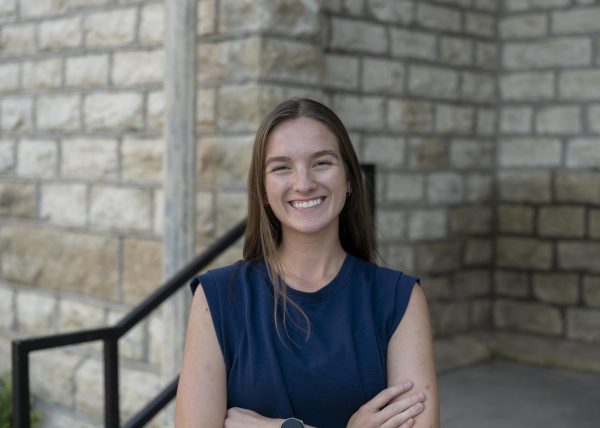
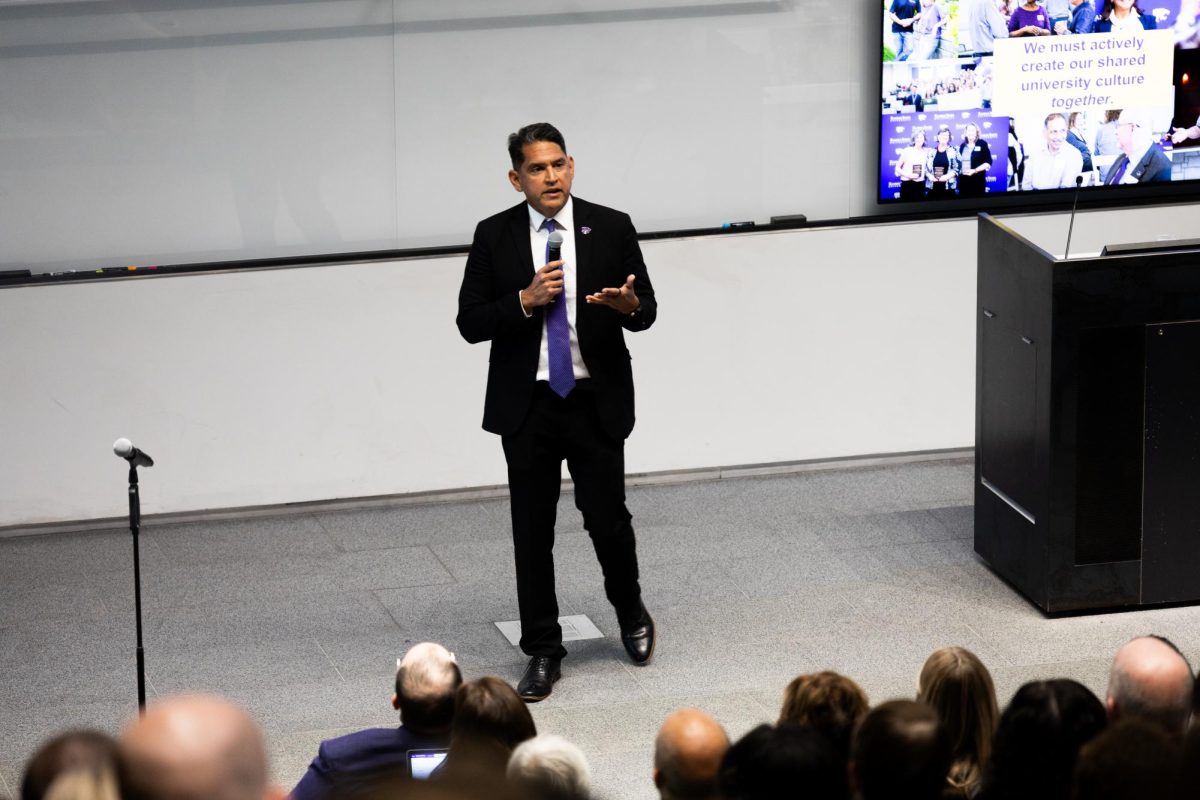
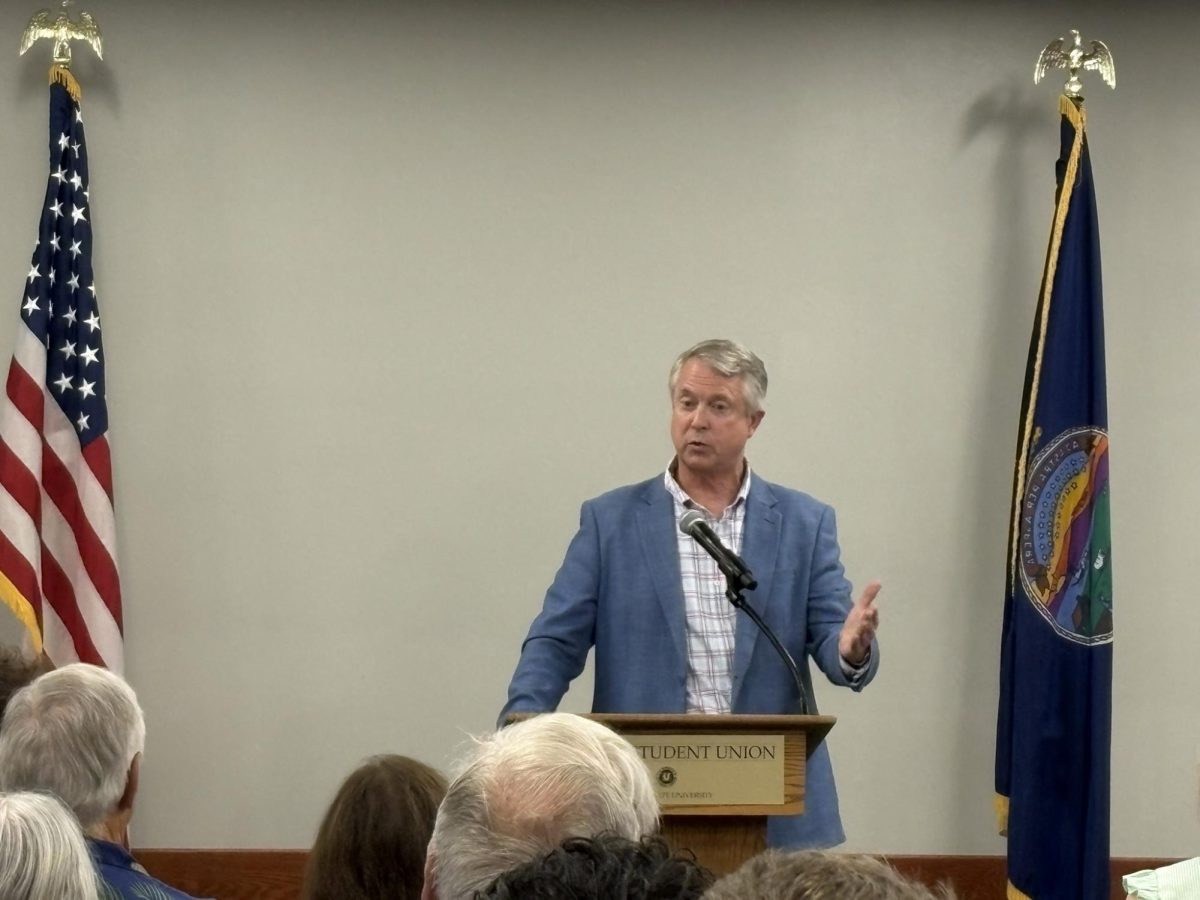
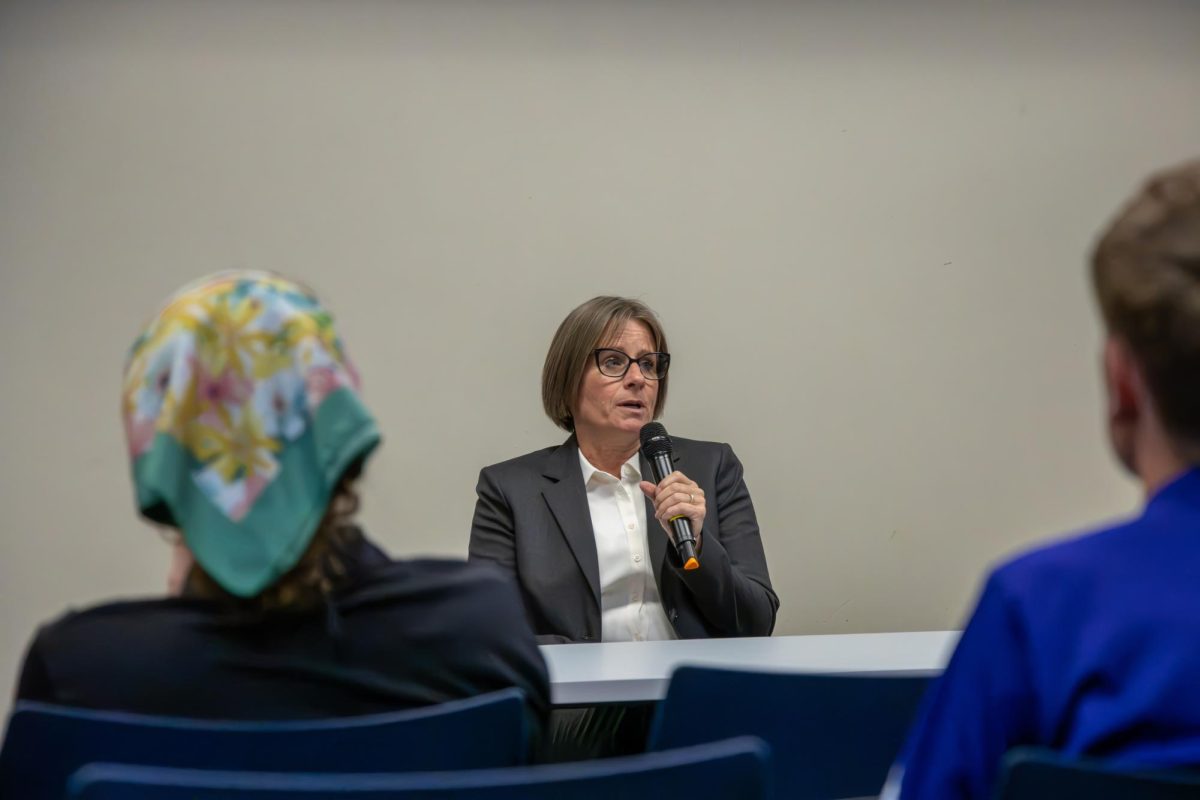
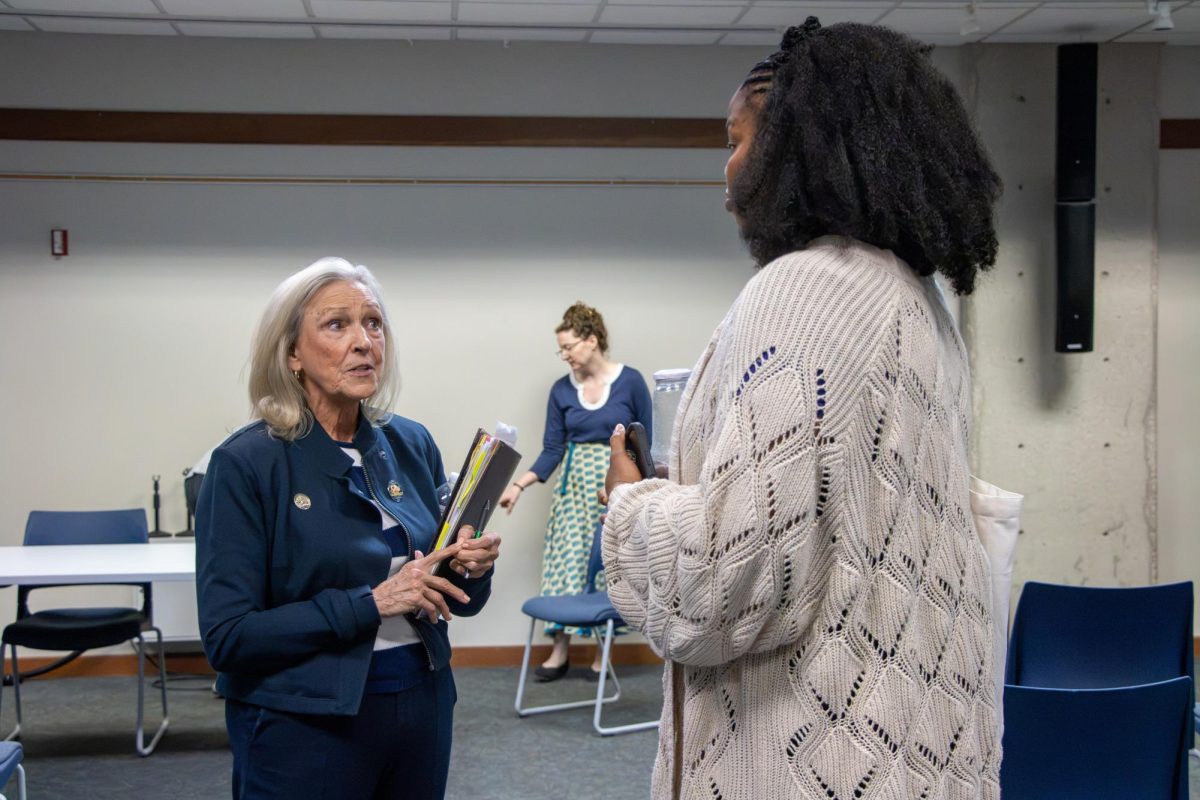
As prosecutors were building their case against Chandler, citizen sleuth Eileen Umbehr from Alma, Kansas, saw a different narrative unfold. The lack of physical evidence tying Chandler to the scene intrigued Umbehr and her husband, Keen, and they began investigating case records, sparking a multi-year mission to prove Chandler’s innocence — a pursuit that led her to share her knowledge with K-State’s true crime class on Oct. 22.
Moving to Kansas brought challenges for the Umbehrs. At the time, Keen worked as a trash collector while attending Washburn University, not knowing controversy would strike with county commissioners over the use of landfills.
“My husband started writing weekly columns called ‘My Perspective,’ and he was just giving his opinion on the county commissioners’ actions,” Umbehr said. “Once he started writing, then people started coming to him with more serious allegations; they’re like, ‘Oh, finally somebody’s standing up and speaking out,’ and these guys have been corrupt for a long time.”
Uncovering local political transgression proved to be a crash course in investigative work. Umbehr realized she could apply those same tools to bigger cases, eventually drawing her straight into the files of the Topeka double murder.
“Essentially we learned about this double homicide in 2002, and we learned that the son-in-law of one of the murder victims was our county attorney where we lived, a man named Jeff Sutton,” she said.
Umbehr emphasized that she has never said Sutton was the perpetrator; however, she believes there is more substantial evidence against him compared to Chandler.
“We knew so much about the son-in-law; he had a history of violence, financial fraud, including a charge of forgery,” Umbehr said. “So when we got involved we knew too much about the son-in-law of one of the murder victims to be silent, and we knew enough about him to believe he was capable of committing this crime.”
Beyond Sutton’s history, it was a clear-cut detail about the weapon that convinced Umbehr she had a civic duty to bring her concerns to investigators.
“One of the reasons we felt obligated to talk to law enforcement about him was that when he left the office of county attorney, a county sheriff told my husband that he showed her a Uzi-style weapon in the trunk of his car,” Umbehr said. “Years later, after we were trying to tell law enforcement about this individual, we learned that the murder weapon was in fact a Uzi-style weapon. … This isn’t rocket science … this is literally just connecting the dots.”
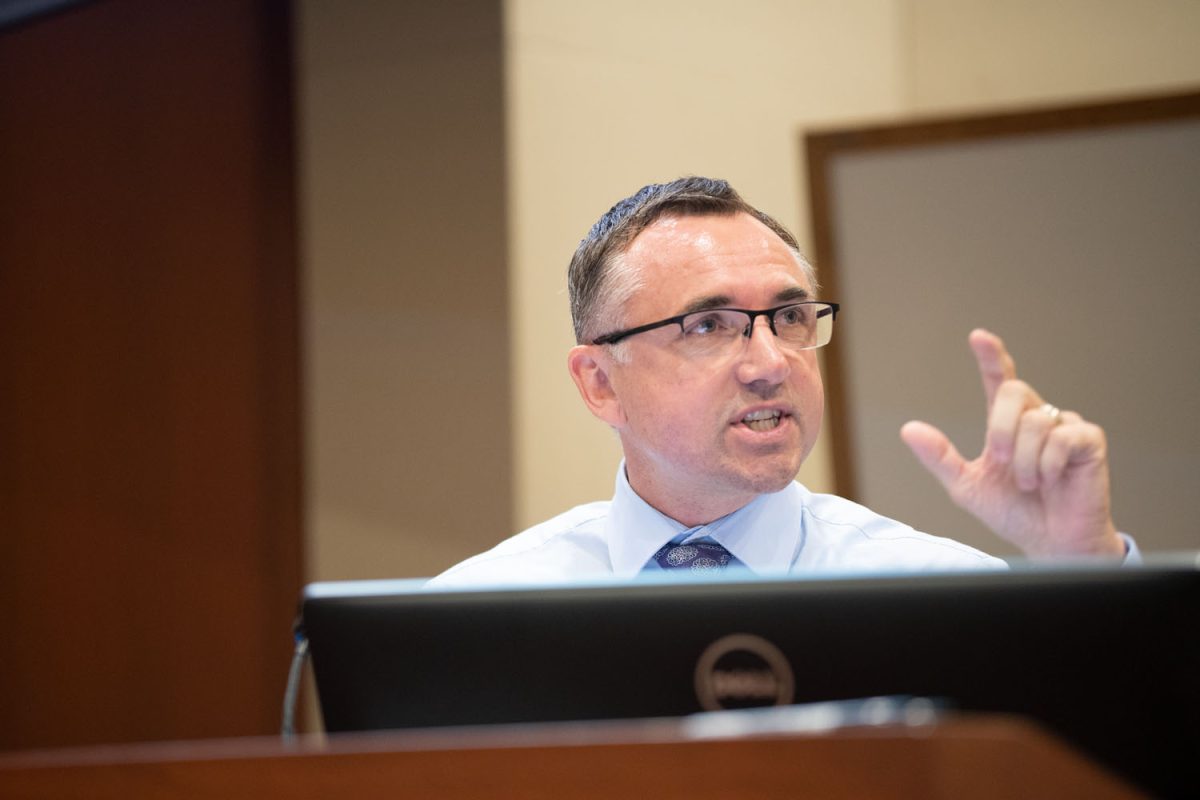
Umbehr’s instinct to “connect the dots” reflects the appeal that draws audiences into criminal investigations. Beyond the excitement surrounding the film’s local connection, experts see a deeper pattern in why the story has captured such widespread attention. Travis Linnemann, professor of criminology at K-State, pointed to the ongoing fixation with the genre.
“The HBO documentary is generating a fair amount of buzz, and of course there is the local tie-in,” Linnemann said. “But beyond that, the case and documentary demonstrate how central crime and ‘true crime’ is to the daily lives of many people.”
Linnemann’s point about the obsession with true crime resonated directly with his students, pushing them to look beyond screen adaptations and examine the human lives involved. Georgie Fraser, junior in criminology and psychology, found that Umbher’s work validated her passion for criminology.
“I have always loved true crime, and it’s what made me want to pursue criminology as a career field,” Fraser said. “She [Umbher] talked about wanting to work on the case and help her community out in any way she could. She was a clearly passionate speaker, so it was very eye-opening to hear her personal experience being on a criminal case as an everyday citizen. It helped me to learn more about what an individual being interested in true crime can contribute to cases such as the one she worked on.”
Today, the Umbhers maintain a hands-off role regarding the case of Dana Chandler, but the impact of their efforts goes a long way, as they provided key information to authorities. The Umbhers still believe that, with the case evidence, Chandler is innocent.
“This case was never about facts; it was never about evidence,” Umbher said. “It was about painting the ugly portrait of Dana Chandler.”