

































































































For decades, Kansas represented a predictable place on the country’s political map. Republicans consistently won the Electoral College, Democrats struggled to gain votes statewide and federal contests rarely attracted national attention. It was a red safe state.
That changed on Tuesday.
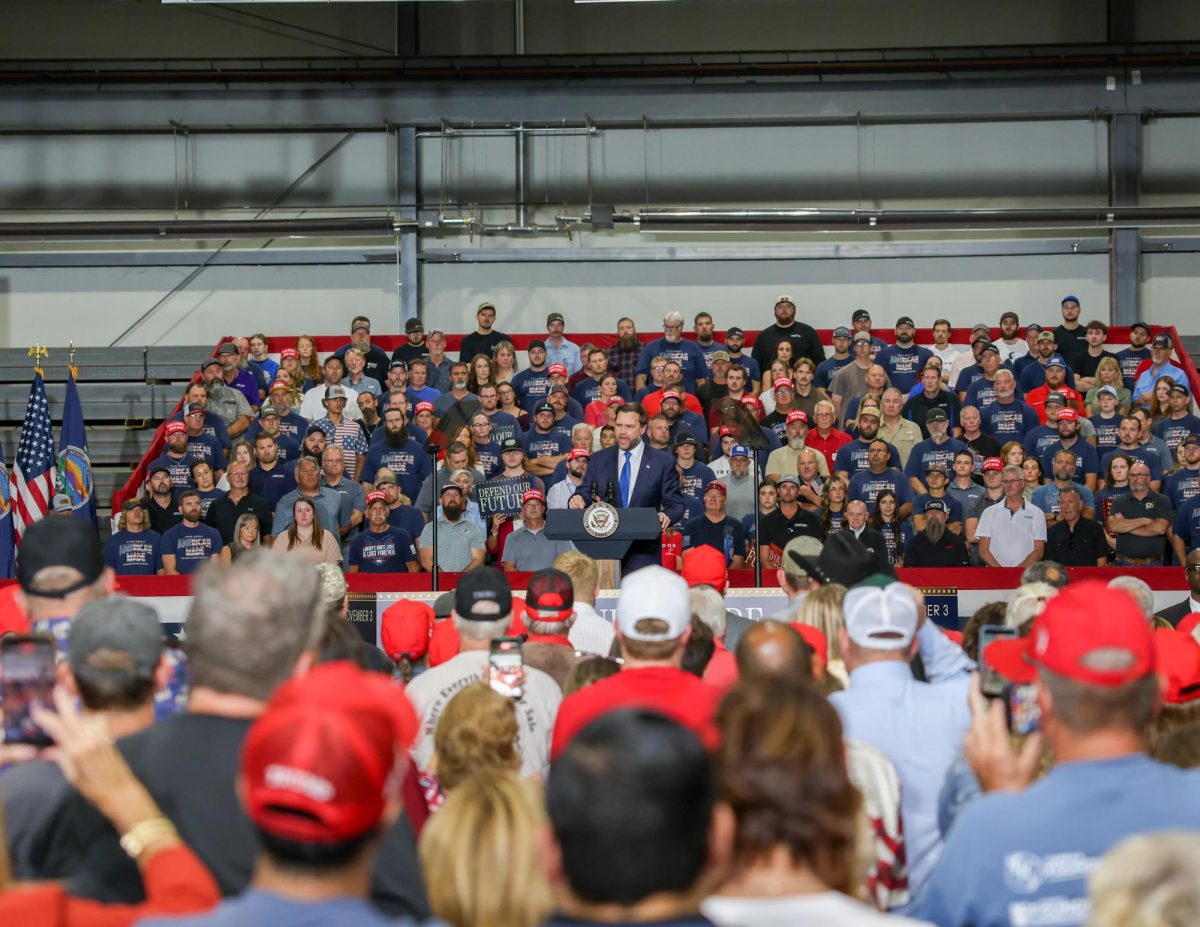
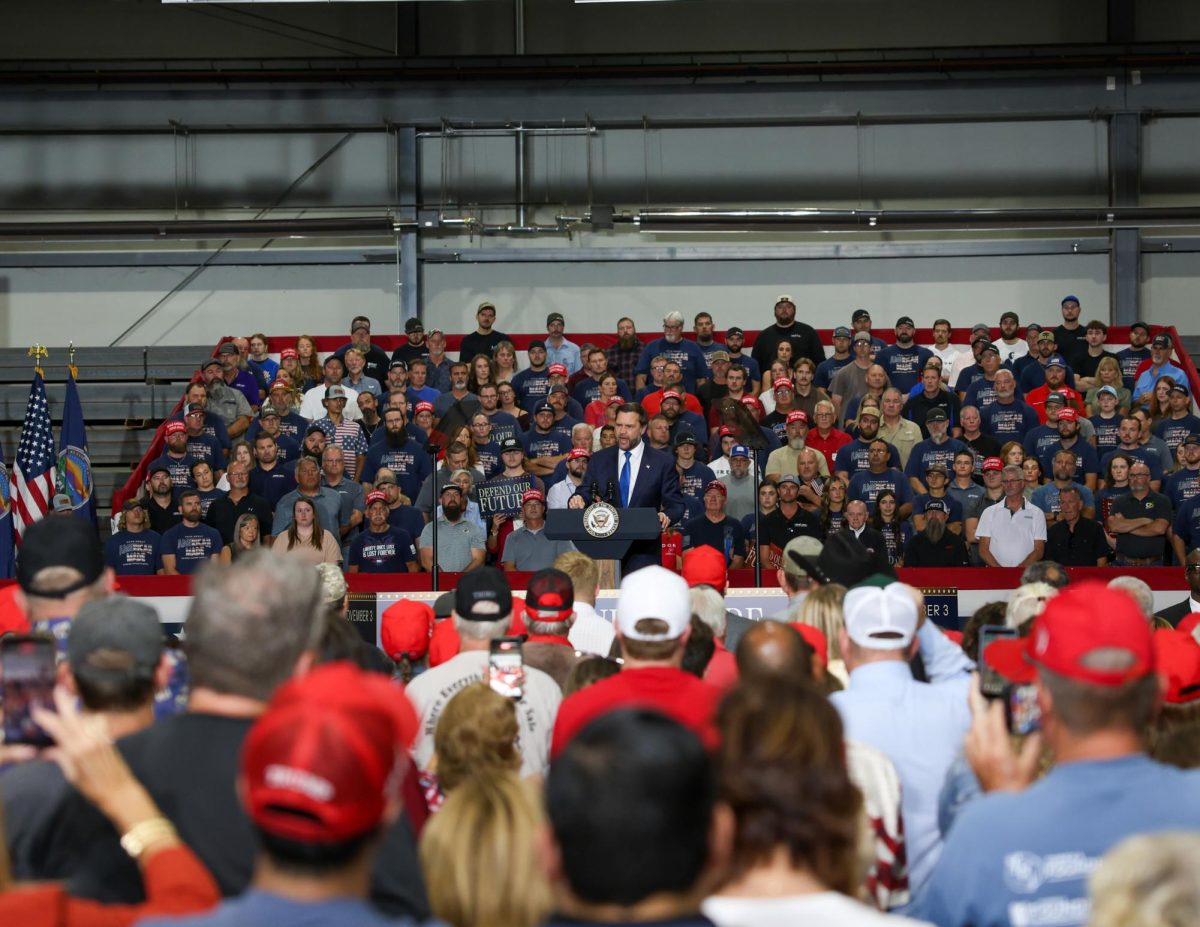
After months of record-breaking spending, nonstop advertising from both sides and visits from the president and vice president, the people of Kansas made their voices heard Tuesday night, and the results were historic.
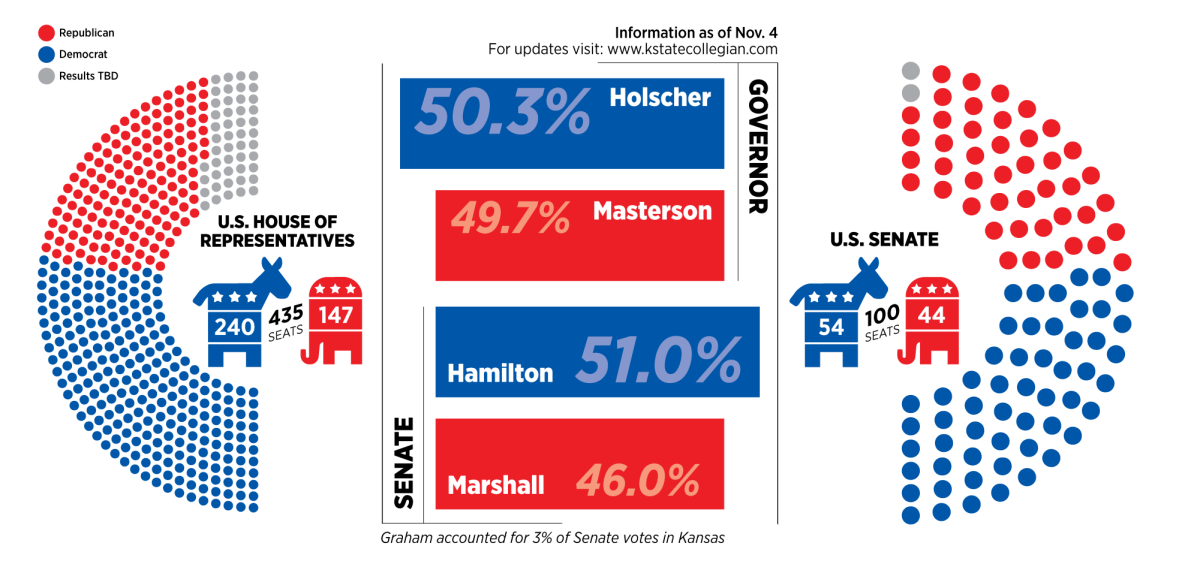
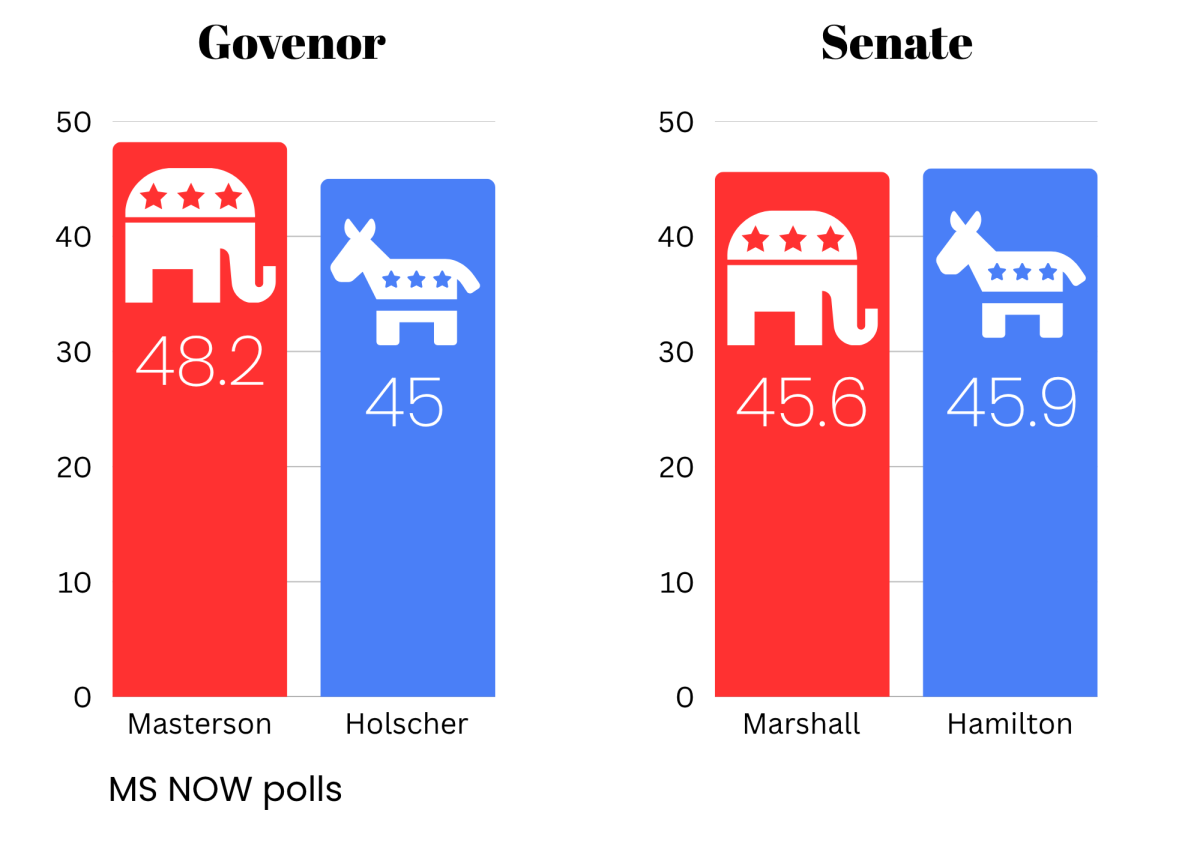
Kansas voters elected Democrat Adam Hamilton to the United States Senate, defeating Republican incumbent Roger Marshall, and Democrat Cindy Holscher won the gubernatorial race, defeating Republican Ty Masterson.
The results were unprecedented for a state that had not elected a Democrat to the Senate since 1932 and had never elected back-to-back Democratic governors in its history.
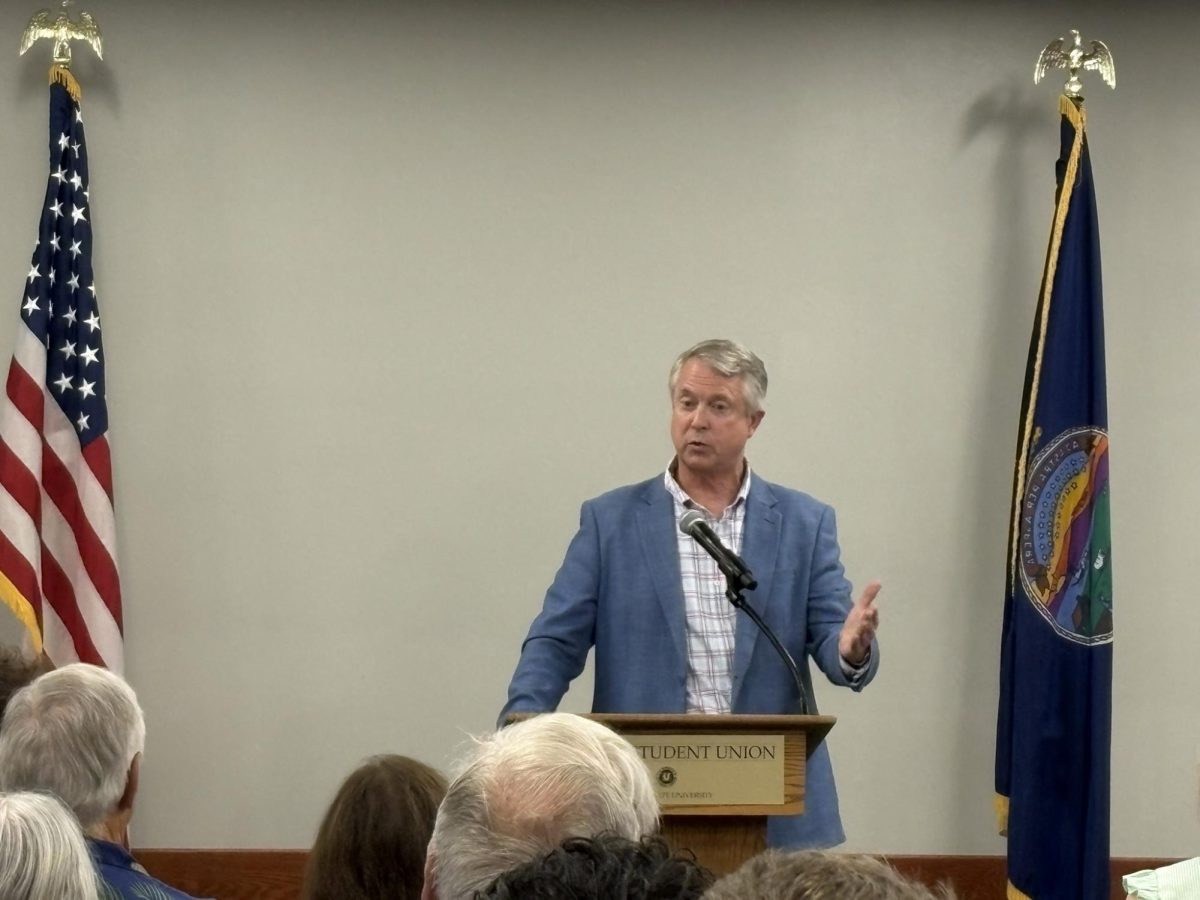
“The fact that they are having to defend in states that Trump won by double digits indicates just how much the pendulum is swinging,” Nathaniel Birkhead, K-State professor of political science, said.
Birkhead said Kansas’s competitiveness was less about the state itself and more about broader frustrations facing the Republican Party over the last couple of years.
“I think that this is less a Kansas-specific story and more of the national political movement that we’re in,” Birkhead said. “Because we are seeing these trends in almost every state.”
Hamilton’s victory immediately altered the national political conversation because of the Senate’s role in shaping federal policy.
Birkhead said a Democrat-controlled Senate will likely place more emphasis on oversight of the Trump administration and could push for different federal spending policies than Republicans have supported over the last two years.
“What will change, though, and what Democrats can control is the budget,” Birkhead said. “I would expect to see a dramatic shift in budgeting priorities.”
Birkhead said Democrats could seek increased funding for programs such as health care while reducing spending in areas like Immigration and Customs Enforcement (ICE) and the war in Iran. Congressional committees would also gain more power to investigate the administration and other federal agencies’ actions.
However, Birkhead said that even with House and Senate control, Democrats will not be able to simply enact their agenda freely. Most major legislation would still face procedural challenges, and President Trump still has veto power over all bills reaching his desk, something he has already discussed using frequently if needed.
“I think it’s going to be very hard for Democrats to pass many of the concrete policies they want to pass,” Birkhead said. “Anything that Trump vetoes, they likely wouldn’t have the supermajority to override.”
Instead, Birkhead said the results could force more negotiation between Congressional and Senate Democrats and the White House. With a split legislative and executive branch, bills and policies might require more bipartisan compromise than they have in recent years.
“If Donald Trump doesn’t sign [a spending bill], then we go into a government shutdown,” he said. “It’s going to be clear who’s responsible for that if it happens.”
For Democrats, Hamilton’s Kansas victory represented more than just a single flipped seat. It delivered a breakthrough in a state where Democrats had been shut out in the Senate for nearly a century.
“I think these campaigns highlight the internal conflict people are experiencing right now,” Lacy Miller, senior in political science and president of K-State Young Democrats, said. “They show a wake-up call.”
Miller said Hamilton’s campaign proved Democrats can compete in typically Republican states by focusing on state-specific issues rather than national party messages.
“He [Hamilton] has stood on what Kansans want,” Miller said. “I think that would help recognize that it’s not about the R or the D next to the candidate’s name, but about what they stand for and who they fight for.”
Noah Perry, junior in business pre-law, president of K-State College Republicans and former candidate for Kansas State House of Representatives District 66, said the race was critical to any hope Republicans had of maintaining their influence in Washington and avoiding gridlock. He said the Republican loss in Kansas should force policy leaders to reevaluate their strategy heading into upcoming election cycles.
“It’s definitely something we need to look at,” Perry said. “If it’s policies or messaging, we’re not sure yet. But something isn’t connecting with voters.”
Similarly, Birkhead said Republicans need to take a step back and analyze what happened.
“It’s an indication of the need to rethink a new strategy because this one may not be working anymore,” he said.
The impact of Tuesday’s results in Kansas extended beyond just the Senate race.
Holscher’s victory ensured Democrats would retain control of the governor’s office and showed another sign that Kansas voters broke from long-standing expectations and precedents. While the governor’s race carries far fewer direct implications nationally for Washington, Miller said it reinforces the idea that Kansas is more than just a solid red state every cycle.
Birkhead said a key takeaway may be Kansas not being an isolated upset, but rather a reflection of political trends reshaping the country.
Whether viewed as a referendum on Trump and his administration, a warning sign for the Republican Party, a breakthrough for the Democratic Party or a combination of the three, the message from Kansans and voters across the nation was clear Tuesday night.
Hamilton’s victory helped Democrats gain control of the Senate and the balance of power, upend nearly a century of political precedent and send a signal that voters and politicians can no longer take states once considered safely Republican for granted in today’s volatile political landscape.