


































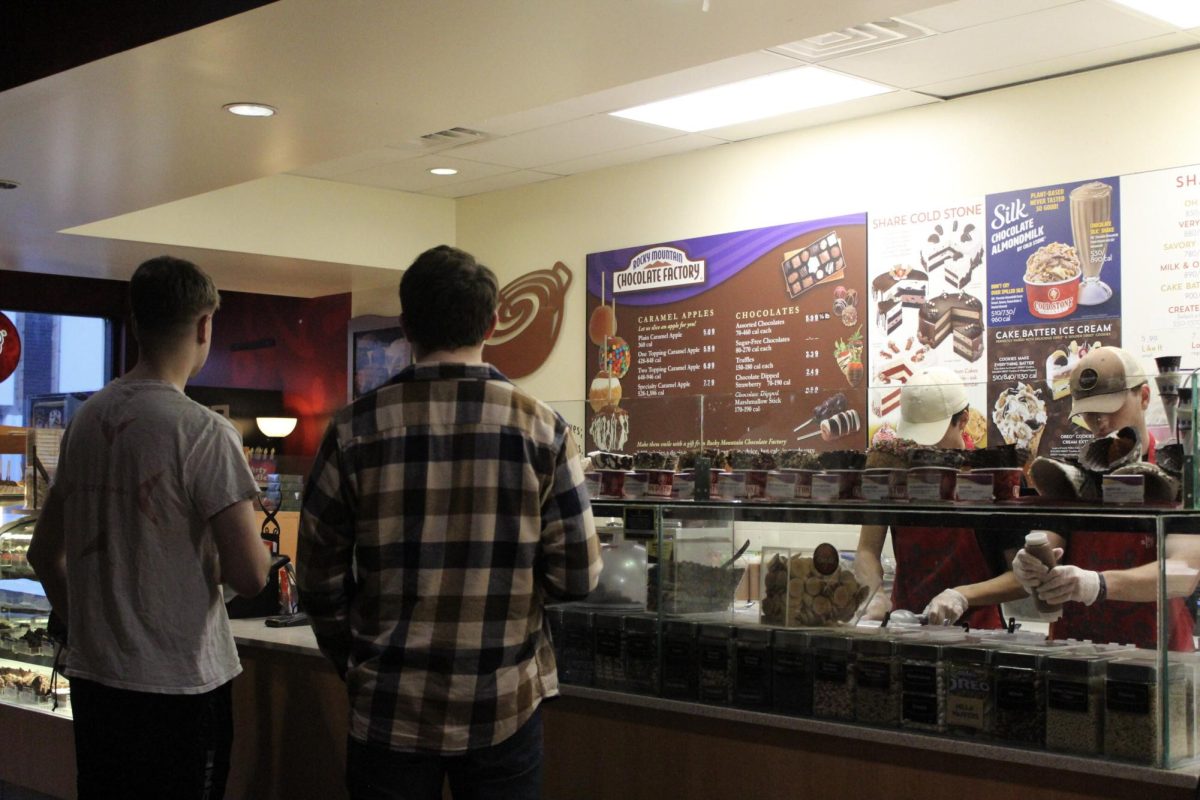












The K-State economics club completed its annual Student Price Index (SPI) report, revealing student living costs averaging at more than twice the rate of inflation compared to that of the average American.
Continuing the yearly tradition, K-State’s 24th SPI report demonstrates the shifts in student inflation since 2002. According to the report, the SPI has increased to a 7.5% rate of inflation from last year’s 3.6%. Additionally, the SPI measures a more than 100% increase compared to the Consumer Price Index [CPI] rate of inflation of 3.7%.
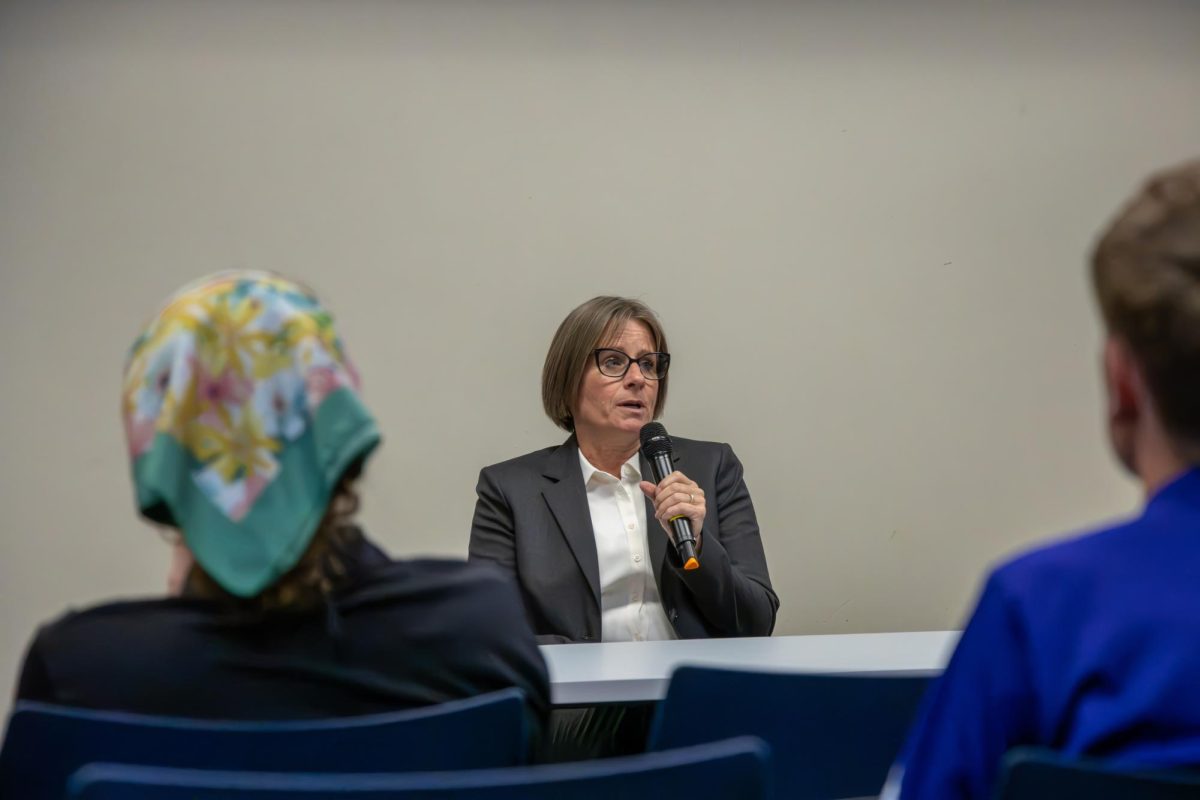
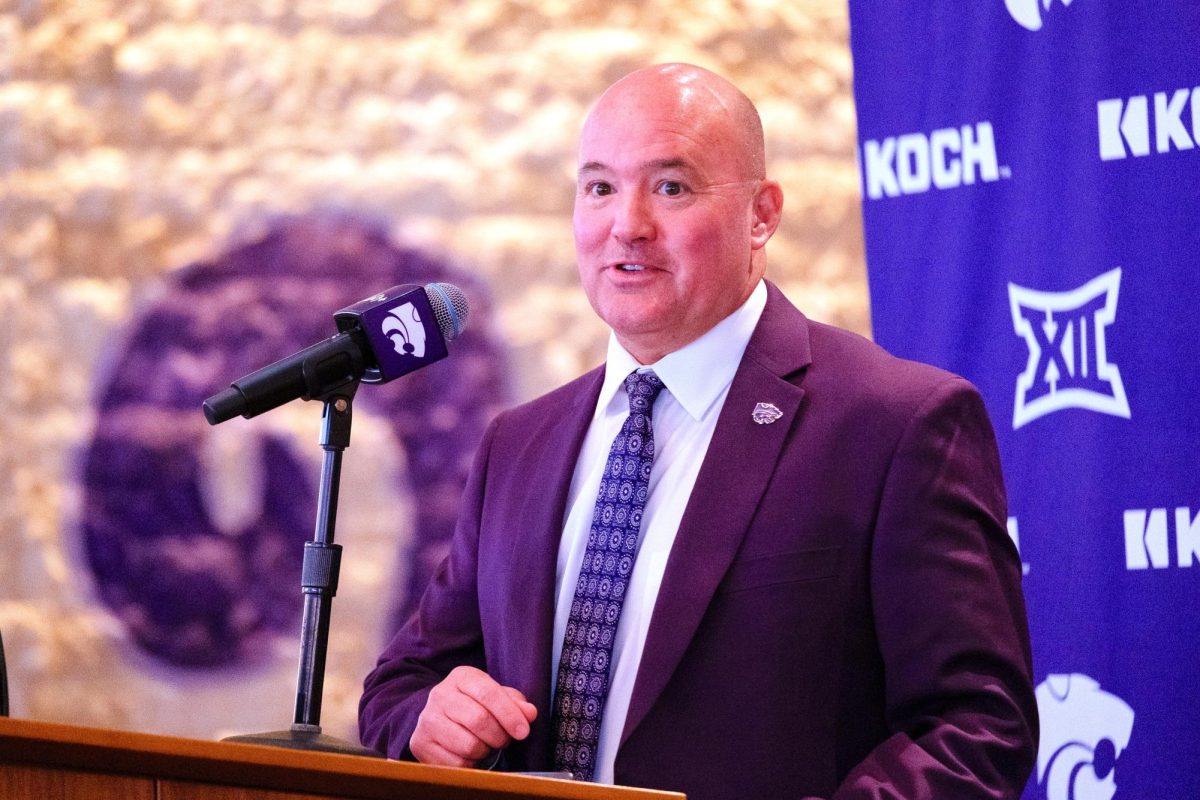
“It’s probably been well over a decade since we had this high of student inflation,” Dan Kuester, faculty advisor to the economics club, said. “That’s the big finding this year is that overall prices are up considerably for the K-State student [compared] to the average American.”
Similar to previous years, the economics club gathered prices relevant to students from visiting local stores, restaurants, gas stations and bars to determine this year’s SPI. Items included in the bundle of goods used to record prices included textbooks, tuition, housing, gasoline, groceries and internet, as well as recreational expenses such as ICAT and movie tickets, beer and pizza.
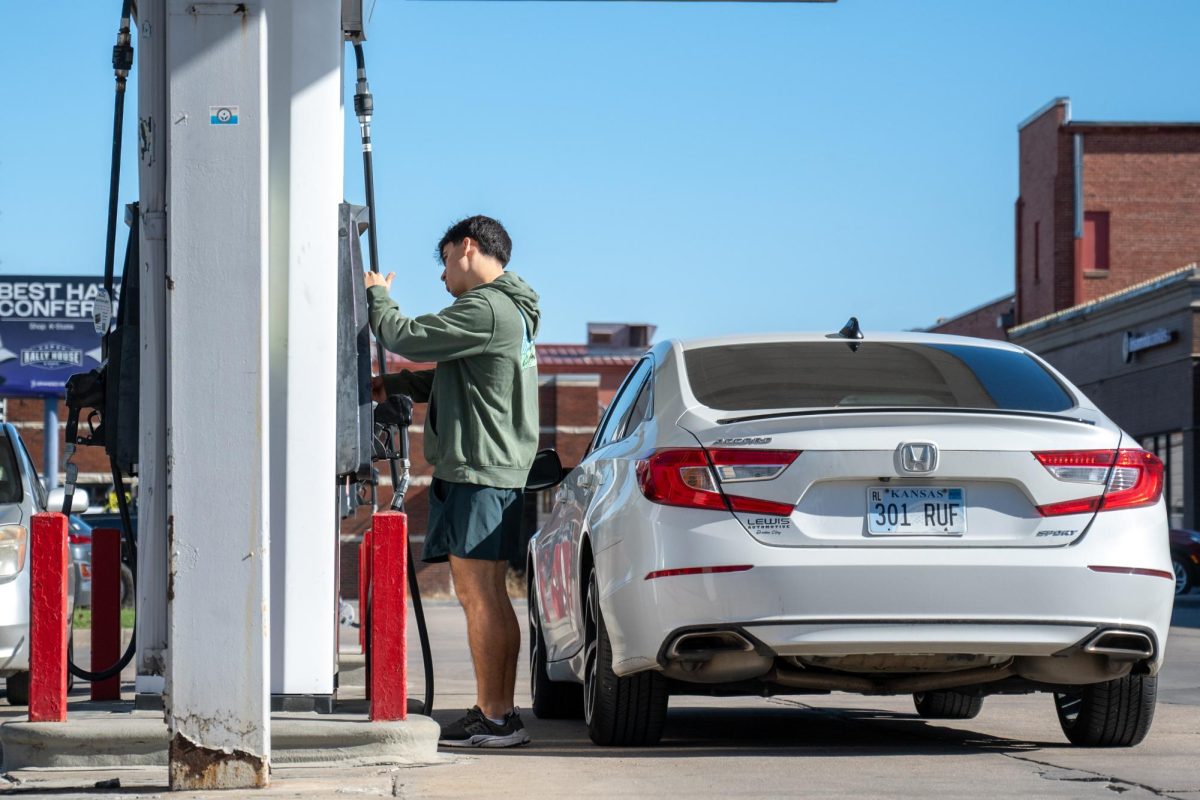
The largest level of inflation within the bundle was a 35.2% increase in gasoline, while internet measured the lowest rate at -9.1%. According to the U.S. Bureau of Labor Statistics, as of September 2026, gasoline prices have increased 34.2% nationally, acting as a main source of inflation within the CPI. The SPI report shows that tuition went up 4.8%, along with groceries, textbooks and housing increasing by 3.7%, 20.6% and 4.2%.
“The K-State tuition actually didn’t increase as much as we thought it would,” Maddie Bellmar, junior in economics and hospitality management and social chair of the economics club, said. “We’re seeing that [increase] in the gas [prices] just because of the conflict between the U.S. and Iran.”
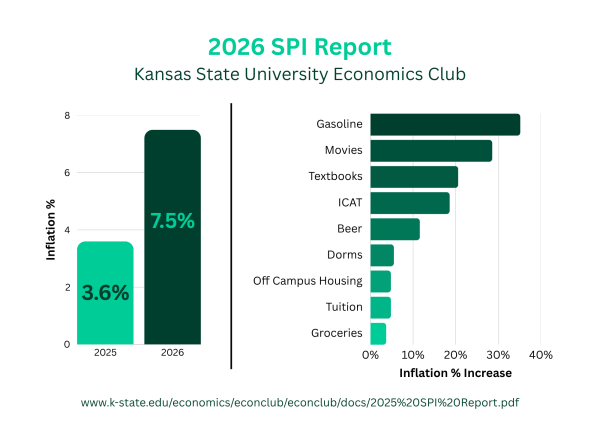
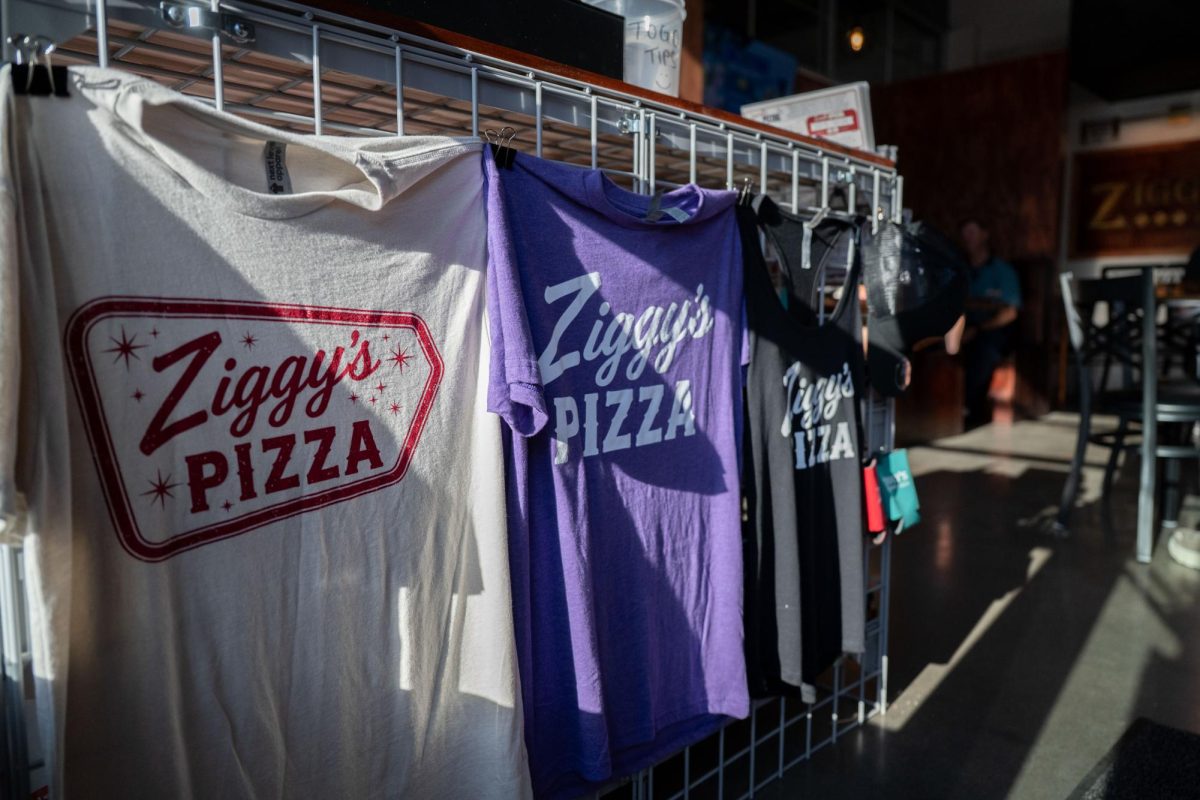
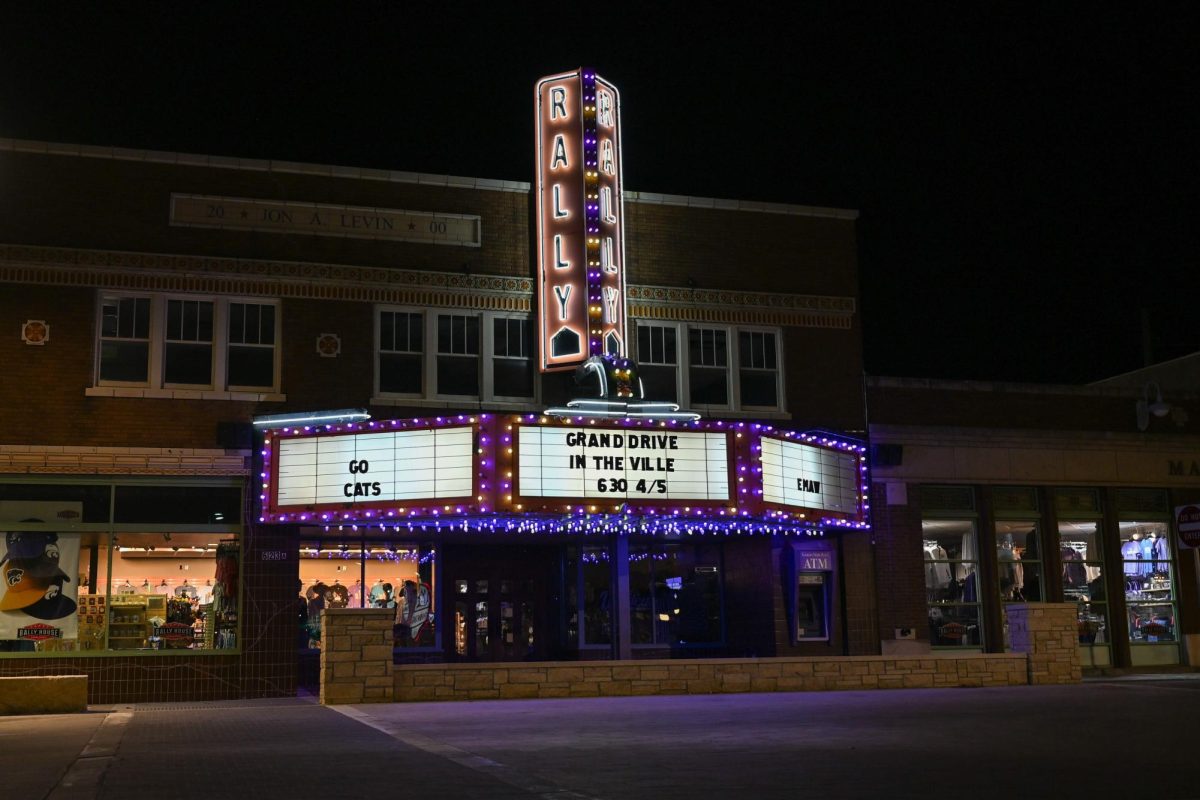
Items such as movie and ICAT tickets went up 28.6% and 18.6%, and beer and pizza showed a 11.6% and 3.1% increase, according to the report. Though these items are not necessities, they were included in the bundle of goods to more accurately reflect a full scope of a K-State students’ average spending.
“If students really want to tighten their budgets and kind of forgo some entertainment opportunities, then they’re not going to get hit quite as hard as the students that might like to get their ICAT tickets or go to the movies or go out and have a beer at the bar,” Kuester said.
Bellmar said students experiencing high levels of inflation this year likely struggle to manage classes, a job, a social life and other aspects of student and adult life.
“On top of just wanting to be a college student … and have leisure time, it can definitely be stressful trying to find a balance between maintaining that budget and also working, school and everything combined can be frustrating,” Bellmar said.