

























































































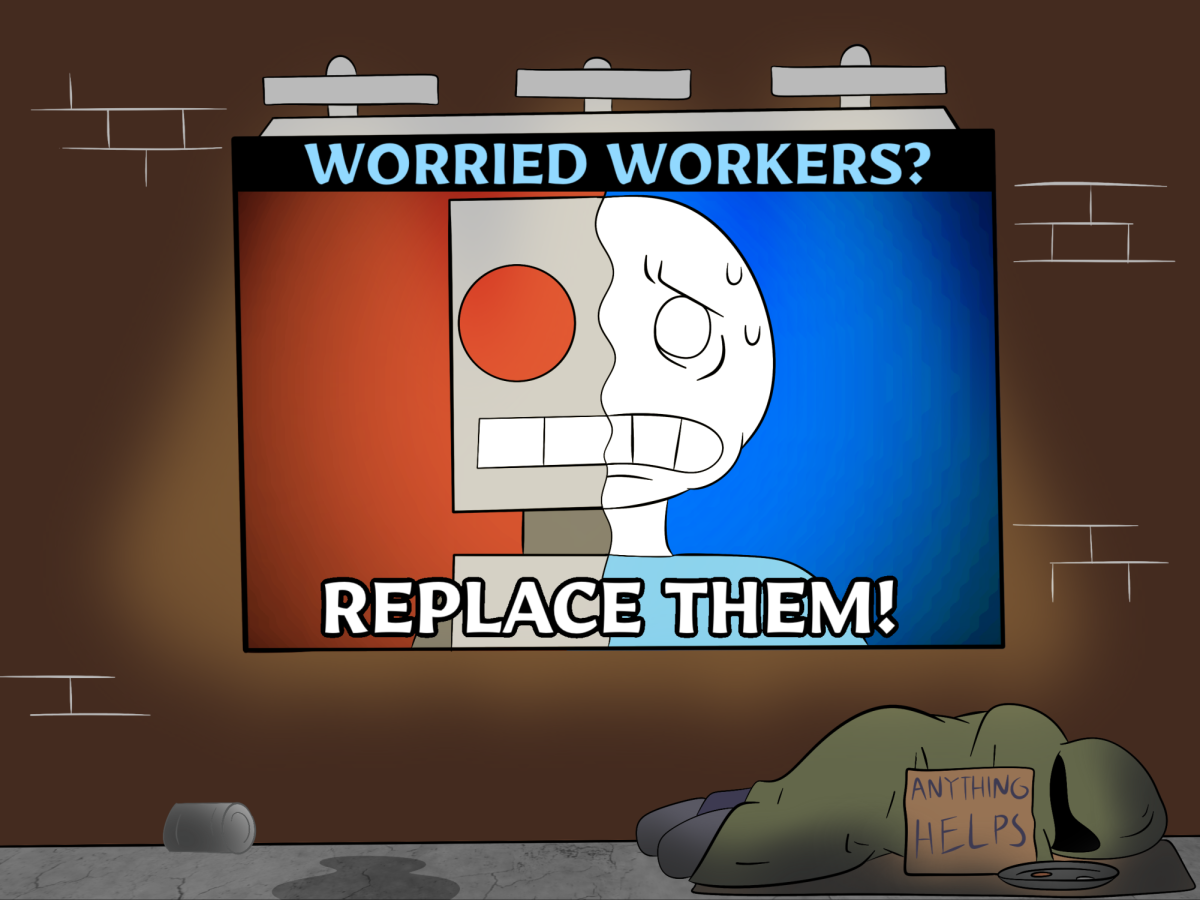


















The workforce is starting to look entirely different from what we expected when we started college — and AI is a major reason why. The more artificial intelligence integrates into workplaces and replaces jobs, the more it will be essential to strengthen skills that are inherently human.
Soft skills like empathy, teamwork, communication and leadership will stand out even more to employers. As technical tasks become automated and taken away from human employees, there will be greater value in the ability to work well with others and lead rather than simply completing assignments.
AI cannot make up for the creativity human beings offer. For many jobs, it is important to have a separate portfolio from your resume that will give you an opportunity to showcase projects and express originality.
Today, many resumes go through AI databases, so it is particularly crucial to tailor every application specifically to the job you are applying for. Keywords and relevant experience will be beneficial in making it through the first round of applications.
Some baseline interviews even have AI interviewers, an unbelievable reality when the point of an interview is to show who you are to someone you might work with in the future, not an AI bot. A computer program cannot learn anything of worth about a potential employee.
The rise of AI will also make academic achievement less impressive than lived experience, as well as volunteer and community opportunities.
Building relationships with people in your field can open doors to careers that are not even publicly advertised. The impressions you make during networking events and keeping up with connections can go a long way post-graduation.
Don’t be afraid to reach out to someone you admire on social media platforms or through professional applications like LinkedIn. The worst they can do is not respond, but maybe you’ll end up receiving helpful advice, a mentor or a new opportunity.
Understanding AI and having a foundational knowledge of how to utilize it is important because it is not going away. Impressive employees in the future will be able to recognize mistakes that AI makes and evaluate information so work is quicker, but not replaced. Those who refuse to adapt will be disadvantaged in the future and, unfortunately, will be more likely to lose their job.
Technology and the job market will continue to change, meaning learning doesn’t stop after college. A successful employee will step outside of their comfort zone to grasp new intelligence and capabilities.
There is no point in pretending that AI will not affect our future; we know it will. Preparing for the future will require us to learn and adapt. The goal is not to compete with a database, but to become someone who is more irreplaceable to a business than AI.