




































































Nostalgia has become a real business plan across coin-op entertainment. Cabinet builders blend vintage looks with modern parts to win players who grew up near glowing marquees. The shift follows changing buyer ages, new venue formats, and a fresh appetite for hands-on play. What you get is a market where old-school charm brings in new money and keeps crowds coming back for more.
Why Retro Design Is Winning Buyers
Adults between 30 and 50 make up a big share of arcade spending now. Many still recall joysticks, bright signage, and the low buzz of an aging cabinet. Builders notice this emotional pull and design products to trigger it.
Retro cabinets today pair authentic controls with sharp screens and updated internals. Several leading game machine manufacturers, including those mentioned, have tuned this balance so that machines feel familiar yet run reliably under heavy daily use. The careful mix lets operators justify a steeper price while keeping repairs predictable across busy floors. Buyers warm to that pairing of sentiment and dependability.
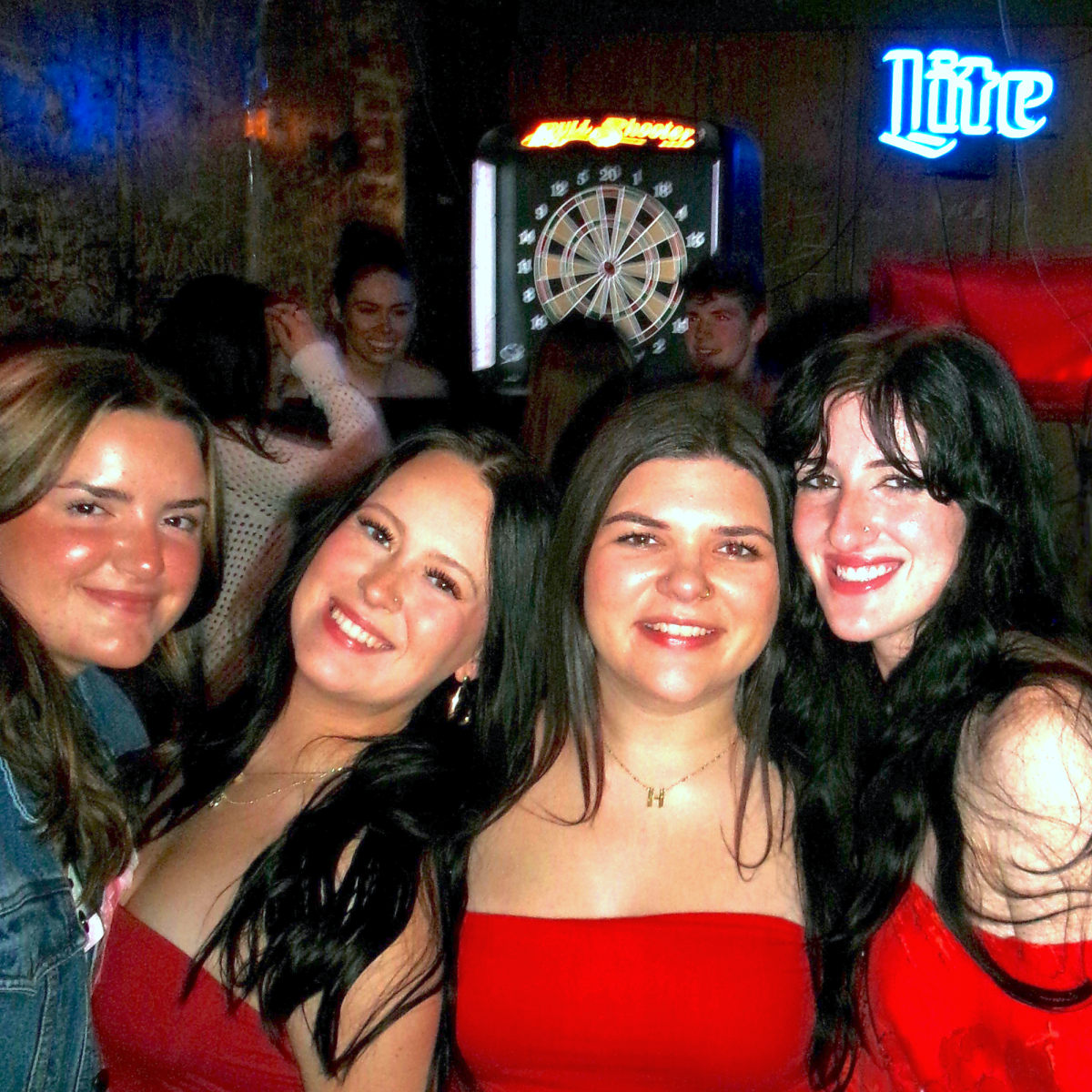
The numbers line up. Location-based entertainment income keeps rising, and barcades plus family spots are expanding their retro sections. Such venues rely on visual identity to draw guests, and vintage machines deliver instant recognition.
Design Choices Driving The Comeback
Authentic Cabinet Styling
Wood-grain panels, lit marquees, and bold artwork remain central to the retro look. Makers copy these touches closely because visual accuracy matters to sentimental players. A convincing shell sets expectations before anyone presses a button.
Tactile Controls That Feel Right
Solid buttons and quick joysticks separate the genuine article from touchscreen substitutes. Players prize the resistance and click of quality parts. Builders now choose premium components to recreate that satisfying feedback, since loose or spongy controls ruin the experience quickly.
Smart Internals Behind Vintage Shells
Beneath the throwback surface sits current technology. Multi-game boards, high-def displays, and network links let operators serve dozens of classic titles on one unit. The setup keeps servicing simple while holding onto the retro face customers came for.
Benefits For Operators And Venues
Vintage cabinets earn their keep through strong per-machine income. The bold styling pulls people across a room, and familiarity nudges guests toward longer sessions. Owners report these nostalgic units often outperform plain modern models on collections.
Longevity is the second win. Sturdy cabinets survive years of constant handling, so replacement cycles stretch further. Operators favor gear that holds its value and keeps earning well past the day it arrives.
Promotional value closes the case. A row of glowing vintage machines becomes shareable content, and social posts spread venue awareness at no extra cost. That natural reach gives owners a measurable lead over rivals.
Challenges Makers Still Face
Weighing authenticity against cost stays tricky. Quality materials and licensed titles push production bills up, which can shove retail figures past some budgets. Builders must judge where sentiment earns the spend and where a practical stand-in works.
Licensing raises more hurdles. Securing rights to loved classic games means negotiation plus recurring fees. Firms that handle those deals well reach titles carrying real emotional pull for buyers.
Steady supply demands care too. Sourcing genuine-feeling parts at volume needs partners you can trust, since quality slips and wounds reputation quickly. Companies investing in stable supply chains protect both product integrity and buyer confidence.
What The Trend Signals Ahead
This focus on heritage styling hints at a bigger change in how people value play. Physical, social outings continue to draw crowds, despite the endless options at home. Cabinets offer something home screens cannot quite match, namely shared space and touchable interaction.
Expect makers to keep refining the recipe. Hybrid units that respect the past while adding useful upgrades seem set to lead coming catalogs. Businesses reading player sentiment correctly will keep a clear commercial edge.
Conclusion
Nostalgia-driven design has moved from gimmick to core plan across the arcade trade. Buyers want cabinets that stir memories yet hold up in tough commercial rooms, and makers are answering with clever hybrids. As venues deepen their retro identity, the approach should continue to benefit operators and please players. The past, it turns out, stays a dependable driver of future growth in coin-op entertainment.