



















































Starting or growing a custom printing business requires more than good equipment. You also need products that customers want to buy. Direct-to-Film (DTF) printing gives businesses a flexible way to create colorful designs on different garments and fabric products. It supports small orders, personalized items, and designs that would be difficult to reproduce with traditional printing methods.
If you want to expand your product range or attract new customers, here are ten DTF printing ideas worth considering.
1. Custom T-Shirts
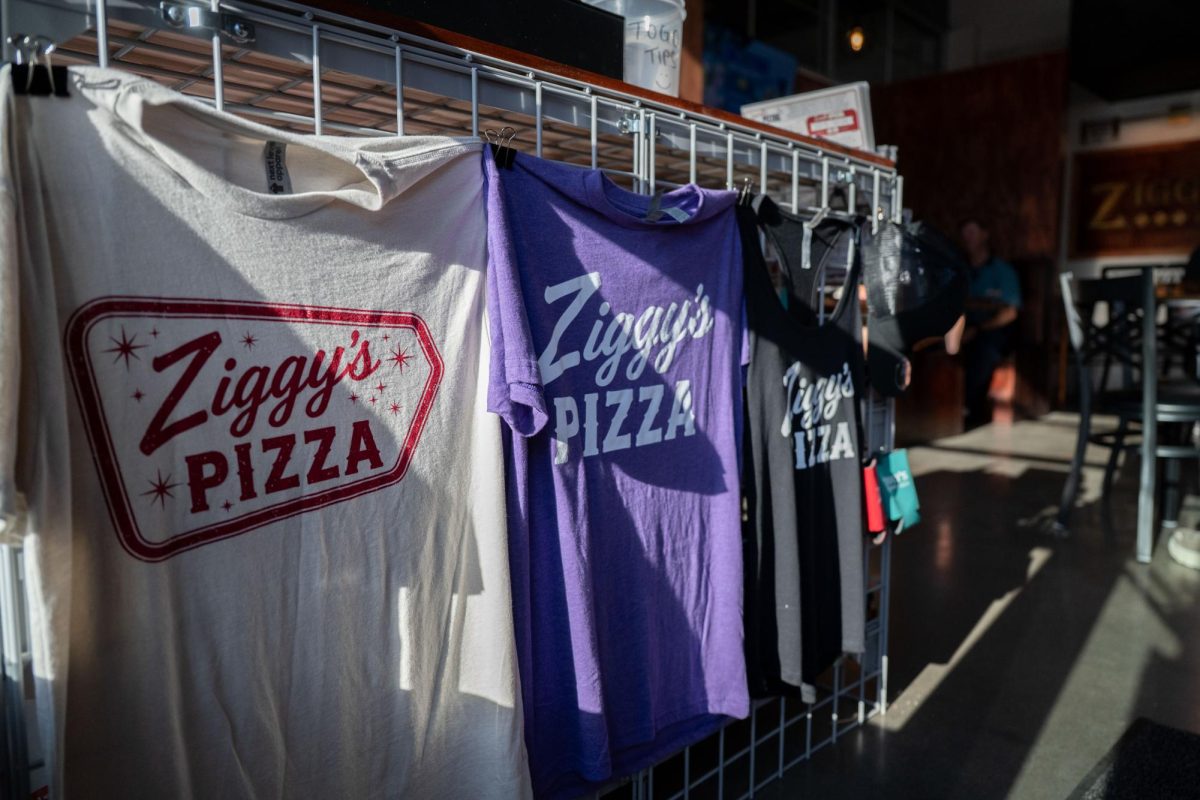
Custom T-shirts are a natural starting point for a DTF printing business. Customers may want shirts featuring personal artwork, family names, company logos, or event designs.
You can serve different markets by offering products for birthdays, family reunions, school activities, and local events. Instead of producing large quantities of one design, DTF printing allows you to handle smaller orders with different graphics.
Focus on clear designs, comfortable garments, and consistent print quality. A small collection of sample shirts can help customers understand your options before placing an order.
2. Personalized Hoodies and Sweatshirts
Hoodies and sweatshirts offer opportunities for higher-value custom products. They are popular for school groups, sports teams, clubs, and clothing brands.
You can offer front logos, large back graphics, sleeve designs, or personalized names. Seasonal collections are another option, particularly during colder months and holiday periods.
When printing thicker garments, test the transfer process carefully. Fabric texture, pressing conditions, and garment construction can affect the final result.
3. Branded Workwear
Small businesses often need branded clothing for employees. Restaurants, repair shops, cleaning companies, construction teams, and delivery services may require shirts or uniforms with company logos.
This can create repeat business because companies may order additional garments when hiring new employees or replacing worn uniforms.
Offer simple ordering options, such as standard logo placement, a choice of garment colors, and several size ranges. Keeping the process straightforward can make it easier for business customers to reorder.
4. Sports and Team Apparel
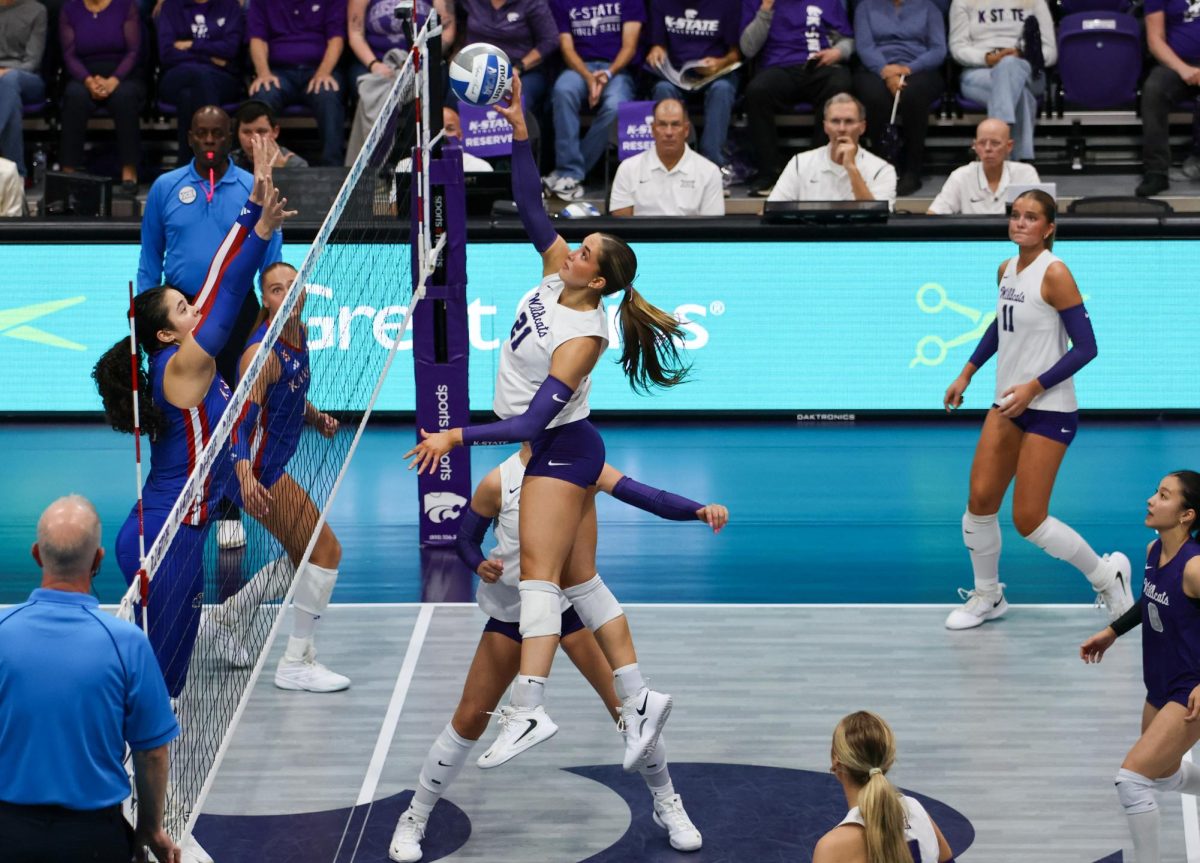
Local sports clubs and recreational teams often need personalized clothing. DTF printing can be used for team shirts, training tops, warm-up garments, and fan merchandise when the fabric and transfer materials are compatible.
Names, numbers, team logos, and sponsor graphics are common design elements. You can also offer matching items for coaches, supporters, and family members.
To manage these orders efficiently, collect sizes and personalization details in a consistent format before starting production. This reduces errors and makes larger group orders easier to organize.
5. Tote Bags and Fabric Accessories
Tote bags are useful products for promotional campaigns, retail stores, events, and everyday shopping. With DTF printing, you can create bags featuring slogans, illustrations, business logos, or original artwork.
Other possibilities include fabric pouches, drawstring bags, and compatible textile accessories. These products can appeal to customers who want personalized gifts or reusable promotional items.
Before accepting an order, check the material and surface. Not every bag fabric is suitable for every transfer, so testing a sample helps confirm adhesion and appearance.
6. Custom Clothing for Events
Events create opportunities for short-run printing. Weddings, birthday parties, company gatherings, festivals, and charity events may need coordinated shirts or other fabric products.
You can offer designs with event dates, names, slogans, or custom illustrations. Customers may also appreciate matching apparel for organizers and participants.
Because event orders usually have fixed deadlines, confirm the quantity, sizes, artwork, and delivery date before production. A clear approval process can prevent last-minute changes.
7. Custom Baby and Kids’ Clothing
Personalized clothing for babies and children can be a useful addition to a DTF printing business. Parents may want custom T-shirts, sweatshirts, or other garments featuring names, cute illustrations, or playful designs.
You can offer matching outfits for siblings, personalized baby gifts, and themed clothing for special occasions. Simple designs with names, initials, or colorful graphics can help attract parents looking for unique clothing for their children.
When printing children’s clothing, select suitable fabrics and compatible transfer materials. Test each garment to ensure the print adheres properly and remains durable after washing.
8. Limited-Edition Clothing Collections
Small clothing brands can use DTF printing to test new designs without committing to a large production run. For example, a brand could release a seasonal collection, a limited-edition graphic series, or products based on customer feedback.
Start with a few designs and monitor which products attract the most interest. You can then produce more of the popular options while reducing the risk of unsold inventory.
As orders grow, choose equipment that matches your expected workload. A dual head DTF printer may be worth evaluating for a small business that needs a compact setup and more production capacity than a basic single-head configuration. Actual output depends on print settings, artwork, and the complete transfer workflow.
9. Promotional Products for Local Businesses
Beyond apparel brands, local companies may need printed fabric products for marketing campaigns. Examples include branded bags, staff shirts, event merchandise, and customer giveaways.
Build relationships with businesses that organize regular promotions or attend trade shows. Offering consistent artwork and straightforward reordering can help turn one-time orders into ongoing work.
You can also create sample packages to demonstrate different product options. This gives potential customers a clearer idea of how custom printing can support their marketing activities.
10. Personalized Gifts
Personalized gifts are suitable for birthdays, holidays, anniversaries, and other special occasions. Printed shirts, sweatshirts, and fabric accessories can feature names, photos, meaningful dates, or custom messages.
Consider creating ready-made design templates that customers can personalize. This reduces the time needed to prepare artwork while still giving each order an individual touch.
Gift orders may increase around major holidays, so plan material purchases and production capacity ahead of busy periods.
Choosing Equipment for Your Business
The products you plan to sell should guide your equipment choice. Consider printing width, expected order volume, printhead configuration, available workspace, maintenance needs, and the cost of consumables.
A lower purchase price does not always mean lower operating costs. Ink, transfer film, adhesive powder, electricity, labor, and maintenance all affect the cost of each finished item.
If you are comparing entry-level and commercial equipment, explore the best cheap DTF printer for sale options available for your production needs. Compare specifications and included equipment carefully, and request sample prints where possible before making a purchase.
Conclusion
DTF printing can support a wide range of business opportunities, from custom T-shirts and workwear to event merchandise and personalized gifts. The best approach is to start with products that match your customers, test designs in small batches, and expand based on actual demand.
With suitable equipment, consistent production practices, and a clear product strategy, you can build a custom printing business that responds to customer needs and develops over time.