























































































































Wellness is no longer limited to simple routines or traditional self-care. Over the past few years, a wave of medical-grade technologies has quietly made its way into everyday life, reshaping how people manage recovery, longevity, and overall well-being. Many individuals now begin their exploration by turning to trusted resources such as Morelli Medical, a reflection of how common it has become for consumers to research advanced therapies that were once reserved for clinics or elite facilities. What was previously considered futuristic, oxygen-based therapies, targeted light treatments, precision recovery tools, is now entering homes, gyms, and wellness spaces with unprecedented accessibility.
This shift didn’t happen overnight. It has been shaped by cultural changes, scientific discovery, and a growing desire for proactive health strategies. People want options that help them recover faster, feel better, and build resilience without relying solely on medical intervention. High-tech wellness offers exactly that: tools that bridge the gap between clinical capability and personal empowerment.
The Changing Relationship Between Consumers and Health Technology
For decades, medical technologies were physically and financially out of reach for the average person. Hyperbaric chambers, infrared devices, neuromodulation tools, and similar innovations required specialized facilities, trained technicians, and complex maintenance systems. As a result, only professional athletes, high-performance groups, or individuals receiving clinical treatment could benefit from them.
But today’s consumers expect more from their wellness routines. They want precision, convenience, and meaningful results. Manufacturers and medical providers have responded by refining these technologies into formats that are safer, more compact, and easier to operate. What used to be complex equipment is now designed with user-friendly controls, home-compatible builds, and long-term affordability in mind.
This evolution reflects a broader cultural shift: people are no longer passive participants in their own health. They are informed, curious, and eager to adopt tools that help them make measurable improvements.
Why People Are Seeking More Advanced Wellness Solutions
The demand for accessible high-tech wellness is growing because the pressures of modern life have changed. People are dealing with more stress, more screen time, more disrupted sleep, and more physical strain than ever before. Traditional rest alone often isn’t enough to counterbalance the impact. As a result, many individuals are looking for ways to support deeper recovery using technologies that complement the body’s natural processes.
Scientific research continues to support this curiosity. Studies from institutions like the National Institutes of Health have shown that structured, therapeutic environments, whether through controlled atmospheric pressure, targeted light exposure, or neural regulation techniques, can influence healing, energy production, and inflammation in meaningful ways. These findings validate what consumers have long sensed: advanced recovery often requires more than passive downtime.
High-tech wellness doesn’t replace foundational habits such as sleep, nutrition, or movement, but it enhances them. It offers another layer of support that helps individuals adapt to the demands of modern living.
The Rise of At-Home Therapeutic Devices

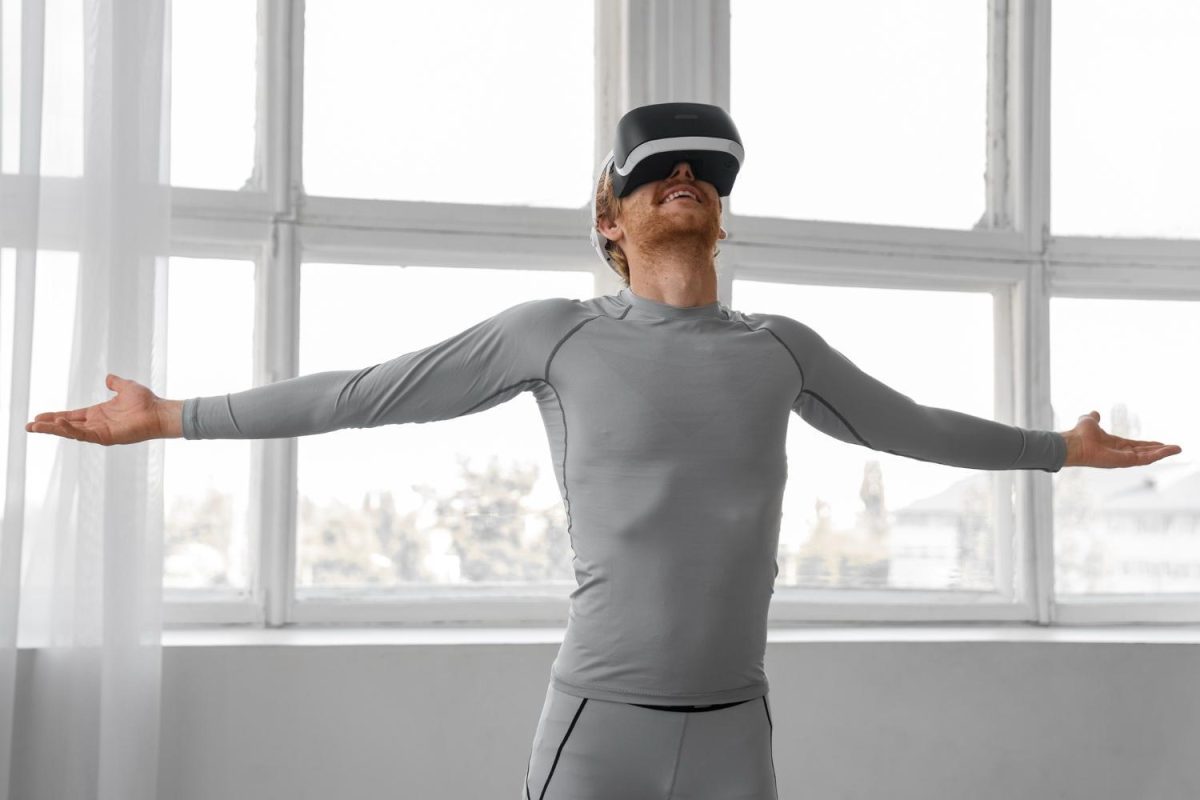
Image from Freepik
One of the biggest reasons high-tech wellness is becoming more accessible is the rise of at-home therapeutic devices. What once required traveling to a specialized center can now be used at home, on one’s own schedule. This change has made technologies like infrared therapy, oxygen-support tools, and recovery equipment part of everyday routines rather than occasional luxuries.
The shift toward portable and home-compatible devices reflects a desire for autonomy. People want recovery that fits their lives, not the other way around. They want to support healing after long workdays, intense workouts, or periods of emotional strain without relying solely on external appointments or facilities.
The ability to bring advanced recovery into the home is one of the most significant transformations in modern wellness. It democratizes therapy, reduces barriers, and allows consistency, one of the strongest predictors of long-term health changes.
Understanding Value in Modern Wellness Investments
As high-tech wellness becomes more accessible, consumers are also becoming more strategic about value. Instead of impulsive purchases, they research benefits, mechanisms, expected outcomes, and long-term cost-effectiveness. Interest in pricing, especially for advanced tools like hyperbaric chambers, is more transparent than ever. People want to know how these technologies work, what they cost, and whether the investment will meaningfully improve their daily lives.
This shift toward informed decision-making is reshaping the wellness market. Providers now offer clearer education, better customer support, and transparent pricing because today’s consumers expect to understand the full picture before integrating a new technology into their routine.
Value is no longer defined solely by price. It is defined by longevity, benefits, and the ability of a device to support long-term health goals.
The Emotional Appeal of High-Tech Wellness
Beyond the physical benefits, advanced wellness tools offer something subtle but powerful: reassurance. Using a medical-grade device at home gives individuals a sense of agency. It reinforces the idea that recovery is within their control, that healing does not have to wait for an appointment, and that they can support their bodies with precision and intention.
This emotional shift is significant. When people feel empowered, they are more consistent. When they are more consistent, wellness becomes a sustainable part of life instead of a temporary trend.
High-tech wellness technologies allow individuals to build routines that support how they want to feel every day, more energized, more resilient, less tense, and more capable of handling life’s demands.
The Future of Accessible Wellness Technology
The momentum behind accessible high-tech wellness is only accelerating. As devices become smarter, more intuitive, and more integrated with personal health data, individuals will gain an even clearer understanding of what their bodies need and how to support recovery effectively. The future of wellness will combine scientific insight with user-friendly tools that allow people to participate actively in their own healing.
This evolution moves wellness away from guesswork and toward strategy. It reshapes well-being into something that is both deeply personal and widely attainable. And as long as innovation and education continue to advance together, high-tech wellness will become not just accessible, but essential.