




























































































The best books to start reading habit for adults are often recommended as entry points for adults returning to reading. Modern work schedules and screen fatigue frequently disrupt personal development goals and reading habits. Many adults intend to read more books but struggle to finish lengthy chapters after completing a demanding workday.
We reviewed bestseller lists, public library recommendations, feedback, and digital learning communities to find the best book titles. Our research involved analyzing reader discussions on book-summary platforms to identify which narratives keep people engaged. While checking Deepstash reviews to see how individuals compare learning and reading apps, we focused on books that consistently help people rebuild their daily tracking routines.
The selections below serve as practical entry points for adults returning to literature. You can review the list and find a title that fits your schedule and interests!
1. ‘Atomic Habits’ by James Clear Helps You Build a Reading Routine
This text focuses on how tiny changes alter daily behavior. James Clear explains the structure of habit loops, which consist of:
- A cue
- A craving
- A response
- A reward
He introduces identity-based habits in which you focus on the person you wish to become. You can apply the two-minute rule from this book to your reading goals. The rule states that a new habit should take less than two minutes to start, such as reading a single page each night. This method lowers the mental barrier to starting.
According to data from Penguin Random House, this title has sold over 20 million copies globally. The structural design supports individuals who possess limited free time:
- Clear chapter structure
- Practical examples
- Short reading sessions fit naturally
Many readers actually use book-summary apps to review the core concepts before committing to the full text. You can read a concise version on the book summary app to see if the action steps fit your current lifestyle.
2. ‘The Psychology of Money’ by Morgan Housel Makes Reading Feel Accessible
Morgan Housel presents finance through 19 short stories that focus on human behavior. He explains that doing well with money relates to how you behave, not how smart you are. The text examines why individuals make financial choices based on personal history and unique worldviews.
Every chapter functions as an independent essay. You can finish a section in one sitting without losing the book’s core message. This structure keeps you moving forward quickly because you do not need to remember complex plot points from previous pages.
The book remains a frequent recommendation in major financial publications and has achieved millions of sales globally. Readers who enjoy short-form learning and all-around knowledge lessons often use Nibble. This app provides 20+ topics where you can learn art, history, psychology, biology, and other essential themes between reading sessions to maintain a daily learning routine.
This practice keeps the brain accustomed to processing new information every day:
- Independent chapters
- Everyday examples
- Moderate reading length
3. ‘The Comfort Book’ by Matt Haig Gives You Short Reading Sessions
This book is a collection of notes, lists, tips, and reflections that Matt Haig wrote to his future self. The content includes short essays, historical anecdotes, lists of comforting music, and more essential insights. There is no overarching plot or chronological sequence to follow.
The format helps adults who experience low attention spans after staring at computer screens for work. You can open the book to any page, read for five minutes, and complete a self-contained thought:
- Nonlinear reading
- Compact chapters
- Low commitment structure
4. ‘Educated’ by Tara Westover Shows How Strong Stories Keep You Reading
Educated by Tara Westover shows how powerful storytelling can make readers turn page after page. Westover recounts growing up in a rural, survivalist family in Idaho, where she received little formal schooling and did not set foot in a classroom until the age of seventeen. Determined to change the course of her life, she taught herself enough mathematics and grammar to gain admission to college.
The memoir follows her journey from Brigham Young University to Cambridge University, where she eventually earned a PhD, while exploring themes of family loyalty, identity, and the transformative power of education.
The strong narrative drive helps you stay consistent. Memoirs function like fiction because they follow a specific life story, but the real-world stakes add extra weight. You want to know what happens next, which makes it easier to open the book every evening.
The book spent years on the New York Times bestseller list and remains a staple in adult reading circles:
- Strong storytelling
- Chronological structure
- Clear chapter progression
5. ‘The Alchemist’ by Paulo Coelho Works Well for Busy Schedules
This short novel follows a shepherd boy named Santiago who travels to Egypt in search of a hidden treasure. Paulo Coelho uses simple language to deliver a fable about personal destiny and listening to your heart.
The vocabulary is straightforward, making it an ideal choice if you want to avoid dense prose. Adults returning to books often prefer shorter novels because they provide a quick sense of completion. It is also one of the most translated books by a living author:
- Accessible vocabulary
- Brief chapters
- Fast reading pace
6. ‘Four Thousand Weeks’ by Oliver Burkeman Changes How You Think About Time
Oliver Burkeman reminds us that the average human lifespan is around four thousand weeks. He argues against traditional time-management advice that commands you to do everything. He shows that trying to maximize productivity often leads to stress.
This perspective helps adults who claim they lack the time to start a reading habit. The text encourages you to accept limitations and choose what matters to you. You learn to let go of low-value distractions to protect your reading hours.
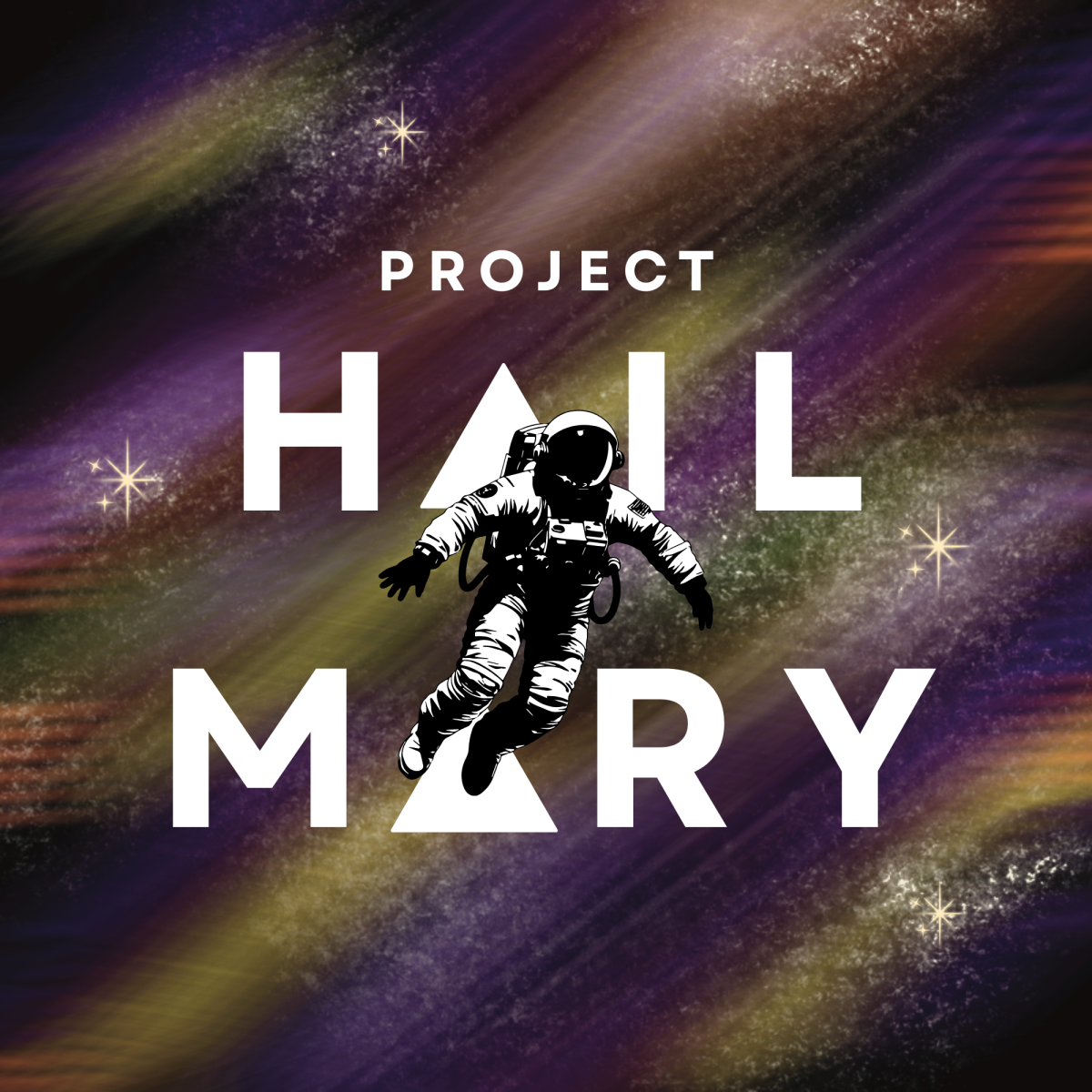
7. ‘Project Hail Mary’ by Andy Weir Keeps Readers Turning Pages
This science fiction novel centers on Ryland Grace, the sole surviving astronaut who must solve a scientific crisis to save humanity. He wakes up with amnesia and must slowly piece together his mission using his scientific background.
The book relies heavily on plot momentum. Every chapter concludes with a discovery or a new problem, which forces you to keep turning pages. You can read this high-entertainment fiction to build consistency, as the reading experience feels like watching a television series.
The book has exceptionally high reader ratings, and the book has a major film adaptation in development:
- Cliffhanger chapters
- Clear language
- Strong narrative flow
How to Start a Reading Habit Without Feeling Overwhelmed
Learning how to start a reading habit requires specific structural adjustments to your day. You do not need hours of free time to achieve consistency. A practical framework keeps you on track:
- Read at the same time each day
- Keep one book in visible places
- Track completed pages, not hours
Selecting the right materials changes how you view your progress. You can use specific strategies to make the text fit your current energy levels:
- Choose books with shorter chapters
- Finish one book before buying several new ones
- Use summaries to preview unfamiliar topics
Integrating books into your existing routine prevents you from feeling like reading is a chore. You can anchor the new behavior to things you already do every day:
- Read during commuting
- Read before checking social media
- Read after recurring daily activities
If you need help selecting a topic, you can browse through the reading apps’ libraries to explore different genres and summaries. This helps you figure out how to make a habit of reading by discovering what genuinely interests you before purchasing full-length texts. Once you find a subject that catches your attention, building a regular reading habit becomes a natural choice.
Choose and Test One Book to Start Reading This Week
Finding the best books to start a reading habit for adults involves matching a title to your daily energy levels. Consistency comes from manageable lengths, brief chapters, and subjects that capture your attention.
Many readers combine full books with microlearning tools or nonfiction summaries when their schedules get tight. You can start with one title that aligns with your current schedule. A few pages each day are enough to establish momentum!