






























































There was a time not long ago when Pat McAfee felt like exactly what sports television needed.
When he joined College Gameday in 2022, the former Indianapolis Colt brought an energy that stood in stark contrast to traditional sports media personalities. He was loud, unscripted, chaotic and unapologetically unique. His willingness to cause an uproar was refreshing. He connected with younger viewers, understood internet culture and brought in a new era to one of the most iconic programs in sports.
And for a while, it worked. Nowadays, however, the same qualities that made McAfee popular are the same ones turning audiences away.
The recent controversy surrounding College Gameday’s Oct. 24 trip to the University of Utah provided the latest example. Before the show, Utah’s social media accounts posted a video asking students to impersonate McAfee. Some called him corny, others made jokes about his on-air gimmick, while others mocked him. The university later deleted the video and apologized to McAfee after he publicly criticized it.
In addition, the contestant, junior Morgan Boring, on his “Kicking Is Easy” weekly field goal contest found the $1 million prize for making the kick disappointing and pointed to BYU being offered $3 million the week before.
The two incidents felt minor — McAfee’s response made it a national conversation.
He argued his frustrations went beyond just students calling him corny. During his response, he referenced the increasingly hostile political landscape surrounding prominent public figures and used the 2025 assassination of conservative commentator Charlie Kirk as an example of why certain rhetoric concerns him. He even went so far as to say, “I think I hate this place.”
This feels like comparing apples to oranges. He confused students calling him corny with genuine hatred and argued that the university platforming him put a target on his back. His saying the university was out to get him with this video was already silly enough, but relating it to Charlie Kirk’s killing felt outlandish. These were harmless jokes and people poking fun at a prominent figure; there was no real threat here. But McAfee made it seem like one.
McAfee has spoken his mind and built an entire media empire as a result, criticizing others and embracing a culture where everybody is “fair game.” Yet when a group of college students directed relatively mild criticism his way, he became defensive and attacked the university. The comments weren’t personal attacks or malicious. They were the kind of jokes that commonly come with being a public figure, especially one like McAfee.
What those students said and how McAfee handled the situation revealed a lot.
Today, as those Utah students said, the most common criticism of Pat isn’t that he is offensive or overly controversial. It’s that he is corny.
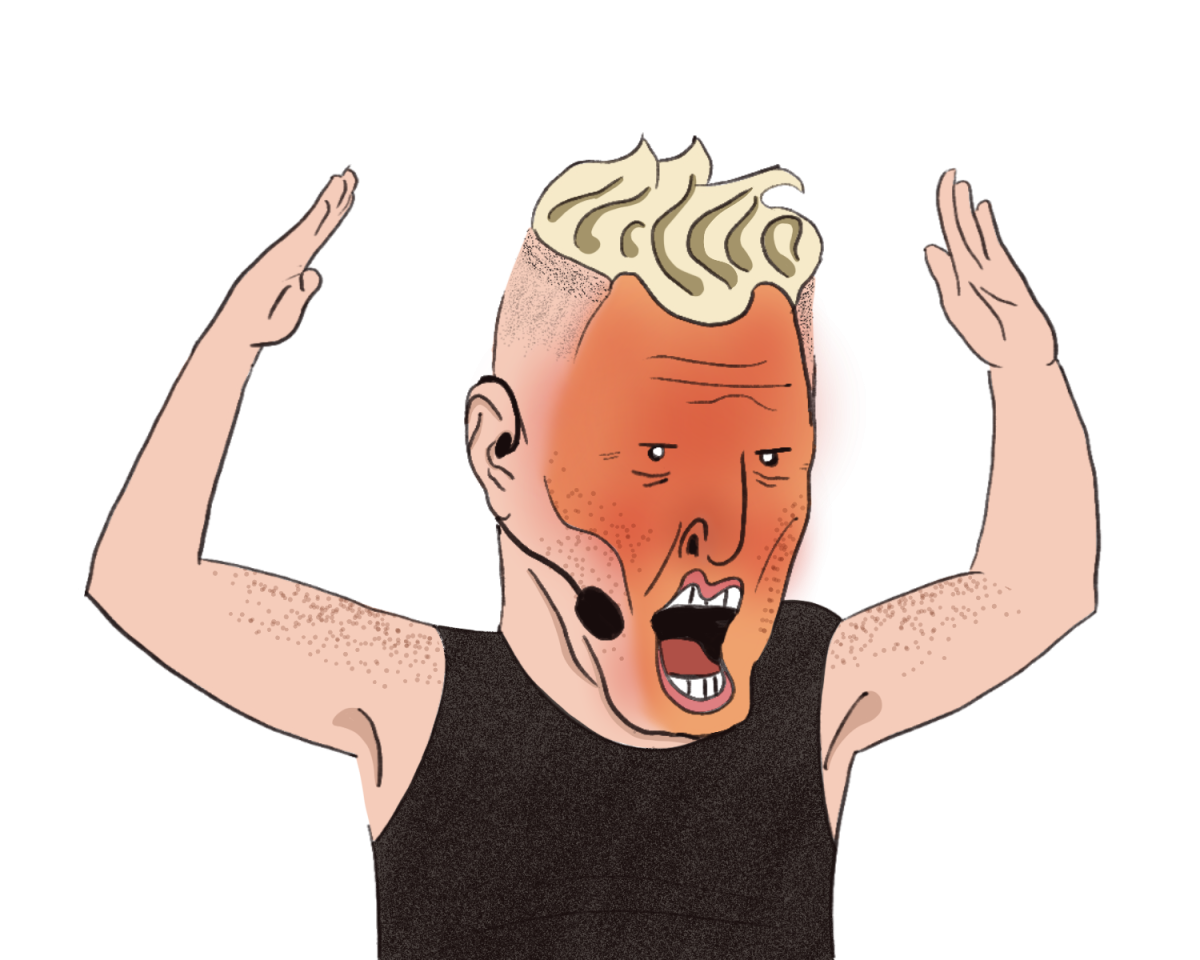
The constant shouting, shirt-ripping celebrations that seem to happen every week, and hunt for viral clips used to feel authentic and humorous. Now, it feels excessive; less like a genuine reaction and more like a pre-planned routine. What was once unexpected is now predictable, and what was once fresh is now repetitive.
That does not mean McAfee is untalented or a bad media personality. Few people in the industry are as impactful as he is, and even fewer have built a successful brand around it. However, there is a difference between being entertaining on a show and becoming the center of attention on the same show. That is the problem, and it matters, as College Gameday was never supposed to be about one person or even the hosts in general.
For decades, the show’s attraction came from its celebration of college football. The unique campus locations, the die-hard fan bases, traditions and rivalries all became staples. Viewers tuned in because they cared about the sport and the campuses that made it special. The passionate fans told the story every Saturday morning. Now, McAfee rallies the crowd, trying to create a clip-worthy moment instead of letting the students do the talking.
When the conversation shifts from the athletes on the field and fans in the stands to the personality behind the desk, the show is losing some of its core identity. And to be fair, the blame belongs as much to ESPN as to Pat McAfee.
In some ways, he has become a victim of his own personality. ESPN views him as one of their top stars and treats him as such. He appears daily on his own talk show, appears on College GameDay, appears on ESPN’s flagship property, Monday Night Countdown, has his own “Field Pass” show for big games, including the upcoming Super Bowl and is promoted everywhere. Critics increasingly wonder whether that exposure level overshadows the product.
McAfee supporters argue the criticism comes from fans who dislike change and that he brings eyeballs to a product that might not get them otherwise. They say he revived a program that was becoming stale and that the change has dramatically increased viewership, which is a fair point.
Still, there is a line between being different and being unavoidable, and McAfee crosses that line.
His personality fits the style of WWE more than college football or Monday Night Countdown. When he was a color commentator for WWE’s Monday Night Raw alongside Michael Cole in the spring of 2025, it was enjoyable. Professional wrestling thrives on theatrics, self-promotion, dramatic entrances and oversized personalities. There, McAfee’s large presence feels natural and adds to the spectacle. In college football, it feels over-the-top.
The Utah controversy did not create sudden frustration with Pat, although it definitely added to it. It simply exposed a feeling that had been quietly brewing among college football and sports fans. When fans spend more time discussing an analyst’s reaction to criticism than on the game he is supposed to be analyzing, it shows the balance may have shifted too far.
McAfee remains one of the most influential voices in sports media today, and that is not going to change. The issue is not that he lacks talent or even value. The issue is that ESPN has inserted him into every position and turned a unique personality into an overused one.
Pat McAfee’s gimmick is not bad. It has simply overstayed its welcome, and sports fans are right in wanting less.