



























































































The text from your mom arrives between classes. Grandpa slipped on his front steps in Winnipeg. He is fine, but the family wants him to have some kind of alert device. Since you are the one who reads sources for a living, she asks you to look into it.
Most searches lead quickly to company pages. One you may land on is a medical alert brand comparison published by Life Assure, a provider based in Winnipeg, Manitoba. It is a useful starting point, as long as you read it the way you would read any source for a story.
First, a point that matters for a US student. This service is built for Canadian residents, which is why it suits Grandpa in Winnipeg. Your own apartment in Manhattan, Kansas, falls outside it. If anyone in the family hopes to use it elsewhere, get the company’s answer in writing.
Why Does a Grandparent’s Fall Deserve Careful Research?
A slip on the steps can be a warning sign. Osteoporosis Canada’s facts and statistics page says osteoporosis causes 70-90% of the 30,000 hip fractures in Canada each year. It also reports that only 44% of people discharged from hospital after a hip fracture return home.
The rest go elsewhere. The same page says 27% go to rehabilitation care and 17% go to long-term care facilities. For a grandparent who loves his own kitchen and his own routines, those numbers are the real stakes.
That is why the research deserves more than a quick scroll. Before you compare anything, ask your grandparent what happened on those steps and how he feels about it. A good choice depends on your grandparent’s daily life, not just on the cleanest-looking chart.
Who Made the Chart, and What Does It Leave Out?
Start with the questions you would ask about any source.
- Who published it? Here, the company being compared made the page.
- Who are the rivals? The page lists four rivals only as Competitor A, B, C and D.
- Which features were picked? The chart uses eight rows chosen by the publisher.
- How deep is each answer? A checkmark says yes or no, not how well something works.
- Can you check the numbers? The chart’s “Over 2,700 Great Reviews” row is the company’s own count.
None of this makes the page wrong. It just tells you what kind of page it is. A reporter would also look for a second source, such as your grandparent’s doctor or a local seniors’ group.
The News Literacy Project’s News Goggles lesson shows how ads can pass as news. It lists labels such as “sponsored content,” “native advertising,” “advertorial” and “paid post” to watch for. A company’s own product page needs no label to be read the same way.
Watch for pressure tactics too. The Collegian has reported on AI voice-cloning scams that fake an urgent call from a loved one. Any caller who pushes your grandparent to pay or sign up on the spot deserves a hang-up. Call back on a number you looked up yourself.
What Does the Life Assure Page Actually Claim?
Read the claims one at a time. The chart says Life Assure is Canadian owned and charges no setup or installation fees. It also lists no contracts or commitments, a free mobile tracking app and a lock box add-on. The page says the company is Better Business Bureau accredited.
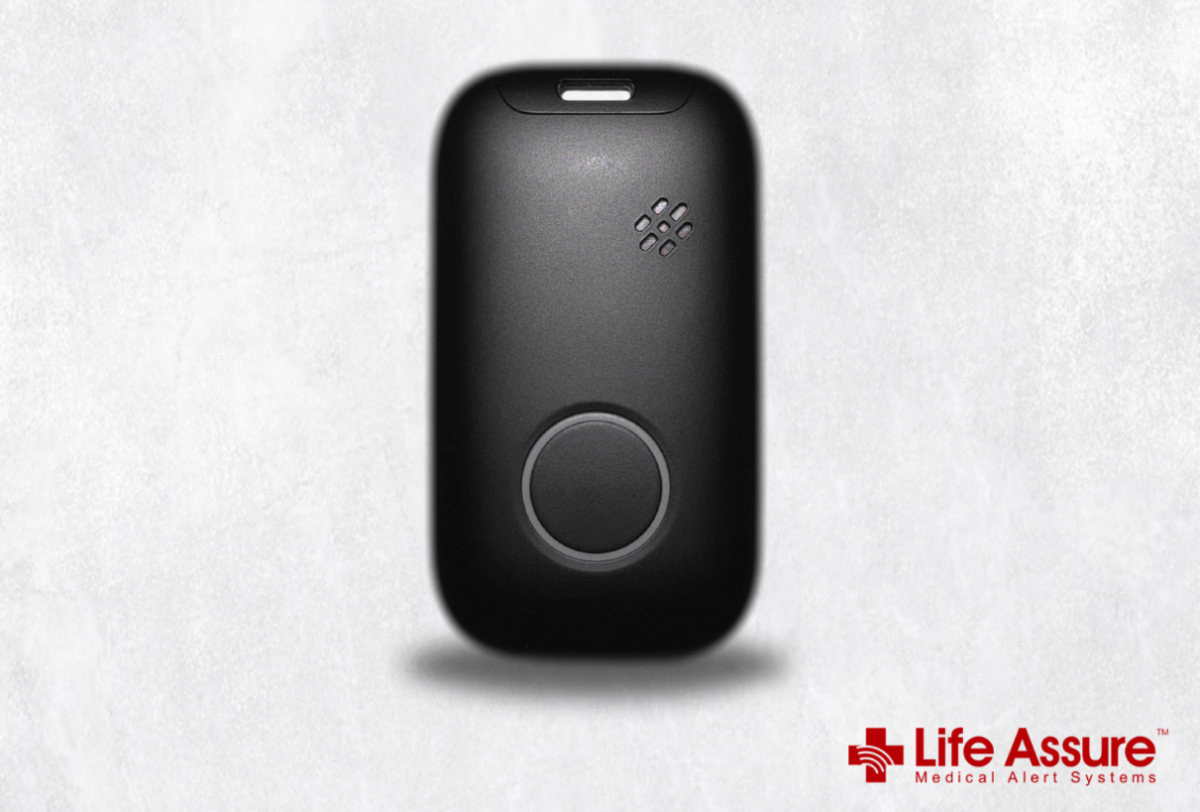
Below the chart, the page describes the devices. Fall detection is an optional add-on that works with all of its devices. The Premium Mobile Plus uses cellular and GPS to pinpoint location. The Classic Home is meant for protection in and around the home, with up to 80 hours of backup power.
The company’s bracelet page adds a key detail. The Classic Home works within 600 feet of its base unit. The comparison page also says agents can help in English or French, which matters for a grandparent in a bilingual family.
What a page leaves out is worth a note too. The comparison page shows no device prices, so ask for the full monthly cost in writing. It also cannot tell you how your grandparent’s cell signal is at home or on his usual walks. Those are questions for a phone call, not a chart.
How Can You Check the Claims Yourself?
Turn each claim into a task you can finish before the family call.
| Claim on the page | How to check it |
| BBB accredited | Look up the company’s listing on the Better Business Bureau site. |
| Large review count | Read recent reviews, including the low-star ones. |
| No contracts | Ask for the service agreement in writing before signing. |
| Optional fall detection | Confirm whether it is part of the plan your family picks. |
| Coverage | Confirm your grandparent’s address and province are served. |
Then add one question no chart can answer. Would your grandparent put it on each morning without a reminder?
What Does a Blue Light Phone Have In Common With a Pendant?
You already know the idea from campus. K-State keeps upgrading campus safety, including new blue light phone models. Brett Robinson, associate director for physical security and access control, told the Collegian there are about 48 blue phones on campus.
Those phones work because people know where they are and trust that someone answers. A blue phone only helps if you can reach it, though. That is the same trade-off as a home base unit versus a device that travels with the wearer. If your grandparent walks to the store or shovels the driveway, that difference matters.
Notes to Bring to the Family Call
Keep your findings short and sourced, like a good brief. Your family does not need every detail you read. They need the few facts that change the decision, plus the questions still open.
- Where your grandparent spends the day: inside, outside or both.
- Which claims you checked, and which still need a phone call.
- Whether optional fall detection is worth asking about.
- Who will be on the call list, and who lives close enough to help.
- What your grandparent says he wants.
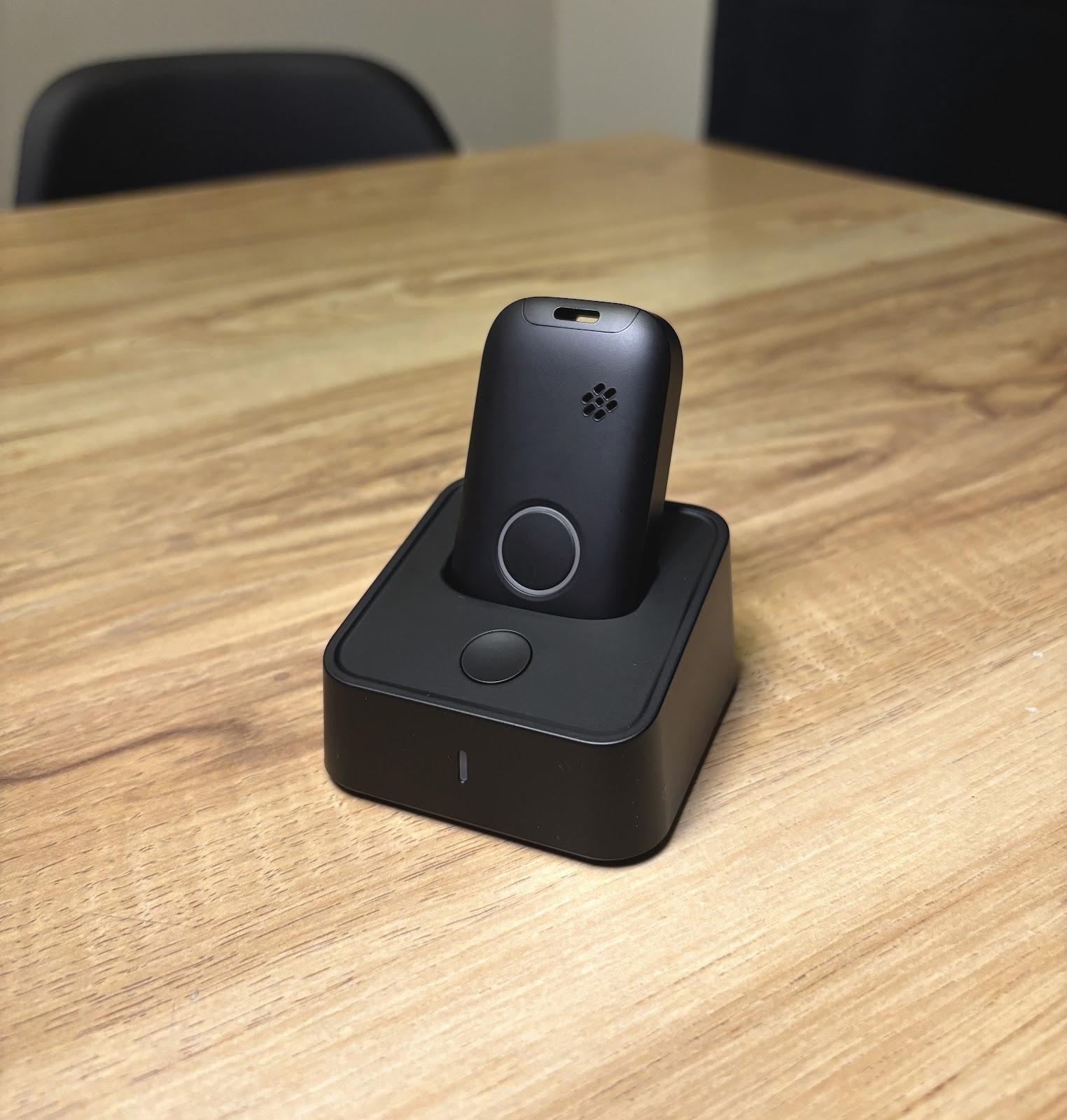
Image courtesy of Life Assure
Alt text: A black Premium Mobile Plus alert device standing upright in its black charging cradle on a light wooden table
Let him have the final word. Choice tends to turn into a daily habit.
Frequently Asked Questions
Does Life Assure Cover Family Members In Kansas?
No. Its service is for people who live in Canada. If your family has any other use in mind, ask the company and get the reply in writing.
Is a Company’s Own Comparison Chart Trustworthy?
It can be accurate, but it is still marketing. Treat it as a list of claims to check, not as a final answer.
Is Fall Detection Built Into Every Life Assure Device?
It is not standard. The comparison page describes it as an optional add-on that works with all of the company’s devices. Check that it appears on the plan your family picks.
How Do I Talk to a Grandparent About Wearing an Alert Device?
Start by asking what worries him, and listen. Offer options rather than a decision already made. A device he chooses is one he is more likely to wear.