































































































































The first sleepover is a big milestone. Your child is giddy with excitement all afternoon, packs their bag three times, and heads out the door ready for the best night ever. Then bedtime arrives, the lights go off, and suddenly, home feels very far away.
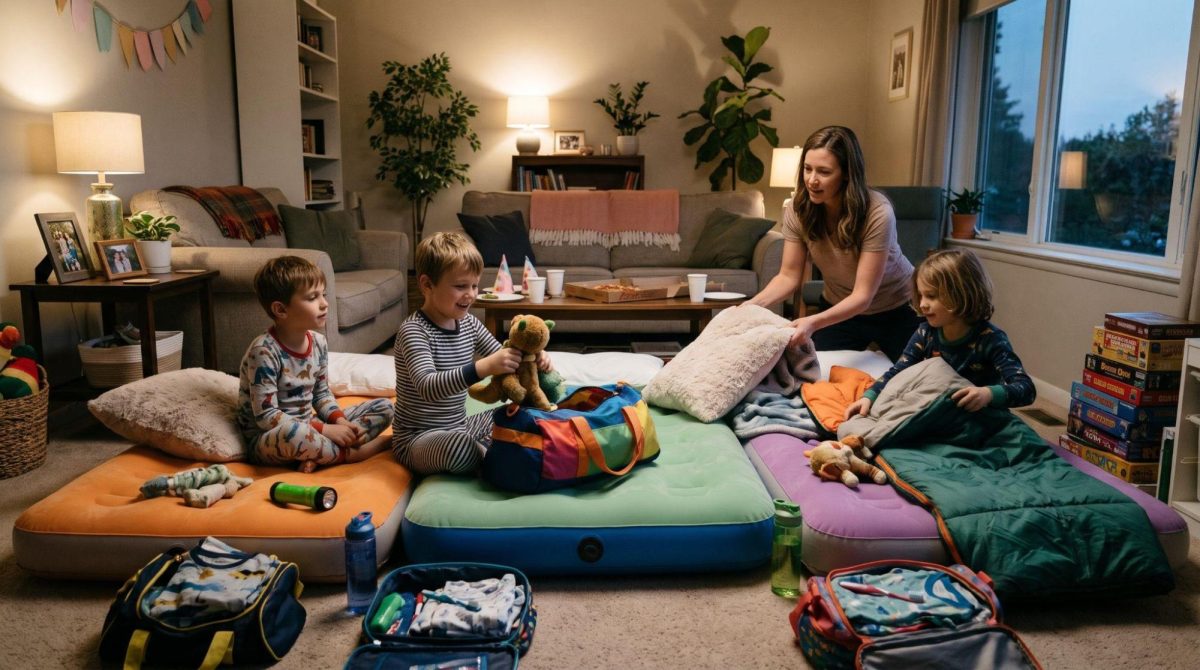
Homesickness is one of the most common bumps in the road for kids spending their first night away from home. The good news is that a little preparation goes a long way. From talking through feelings ahead of time to making sure their setup feels cozy, like a comfy spot on one of the sleepover beds, here’s how to help your child handle it.
Is Homesickness Normal at a First Sleepover?
It’s completely normal. Missing home, family, and familiar routines is a natural reaction to sleeping somewhere new, especially for the first time.
It doesn’t mean your child isn’t ready or that something went wrong. Homesickness is simply part of learning to be comfortable away from home, and most kids feel at least a little of it.
How Do You Know if Your Child Is Ready?
There’s no magic age. Experts emphasize that there’s no specific age for a first sleepover, and the idea should come from your child rather than from you.
Look for a few signs. Children who are excited and curious are often more prepared than those who feel pressured. Being able to handle a bedtime routine with little help and having some experience being away from home, such as a night at a grandparent’s house, are also good indicators.
Should You Start With a Practice Run?
A gradual approach can make a huge difference. One option is hosting the first sleepover at your own house, where your child already feels comfortable. That lets them experience the fun of a sleepover without leaving their own bed.
For the first night away, choose a home where your child already knows and trusts the parents. A “sleep-under” is another great stepping stone. Your child enjoys the evening fun, then gets picked up before bedtime.
How Can You Talk About Homesickness Before It Happens?
Bring it up casually and early. Let your child know it’s normal to miss home and that feeling a little sad at bedtime doesn’t mean the night is ruined.
Help them come up with a plan for what to do if those feelings show up. They might hug a favorite stuffed animal, look at a family photo, think about something fun planned for tomorrow, or talk to the host parent. Kids who know what to expect tend to cope better when the moment arrives.
What Should Go in the Overnight Bag?
Familiar items are powerful. Pack a favorite pillow, blanket, or stuffed animal so your child has a little piece of home at bedtime.
Include their usual pajamas, toothbrush, and any bedtime comforts they rely on, such as a night light if they use one. A small note from you tucked into the bag can be a sweet surprise that helps them feel connected.
Should Your Child Be Able to Call Home?
This depends on your child and the host family, but having a plan helps. Some families set up prearranged check-ins, in which the host parent helps the child call or text at an agreed-upon time.
Equally important, let your child know it’s okay to leave early if they feel homesick or uncomfortable. Knowing there’s a way home often makes kids feel secure enough to stay.
What Should You Tell the Host Parents?
Share anything that will help them support your child. Mention bedtime routines, comfort items, and any signs that your child might be getting anxious.
Let them know your approach to homesickness and how you’d like them to handle it, whether that’s offering comfort first or calling you right away. Exchange phone numbers and confirm you’ll be easy to reach throughout the night.
What If You Have To Pick Them Up Early?
If your child just can’t settle in, picking them up isn’t a failure. It’s a sign they need a little more time, and that’s perfectly fine.
Stay calm and positive when you arrive. Praise them for trying something brave, and avoid making them feel embarrassed. Many kids who come home early from their first sleepover are ready to try again a few months later.
What Should You Do After the Sleepover?
Check in with an easygoing conversation. Ask what they enjoyed most, what felt hard, and whether they’d want to do it again.
Following up with open-ended conversations helps you understand how the night really went and builds trust for future overnights. Celebrate the win, even if the night had a few tough moments.
Building Confidence One Night at a Time
A first sleepover is a big step toward independence, and homesickness is a normal part of the process. With the right preparation, a few comfort items, and a clear plan for tough moments, most kids can handle it beautifully.
Keep the experience low-pressure, follow your child’s lead, and remember that every sleepover builds a little more confidence. Before long, they’ll be the ones asking when the next one is.