





























College campuses pack classrooms, housing, dining, and transit stops into a tight street network. Motorcyclists share those roads with cars, buses, bicycles, scooters, pedestrians, and delivery vehicles, all moving on different schedules. Frequent turns and short gaps leave riders little time to react. Knowing where conflicts form helps a rider choose a safer position and gives investigators useful context after a collision, beginning with the campus traffic pattern.
After a campus crash, the rider’s account is only one part of the evidence. Photos, witness names, vehicle positions, traffic signals, and nearby camera footage can help show how the collision happened. A motorcycle accident lawyer can assess those details alongside medical and insurance records. Determining responsibility and pursuing compensation depend on the available evidence and the laws of the state where the crash occurred.
Campus Traffic Changes by the Hour
Traffic shifts with class schedules, sporting events, and evening activities. A road that is clear early can fill with cars circling for parking, buses stopping at marked zones, and students crossing between buildings. Riders using the same route at different times face changing sightlines and traffic gaps.
Drivers searching for parking may brake suddenly or change lanes without signaling. Riders can reduce risk by slowing near campus entrances, leaving space around vehicles looking for parking, and staying in a lane position with room to move.
Drivers Miss Motorcycles at Crossings
At campus crossings, drivers may focus on gaps in opposing traffic and miss an approaching motorcycle. A motorcycle’s smaller profile makes its distance and speed harder to judge, especially when parked cars or landscaping block the view.
Intersections bring turning vehicles, pedestrians, and signals that change quickly. Motorcycle riders should cover the brakes, watch vehicle wheels for signs of a turn, and avoid lingering beside a car in a blind spot. A driver who fails to yield can cause a severe crash, even at a modest speed.
Curbside Activity Creates Sudden Hazards
Campus curbs see frequent pickups and drop-offs. A driver can pull toward the sidewalk, stop in a travel lane, then merge without warning. Someone checking a phone or searching for a passenger may move before checking the next lane.
Riders should leave room around vehicles with active brake lights and avoid passing a stopped car on the side where a door could open. At night, glare and dark clothing make riders harder to see. A clear buffer gives them more time to respond when a vehicle moves suddenly.
Pedestrians Disrupt Traffic Flow
Students may cross outside marked crosswalks while walking between a dorm, classroom, or transit stop. Groups can emerge from behind parked vehicles, and a person looking at a phone can step into the road without checking traffic. Bicycles and electric scooters add faster-moving crossings.
Riders should scan sidewalks and gaps between parked cars, not just traffic ahead. Slowing near crowds and keeping fingers ready at the brake lever reduces stopping delay. A sudden swerve can send a motorcycle into another lane or toward the curb. Steady braking and a predictable line are safer when someone enters the rider’s path.
Pavement Hides Small Hazards
Uneven pavement, loose gravel near construction, metal utility covers, and painted markings can reduce tire grip, particularly during a turn or in rain. Pavements near bus stops and intersections can also have worn patches.
Riders should look through a turn, slow before reaching a rough or slick patch, and avoid hard braking while leaned over. Construction barriers and temporary lane markings can block sightlines or redirect traffic. When a hazard is unavoidable, a controlled line and gradual inputs help maintain stability.
Crash Evidence Can Disappear Quickly
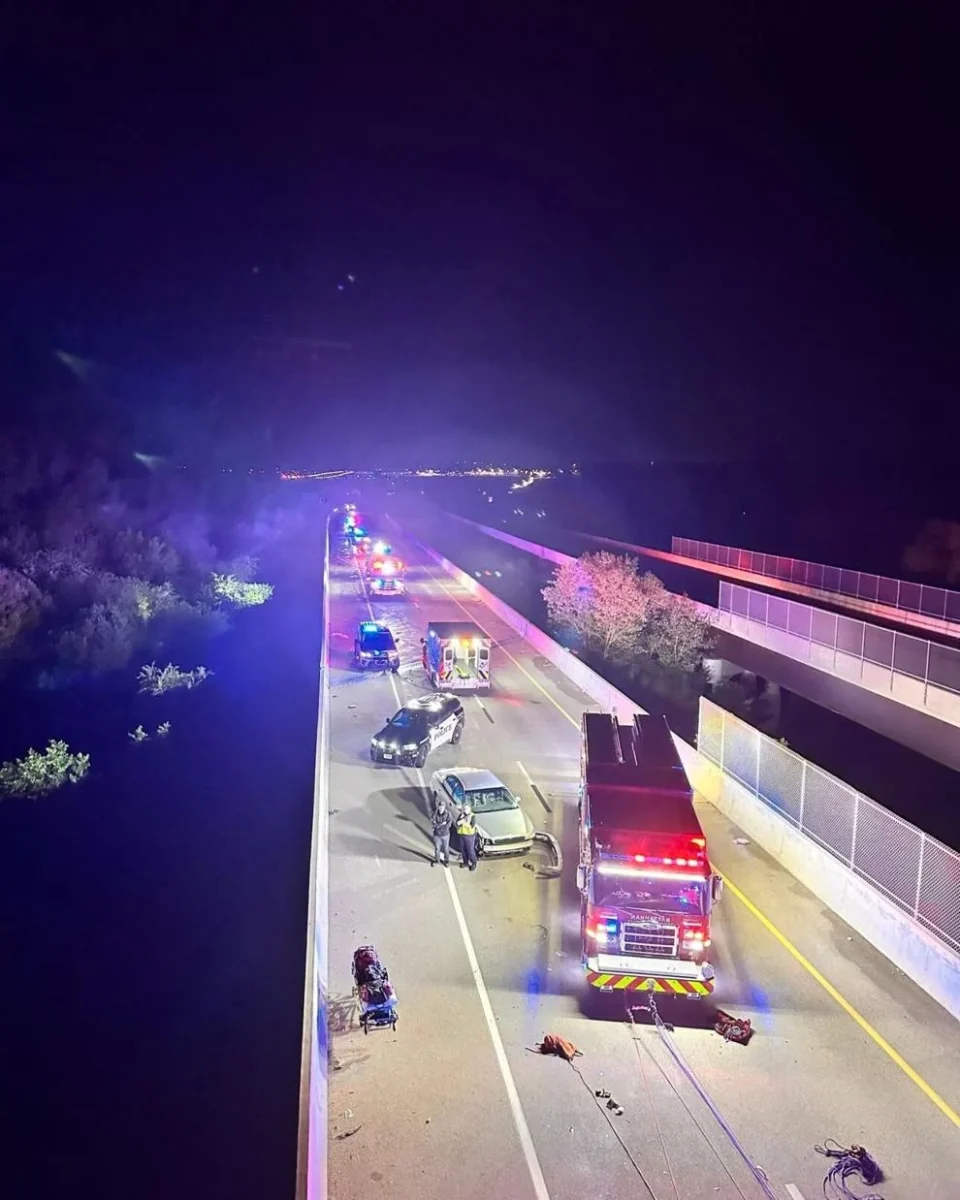
A crash scene changes quickly. Vehicles move, debris is cleared, and temporary camera footage can be overwritten. After addressing immediate medical needs, photographs of the motorcycle, other vehicle, roadway, signs, signals, and visible injuries can preserve details that later become difficult to confirm.
Witness names and contact information can help clarify what people saw. Riders should keep medical records, repair estimates, and insurer communications together, then note the crash location and time. Campus security or transit personnel may have incident records, but access procedures differ by institution.
Conclusion
Busy campuses combine tight streets, changing traffic, and frequent crossings. Riders can address many daily hazards by slowing near crossings, leaving space around stopped vehicles, and keeping an escape route clear. After a collision, medical care comes first. Recording the location, conditions, and witness details can then preserve an accurate account. If injuries or fault are disputed, the rider should seek advice based on the available evidence and the rules in the state where the crash occurred.