



































































































Stress can build up quickly during a busy day. Work, family duties, screens, and constant notifications can make it hard to slow down.
Daily relaxation routines give people a simple way to create more calm. These routines do not need to be long or complex. A few quiet habits can help the mind and body settle before stress becomes harder to manage.
Start With Simple Breathing and Mindfulness
Deep breathing is one of the easiest relaxation methods to use each day. It can be done almost anywhere and does not require special equipment.
Try breathing in slowly through the nose and breathing out even more slowly. Repeat this for a few minutes while focusing only on the breath.
Mindfulness can work in a similar way. The goal is to notice the present moment instead of thinking about everything that happened earlier or may happen later.
Even five quiet minutes can create a useful break. The routine becomes more helpful when it is repeated on a regular schedule.
Create a Calm Evening Routine
Evening habits can make it easier to move from a busy day into a quieter state. Lowering lights, putting away work, and reducing screen time can all help.
Some people enjoy reading, stretching, listening to music, or taking a warm shower. These activities can create a clear sign that the day is slowing down.
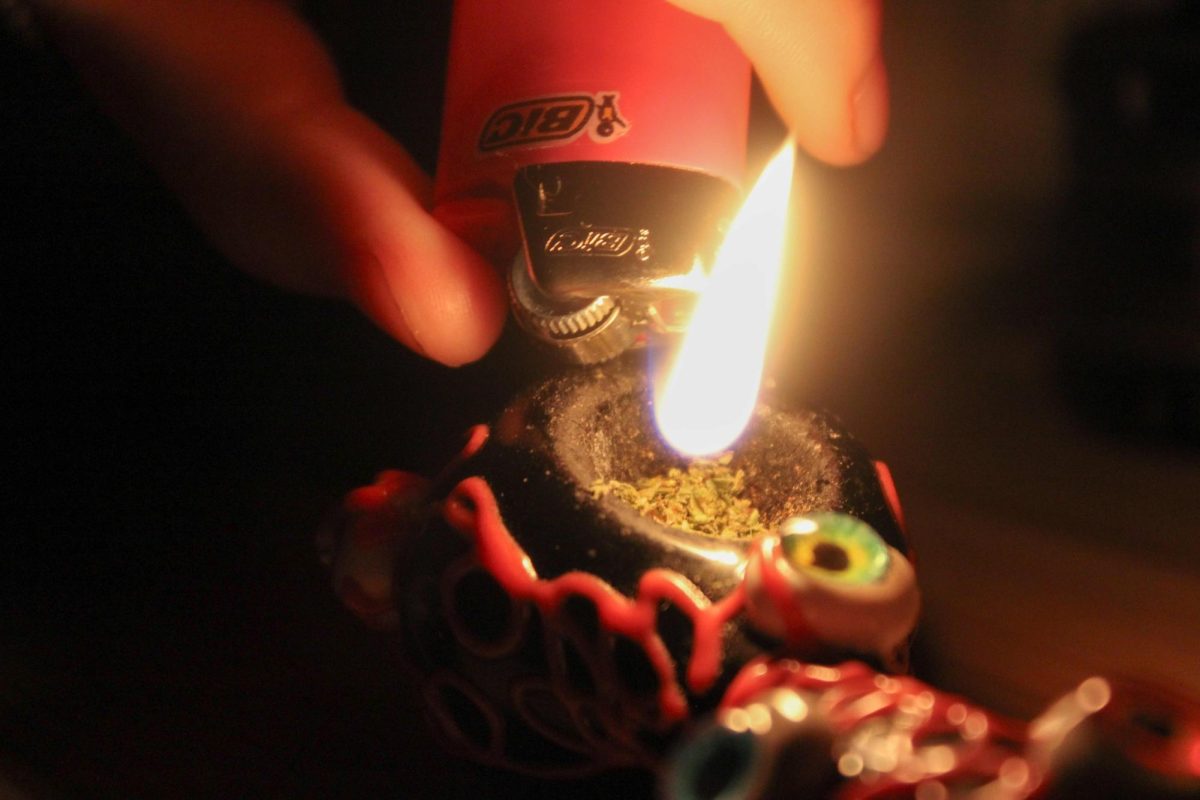
Others may come across products or businesses linked to cannabis culture while looking at leisure options, including https://codesdispensary.com/location/little-rock-ar/. Cannabis can carry health and legal risks, so it should not be treated as a necessary or risk-free way to manage stress.
A calm evening routine works best when it focuses on habits that are safe, simple, and easy to repeat.
Use Movement to Release Tension
Physical movement can help reduce the tight feeling that often comes with stress. It does not need to be a hard workout.
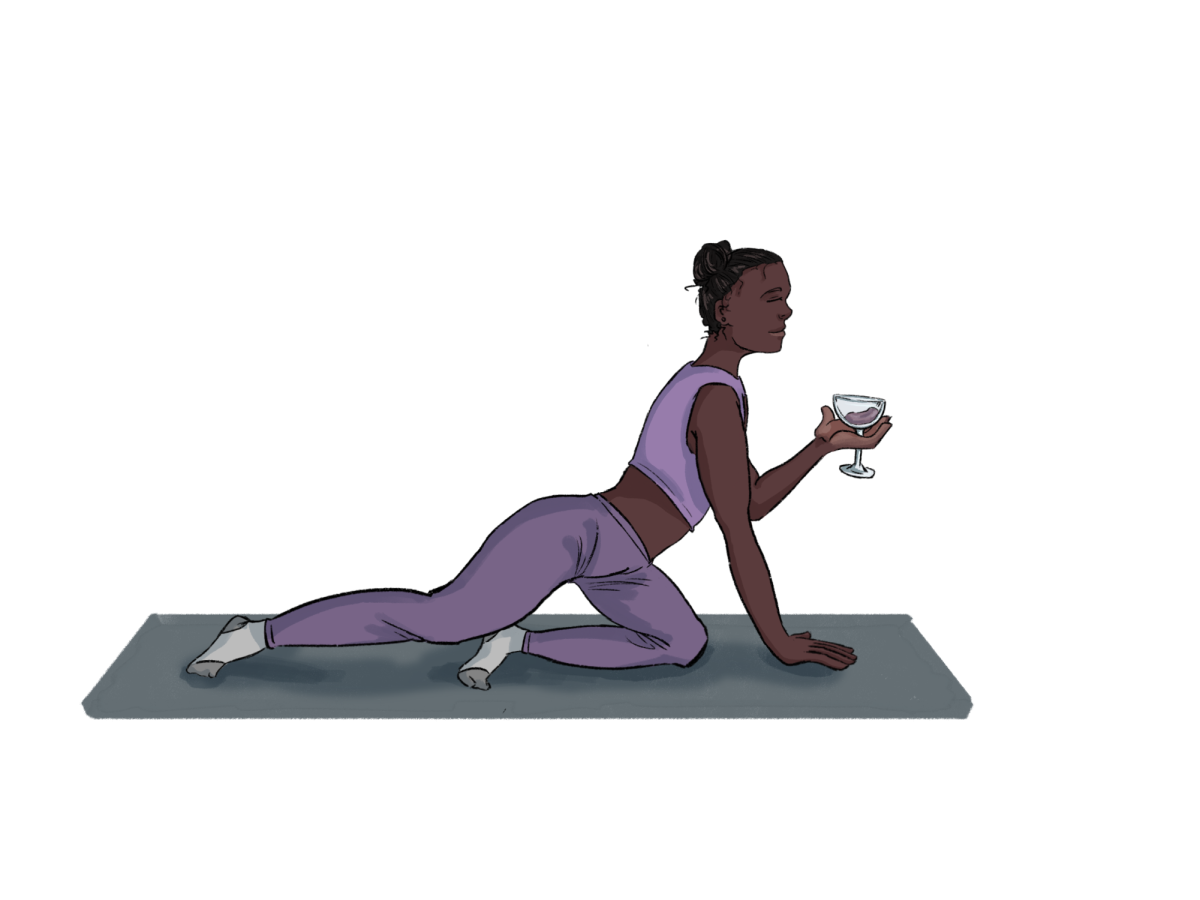
A short walk, gentle stretching, or light yoga may help the body feel less tense. Movement can also provide a break from sitting and looking at screens.
Some people find that outdoor activity works especially well. Fresh air and a change of setting can make the mind feel less crowded.
Choose an activity that feels comfortable. The goal is to feel calmer afterward, not more tired or stressed.
Make Relaxation Part of the Daily Schedule
Relaxation is easier to maintain when it is treated like any other daily habit. Pick a time that works well and try to keep it consistent.
You may choose ten minutes after work, a short walk after dinner, or quiet time before bed. It does not matter which option you choose as long as it fits your life.
Try not to make the routine too complicated. A long list of rules can turn relaxation into another task.
Start with one or two habits and build from there. Small routines are often easier to keep over time.
Build a Calmer Approach to Stress
Daily relaxation routines can help create more balance during stressful periods. Breathing, mindfulness, light movement, and a quiet evening routine are all simple options.
The goal is not to remove every source of stress. It is to create healthy ways to respond when stress begins to build.
With regular practice, simple relaxation habits can become part of everyday life and make it easier to slow down, reset, and feel more in control.