




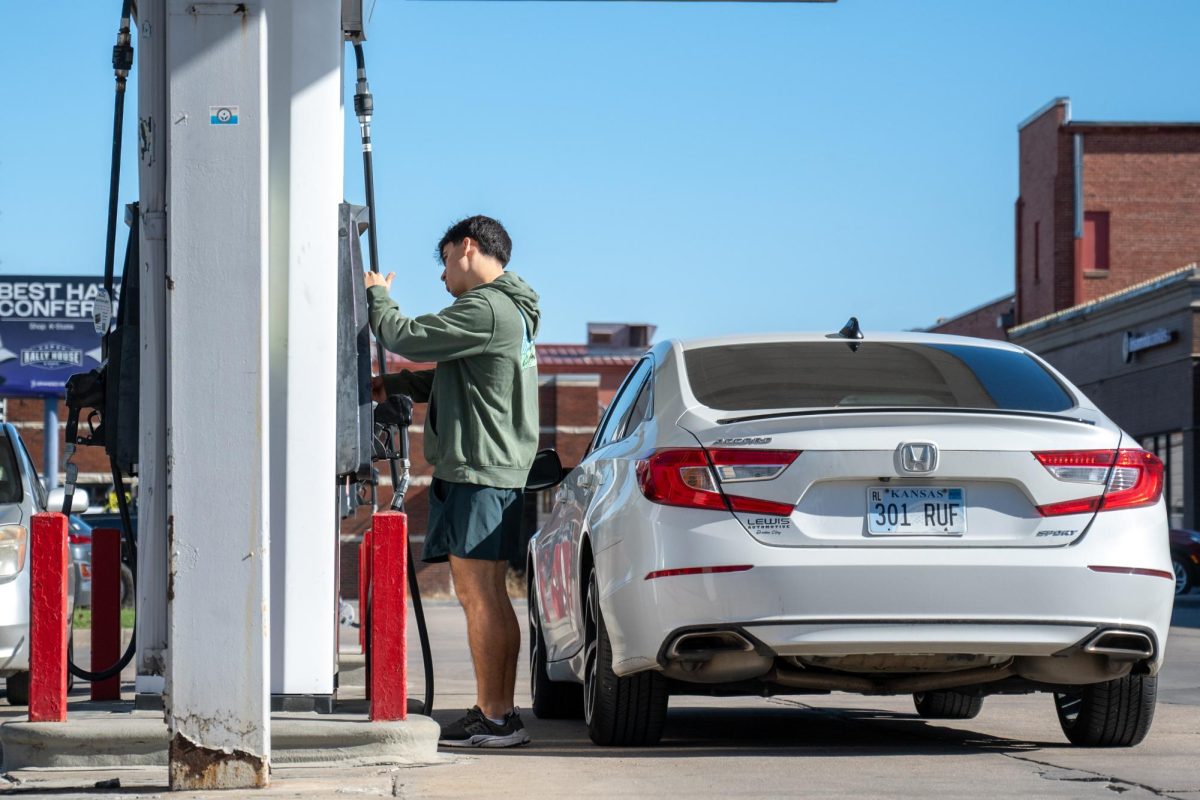





















































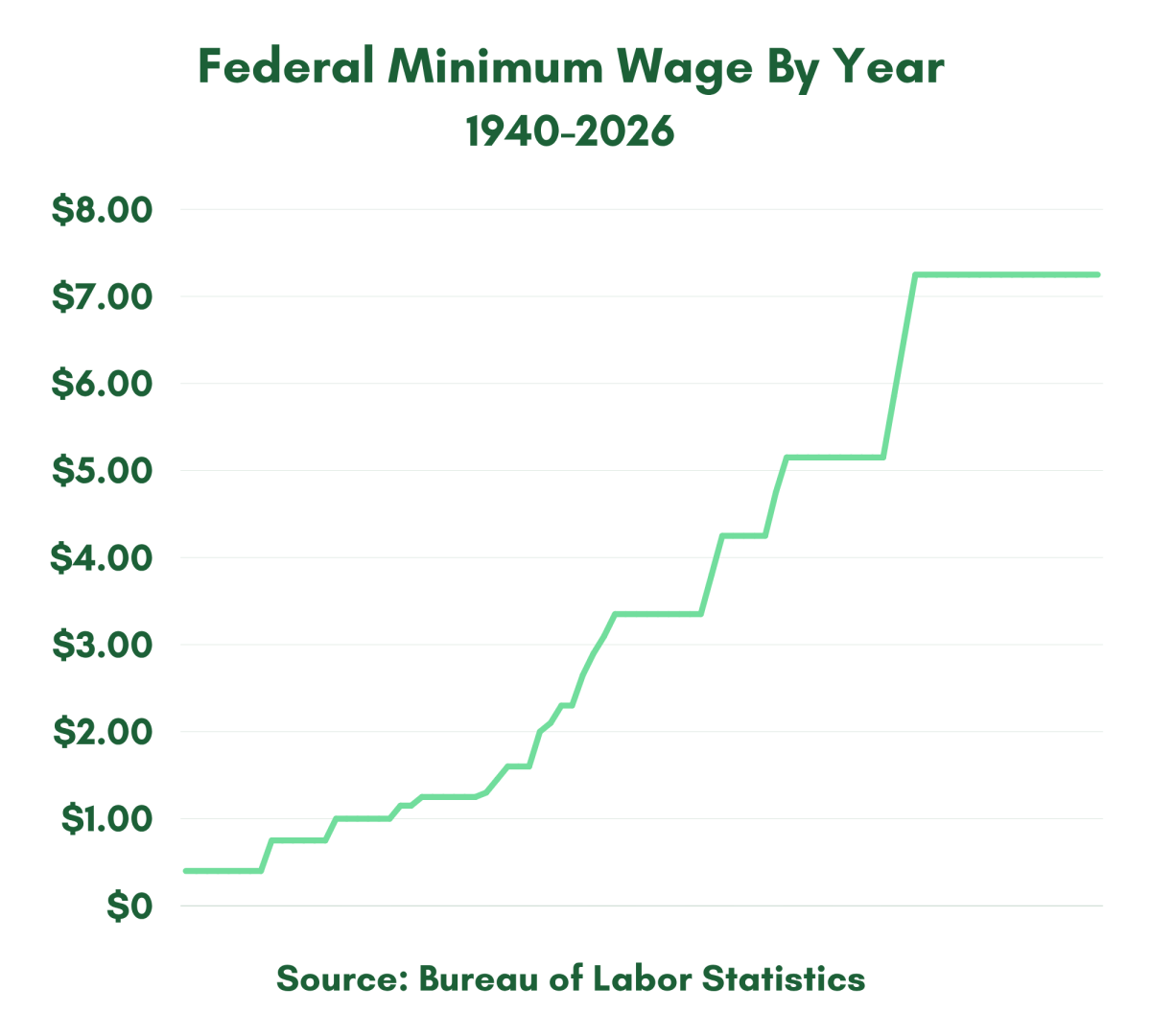


















$7.25 an hour. That is the current minimum wage for an hourly job in the state of Kansas. That’s the price of a small coffee at Starbucks, or two gallons of gas.
Kansas’ minimum wage rate has remained unchanged for over 15 years. According to the Department of Labor, records show that Kansas is one of twelve states that still have the lowest minimum wage nationally.
Numerous lawmakers have pushed to change this rate in recent years, yet Kansas doesn’t have initiatives in place to make progress.
As college students, this is unacceptable. To make a liveable college salary, given necessary spending on tuition, rent, groceries, gas and normal college life, at the current minimum wage rate, you would need to work at least 34 hours a week to have an income of $1,000 a month.
Balancing an average of 15 credit hours, working at least 34 hours, a social life, physical health and religious activities is an unnecessary stress many people take on.
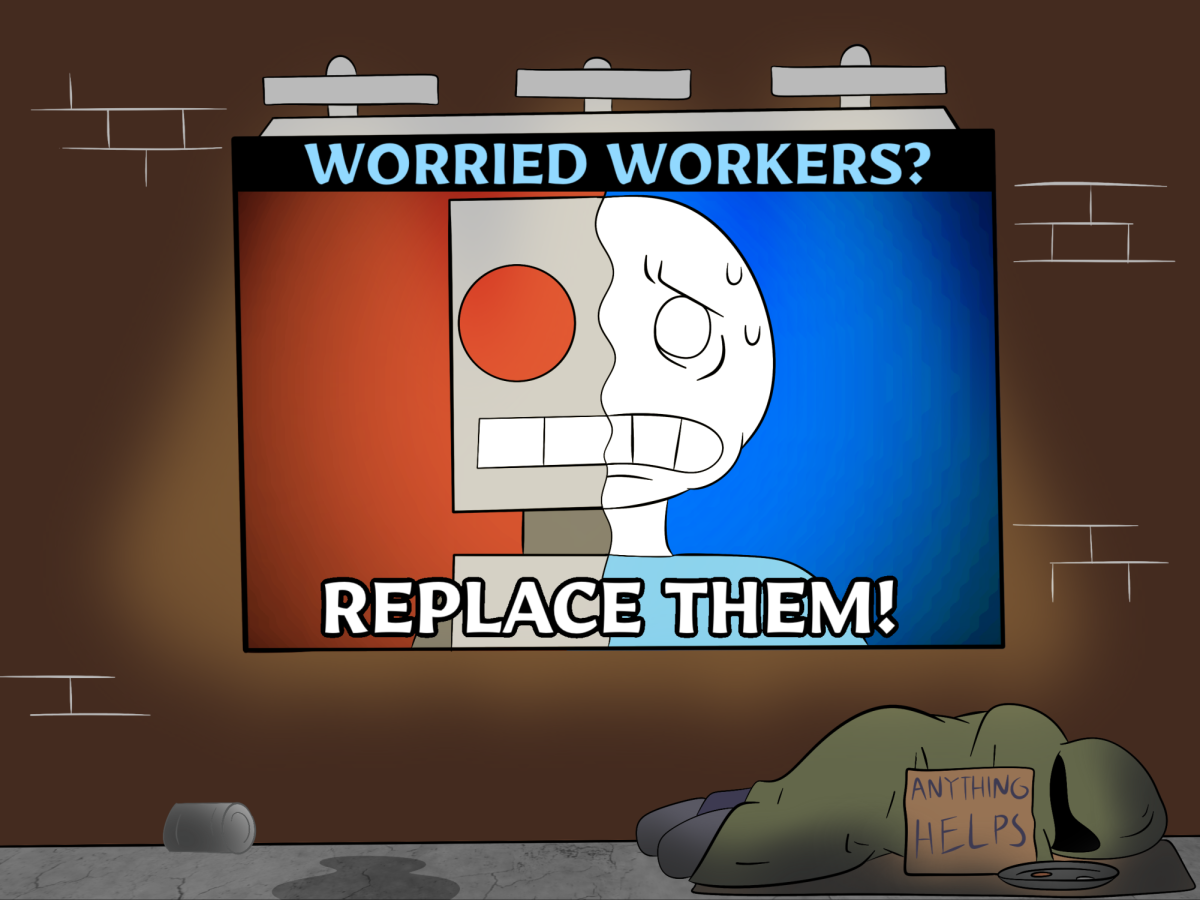
Even though some jobs pay over the minimum, inflation still has a big impact on the cost of living in today’s world. Everything is increasing in price, making it difficult to take home a reasonable profit. Groceries, gas and rent are actively increasing with no sign of slowing down.
Raising the minimum wage in Kansas would greatly benefit hourly workers. It would give them more financial stability and freedom and help them combat inflation.
It’s important for hourly workers to be able to support themselves and their families, and raising the minimum wage is the best way to do that.
According to the Economic Policy Institute, it stimulates our economy, allows the cycle of goods and services to have higher demand, creates job opportunities and increases productivity at work.
Ultimately, living in a world where people can afford to live comfortably is necessary for the growth and well-being of our working class.