














































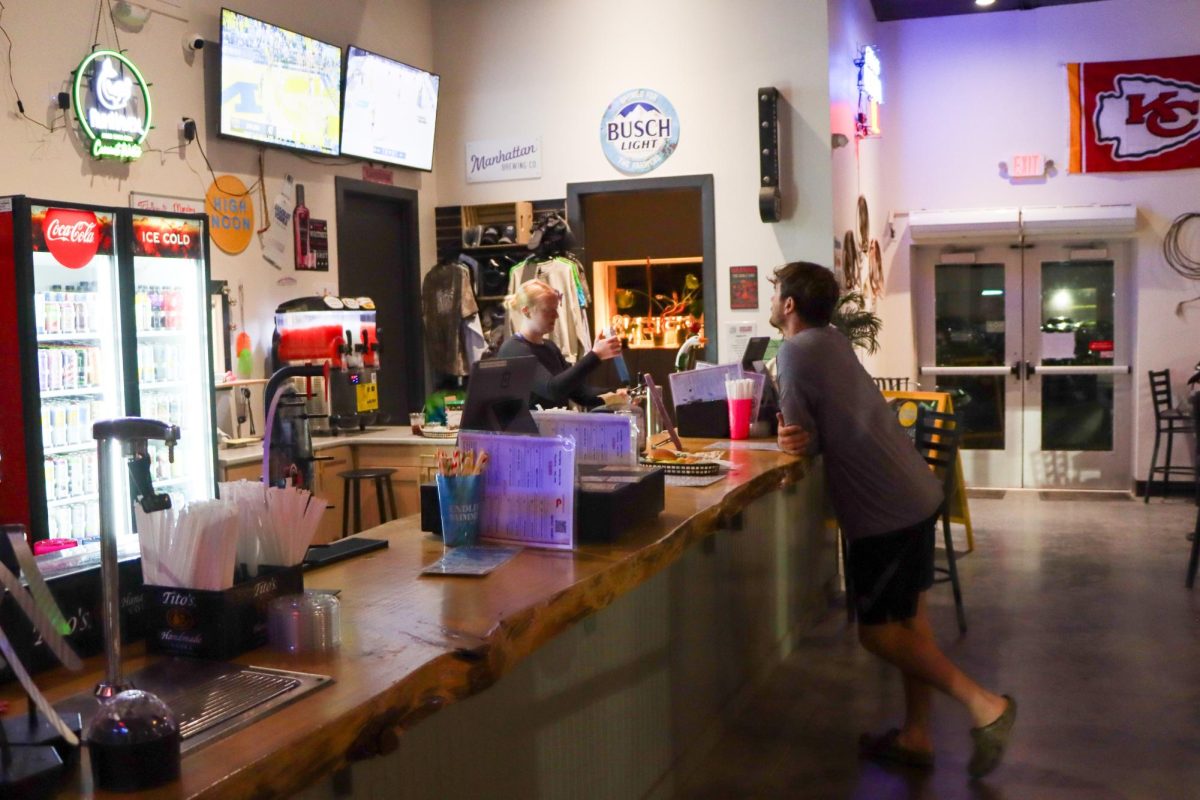























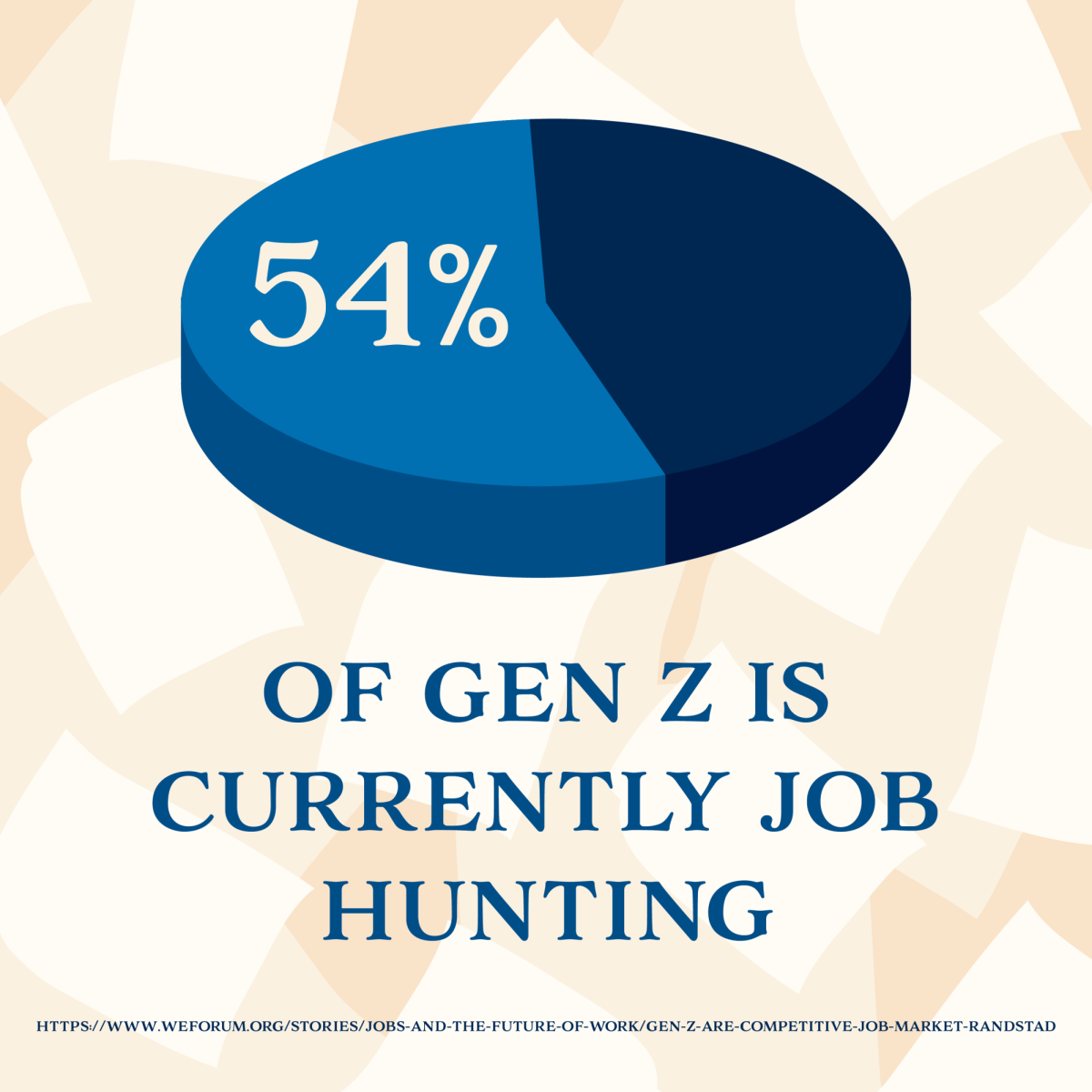














Many young adults entering today’s workforce encounter the same problem: Nobody’s hiring. This seems ridiculous, as every heavily frequented establishment has a generic company-branded sign advertising available positions, and companies on sites such as LinkedIn post content and new jobs daily.
Despite all of this, it seems impossible to land a job at any level, from retail and fast food to internships and high-level corporate positions. Older people tend to ask, “What are they doing wrong?” The answer has less to do with the faults of Generation Z and more to do with the assumption that the modern job market falls under the same tired networking blueprint Baby Boomers have pushed.
Young people in today’s workforce face an entirely different scene than their parents did 20 years ago, and older generations refuse to admit it. It’s no longer common to work in the same company for 30 years and retire as Boomers did. The concept of companies rewarding employee loyalty lies far in the past, before the surge of layoffs as a result of the 2008 recession.
Nowadays, a job is a temporary arrangement to pay the bills, and long-term commitments are seldom valuable to either party, leading to an increase in job searching and digital networking compared to previous generations.
It’s obvious there is an employment crisis, despite non-stop advertisements for job listings on networking platforms.
This is where older generations are quick to fault Gen Z for its lack of professionalism and social skills in the workplace, though that’s not entirely a fair accusation. Generation X has always stressed the importance of networking, especially through the internet, due to being the generation that piloted many platforms like Facebook and LinkedIn in their early stages. Today, landing a good job depends entirely on how the applicant benefits the company financially.
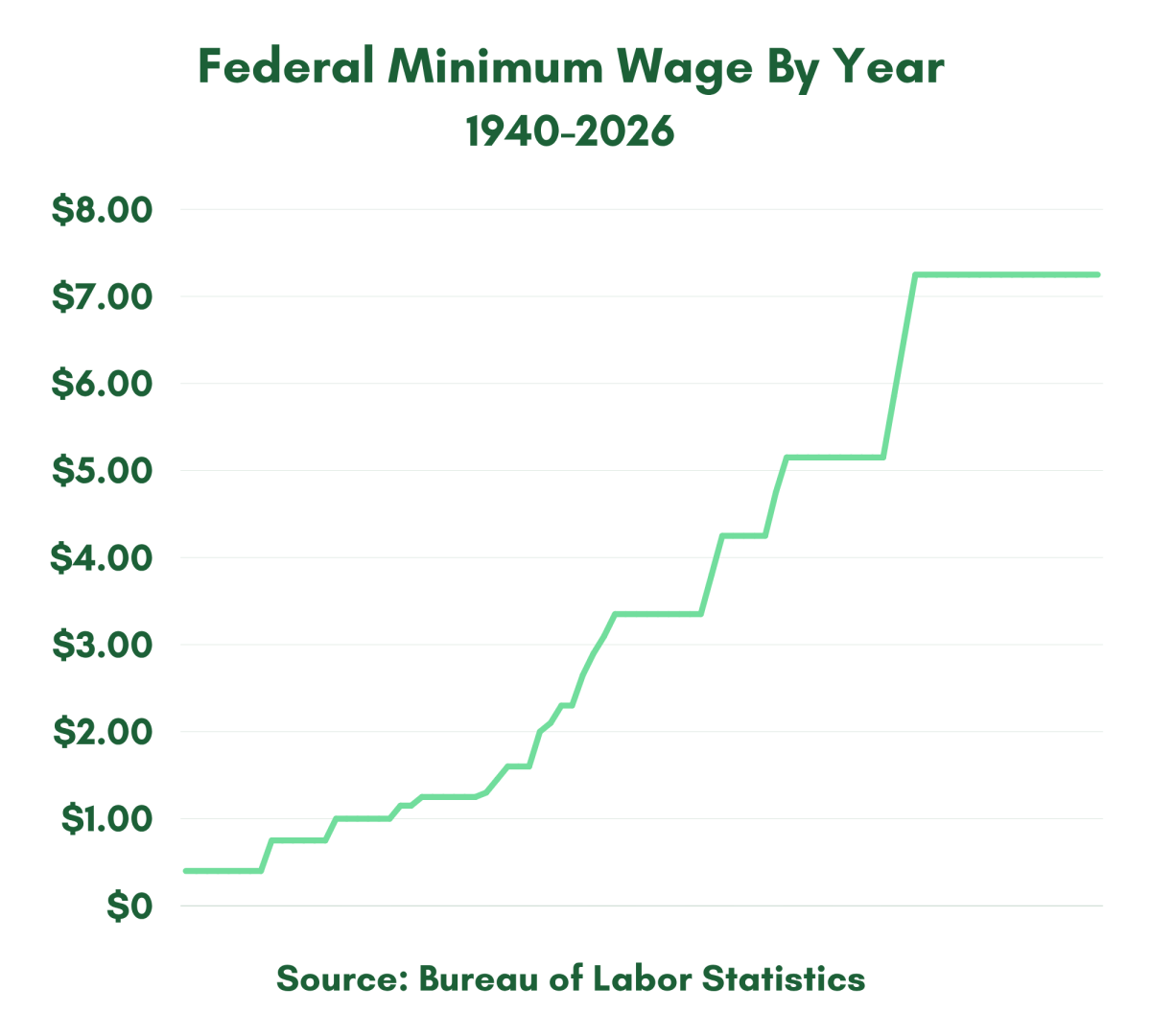
Facing a continuously rising cost of living, an oversaturated housing market and cuts to federal student loans, Gen Z is left with high needs that many entry-level jobs can’t meet. “Competitive wages” now translates to “livable wages,” and benefits become a necessary part of the offer to gain any consideration.
Additionally, technology such as AI, computerized algorithms and self-service machines have erased many entry-level positions, shrinking many creative and analytical industries drastically. The increase in automation leads to a small number of jobs flooded with a large number of applicants, increasing competition between candidates overqualified for the small number of open positions available.
To make matters worse, some companies even promote “ghost jobs” they have no intention of actually hiring for, giving the impression of growth and shifting the blame for a stagnant market onto young people.
The race to cut costs is exactly why many remaining “entry-level” jobs require a degree, 3-5 years of experience and pay laughable salaries. These positions are typically handed to older people who already have experience, and often lead to the stereotype of Gen Z having no work ethic and expecting something for nothing.
It’s not that Gen Z asks for too much to start, but rather that there will always be another candidate desperate enough to work for less than their worth to get by, and a more experienced candidate who is already trained is a much more cost-effective choice for the company.
Companies cutting costs for larger profits is nothing new, and is not necessarily a bad thing in isolation. However, the problem lies in economic circumstances rather than generational gaps in soft skills. According to the Bureau of Labor Statistics, Technological developments such as artificial intelligence have shrunk non-management positions, leading to a highly competitive job market and a rising workforce with nowhere to go.
Traditionally, if a company treats its employees poorly, they will find work elsewhere, and management will have problems with turnover, creating the concept of company loyalty and workers prioritizing benefits and work environment.
Now, with rising unemployment and the cost of living leading to desperation for any work, companies have learned they will always find someone to replace whoever starts costing the company the most with someone who is desperate for anything the company is willing to offer.
Gen Z is more connected to the workforce digitally than any other generation has been before, but still struggles to even find an interview. The majority of professional networking happens online now that internet access is readily available, but Gen Z still faces backlash about their inability to connect and lack of social skills, most often blamed on COVID-19.
The irony is in the fact that the internet became a critical part of social circles during and beyond the pandemic, creating a generation of digitally inept individuals who are used to working, socializing, relaxing, learning, creating and managing errands entirely online. The question isn’t whether a generation of digitally native young people can navigate the internet, but whether Gen Z has the strategic professional skills to use the internet to their advantage.
When it comes to digital networking, Gen Z has an advantage over earlier generations, but its disadvantage lies in the traditional methods for doing so. LinkedIn and other older social media sites don’t host as many Gen Z users as newer sites like Instagram and TikTok, leading most businesses to gear their content towards average-aged and younger consumers to conduct business.
Gen Z connects through these same channels socially, and often leads to networking in the same forums as general business. Gen Z also happens to have power in platforms and uses its digital identities to its advantage in learning about new opportunities and getting advice.
The reality is, Gen Z isn’t bad at networking; they just aren’t accustomed to the same methods as previous generations. While platforms have changed, networking remains an essential part of contributing to the workforce. Gen Z understands this, and while it may not look the same as other generations are used to, young workers have learned to adapt to a workforce with odds stacked against them.