




















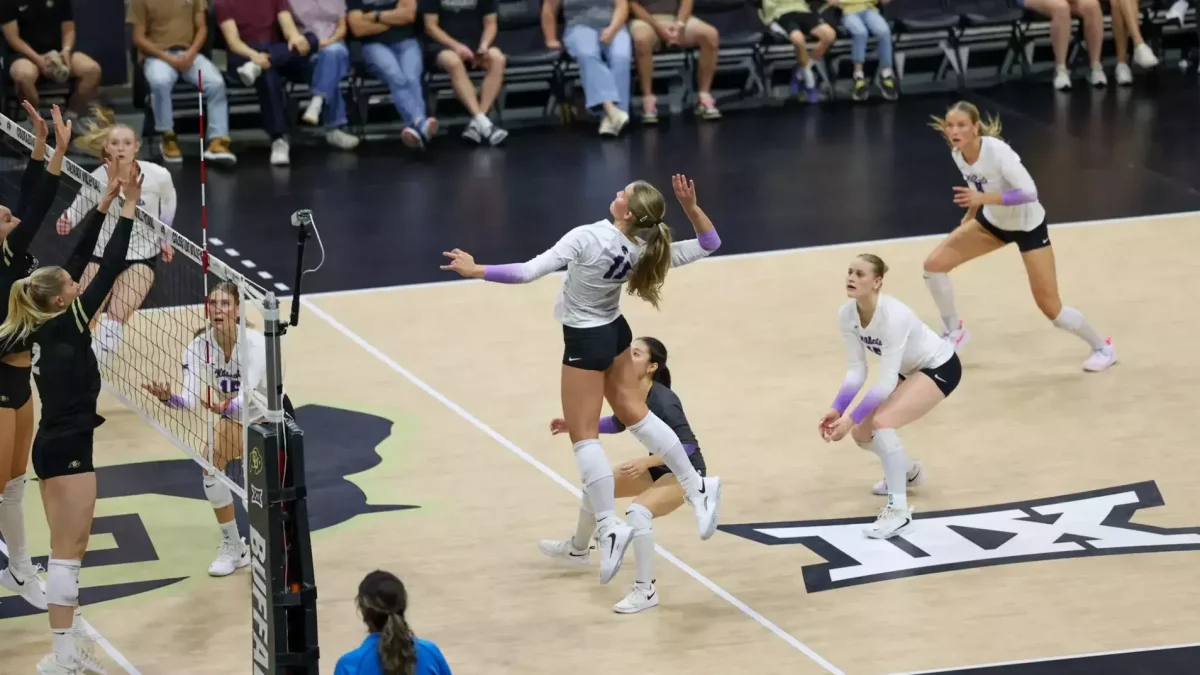

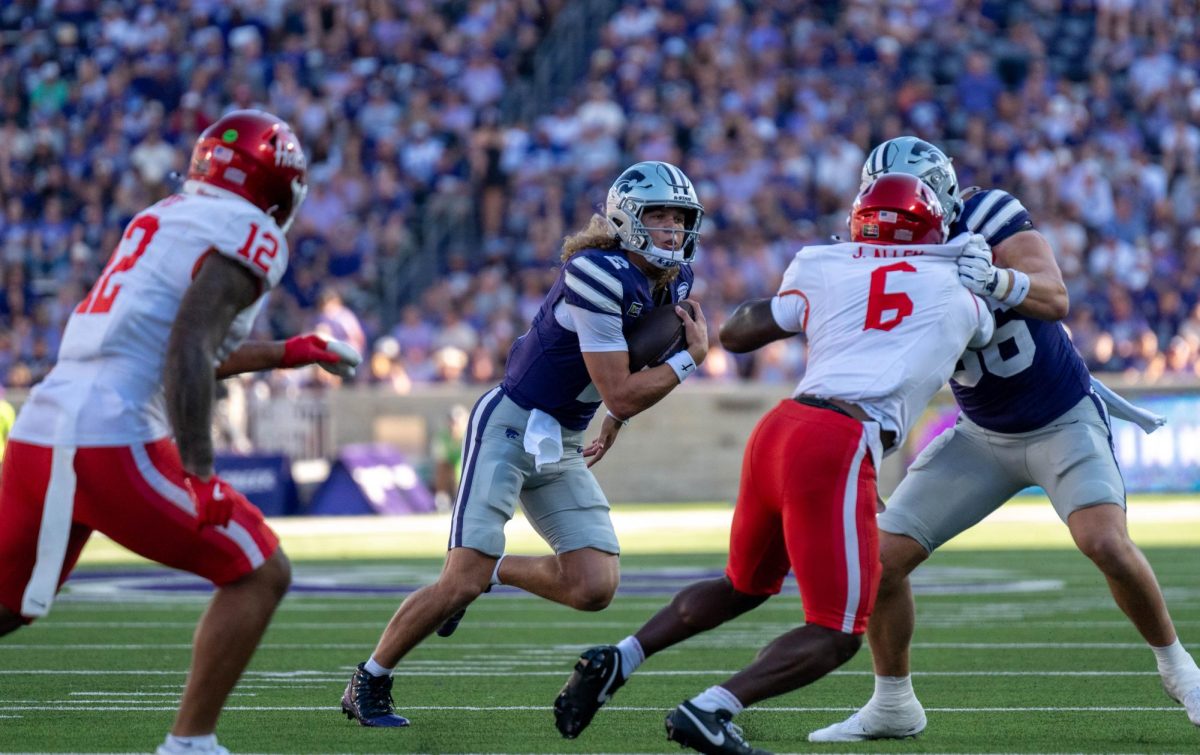






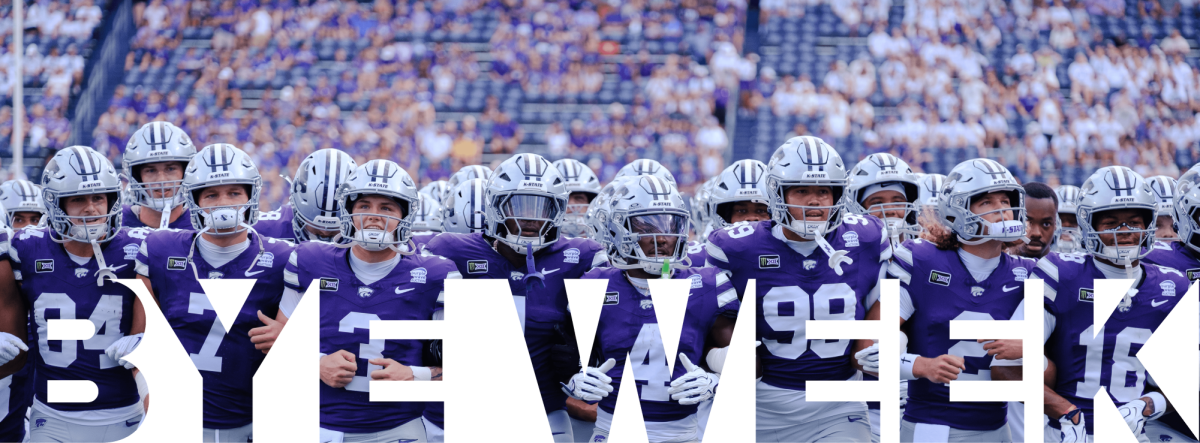
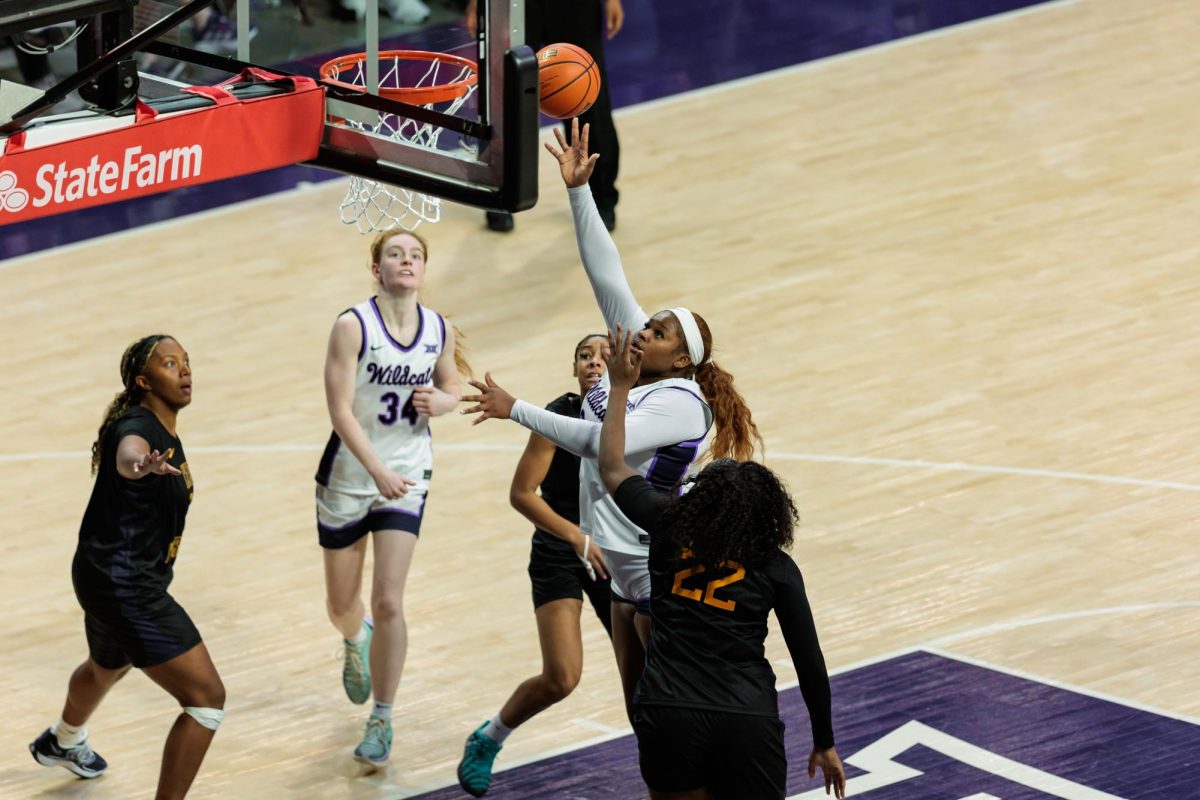




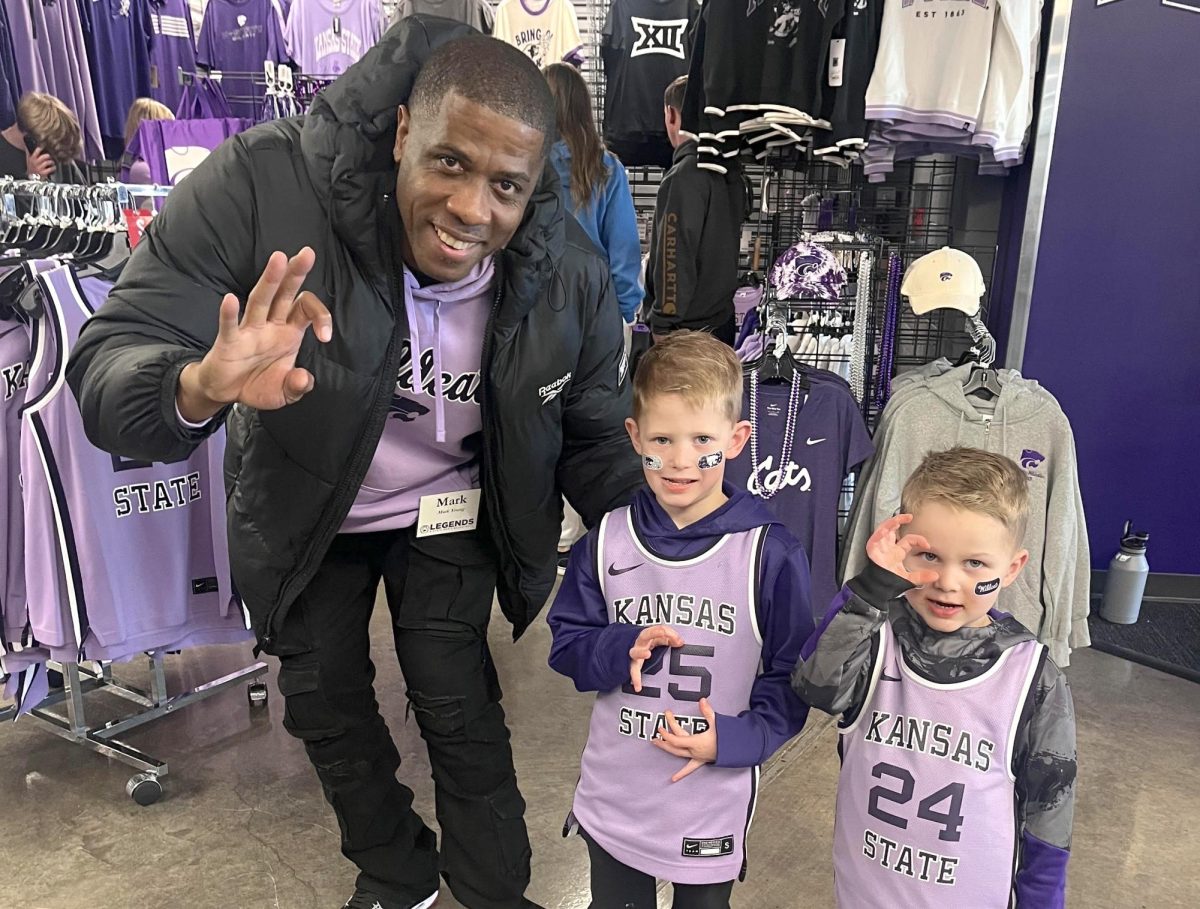





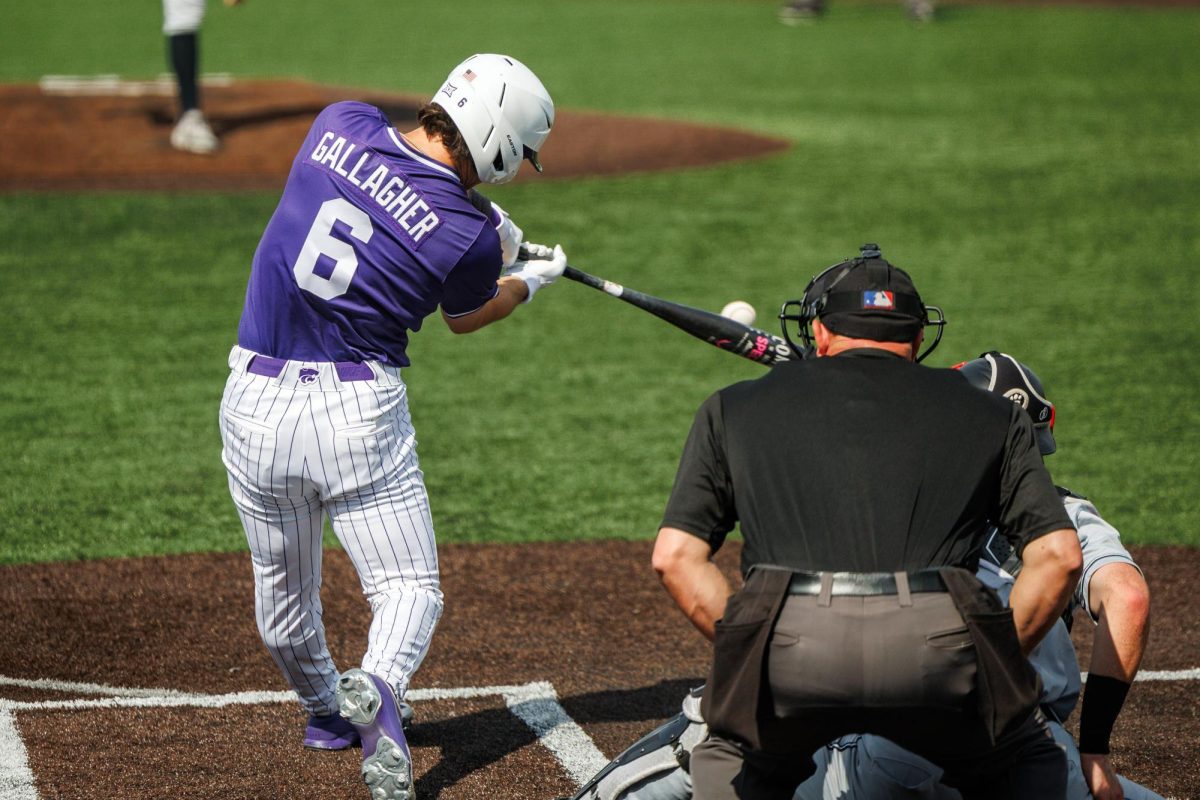


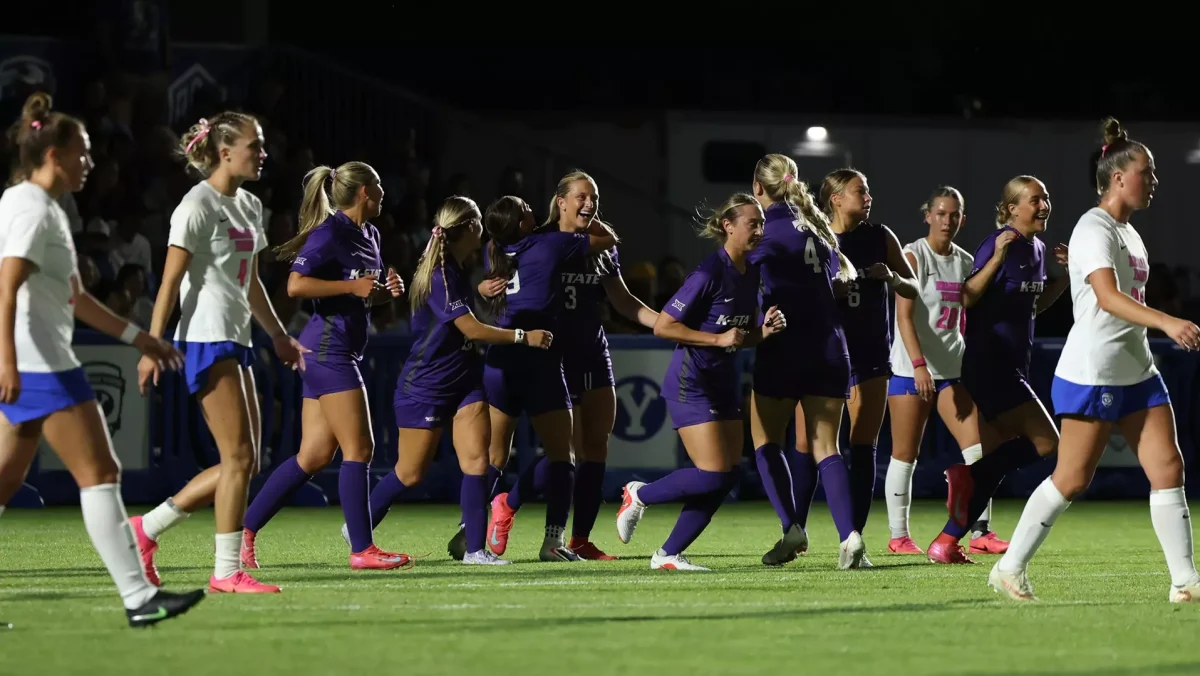

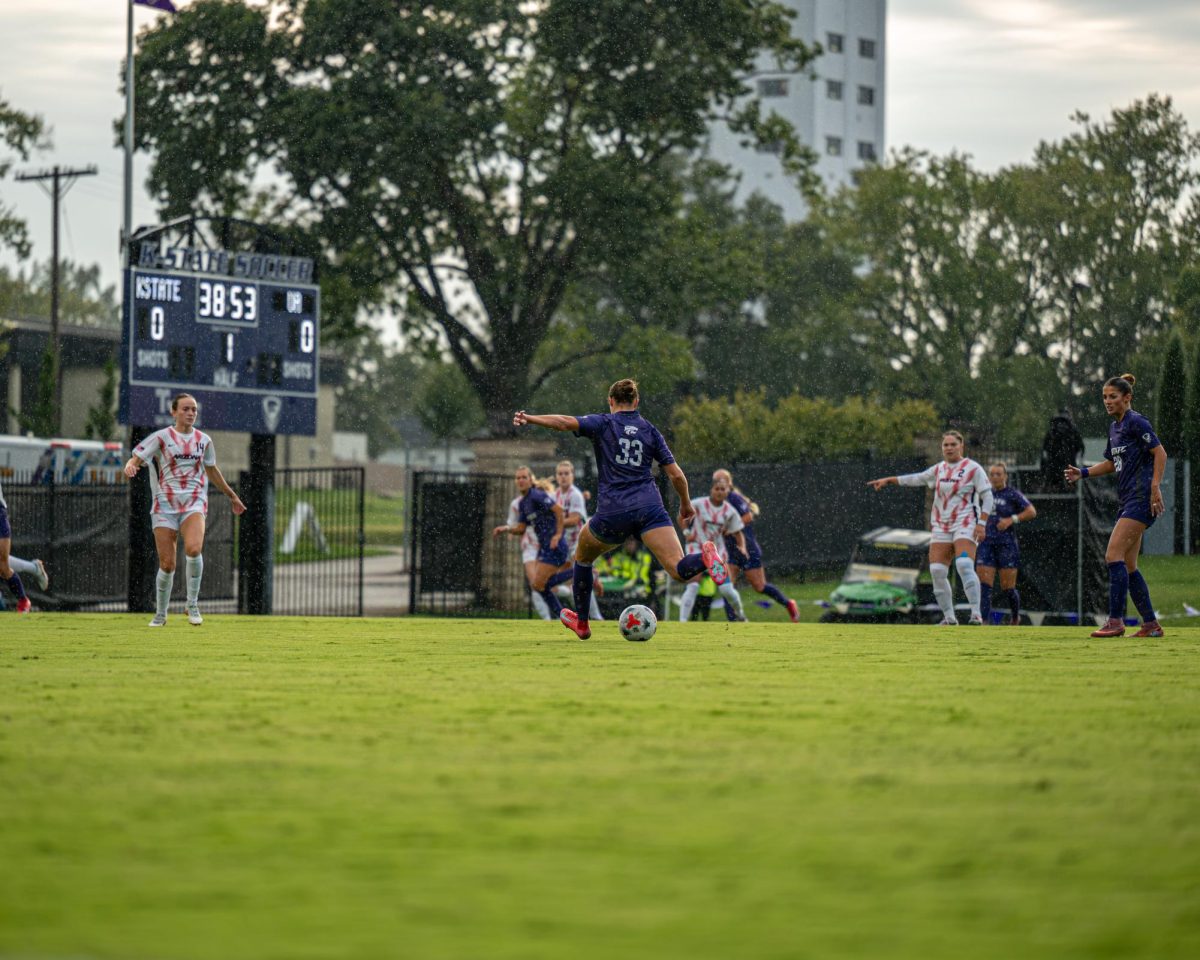
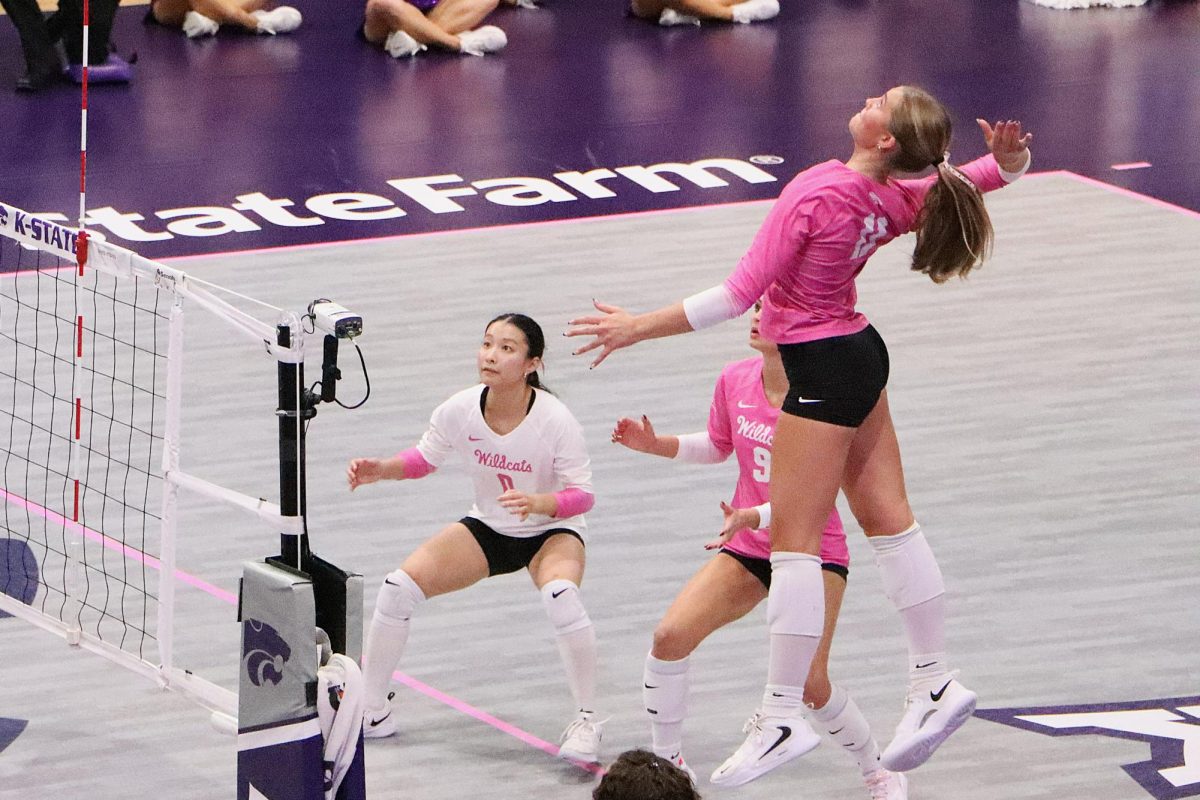
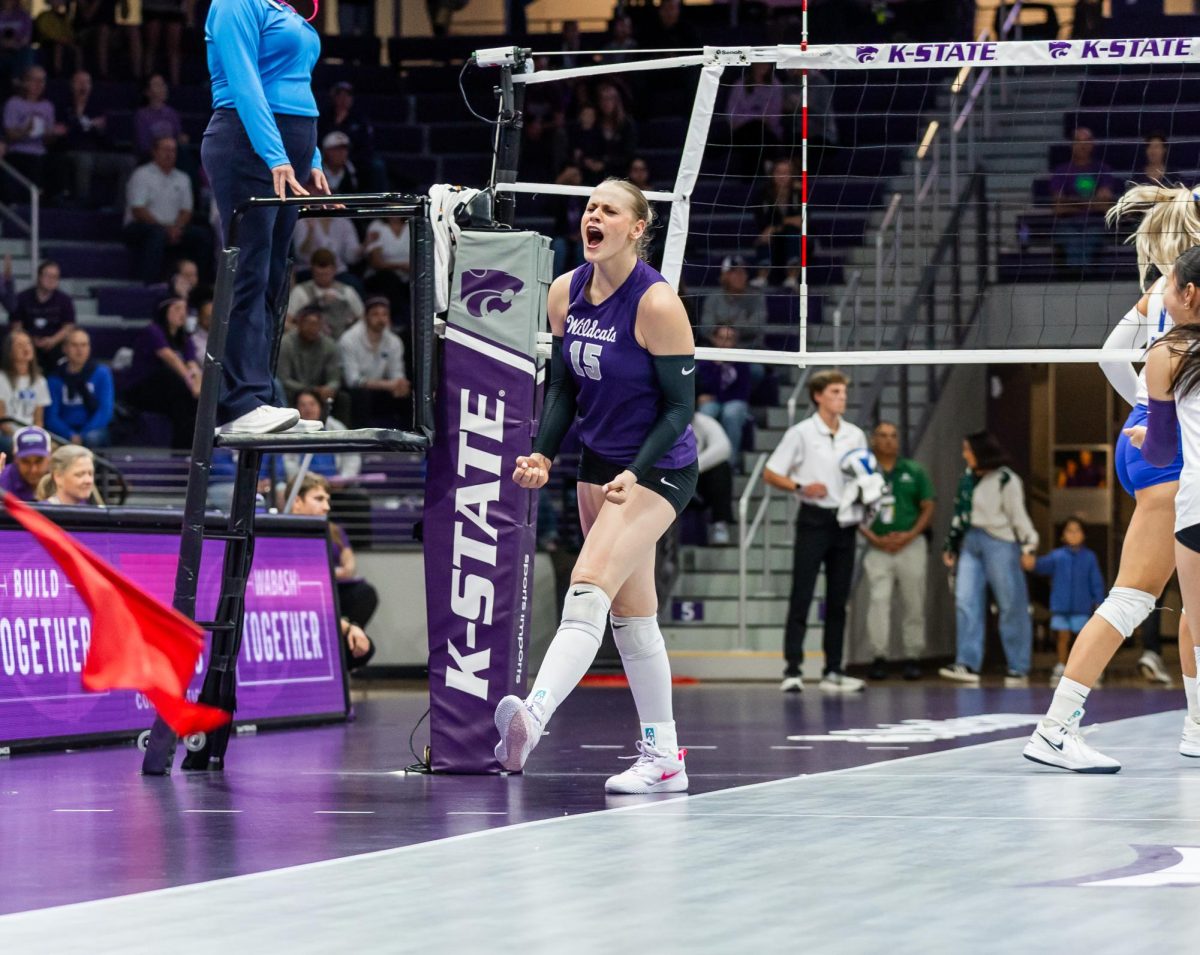
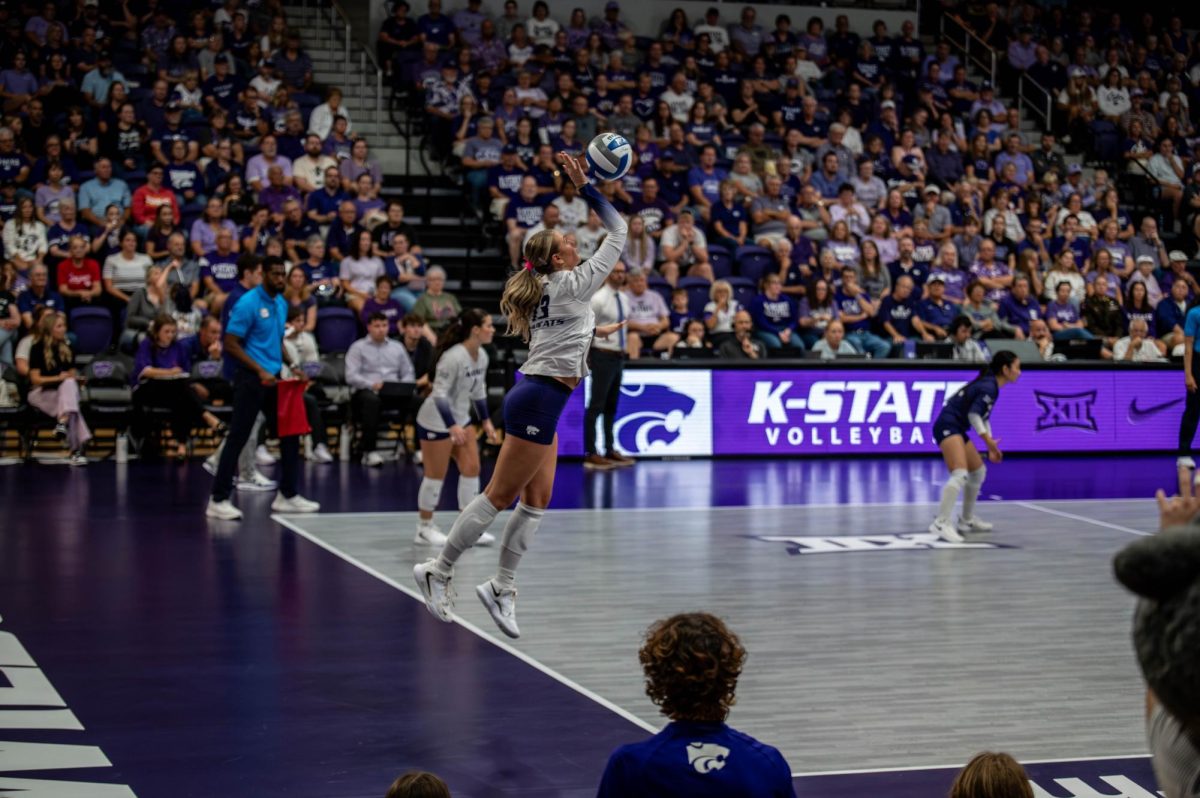









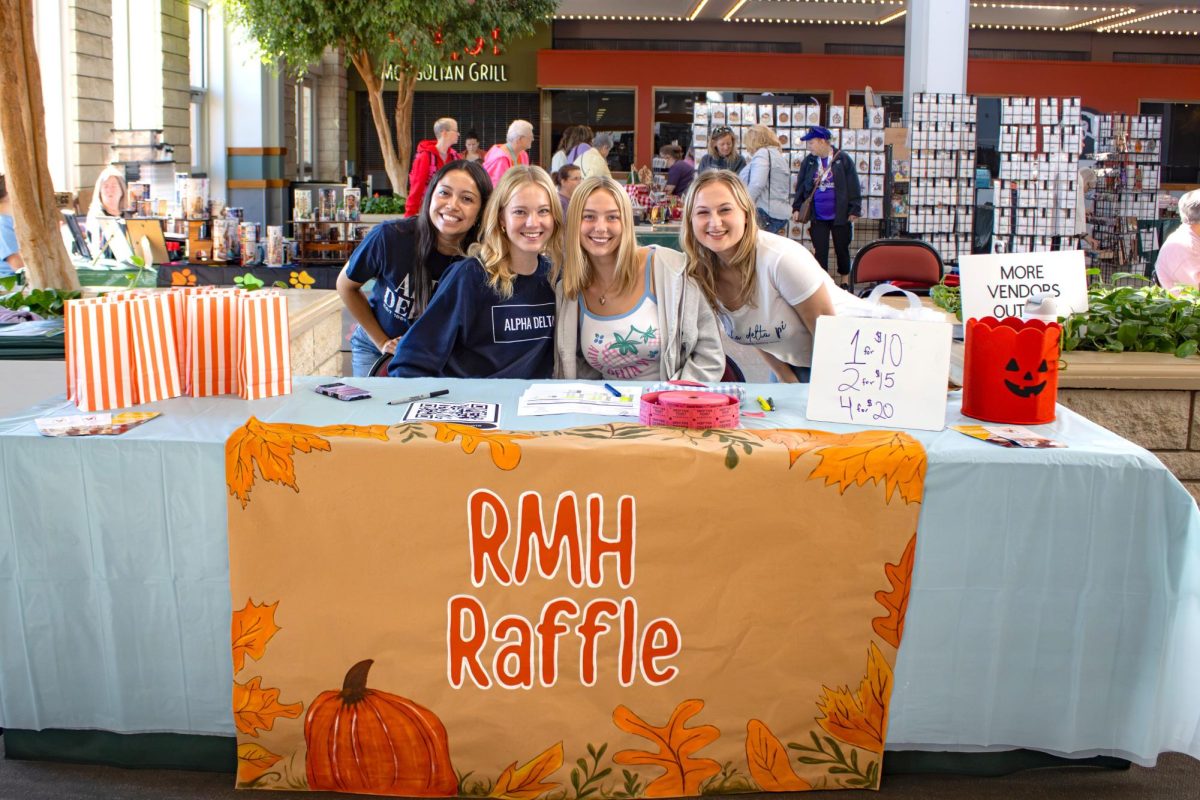

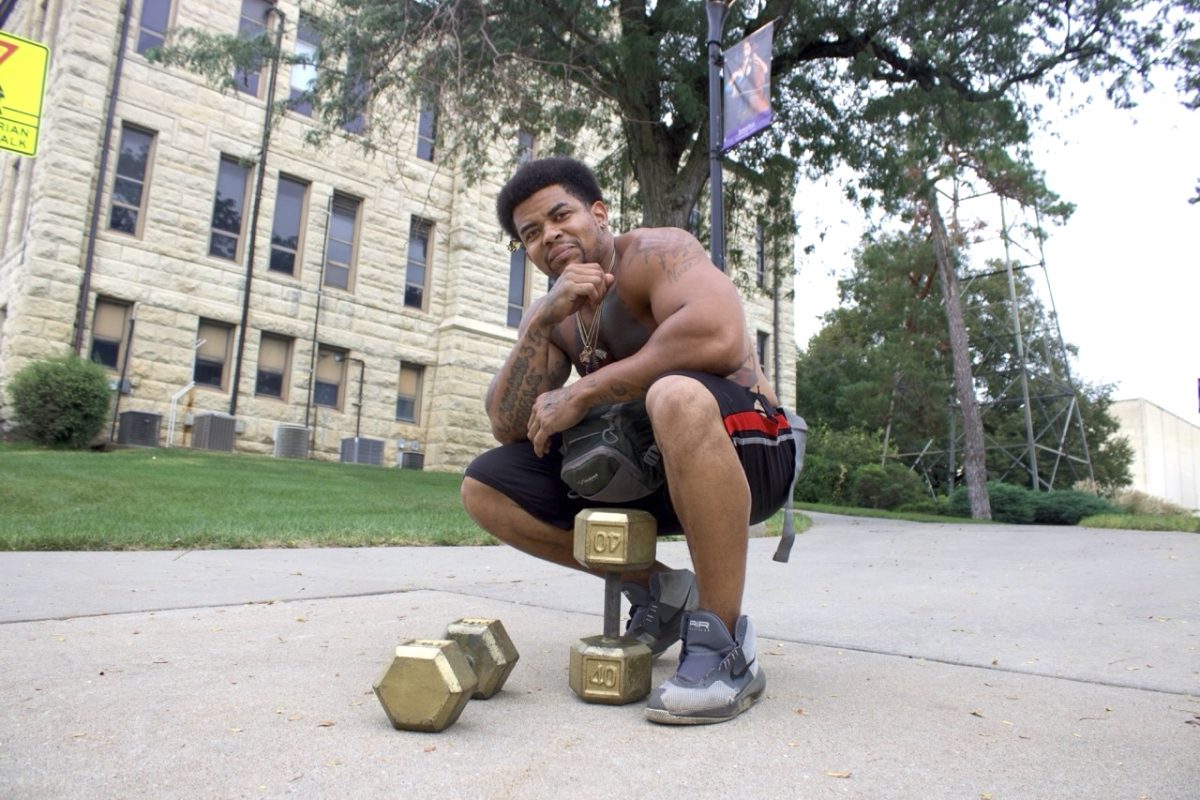
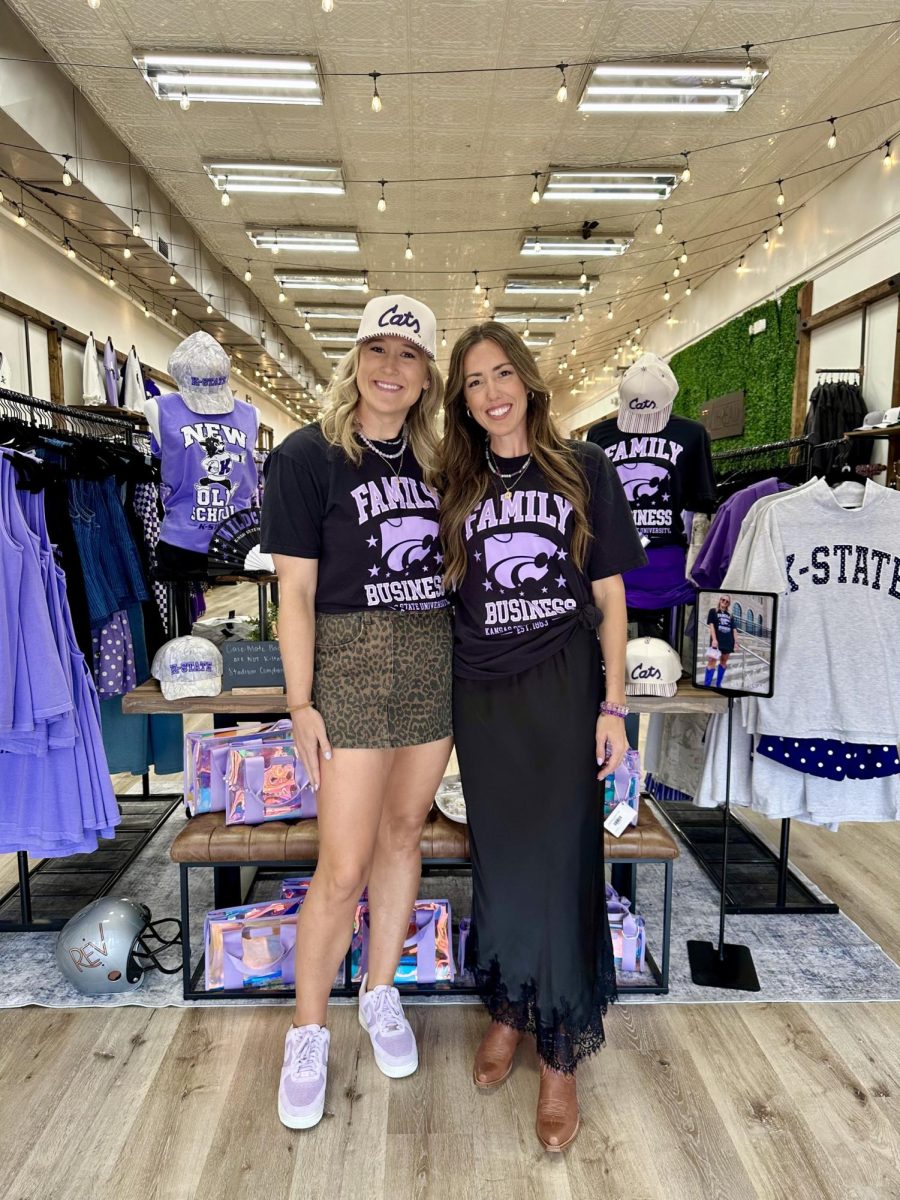
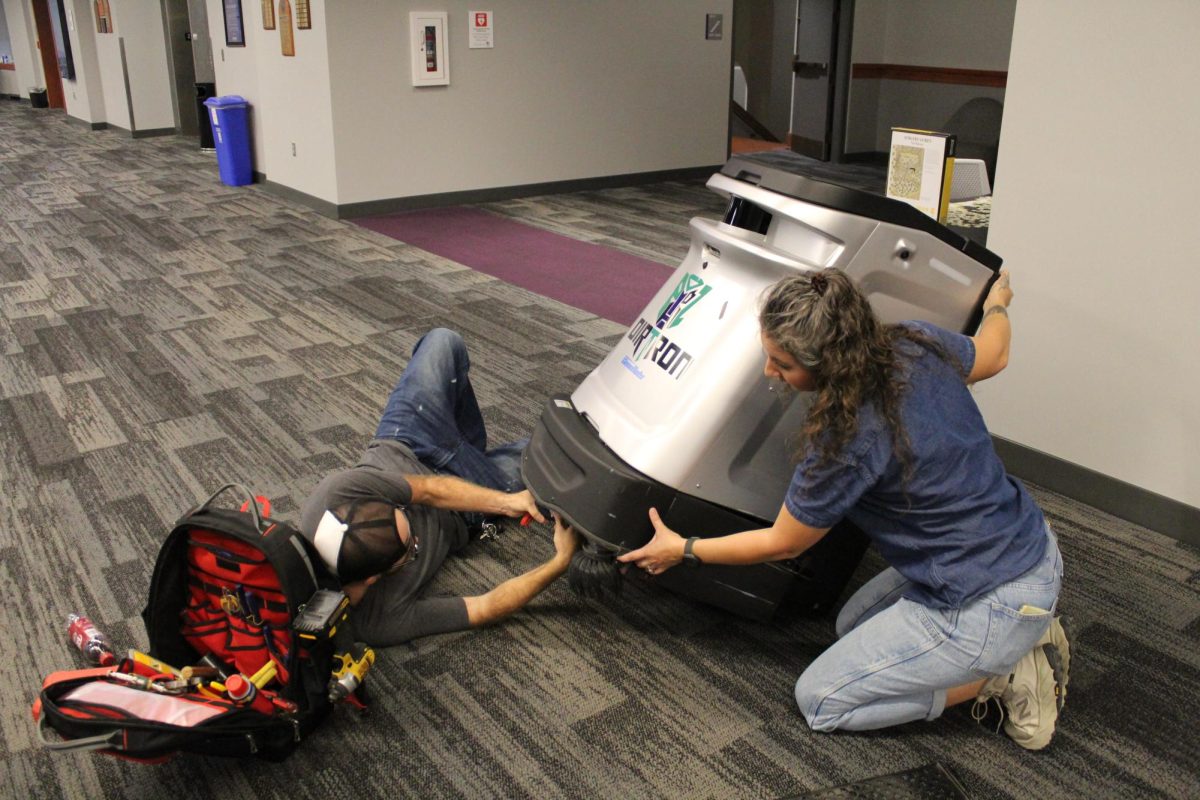





















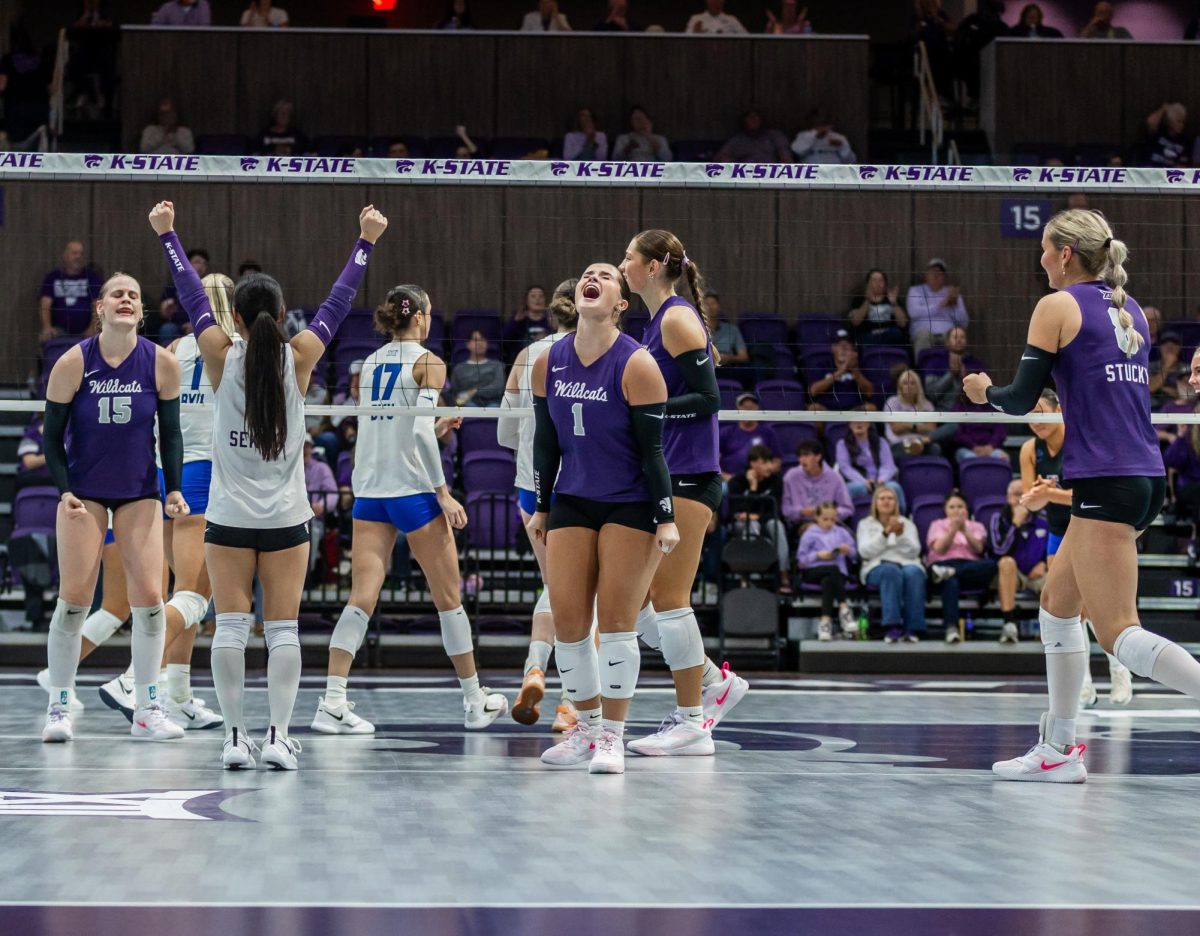


















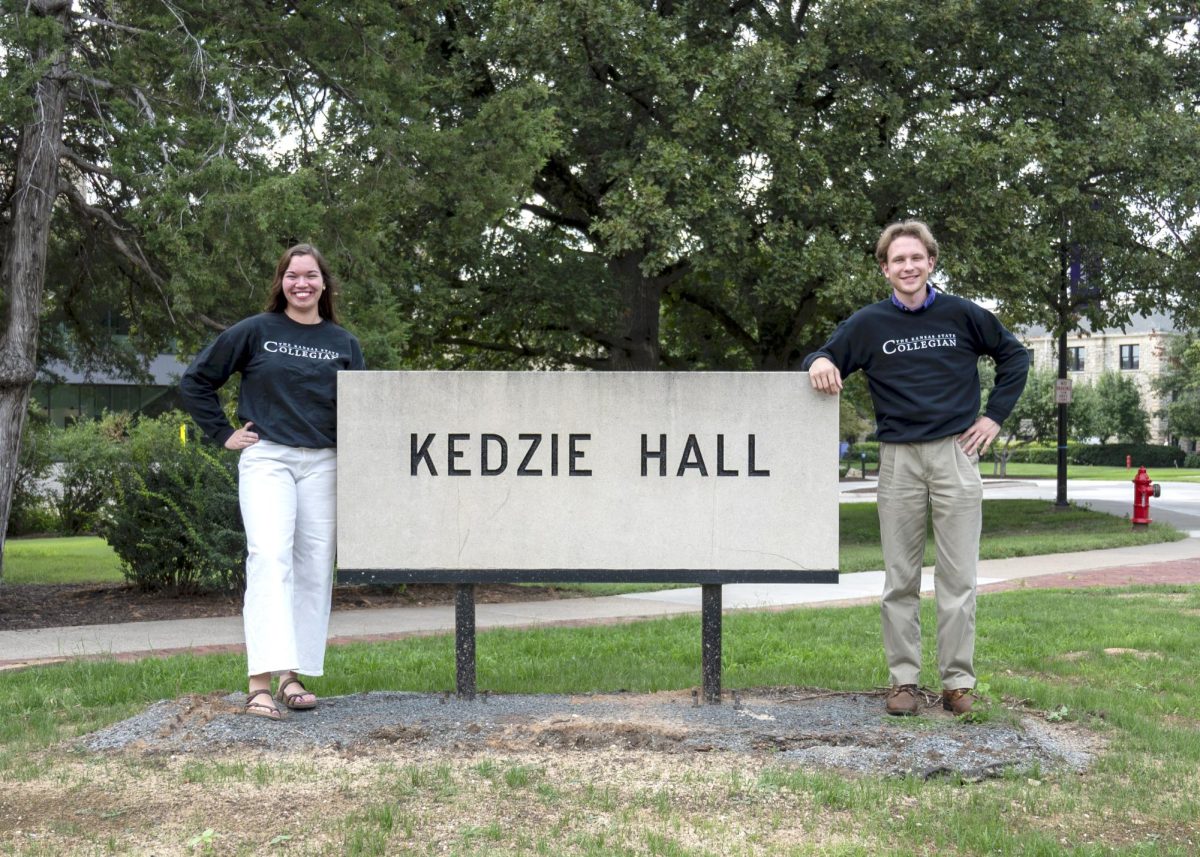




The Kansas State Collegian’s newsroom in Kedzie Hall has come back to life as student journalists have returned to K-State to start the new academic year. Touching every part of campus, from capturing game-winning shots to conducting dozens of interviews, these students tell the stories and document the history unfolding at K-State.
But today, the work printed in newspapers competes for attention with the endless stream of content on our phones. As more people rely on their phones for news and information, print journalism is read less and less.
So why read a newspaper when you can find nearly any information at the touch of a button? More specifically, why should you read The Collegian?
Using complex algorithms, your phone learns exactly what you like, filling your feed with content that reflects your opinions and interests. A newspaper can challenge those opinions and introduce you to stories you might have never come across.
Walter Cronkite, former CBS News anchor, once said, “The profession of journalism ought to be about telling people what they need to know — not what they want to know.”
This philosophy is especially valuable today, a time when algorithms influence the news people see. Instead of scrolling through a feed tailored to you, you could read a newspaper like The Collegian to discover stories you might otherwise miss.
These are stories that you might not actively search for, but journalism believes they are worth knowing.
But why does it matter if you read the news at all?
Reading the news allows you to better understand the world around you and have more informed conversations based on stories and perspectives larger than your own.
People once had a more shared perspective of the news, given that more people used to read newspapers and watch the same newscasts. In her 2019 TEDx talk, Florence Rogers, former president and CEO of Nevada Public Radio, described how people once consumed mass media and the news.
“Mass media allowed people to have a shared understanding of the facts,” she said. “And you knew what was important because that was what was on the front page or the top story in the evening news.”
She also explained how this shared consumption of the news led to meaningful discussions and the exchange of ideas based on the same set of facts.
Today, these conversations are harder to have. People increasingly collect their news from social media with differing algorithms. They may see a social media news headline and say, “I read an article,” without fully reading the story.
Taking the time to read a newspaper or watch a newscast not only exposes you to a wide range of topics but gives you the facts for more informed conversations.
While watching and reading national news is important, some of the most influential news comes from the pages of your local newspaper. These are stories that directly affect your life and community.
Student journalism covers stories that matter to students like Canvas hackers, parking garage updates and university staff hires. These stories might not be covered by larger news outlets, but they still greatly impact the students and the community.
At K-State, The Collegian tells those stories, all written right here in Kedzie Hall by students who call the Little Apple home.