























































































































Texas has one of the most unique utility systems in the United States. Unlike many states where customers have little choice over who supplies their electricity, much of Texas operates in a competitive energy market that gives residents and businesses the freedom to select their electricity provider.
This distinctive approach affects pricing, customer service, renewable energy adoption, and even how the state’s power grid operates. Understanding these differences can help consumers make more informed decisions about their energy needs.
A Competitive Market Gives Consumers More Choices
One of the biggest differences between Texas and many other states is the deregulated electricity market. In areas served by the competitive market, consumers can compare plans from multiple electric companies in Texas instead of purchasing power from a single utility provider. Rather than having one company generate, sell, and deliver electricity, these responsibilities are divided among different organizations.
Retail electric providers compete for customers by offering a variety of plans, including fixed-rate, variable-rate, prepaid, and renewable energy options. This competition encourages companies to develop attractive pricing, customer rewards, and flexible contract terms. While not every area of Texas participates in deregulation, millions of residents can shop for plans that best match their lifestyles and budgets.
Texas Operates Its Own Independent Power Grid
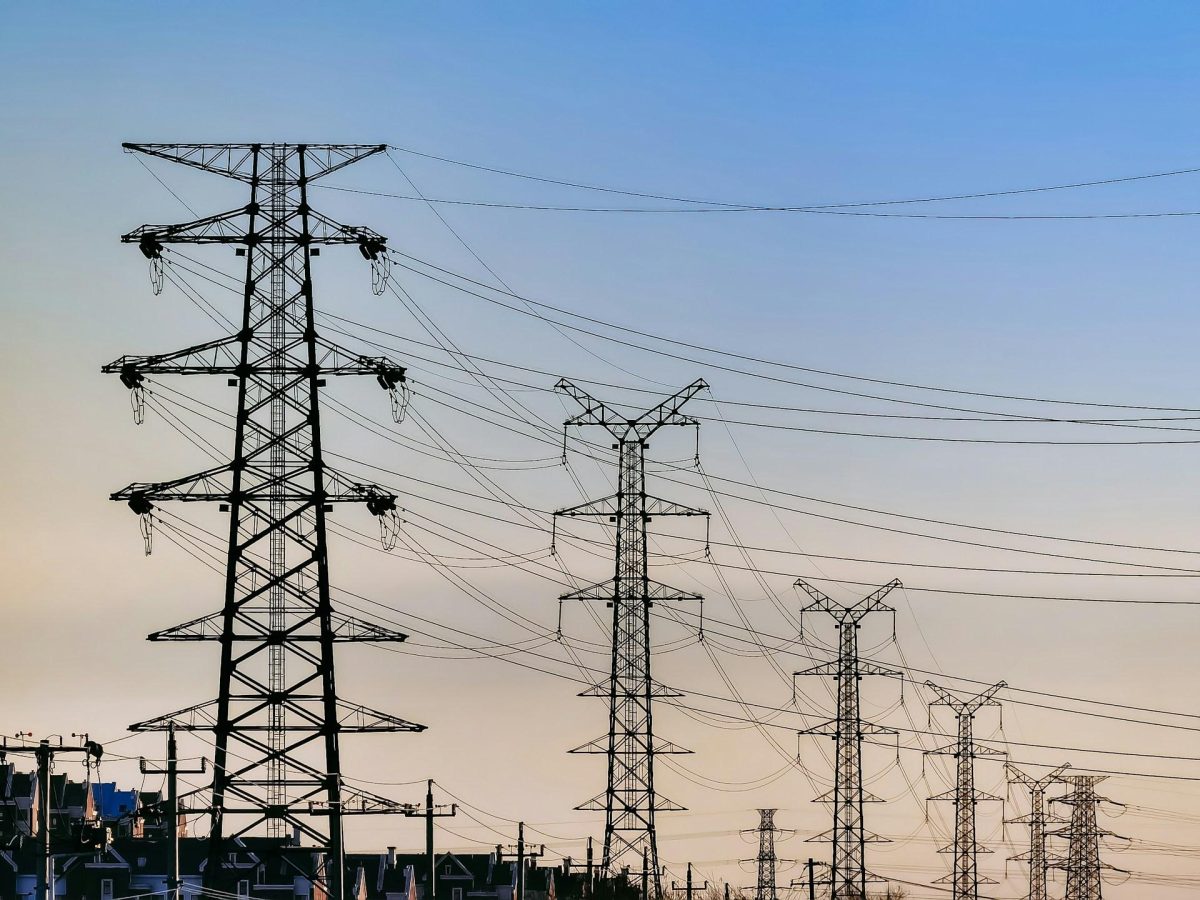
Another feature that sets Texas apart is its electrical grid. Most of the state is served by an independent grid, separate from the two major interstate grids that supply most of the United States.
Because the Texas grid primarily operates within state boundaries, state regulators have greater authority over electricity policies and operations. This independence allows Texas to respond quickly to local energy demands, although it also means the state has fewer opportunities to import electricity from neighboring regions during widespread emergencies.
The grid must continuously balance electricity generation with consumer demand, especially during periods of extreme heat when air conditioning use rises dramatically.
Transmission and Retail Providers Have Different Roles
Many consumers assume their electricity provider owns every part of the electrical system, but that’s not how Texas works.
Retail electric providers sell electricity plans, handle customer billing, and manage account services. Separate transmission and distribution utilities own and maintain the poles, wires, transformers, and other infrastructure that physically deliver electricity to homes and businesses.
If a storm causes a power outage, customers contact their local transmission utility rather than their retail electricity provider. This separation allows multiple providers to compete while maintaining a single, reliable infrastructure for delivering electricity.
Energy Competition Encourages Innovation
Competition often drives innovation, and Texas provides numerous examples. Energy providers continually introduce new plans designed for different customer needs.
Some plans offer predictable monthly bills through fixed pricing, while others allow customers to benefit when wholesale energy prices fall. Certain providers also include smart home tools, mobile account management, usage tracking, or renewable energy options.
Many electric companies in Texas now provide digital dashboards that help customers monitor electricity consumption in real time. Access to detailed usage information allows households to understand better how daily habits affect monthly energy bills and identify opportunities to reduce consumption.
Texas Is a Leader in Renewable Energy
Although Texas has long been associated with oil and natural gas production, it has also become one of America’s largest producers of renewable electricity.
The state’s geography offers ideal conditions for wind farms across wide-open plains and abundant sunshine for solar development. As renewable generation has expanded, many electricity providers have introduced plans that include renewable energy or renewable energy credits.
The diversity of energy resources contributes to a broad generation mix that includes natural gas, wind, solar, nuclear, and other sources. This variety helps support growing electricity demand while giving consumers additional choices when selecting an energy plan.
Weather Plays a Bigger Role Than Many People Realize
Texas experiences a wide range of weather conditions that can significantly affect electricity usage. Long, hot summers increase demand for air conditioning, often making cooling costs one of the largest household expenses. Severe thunderstorms, hurricanes along the Gulf Coast, winter freezes, and periods of drought can also influence electricity production and infrastructure operations.
Because weather has such a strong impact on demand, electricity providers and grid operators must carefully prepare for seasonal fluctuations. Consumers can often reduce costs by improving home insulation, maintaining HVAC systems, and selecting electricity plans that fit their expected usage patterns.
Understanding Your Options Can Save Money
Having more choices also means consumers should spend time comparing available plans. Price is only one factor worth considering. Contract length, cancellation fees, renewable energy content, customer service ratings, billing options, and promotional incentives can all influence the overall value of an electricity plan.
Reviewing the Electricity Facts Label provided with each plan helps customers understand pricing structures and determine whether a particular offer fits their expected monthly consumption. Comparing providers periodically may also reveal opportunities to lower annual electricity costs as market conditions change.
Why Texas Utilities Continue to Stand Out
Texas remains one of the most distinctive electricity markets in the country because it combines customer choice, competitive pricing, independent grid management, and a diverse mix of energy resources. While the system differs from traditional utility models found in many other states, it gives millions of consumers greater flexibility when selecting an electricity provider.
As technology continues to evolve and renewable energy expands, the Texas electricity market is likely to keep adapting to meet changing consumer expectations. Understanding how the system works and carefully evaluating available options means homeowners and businesses alike can make confident energy decisions that align with both their budgets and long-term needs.