


















































































































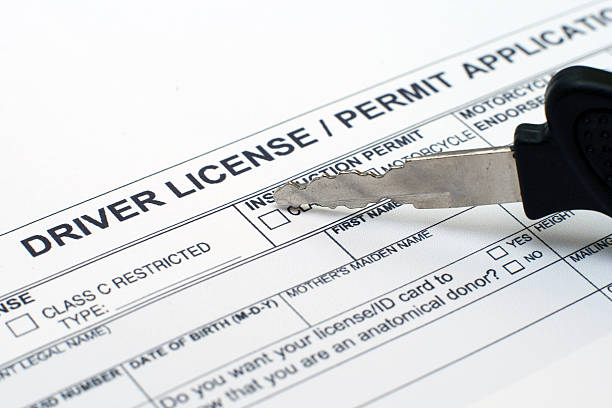
Applying for a restricted license is much easier when you understand the eligibility requirements, complete every requirement on time, and submit accurate information. Many applicants experience delays or denials because they overlook important details or misunderstand the process.
Understanding the steps to obtain a restricted license before applying can help you avoid common mistakes and improve your chances of getting back on the road as quickly as possible.
While the exact requirements vary by state, there are several mistakes that applicants frequently make regardless of where they live.
Not Confirming Your Eligibility
One of the biggest mistakes is assuming you automatically qualify for a restricted license.
Eligibility often depends on factors such as the following:
- The reason your license was suspended
- Your driving history
- The length of your suspension
- Whether you have completed required programs
Some suspensions allow restricted driving privileges, while others may require you to wait until a specific period has passed before applying.
Checking your state’s requirements first can save time and frustration.
Missing Required Deadlines
Many states have strict deadlines for submitting applications, completing educational programs, or requesting administrative hearings.
Missing even one deadline can delay the process significantly. Keeping copies of notices from the Department of Motor Vehicles (DMV) and creating a checklist of required dates can help you stay organized throughout the application process.
Planning ahead often prevents unnecessary setbacks.
Submitting Incomplete Paperwork
Incomplete or inaccurate paperwork is another common reason applications are delayed.
Before submitting your application, carefully review every document to make sure:
- All forms are signed.
- Personal information is accurate.
- Required supporting documents are attached.
- Applicable fees have been paid.
Taking a few extra minutes to review your paperwork may prevent weeks of unnecessary delays.
Ignoring Court or Administrative Requirements
A restricted license is often available only after certain legal obligations have been satisfied.
Depending on the circumstances, applicants may need to do the following:
- Complete a DUI education program.
- Finish community service requirements.
- Pay outstanding fines.
- Provide proof of insurance.
- Install an ignition interlock device when required.
Failing to complete these requirements before applying may result in a denied application.
Driving Before Approval
Some drivers mistakenly believe they may begin driving once they submit their application.
In reality, you must wait until the restricted license has been officially issued before driving. Operating a vehicle without valid driving privileges may lead to additional penalties, longer suspension periods, or even criminal charges.
Waiting for official approval is always the safest choice.
Failing to Understand License Restrictions
Receiving a restricted license does not restore full driving privileges.
Many restricted licenses allow driving only for specific purposes, such as:
- Traveling to and from work
- Attending school
- Medical appointments
- Court-ordered programs
- Essential family responsibilities, where permitted
Driving outside the approved conditions may result in additional violations or the loss of restricted driving privileges.
Always understand exactly what your license allows before getting behind the wheel.
Not Seeking Legal Guidance When Necessary
Some license suspensions involve complicated legal issues that make the application process more challenging.
If your suspension resulted from multiple offenses, a serious traffic violation, or a DUI conviction, consulting an attorney may help you better understand your options. Legal guidance can also help ensure that court requirements and administrative procedures are completed correctly.
Getting professional advice early may help avoid mistakes that are difficult to correct later.
Understand the Applicable Law
Restricted license eligibility is governed by state law, and the rules vary considerably from one jurisdiction to another.
For example, in California, Vehicle Code § 13352 outlines license suspension consequences for certain alcohol-related driving offenses and identifies circumstances under which restricted driving privileges may become available after specific requirements are satisfied. Reviewing the laws that apply in your state can help you understand what is required before submitting your application.
Key Takeaways
- Verify that you meet your state’s eligibility requirements before applying.
- Complete every required program, payment, or court obligation on time.
- Carefully review your paperwork before submitting your application.
- Never drive until your restricted license has been officially issued.
- Understand and follow every restriction attached to your license.
- Keep track of important deadlines throughout the application process.
- If your case is complex, consider seeking legal guidance before applying for a restricted license.