



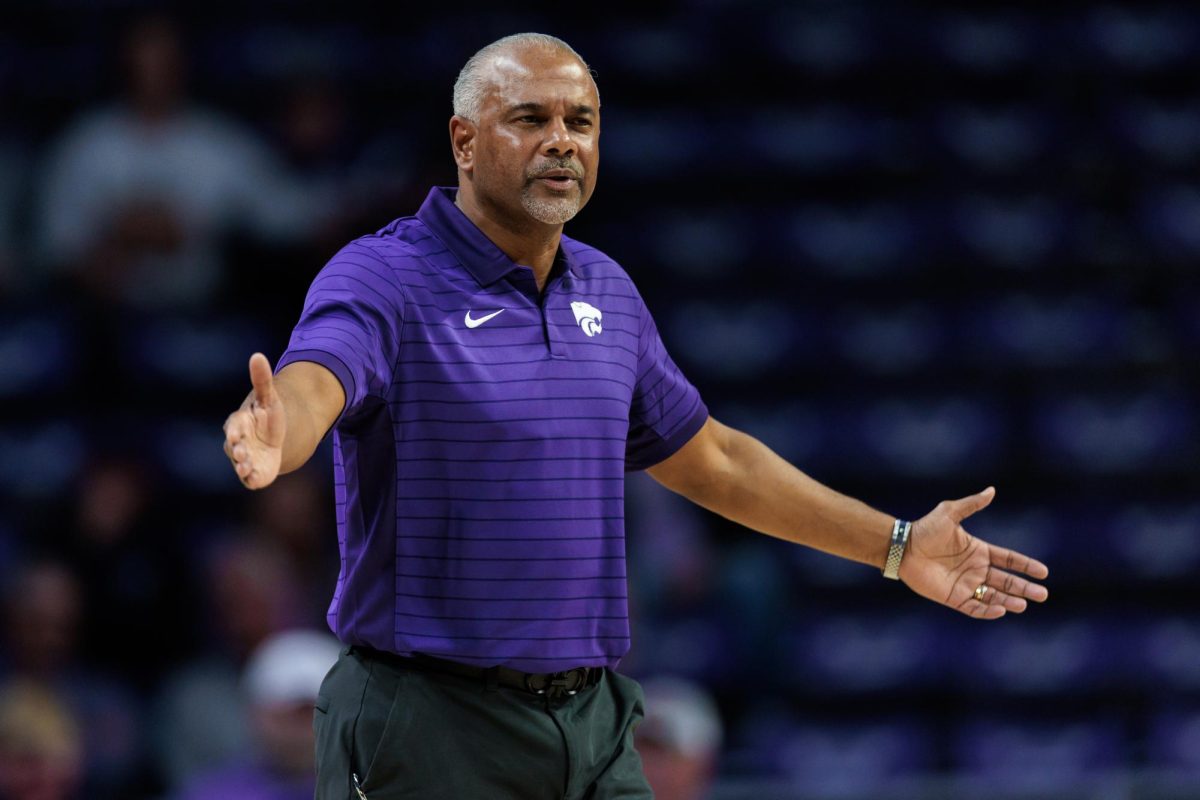





























































Last season, K-State’s men’s basketball program became the laughingstock of the Big 12, finishing at the bottom of the conference under former head coach Jerome Tang. Outside of the 2023 Elite Eight run in March Madness behind Markquis Nowell, Tang struggled to find consistent success, with the Wildcats’ best overall record being 19-15 and an 8-10 mark in conference play during the 2024-25 season.
Let’s take a deep dive into why the Jerome Tang era ultimately fell short and why first-year head coach Casey Alexander appears to have a solid foundation in place for the 2026-27 season.
While Jerome Tang’s team worked on paper, opponents worked on the court
The Tang problem stemmed from an inability to build a complete roster. Instead, he seemed to approach roster construction with what I would call a “video game brain.”
In a sports video game, the goal is simple: Collect as many of the highest-rated players as possible or find one superstar who can carry the rest of the team. Tang appeared to adopt that same philosophy.
In the seasons following the Elite Eight run, he consistently pursued some of the biggest names in the transfer portal. He even developed a reputation as one of the country’s most successful recruiters when it came to landing high-profile transfers. Arthur Kaluma, Coleman Hawkins and, most recently, PJ Haggerty were among his most notable acquisitions.
According to multiple reports and NIL estimates, those three players collectively earned approximately $5.5 million in compensation to join the program. That figure does not include additional acquisitions such as Dug McDaniel, Tylor Perry or the most recent million-dollar addition, Andrej Kostic.
According to the NIL Standard, K-State men’s basketball ranks last in the Big 12 in estimated spending for the 2026-27 season, at approximately $6 million, despite bringing in an almost entirely new roster.
In a world where money is king, points are still points
While K-State once ranked among the biggest spenders in the Big 12, the program now appears to be shifting its focus toward building a roster that plays together rather than relying on individual talent.
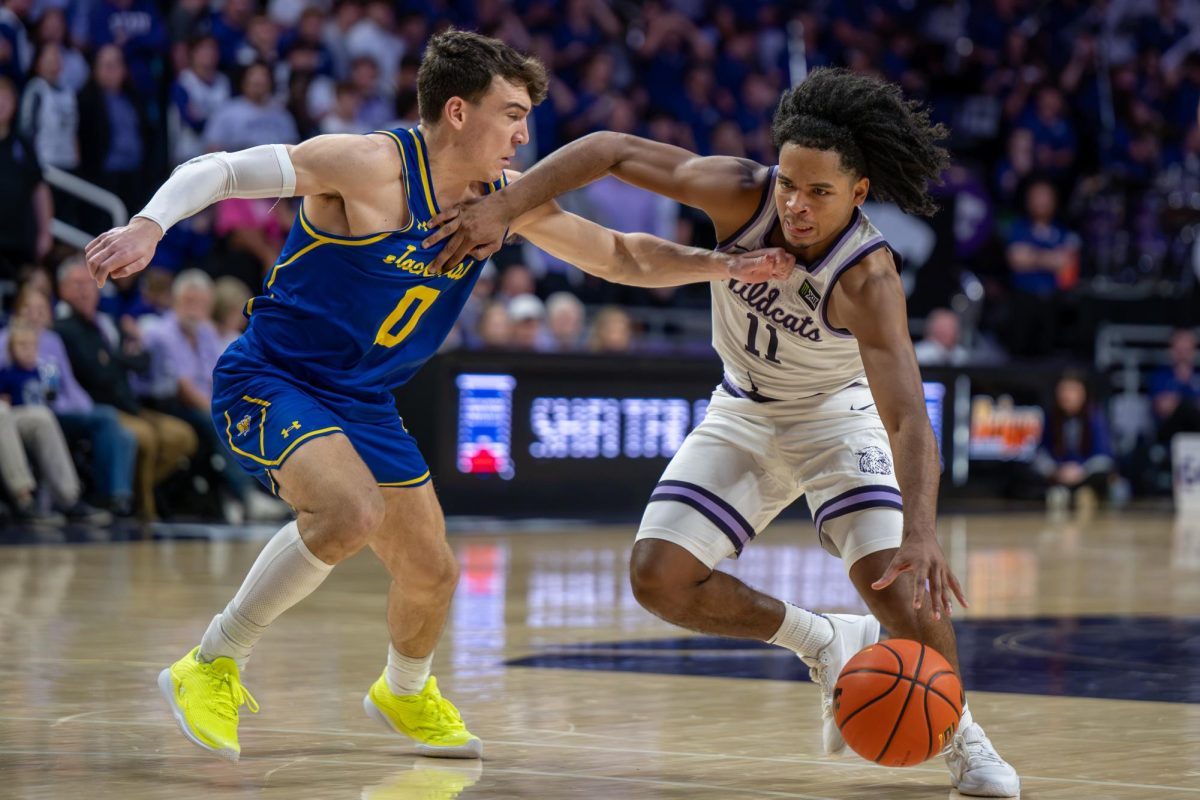
Last season, Haggerty averaged 23.4 points per game, making him the third-highest single-season scorer in K-State men’s basketball history. Watching a player reach that level of production was impressive, but he lacked the supporting cast needed to translate those individual numbers into team success. Much of the problem stemmed from a lack of consistent production beyond the starting lineup.
K-State has frequently struggled with a familiar scoring pattern: One player emerges as the primary scoring option, production drops significantly to the second-leading scorer and then falls even further down the roster.
That offensive imbalance makes it hard to compete with the depth throughout the Big 12. Having a player who can score 20-plus points on any given night is valuable, but having four or five players who can contribute offensively is what makes a team dangerous.
The Verdict
Following an 86-45 win over the Montana Grizzlies, Casey Alexander’s Wildcats answered a few lingering questions that have followed the program in recent seasons.
If K-State’s leading scorer cannot put together a big performance, can the rest of the team step up and get the job done?
Yes, they can.
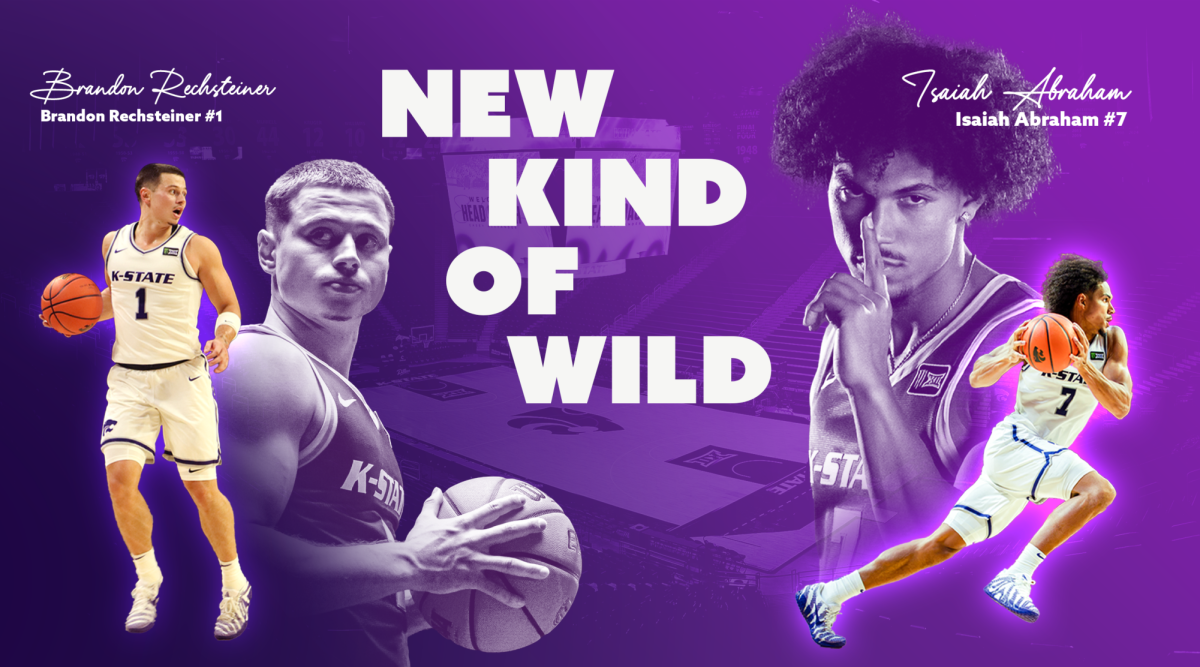
Brandon Rechsteiner finished with just 10 points after averaging more than 20 points per game through the first three games of the season, dropping his scoring average to 19.5 points. Despite his relatively quiet night, all but one player in the starting five finished in double figures. Three players coming off the bench also contributed more than 6 points apiece.
That is the type of offensive balance K-State needs. When multiple players can contribute to the scoring total, opposing defenses have fewer opportunities to focus on shutting down one individual.
Can this team create turnovers?
Yes, and it is doing so at a historic rate.
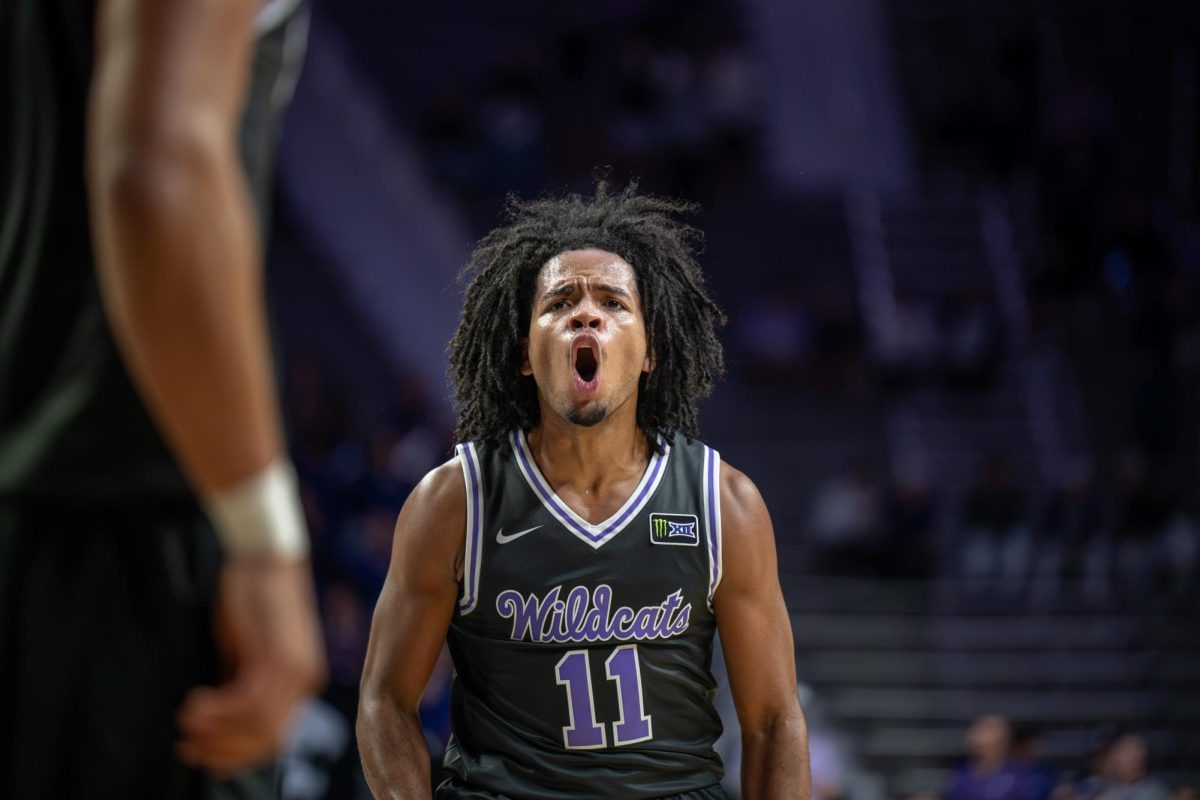
Freshman guard Jaylen Alexander is averaging 2.8 steals per game, surpassing Markquis Nowell’s program-record average of 2.6 steals per game. Although I am not confident Alexander can maintain that pace throughout the season, his defensive production is certainly something to monitor heading into the Players Era Tournament.
Creating turnovers is especially important for a team that may struggle with offensive rebounding. If K-State can turn defensive stops into transition opportunities, Alexander could become a major contributor to generating easy points.
Trust the process under Casey Alexander.
He has shown the ability to build a team that plays together rather than simply collecting individual talent. The ceiling could resemble the type of turnaround seen at Iowa, while the floor remains a team trying to climb out of last season’s conference basement.
It is still early, but the Wildcats are showing signs of something that has been missing in Manhattan for quite some time: a complete basketball team.