
































































































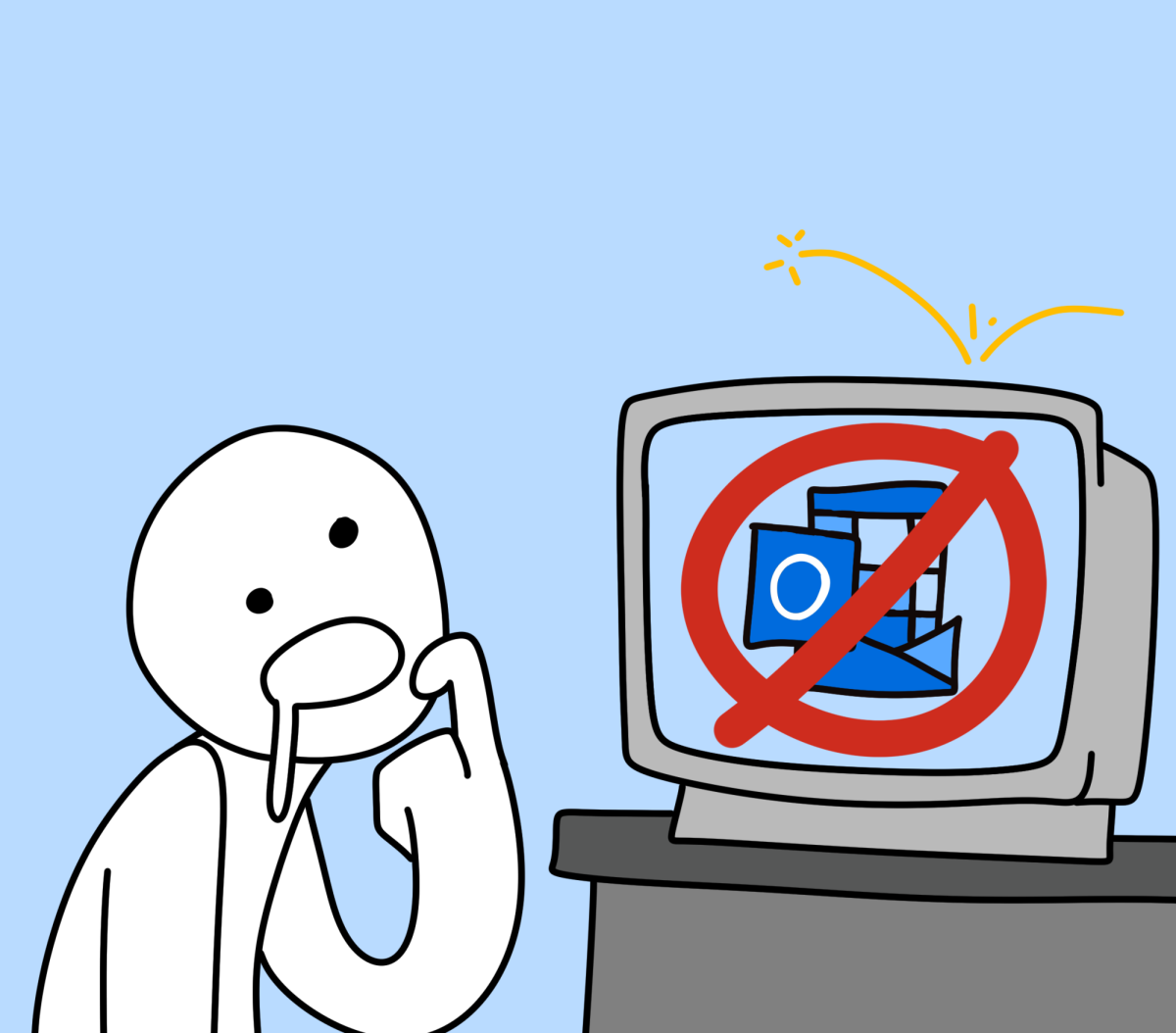

















Hundreds of K-State students sat at their computers spamming the refresh button to check their Outlook on Nov. 12, just to see a pale white screen with a devastating graphic of a wifi symbol informing the users that the system was down.
Panic! Disarray! How am I supposed to know if my package came in? How am I supposed to communicate with professors? Most importantly, does this mean class is canceled? Most likely not. This had the whole country rethinking our dependence on online communication.
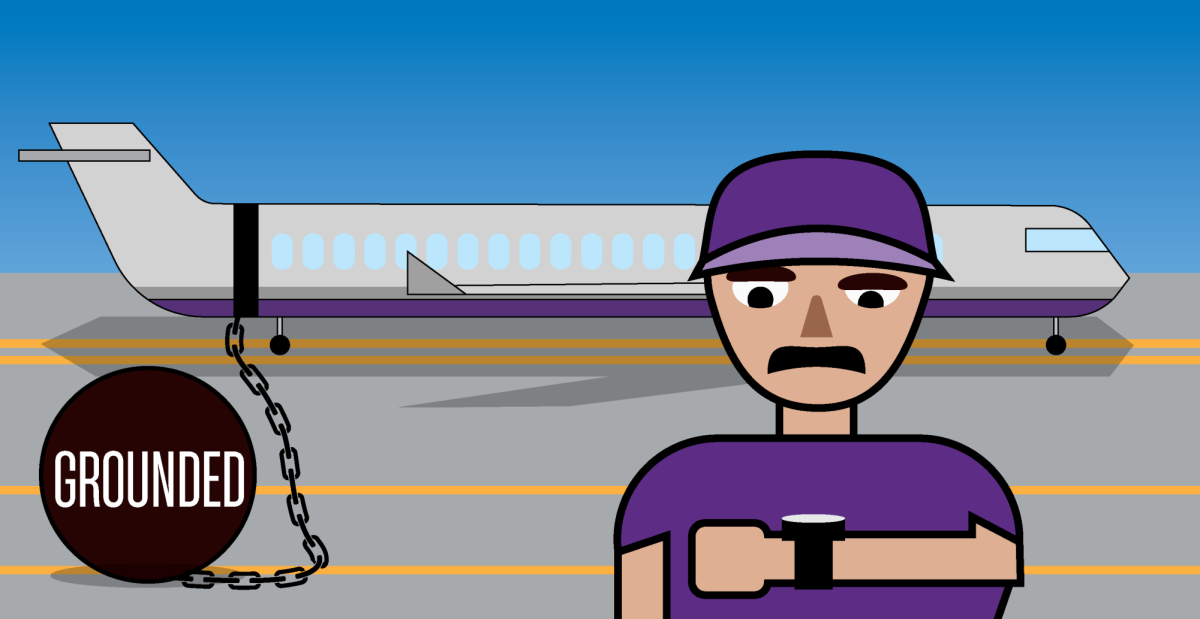
Microsoft was back up and running by Saturday morning. However, that was not the end of online systems shutting down. On Nov. 13, the US Federal Aviation Administration issued a nationwide grounding for all flights due to data flooding into the FAA FTI network. They were able to start air traffic up that same day, but the proximity of the two system shutdowns has people worried.
Does this mean people should start preparing for the moment that all computer systems shut down? Is that really any way to live your life — falling for the fear-mongering theories of shutdowns that will leave everyone trying to train pigeons to carry letters to our loved ones?
It all seems a little bizarre. But does society rely on computers too much? No.
Separation is impossible
There is no doubt that society relies on computers heavily in our modern day and age. However, if it is decided that people rely on them too much, then how do they rely on them less? The system is so intertwined with computers that without a full unplug and recreation of it, there is no way to fully separate from computers.
There is no need to separate from electronics because of all the positives. Someone can have instant communication with another who is halfway across the world, can type papers in a fraction of the time, get information on any subject in a matter of seconds, capture images and audio and so much more.
Without computers, none of this would be possible. It is okay to rely on computers because they allow everyone to be more efficient and educated.
What happens when a system shuts down? People pivot. They use alternate forms of communication when Outlook gives out, and air travel has never been the most reliable form of transportation, so people turn to cars or hope that whatever purpose that caused them to travel can wait a few more hours. This is not a cause for panic, but a moment to remember the other resources available.
The AI caveat
There is nothing wrong with utilizing computers; however, artificial intelligence is where people go wrong.
AI is relatively new and needs to be monitored. Additionally, people have gotten way too comfortable with it and it is slowly taking away jobs from people, whether it’s companies using AI to make commercials or AI being able to write articles in the blink of an eye.
Computers are a great tool, but AI is a means for laziness and another way companies can get away with not paying people. Yes, AI is efficient, but it should not be a replacement for humans and the wonderful creations people have been generating for centuries.
People only rely too much on computers when they let them generate their work. Human fingers should be what causes words to be put onto the document; the human eye should be what determines the subject that a camera captures.
One malfunction should not make people hesitant of computers, because at the end of the day society would not be able to function the way it does without them.