














































































































A Trump administration-proposed federal student loan policy has caused concern among K-State students and faculty over whether salary and money should be the primary measure of a college degree’s value.
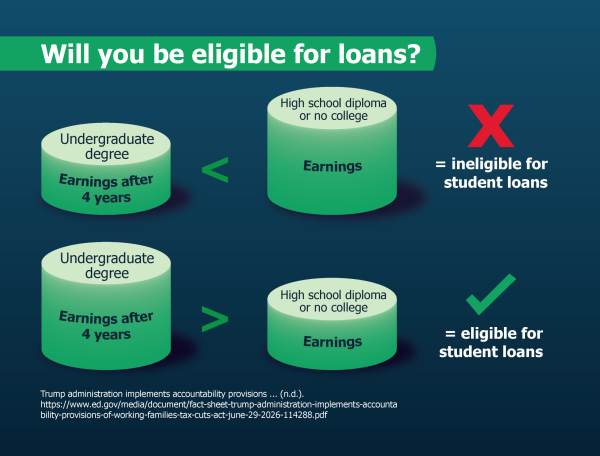
According to The New Republic, the U.S. Department of Education proposed plans to evaluate undergraduate academic programs by comparing their graduates’ earnings four years after leaving school to those of similarly aged workers with only a high school diploma. If approved, the proposal would take effect in 2027, and programs that fall below that benchmark could lose eligibility for student loans.
The proposal gained national attention after the article circulated on social media. The Department of Education posted a response disputing claims that the administration was “banning” certain degrees, calling those characterizations “fake news.” The department said the policy is intended to hold colleges accountable for programs that leave students “worse off than if they never enrolled” and argued that students deserve educational pathways that prepare them for the workforce.
The new policy, if passed, would primarily affect students in social work, music, art, religious studies, early childhood education, teaching aides and cosmetology. It has drawn concerns from students in those fields, where graduates may earn less early on in their careers despite filling important workforce and community roles.
For Bryn, sophomore in vocal performance, the proposal raises questions about whether earnings alone capture the true value of a degree.
“My first reaction was concern,” Bryn said. “I understand the argument that students should be protected from taking on debt for programs that may not lead to strong financial outcomes. At the same time, I think looking only at graduates’ earnings can leave out a lot of what a degree actually provides, especially in fields like music.”
Bryn said financial aid plays a major role in making college accessible.
“Having access to financial aid can make the difference between being able to pursue the degree you want and having to choose something based primarily on cost,” Bryn said.
She said reduced access to student loans could discourage some students from pursuing fine arts-related degrees.
“That could mean some talented students decide not to pursue music or the arts, not because they aren’t capable or passionate enough, but because they can’t afford the opportunity,” Bryn said.
The debate extends beyond affordability to how colleges actually define success.
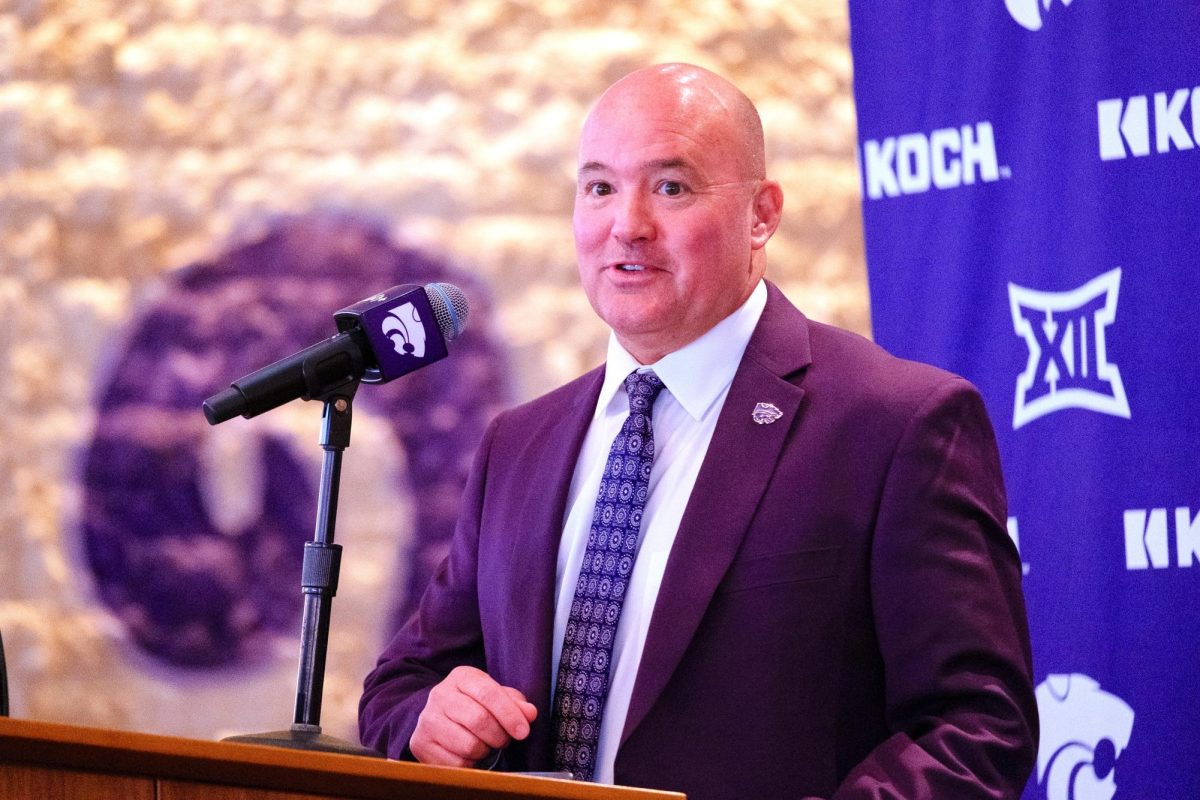
Bryan Pinkall, Director of the School of Music, Theatre, and Dance at K-State, said salary data can provide useful information but should not be treated as the only indicator of a program’s success.
“Salary matters, but so does being employed, what the workforce needs, and your long-term success — be that for your family or further education,” Pinkall said.
K-State’s music program has had a nearly 100% job placement rate over the past 15 years, and graduates earn above the benchmark outlined in the federal proposal, Pinkall said. However, he said societal needs should also factor into the discussion.
“If a graduate becomes a public-school music teacher, then our program is succeeding, and we haven’t failed simply because our society pays teachers less than other professions,” he said.
Pinkall also said that relying on earnings shortly after graduation does not always paint the full picture of a degree’s value.
“They are useful, but they are only a snapshot,” Pinkall said. “Someone’s earnings at 24 may not reflect where they are at 34 or 44.”
The proposal has divided student leaders on campus. Lacy Miller, senior in political science and president of K-State Young Democrats, said she believes the rule places too much emphasis on income.
“College is way more than just getting a job,” Miller said. ”It’s not just about how much I can get paid and what job I can get; it’s the learning aspect of how to work with others, how to live on your own and build community.”
Miller said she worries the policy could dissuade students from entering careers society relies on.
“The people that go into these fields aren’t doing it for the money, but because they care about people,” she said.
However, Silas Thoennes, senior in political science and president of K-State Young Americans for Freedom, said he views the proposal as a major step toward increasing accountability for higher education and addressing rising student debt.
“The question ultimately is, should college be treated as an entitlement or an investment,” Thoennes said. “If the federal government is going to subsidize student loans with taxpayer money, we should see a return on that investment.”
Thoennes said students should be aware of the financial results that come with certain degree programs and that colleges should be accountable when graduates struggle to land jobs that justify the cost of a degree.
“It’s best that students understand, if this degree is not making money, then perhaps it’s best that you know right now and you’re not going to get into massive debt,” he said.
While supporters see the proposal as a way to increase transparency and improve financial outcomes, critics say salary figures cannot fully express a degree’s value.
“Transparency should mean giving students more information, not reducing the value of a degree to one number that does not capture industry needs or its value to society,” Pinkall said.
For Bryn, that distinction remains central to the debate.
“I think earnings are one useful measurement of the financial outcomes of a degree,” Bryn said. “But I don’t think they are the only measurement of its value.”