

























































College football used to make sense geographically. Neighbors played neighbors. Rivalries were built over generations, and road games meant loading up the car, not booking a cross-country flight.
Now? Conferences stretch from coast to coast, historic matchups have vanished and teams travel thousands of miles to play games that are supposed to feel like conference rivalries.
The sport has spent years chasing bigger television contracts, bigger conferences and bigger payouts. But expansion has come at a cost. Regional identity has faded, rivalries have been sacrificed and the map has become almost meaningless.
Somewhere along the way, college football lost the plot, and the map. It’s time to redraw it.
College football and the NCAA should completely reorganize its FBS conferences around geography. Not just add regional divisions to the current setup — start over. It should build conferences around neighboring schools, restore rivalries and make travel manageable again.
Realignment shouldn’t erase history
ESPN cannot manufacture or force rivalries, whatever jersey patch is worn. They are built through decades of close games, heated matchups in the stands and on the field and, most importantly, shared history. Conference realignment has treated them like expandable pieces on a television deal.
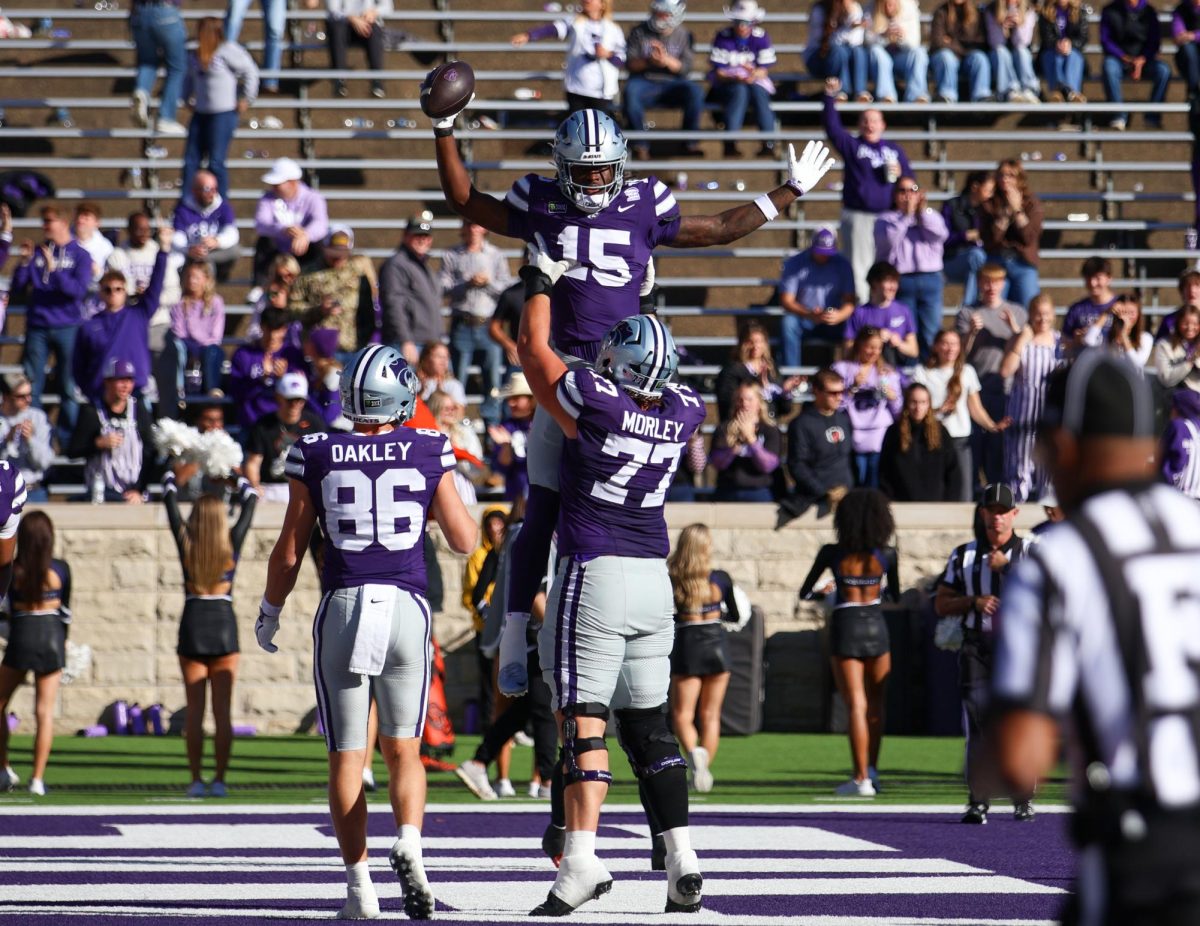
K-State and Nebraska are a prime example.
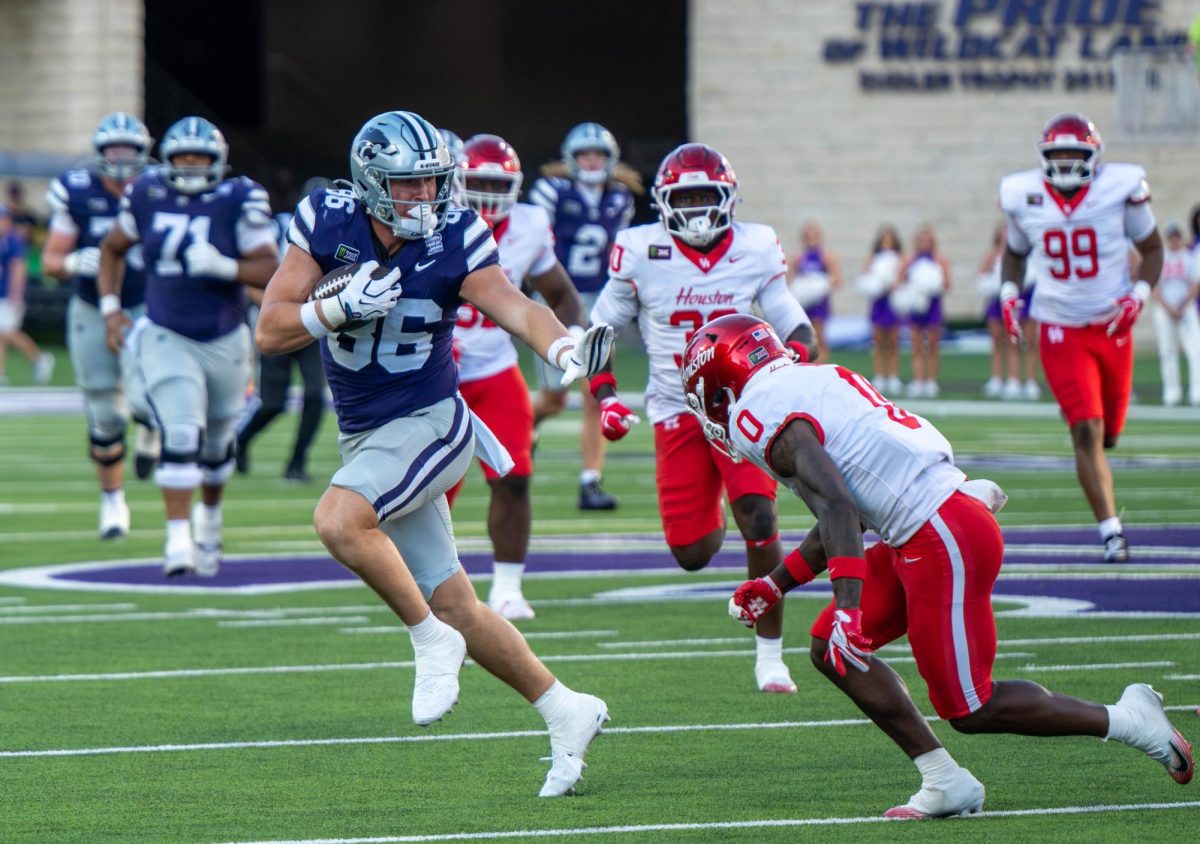
The two schools played every season from 1922 through 2010, building one of the Big Eight’s defining rivalries. K-State’s 40-30 upset of No. 2 Nebraska in 1998 remains one of the program’s signature wins. But when Nebraska left the Big 12 for the Big Ten, the annual matchup disappeared, and the teams haven’t played since Oct. 7, 2010.
Missouri and Kansas faced a drastic fate. The Border War went dormant for 14 years after Missouri moved to the SEC, ending a 92-season streak.
The schools have tried to revive it, meeting in Columbia, Missouri, on Sept. 6, 2025, and in Lawrence on Sept. 11, 2026. It’s a welcome reunion, but two games in two years can’t make up for what was lost.
The teams aren’t scheduled to meet again until 2031. Imagine what that rivalry could have been if Missouri had never left the Big 12. Instead of being a regular part of the college football calendar, it’s become a rare affair that fans have to wait years to see
These aren’t just dates disappearing from a schedule. They’re traditions that connect fans, families and entire communities to their schools. A conference should help protect that history, not make it harder to preserve.
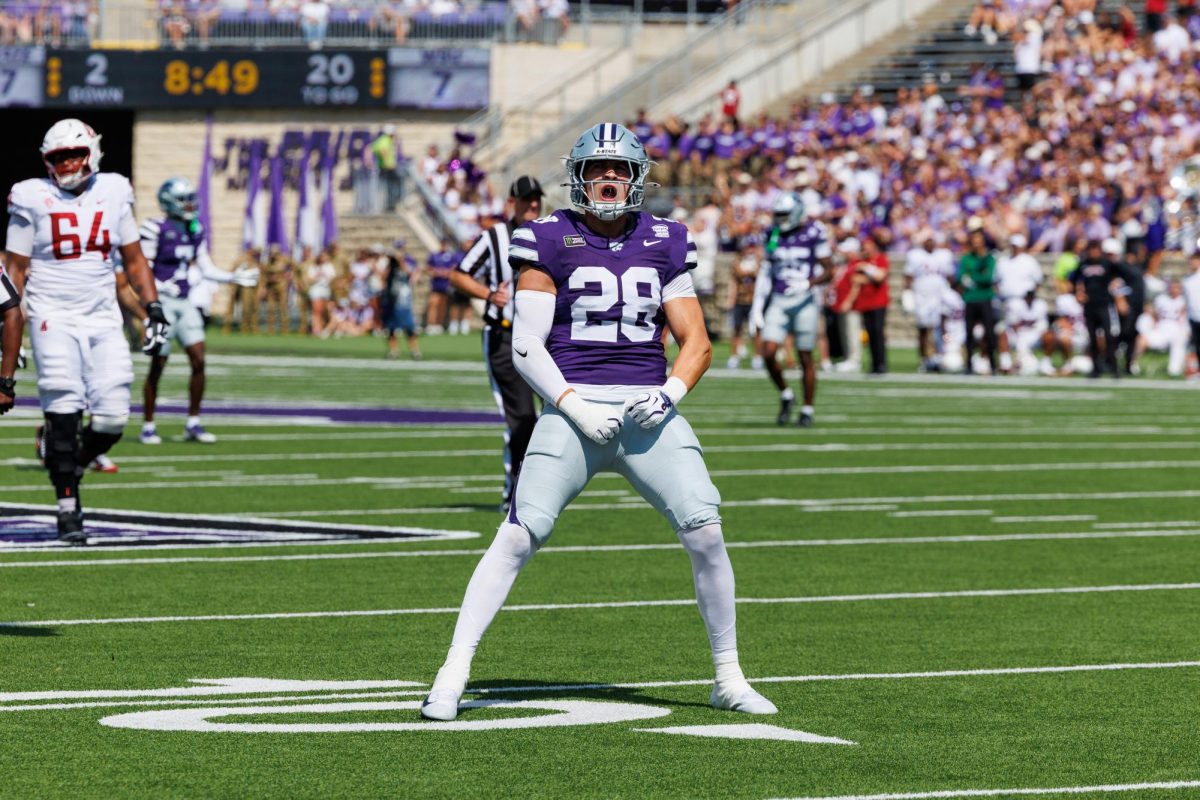
K-State and Iowa State’s Farmageddon is another rivalry worth protecting. The schools are set to meet for the 110th consecutive year on Nov. 28, continuing a series that dates to 1917. But this year’s meeting will also be the last for a while.
The Big 12 has not scheduled the schools to play in 2027, ending a streak that has survived and grown for more than a century. Think about that: 110 straight years of football, gone because of conference scheduling decisions. If college football can’t find a way to protect a rivalry with that much history, what exactly are conferences protecting?
Smaller schools get it
The biggest programs in college football act as if massive conferences are the only way to succeed. But college football doesn’t have to look like the Big Ten or SEC to work. Some of the best examples of regional competition are happening right here in Kansas.
Look at the Mid-America Intercollegiate Athletics Association. The MIAA brings together schools from Kansas, Missouri, Nebraska and Oklahoma, including Emporia State, Washburn, Fort Hays State, Pittsburg State, Northwest Missouri State and Missouri Western. These are schools that make geographic sense together, and their rivalries reflect that.
Emporia State and Washburn’s Turnpike Tussle is a perfect example. The two Kansas schools first met in 1899 and played their 122nd football game on Nov. 7. The Ichabods defeated the Hornets 20-19 in a spectacular rivalry game in the second-most-played active Division II rivalry. That’s more than a century of history built between two schools roughly 60 miles away from each other. No coast-to-coast conference needed.
The MIAA, alongside the National Association of Intercollegiate Athletics (NAIA), the Kansas Collegiate Athletic Conference (KCAC) and the Heart of America Athletic Conference, aren’t built around the biggest television markets in the country. They’re built around schools that can compete regularly and develop their own traditions. Their schedules create natural regional matchups, offer more accessible road trips for fans and keep competition connected to the communities surrounding each campus.
The FBS could learn something from that.
If Emporia State and Washburn can preserve a rivalry for more than 120 meetings, why can’t K-State and Nebraska play every year? If smaller conferences can build their identities around regional opponents, why does the highest level of college football have to stretch from the Pacific to the Atlantic?
The playoff is changing; conferences should too
The College Football Playoff is expanding to 24 teams beginning in the 2027-2028 season. The field will include 19 at-large selections, four spots for the ACC, Big Ten, Big 12 and SEC champions, and one spot for the highest-ranked champion from the other conferences.
At the same time, the ACC, Big Ten, Big 12 and SEC have announced that their 2026 conference championship games will be their last. Other leagues will make their own decisions, but the biggest conferences are already moving away from the traditional championship-game model.
That creates an opportunity.
If the playoff is becoming the centerpiece of the postseason, conferences can return to what they should be: regional competition. A bigger playoff doesn’t require bigger conferences. It gives the sport room to rethink how it organizes the regular season.
A 24-team playoff can determine the national champion, and regional conferences can determine who owns a region and a rivalry.
Bring back the neighborhood
Look at the dissolved Big Eight Conference (1907-1996) for an idea of what a regional conference could look like.
K-State, Kansas, Iowa State, Nebraska, Colorado, Missouri, Oklahoma and Oklahoma State once shared a league. Putting those schools back together would revive natural regional matchups, including K-State-Nebraska, the Sunflower Showdown, Farmageddon and Oklahoma-Oklahoma State.
That’s one example, not a claim that every school would agree to the same arrangement. The point is bigger than one conference: build leagues around geography instead of money.
The starkest example may be UCLA and Rutgers in the Big Ten. The two schools are roughly 2,800 miles apart, yet they’re members of the same conference.
UCLA has to make the cross-country trip to New Jersey for a Big Ten game. Think about that for a second. A conference game should be a matchup between regional opponents, not a cross-country flight.
Rutgers makes sense as a conference rival for schools in the Northeast. UCLA makes sense alongside schools on the West Coast. Putting them in the same conference doesn’t strengthen either school’s regional identity. It just makes the conference bigger.
The same principle could apply nationwide. Neighboring schools belong in the same conversation; the ACC should mean the Atlantic Coast, not Stanford and Cal. Regional conferences would give fans familiar opponents, make away games more accessible and put some meaning back into conference membership.
Bigger conferences, bigger problems
The argument for massive conferences usually starts and ends with money. Bigger markets mean bigger television deals, and bigger television deals mean more revenue.
But what about the costs that don’t show up in a television contract?
Student-athletes already juggle classes, practices and competition. Sending them across the country for conference games adds travel time, missed class and another layer of logistical headaches.
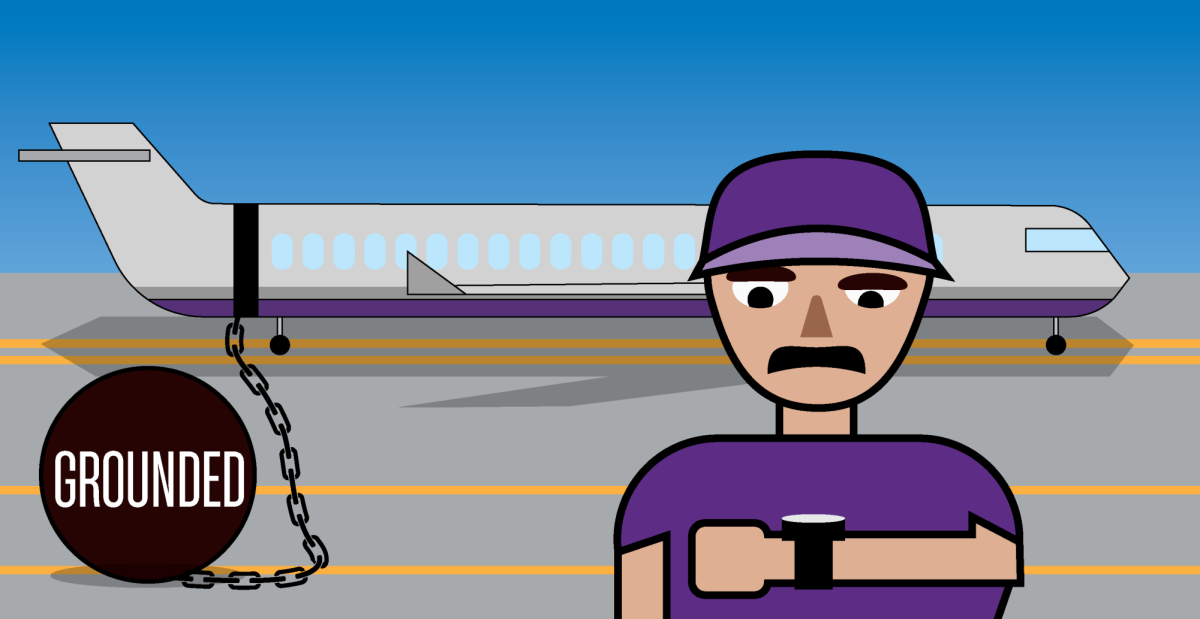
The Federal Aviation Administration’s nationwide ground stop on Nov. 13 made the problem impossible to ignore. A sudden shift left college teams scrambling to reach their games on Nov. 14.
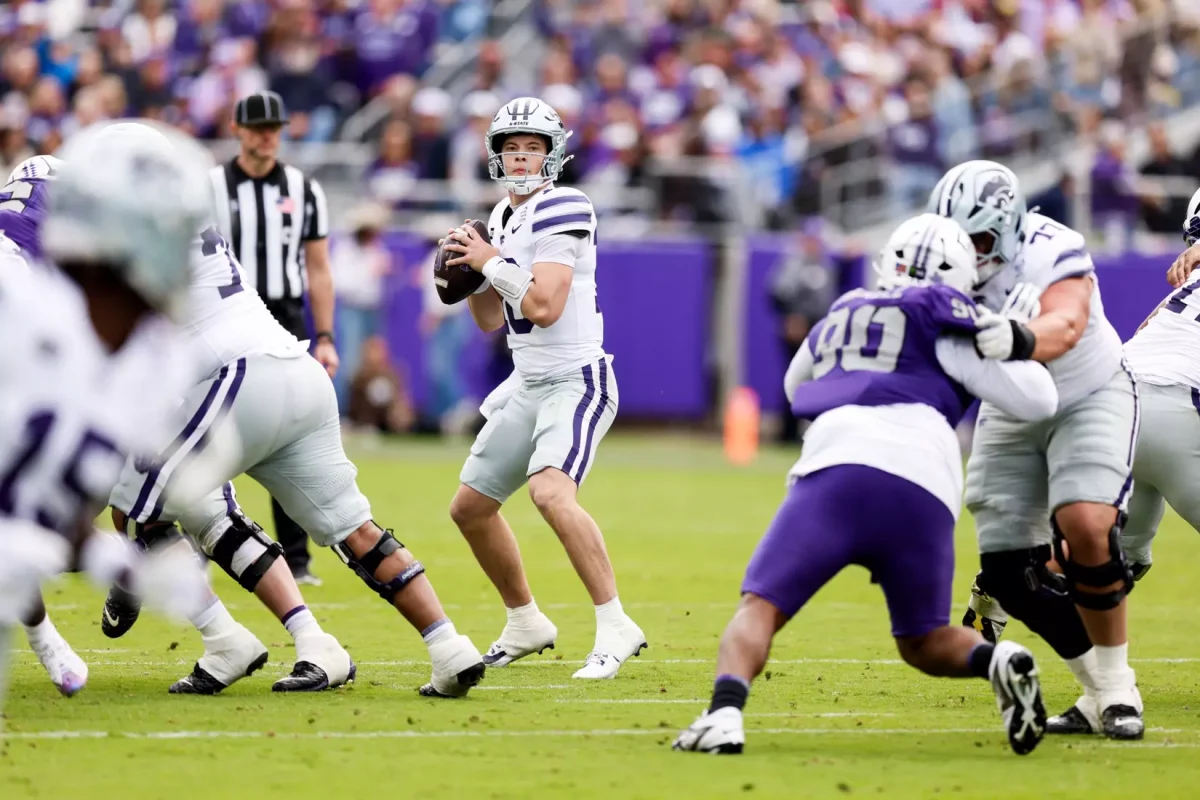
K-State was among the programs affected, as the Wildcats had to move their travel to Fort Worth, Texas, from Friday afternoon to early Saturday morning before their 1 p.m. kickoff, which ended in a 20-10 loss to TCU.
The ground stop also affected Utah’s game at Arizona, pushing it back three hours, and Ole Miss’ matchup at Oklahoma, postponing it until Sunday, Nov. 15. Some teams, including Auburn and Purdue, turned to buses to get where they needed to go.
Regional conferences wouldn’t stop every flight delay or weather problem. But shorter trips and more bus travel would make teams less dependent on cross-country flights. It is a practical fix for a problem that’s only getting worse.
Fans, including family, students and the opposing band, would benefit, too. A road game within driving distance is a lot more realistic than one that requires a flight, a hotel and a full weekend away. Regional rivalries bring fans and atmospheres together. They give communities a reason to travel, show up and care.
Of course, rebuilding conferences would mean renegotiating television contracts, revenue sharing and scheduling agreements. It wouldn’t be easy, and it wouldn’t happen overnight. But college football has repeatedly reshaped itself when the money demanded it.
It’s time to reshape it for the people who make the sport matter.
College football doesn’t need another coast-to-coast conference. It needs rivalries worth circling on the calendar, road trips fans can actually make and conferences that make sense on a map.
The sport doesn’t need to get bigger; it needs to come back home.