




















































































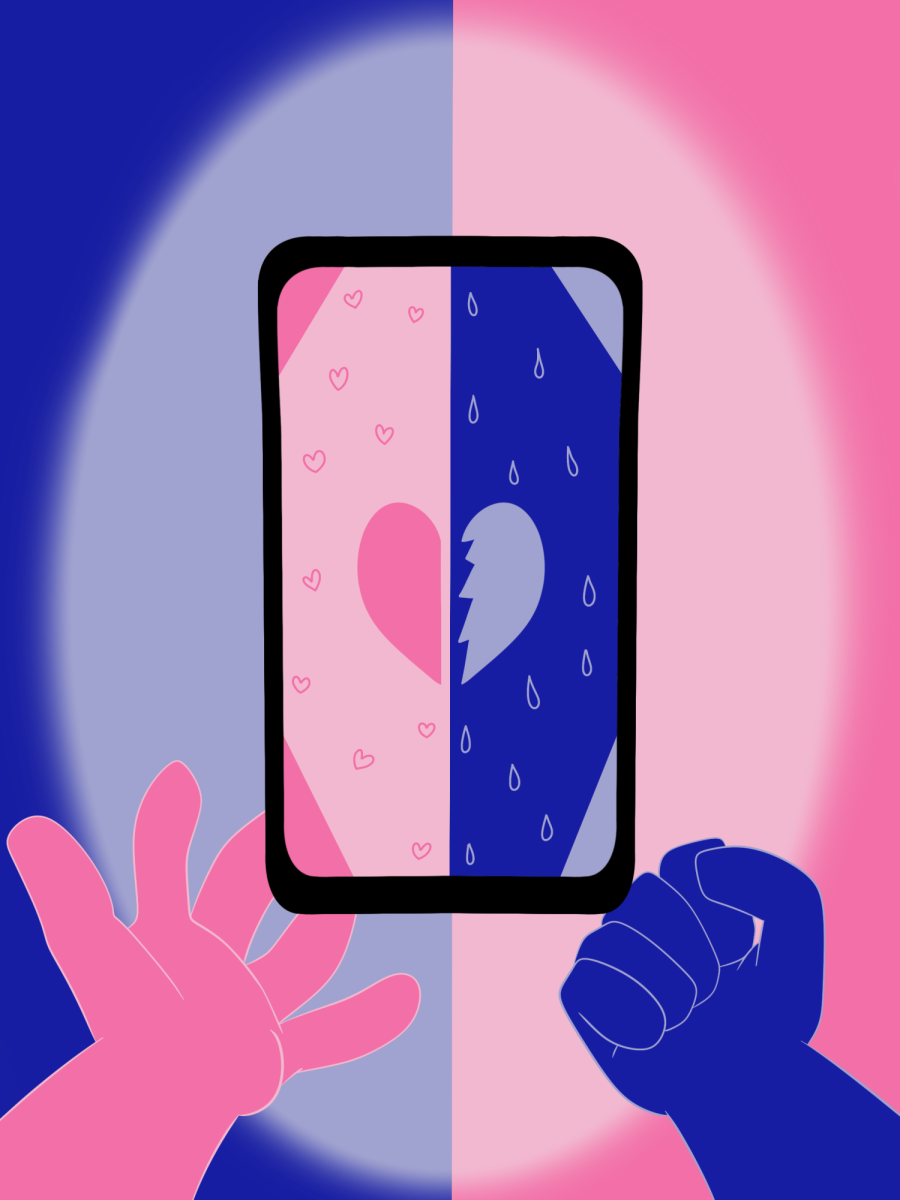
Dating apps suck. And although we may all be aware of their predatory nature, the glimmer of meeting someone makes all the warnings feel obsolete.
According to research firm SSRS, around 37% of U.S. adults have used some sort of dating app, and around 51% of adults age 18-29 have signed up for some sort of dating app or site at some point in their life.
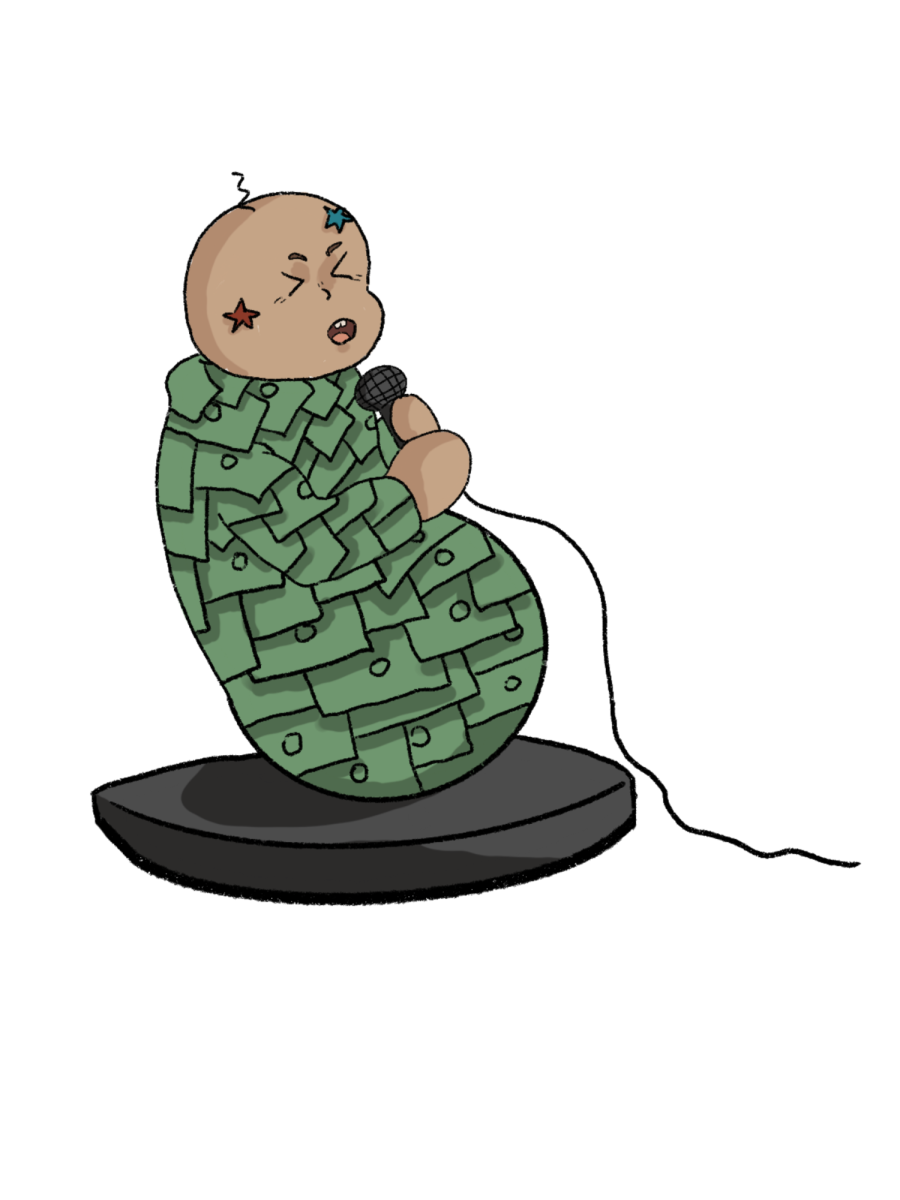
However, the people on dating apps aren’t the issue. It’s the sites and apps themselves that are very alluring to those in desperation. Tinder advertises an $18.99-a-week subscription when you run out of likes — an unfair gamble.
If you decide to purchase one of these subscriptions, you’re advertising your profile and yourself to more people and attaining infinite likes (along with other features, depending on the app or subscription).
This may get you shown to more people, but it’s still at their discretion whether they like you or not. Theoretically, it works, but paying so much money just to better your chances of meeting someone feels predatory.
Digging deeper into the apps themselves, their systems are detrimental. Major apps like Tinder, Hinge and Bumble encourage you to judge someone based on their looks, and then if they don’t fit your standards, you throw them away — a cycle that can be extremely self-diminishing.
According to a study conducted in 2025, dating apps have been linked to depression and increased anxiety in young adults. The swiping can feel great initially as you go through all the profiles and see people that fit your preferences, but ultimately, you’ll feel burnt out by the time you actually get a match.
It evokes a feeling of: “Oh, they liked me back, now what?” and if you have trouble communicating, getting past the talking stage can be difficult and can make you feel pressured in a way that wouldn’t exist in a real-world conversation.
Comparing a real-world interaction to a typical interaction on a dating app feels silly at first, but there are a lot of differences. There’s no safety net in reality; you can’t give an opening line and there’s no telling if the other person actually likes you as well.
Dating apps make this unhealthy by giving you tools to make it easier, which might not make your interactions translate well to a real meeting.
Some are better at texting than speaking and vice versa, so it might be different for some, but getting to that point is likely to feel draining: Do I actually care about this person? Or do I just want to get off the app?
Dating apps are okay in moderation at best, but if using them feels like a job or a replacement for going out, you should tap out. While they can help you find someone meaningful, the journey to get to that person may ruin the relationship before it begins.


Jake Zamora • Sep 15, 2026 at 7:28 am
I agree with you 100% well written!