




































































































Tobacco is one of the most heavily regulated consumer products around. Rules cover who can buy it, where, and at what age. Those rules differ by country and even by state or province. Understanding them matters for any adult who chooses to buy.
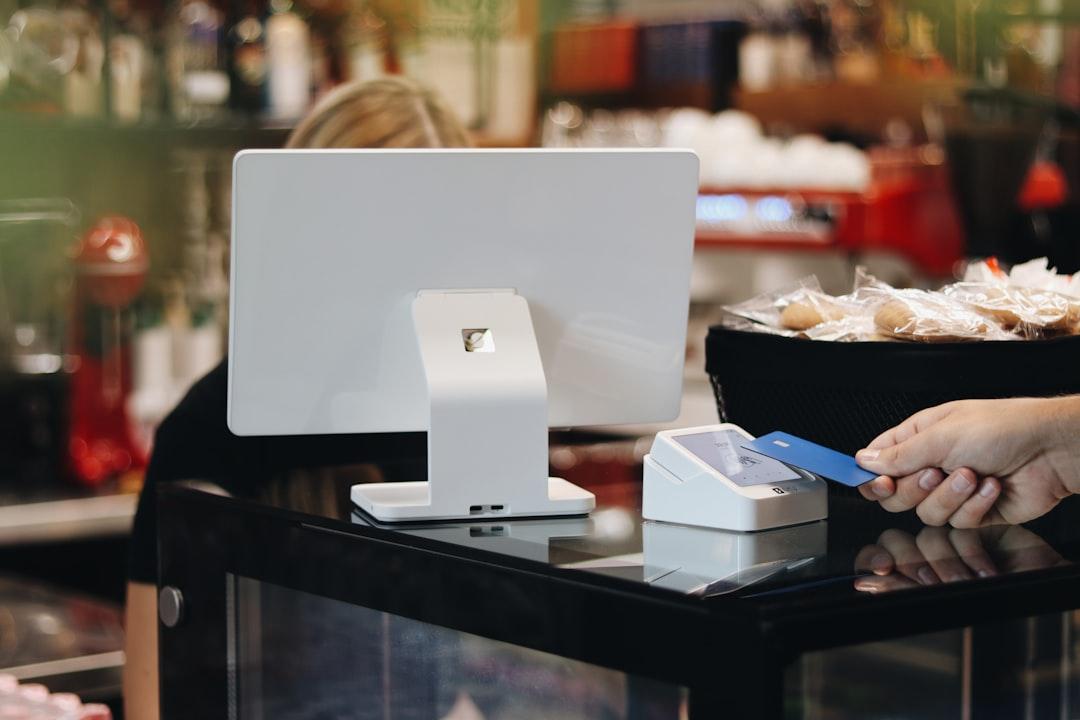
Alt text: A retail clerk checking a photo id card at a store counter
The picture looks different on each side of the border. In Canada, that regulated market includes online sellers such as Smokes Express, a Canadian retailer that ships to verified adults within Canada. This article explains how those rules work. It is informational only, and it is not a prompt to buy.
A quick note first. This piece is informational and adults only. Nothing here is medical advice or a health claim. Tobacco sales sit under federal, state, and provincial law. The legal age depends on where a person lives.
What Does Tobacco Regulation Actually Cover?
Regulation reaches far beyond the checkout. It sets a minimum age for every sale. It also shapes packaging, labeling, and advertising. Retailers must hold the right license to sell at all.
The goal is to keep sales limited and traceable. Federal agencies write the baseline rules. States and provinces then add stricter terms. In the United States, the federal tobacco retail rules apply to sellers nationwide.
Enforcement backs each of these rules. Inspectors can visit stores and review sales records. Penalties raise the cost of a careless sale. That pressure keeps most sellers careful about age.
How Do Age Limits Work Across North America?
Age is the first and clearest rule. In the United States, the federal minimum age is 21. That floor took effect nationwide in 2019. It applies to cigarettes, vapes, and other tobacco products.
Canada sets its limits a little differently. Most provinces and territories use 19 as the minimum age. Alberta, Saskatchewan, Manitoba, and Quebec allow 18. Prince Edward Island sets it at 21.
The number itself is only part of the story. A valid check must confirm that age at sale. A birth-date prompt alone does not meet the rule. Sellers pair the age limit with real identification.
Age rules tend to share a few traits:
- A single minimum age for all tobacco products.
- Proof-of-age checks at the point of sale.
- Extra steps for online and delivery orders.
Why Does Age Verification Happen More Than Once?
One check is rarely enough for a regulated sale. A store confirms age at the counter with photo identification. Online, the seller checks at signup and again at delivery. A courier may ask for identification at the door.

Photo by Sasun Bughdaryan on Unsplash
Alt text: A government regulation document and gavel on a desk
A regulated sale usually records:
- The buyer’s confirmed age.
- The date and method of the check.
- The delivery address and status.
This layered approach closes obvious gaps. It also creates a record the seller can show later. The retail sale requirements set clear duties for stores. Similar logic guides online orders in Canada.
What Should Of-Age Adults Understand About the Rules?
For adults, the rules are mostly about proof and place. Carry valid identification whenever buying age-restricted goods. Expect checks that feel repetitive but are required. These rules sit quietly behind everyday campus life for adults of legal age.
Location changes the details too. Limits shift when crossing a state or national border. Age checks apply at every point of sale, from a store counter to a delivery door. The law treats tobacco as an adults-only category.
Many college students first meet these rules as new adults. The details can feel dense at first read. Building everyday money habits is a similar first-year task. Tobacco rules also differ from cannabis policy, which follows its own timeline. Keeping the two straight avoids easy mistakes.
How Do Online Rules Differ From In-Store Sales?
Online sales follow the same core rules as stores. The difference sits in how a seller proves each step. A counter clerk sees the buyer and the card at once. An online seller must build that check into the flow.
So online orders lean on extra layers. Signup asks for a birth date and details. Checkout confirms identity against that record. Delivery then adds a final check at the door. Shipping limits keep orders inside a legal market.
Records tie these steps together over time. A seller can show when and how each check ran. That trail matters if a regulator asks questions later. It also gives an honest buyer a clear paper record.
Points Every Adult Should Know
- The United States sets a federal minimum age of 21 for tobacco.
- The US floor has applied nationwide since 2019.
- Most Canadian provinces set the age at 19, with 18 in a few.
- Retailers need a valid license to sell tobacco legally.
- Online orders add age checks at signup and at delivery.
- Rules change across state and national borders.
Reading the Rules Before Anything Else
Regulation is the real story behind every tobacco sale. Age limits, licensing, and checks all point the same way. The system aims to keep sales adult-only and traceable. For an informed adult, the rules are simply part of the deal. Reading them first makes the rest straightforward.
None of this is meant to push a product on anyone. The point is a clear map of how the rules work. Adults can then act on solid information. That is the whole aim of an explainer like this.
Frequently Asked Questions
What Is the Legal Age to Buy Tobacco?
In the United States, the federal minimum age is 21. In Canada, most provinces set it at 19. Alberta, Saskatchewan, Manitoba, and Quebec allow 18, while Prince Edward Island requires 21. Local law always decides the exact number.
Does the Same Age Apply Everywhere?
No, the age can shift by location. US states follow the federal floor of 21. Canadian provinces set their own limits. Always check the rule where you live.
How Do Sellers Confirm a Buyer’s Age?
They ask for valid photo identification. Stores check at the counter before a sale. Online sellers check at signup and at delivery. Some couriers confirm identification at the door.
Is Online Tobacco Sale Legal for Adults?
Yes, within a regulated market for verified adults. Sellers must confirm age at more than one step. Shipping rules limit where orders can go. The law still treats tobacco as adults only.