











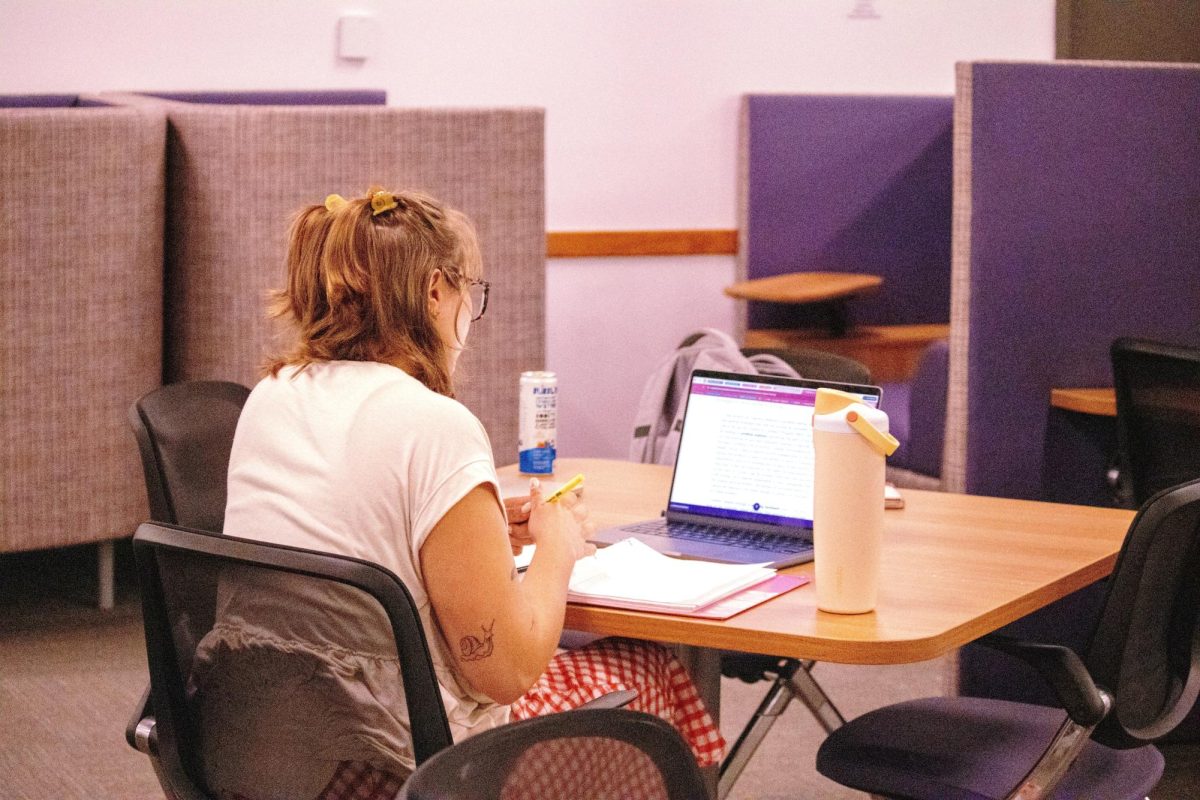





































































































Ask a group of first-year students what surprised them most about college, and you will hear a lot about freedom. Nobody checks whether you did the reading. Your professor may not take attendance. A single midterm can be a quarter of your grade. For students who got through high school on talent and last-minute cramming, that first semester can be a rough wake-up call.
What separates students who adjust quickly from those who struggle often comes down to habits, not intelligence. And one of the less obvious places those habits get built is in one-on-one tutoring.
Tutoring Is About More Than the Next Test
Most families sign up for tutoring because of a grade. A teen is failing chemistry, or a parent wants a better SAT score. That is a fair reason, but the most useful part of good tutoring tends to be what happens around the content.
A skilled tutor watches how a student works. Do they read the problem twice or jump straight in? Do they check their answers? Do they freeze when a question looks unfamiliar? Over weeks of sessions, a tutor can correct those patterns in a way a teacher with 30 students rarely has time to do.
Those small corrections add up. By the time the student reaches a lecture hall, many of them have become automatic.
Five Habits That Carry Over
Here are the habits that one-on-one sessions tend to reinforce, and why each one matters once you are on campus.
1. Breaking big tasks into small ones. A tutor might take a chapter of physics and split it into three focused sessions. College students who learned that approach are less likely to stare at a 20-page paper prompt the night before it is due.
2. Asking questions early. In a private session, there is no audience. Students get comfortable saying “I don’t get this” out loud. That makes it much easier to show up at a professor’s office hours later.
3. Practicing recall instead of rereading. Good tutors quiz students rather than letting them highlight the textbook again. Pulling information out of memory is harder than rereading, and that effort is what helps it stick.
4. Reviewing mistakes on purpose. Going back over a wrong answer to understand why it was wrong is a habit many students never form on their own. A tutor makes it routine.
5. Showing up on a schedule. A weekly session is a fixed appointment. Students who keep it learn to plan around study time instead of fitting it in when they feel like it.
Why the One-on-One Format Matters
Group study and review classes have their place, but they move at the pace of the room. One-on-one work adjusts to the person. If a student already understands one topic, the tutor can skip ahead. If they are stuck on a concept from two years ago, the tutor can go back and fill the gap.
That personal attention also changes how students see themselves. A student who has always thought of themselves as “bad at math” can, with patient support, start to see that they were simply missing a few building blocks. That shift in confidence often matters as much as the grade.
Students also learn to notice their own learning style. Some discover they need to draw diagrams. Others realize they understand material better after explaining it aloud. Knowing this about yourself is useful long after the tutoring ends.
What to Look For in a Tutor
Not every tutoring arrangement builds lasting habits. Some simply help a student finish homework, which can create dependence instead of independence. When comparing options, families can ask:
- Does the tutor explain how to approach a problem, or just give the answer?
- Do sessions include review and self-testing, not only new material?
- Does the tutor connect with what the student is covering in class right now?
- Is there a plan for the student to need less help over time?
Many tutoring providers now work online, which opens up options beyond your hometown. Gateway Tutoring Academy, a Canadian tutoring company based in Vancouver, is one example of a provider that offers one-on-one sessions online for high school and university students, along with test prep for exams such as the SAT and ACT. Wherever you look, the goal should be a tutor who teaches strategies you can keep using without them.
Bringing These Habits to Campus
If you are already in college and never had a tutor, the good news is that you can still build these habits. A few practical starting points:
- Treat office hours like a tutoring session. Bring one or two specific questions.
- Form a small study group and take turns explaining topics to each other.
- Use practice problems or old exams to test yourself before you feel ready.
- Put study blocks in your calendar the same way you would a class or a work shift.
- Visit your campus tutoring or academic support center early in the semester, not the week before finals.
The aim is to recreate the structure a good tutor provides: regular check-ins, active practice and someone to ask when you are stuck.
The Long View
Educators have written a lot about how students learn best, and much of it points in the same direction: active practice, spaced review and regular feedback. If you want to read more about the research behind these study strategies, Edutopia collects articles from teachers and researchers on how learning works, from elementary school through high school.
The point is not that every student needs a tutor. Plenty of people arrive at college with strong habits already. But for students who never learned how to study, one-on-one support during high school can be the difference between a first semester spent catching up and one spent finding their footing.
Grades fade from memory. The habit of asking for help, testing yourself and planning your week tends to stay with you, through college and well beyond it.