





















































































































Midterm elections will begin in a couple of weeks, but does anyone even know what they are voting for? With so much on the ballot, it is easy to vote based on party affiliation, but these candidates have a bigger impact than people realize.
The midterms largely determine who controls the House of Representatives and the Senate. Kansas’ ballot will also include the governor, secretary of state, attorney general, state treasurer and commissioner of insurance.
Additionally, there will be a proposed constitutional amendment that would modify the wording on who has the right to vote in the Kansas Constitution. Constituents will vote yes or no depending on their view on whether this needs to be changed.
It is essential to make sure you have formed opinions on issues and agendas relevant to your state and then check which candidates align most with your views.
Some topics Kansans are currently discussing are rising prices in livestock and agriculture, rural hospital and community protection and the Kansas Open Records Act, or KORA. Like many other states, conversations about data centers, healthcare, cannabis legislation and AI have come up as well.
Clearly, there are many things on Kansans’ minds, but it is critical to narrow down what matters to you to make the voting process much simpler on Election Day.
Another crucial responsibility as a citizen of a democracy is to research your candidates and legislation. Look into candidates’ previous voting records, public actions and policies and compare those to their current campaign statements. Sometimes past decisions do not reflect what nominees say they stand for.
Furthermore, don’t rely on social media and advertisements to make decisions for you. Claims one side makes will always be critical of their rivals and sometimes even untruthful. Always look for the source before believing what is presented in the media.
Voters should also verify that individuals seeking office are even qualified for the positions they are running for. Almost anyone can be elected, but some candidates have backgrounds and experience that will help them excel and understand how to best handle situations in office.
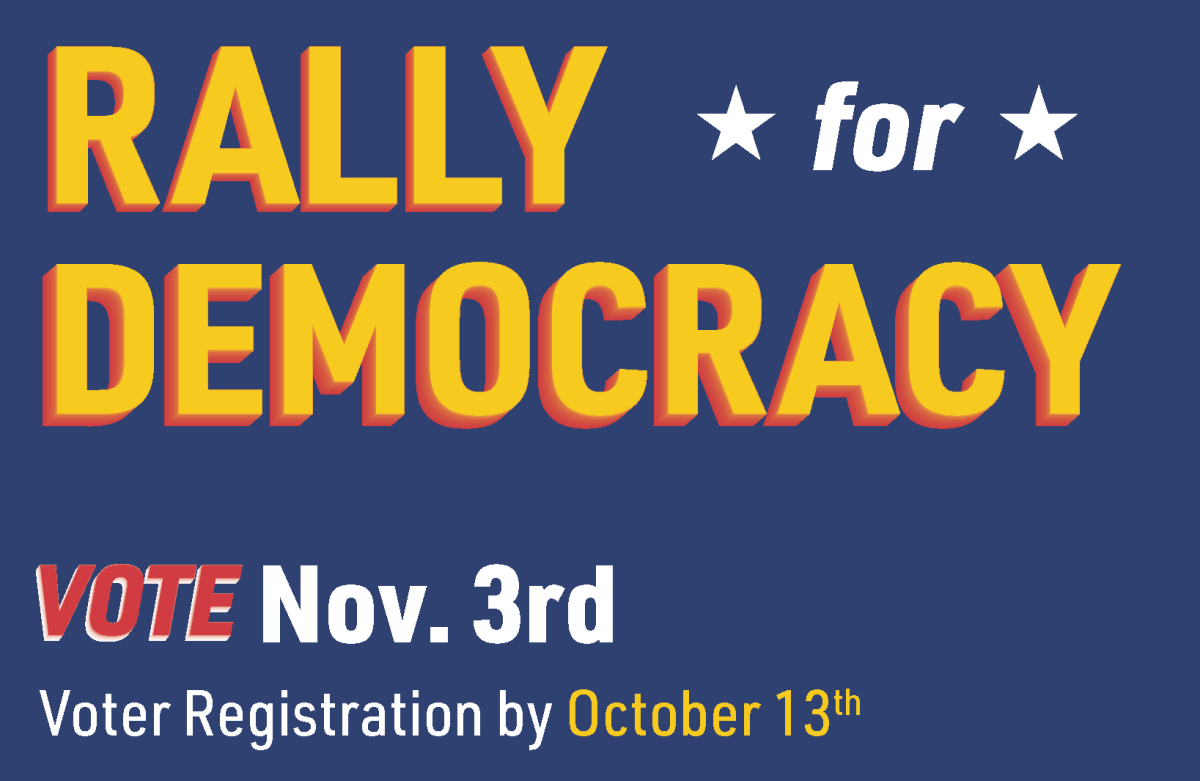
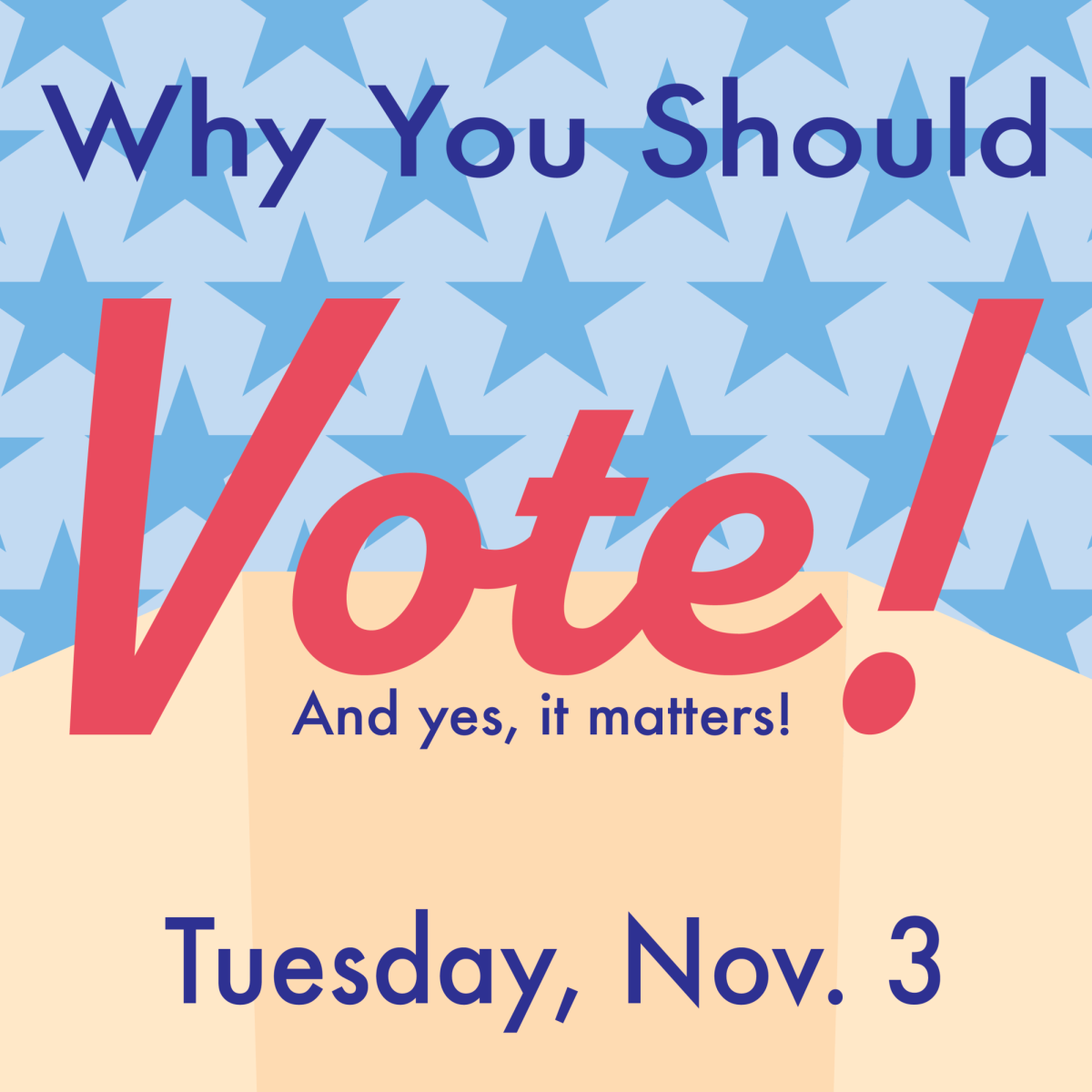
There is no excuse not to vote once you are registered. Early voting starts up to 20 days before the actual Election Day on Nov. 3, and this year, Oct. 14 is the first day for advance voting in Kansas. Voters can also request advance ballots by mail.
Just because this isn’t a presidential election does not mean it isn’t important. In fact, it is just as vital. Midterm elections directly affect the legislation of the state that you live in and allow for greater change in our government.
Having to research so many things is cumbersome, especially for college students who have little to no experience voting, but it is absolutely worth it. Being informed does not mean knowing everything, but it helps voters look beyond their party and at the issues that really matter to them.