




















































































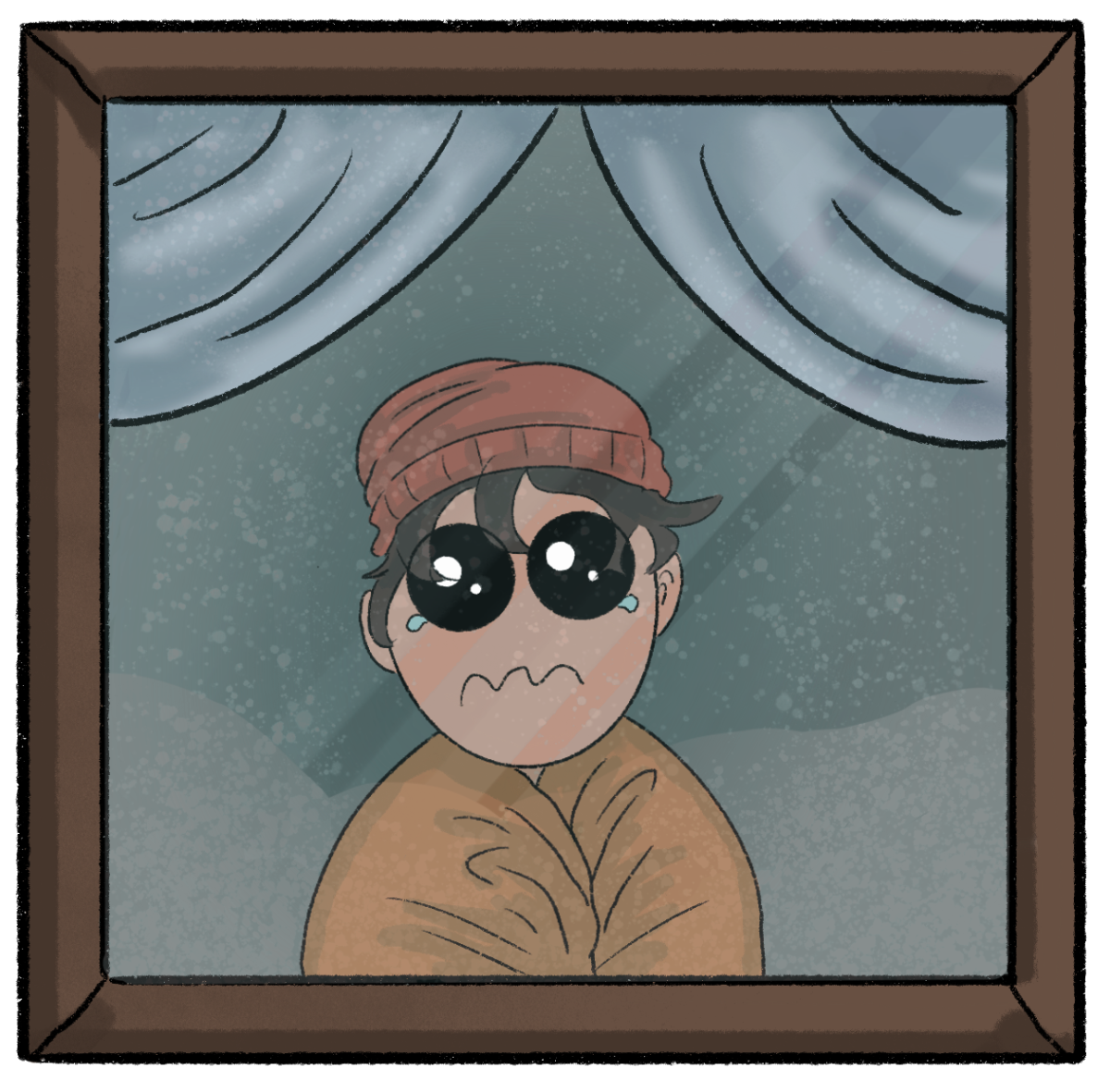














Source: https://pixabay.com/photos/student-man-desperate-depression-6976999/
The costs of chronic stress rarely arrive as a single dramatic bill. They appear in smaller ways: a night of broken sleep before a deadline, a tight jaw during the commute, a stomach that seems to react to every difficult conversation. By themselves, those symptoms can be easy to dismiss. Over time, they may become part of the background of daily life.
Stress is a normal response to challenges. It can help someone react quickly or focus on a demanding task. The strain begins when the body’s alarm system is repeatedly activated and there is too little time or support for recovery. That accumulated wear has no line item on a bank statement, but it can shape how a person feels, sleeps and functions.
When the body’s alarm does not switch off
In the short term, stress prompts a set of physical changes designed to prepare the body for action. Heart rate and blood pressure can rise, muscles tense, and hormones such as adrenaline and cortisol help mobilize energy. Once a stressful moment passes, the body generally begins returning to its usual state.
But not every stressor ends cleanly. Work demands, caregiving, financial worries, health concerns and conflict can persist or recur day after day. When the body has limited opportunity to recover, the response can affect several systems at once. The American Psychological Association notes that chronic stress is associated with problems that can include sleep disruption, headaches, muscle tension, digestive issues and difficulties with concentration. Its overview of how stress affects health also distinguishes ongoing stress from the short bursts of pressure people experience in ordinary situations.
That does not mean every headache or unsettled stomach is caused by stress. Symptoms can have many explanations, and ongoing or severe physical changes deserve medical attention. Stress is one possible influence, not a diagnosis that rules out other causes.
The costs often show up in ordinary routines
For some people, the first noticeable change is sleep. They may feel exhausted but find their thoughts speeding up once they get into bed. Others wake during the night or start the morning without feeling restored. Poor sleep can then make everyday challenges feel harder to manage, creating a cycle in which fatigue adds to stress and stress makes it harder to rest.
The body can register pressure in less obvious ways, too. Muscle tension may settle into the shoulders or jaw. Appetite may increase or fade. A person might find it harder to concentrate on a familiar task, or notice they have less patience with people around them. These effects are not signs of weakness. They can be part of the mind and body responding to sustained demands.
Stress can also change habits. When time and attention are stretched, people may skip meals, move less, withdraw from friends or rely more heavily on alcohol, nicotine or other quick ways of coping. Those choices can offer short-term relief while making sleep, mood or health harder to manage over time. The APA identifies coping behaviors as one pathway through which chronic stress may affect health, alongside the body’s physiological response.
This is where the “price” can be difficult to recognize. A missed walk, a postponed appointment or another meal eaten in a rush may seem minor. Repeated over months, however, these shifts can reduce the routines and connections that help people feel steady.
The hidden burden is not only physical
Chronic stress can narrow a person’s sense of what is manageable. Decisions that once felt routine may require more effort, and small setbacks can feel unusually large when there is little room to recover. Someone may continue meeting work or family obligations while privately feeling depleted.
That gap between outward function and inner strain helps explain why stress can go unnoticed by others. A person may still be answering messages, caring for relatives or showing up at work, even as concentration, mood or sleep deteriorates. There is no single outward sign that reliably tells a colleague, friend or family member when someone has reached their limit.
Health experts also caution against treating stress as a simple cause of every illness. The relationship between stress and health is complex. Chronic stress is associated with higher risks of some health problems, but individual outcomes vary, and stress interacts with behavior, environment, biology and access to care. The CDC’s Agency for Toxic Substances and Disease Registry overview describes effects across body systems while recognizing the need to consider stress in context.
Recovery is built from small, repeatable steps
There is no single technique that removes every source of chronic stress. Some stressors, such as an unstable job or a serious illness in the family, cannot be solved by taking a deep breath. Still, small actions may help create moments of recovery and make the load easier to assess.
A short walk, a pause between work and home responsibilities, a regular bedtime or a conversation with someone trusted can give the body a chance to settle. These steps may sound modest beside major life pressures, but recovery often depends on repeated opportunities rather than one perfect intervention.
Basic needs matter as well. Eating regularly, getting enough fluids and taking breaks can be difficult when someone is overwhelmed, yet they support day-to-day functioning. For people who find plain water unappealing, adding flavor may make it easier to drink; they can learn more here about water flavoring options. Flavored water is a convenience, not a treatment for stress or its physical effects.
Support may need to be more substantial than a routine adjustment. A healthcare professional can help evaluate persistent symptoms, discuss sleep or anxiety concerns and identify treatment options. A therapist or counselor can also help someone work through stressors and build coping strategies. If stress is making it difficult to function, reaching out is a practical step, not a failure to cope.
A bill worth noticing
The body does not send an invoice when stress becomes chronic. Instead, the cost may be distributed across sleep, mood, concentration, relationships and everyday habits. Because the changes often arrive gradually, people may adapt to them before recognizing how much energy they are taking.
Not every stressful period can be avoided, and ordinary stress is not automatically harmful. The important distinction is whether the body and mind are getting a chance to recover, and whether symptoms are beginning to interfere with daily life.
Recognizing that pattern can be the first step toward changing it. Sometimes that means adjusting a routine or asking for practical help. Sometimes it means talking with a health professional. The response will depend on the source and severity of the stress, but the strain deserves attention even when it never appears on a bill.