


















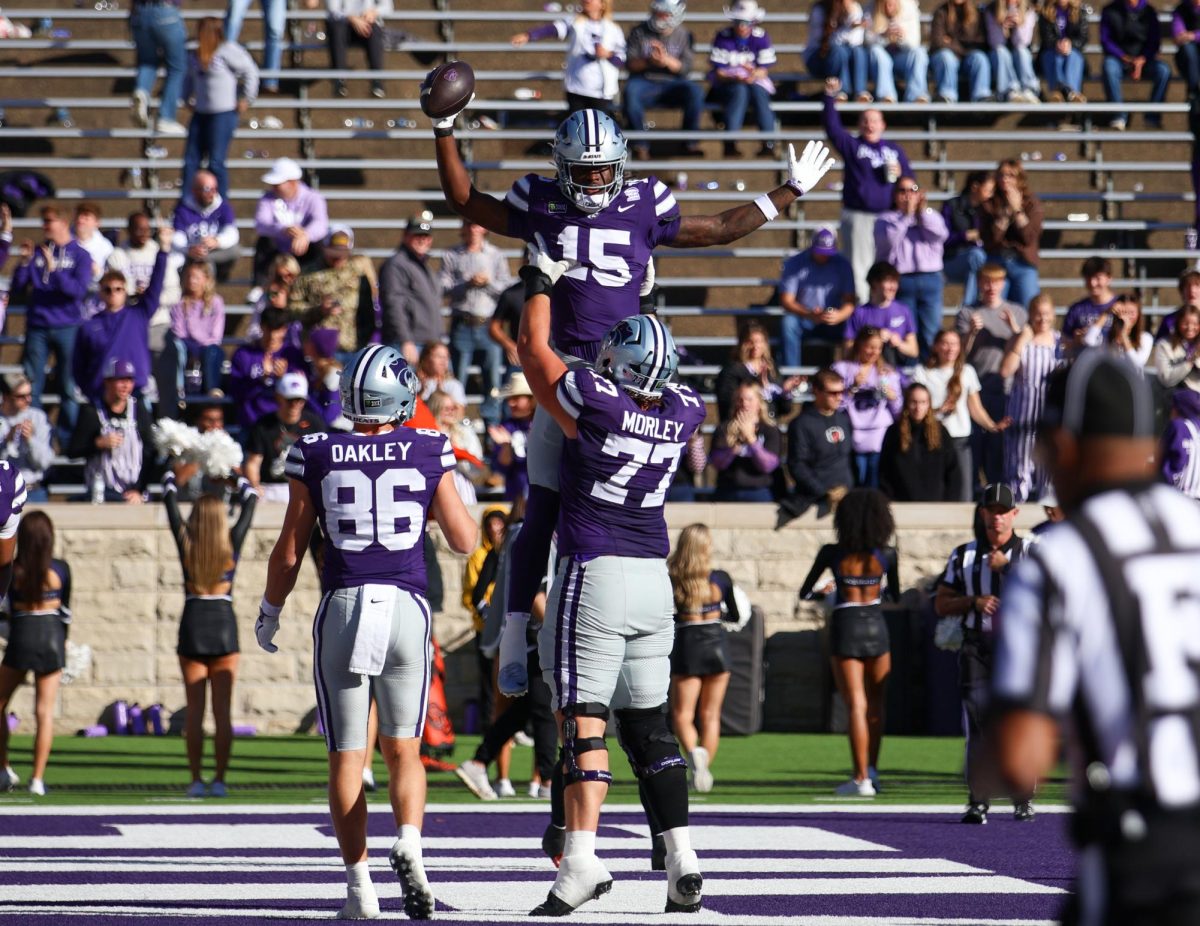
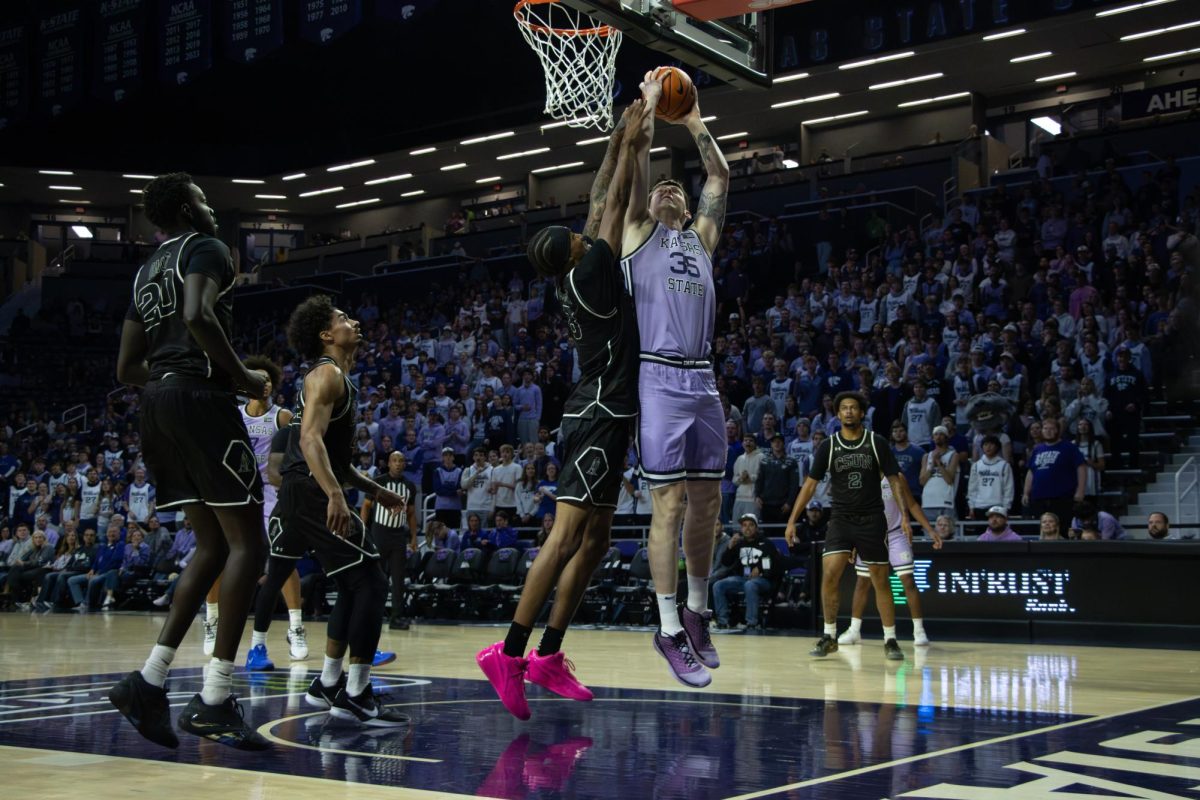

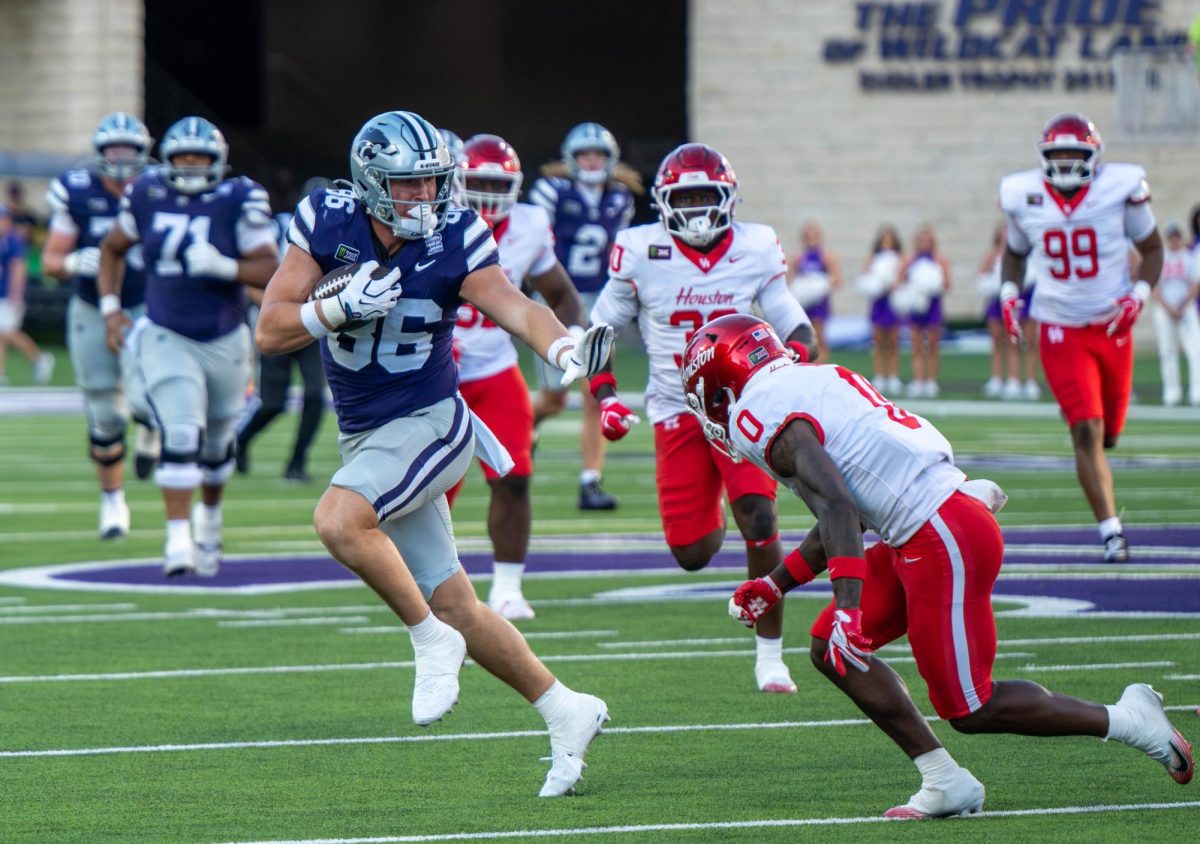
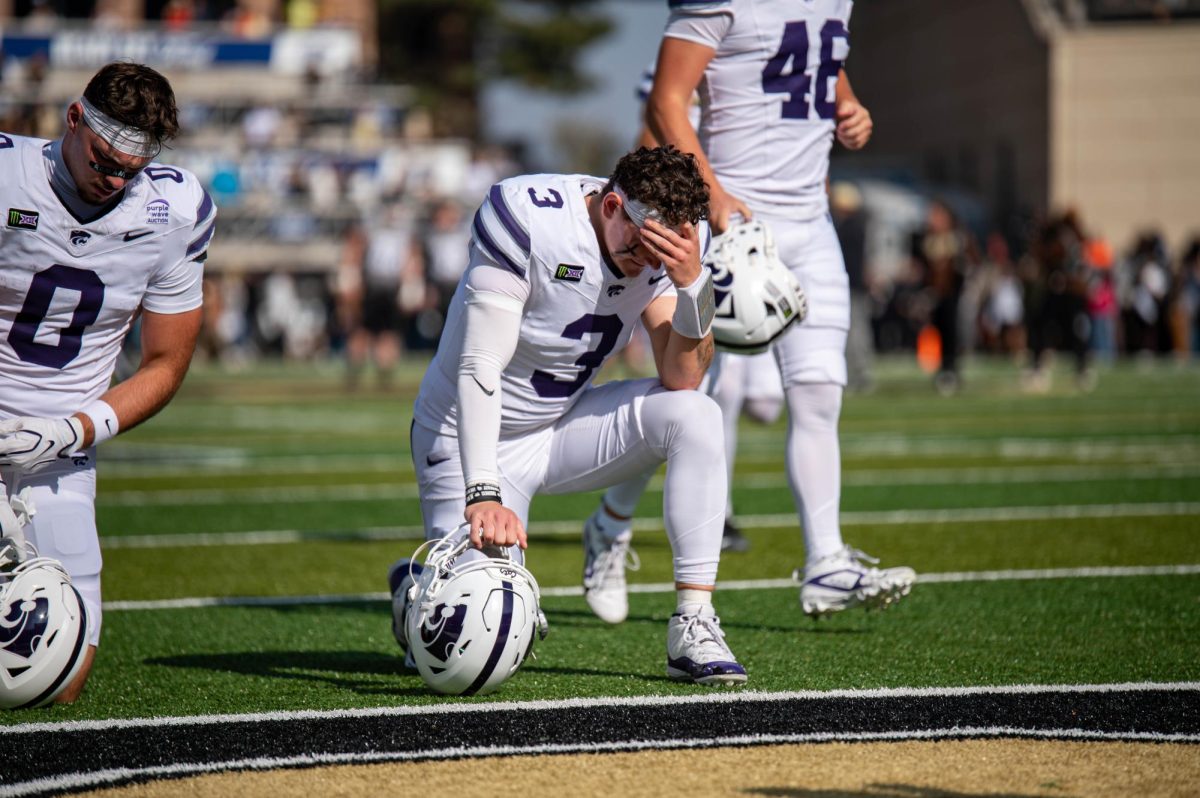



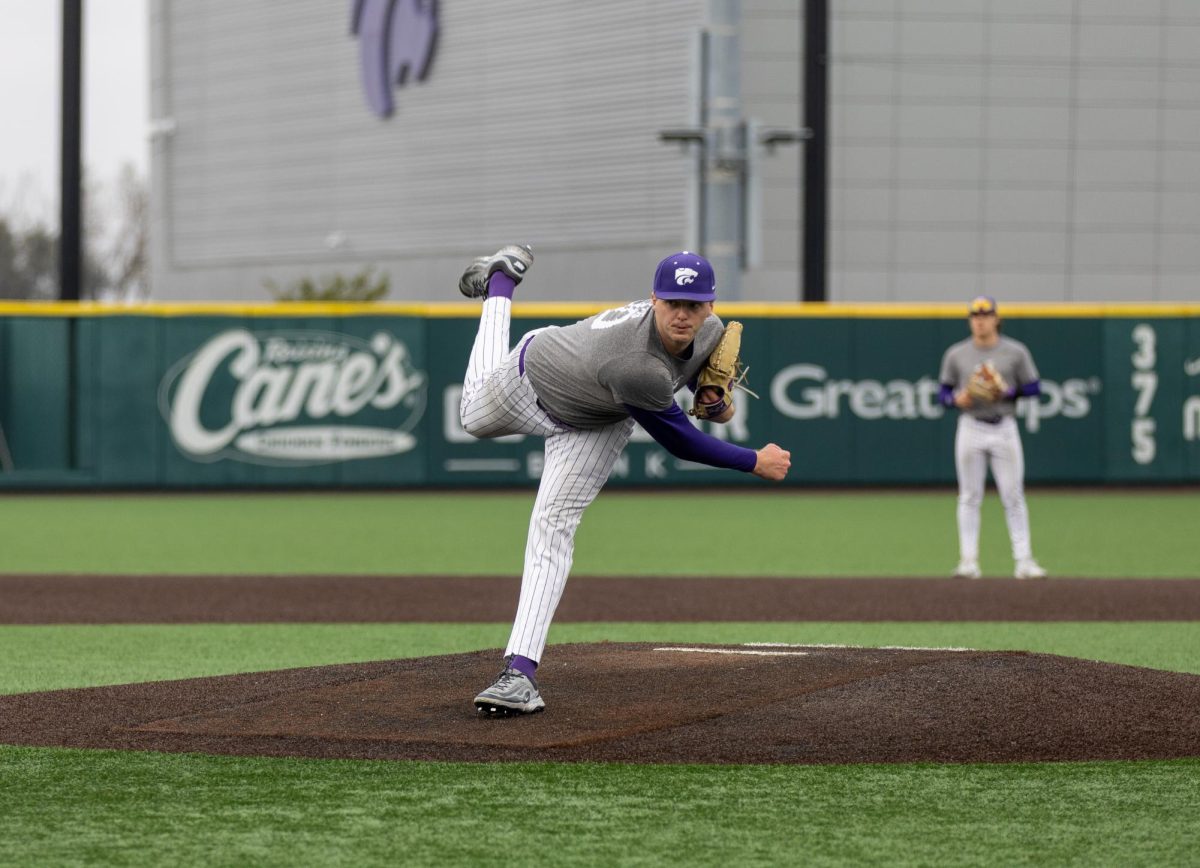

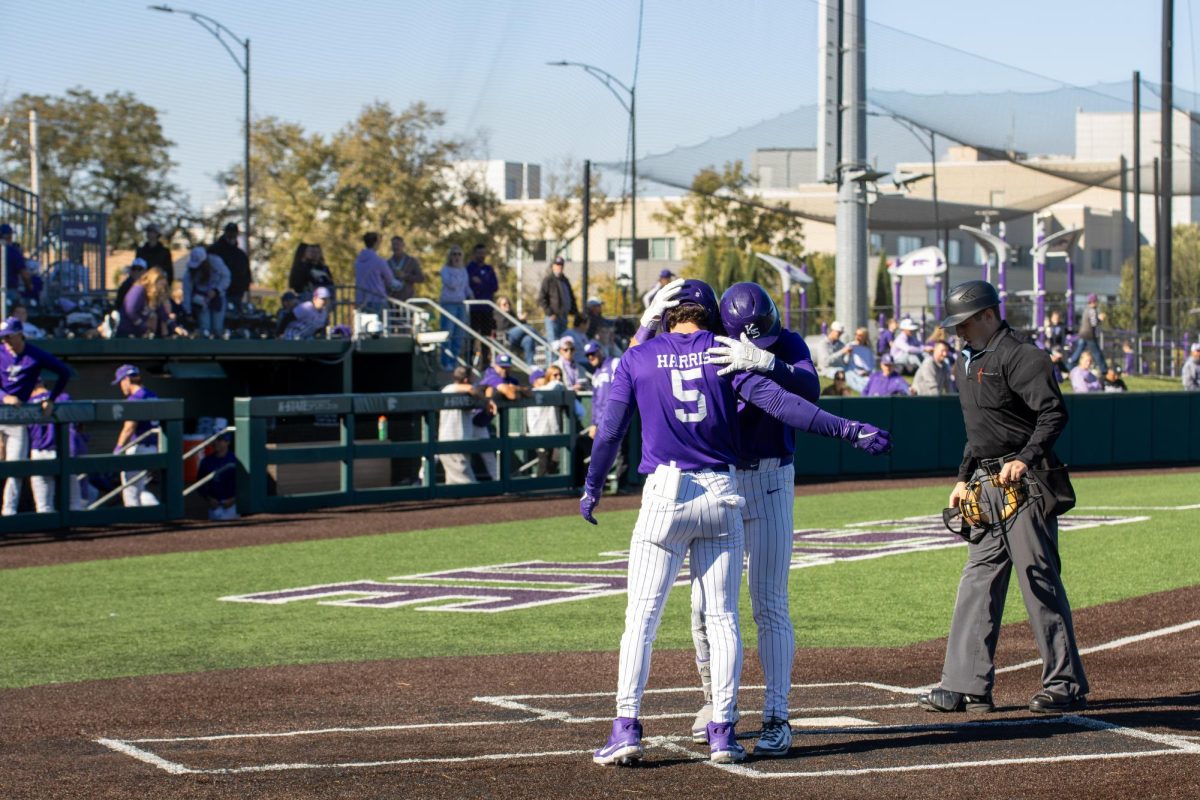
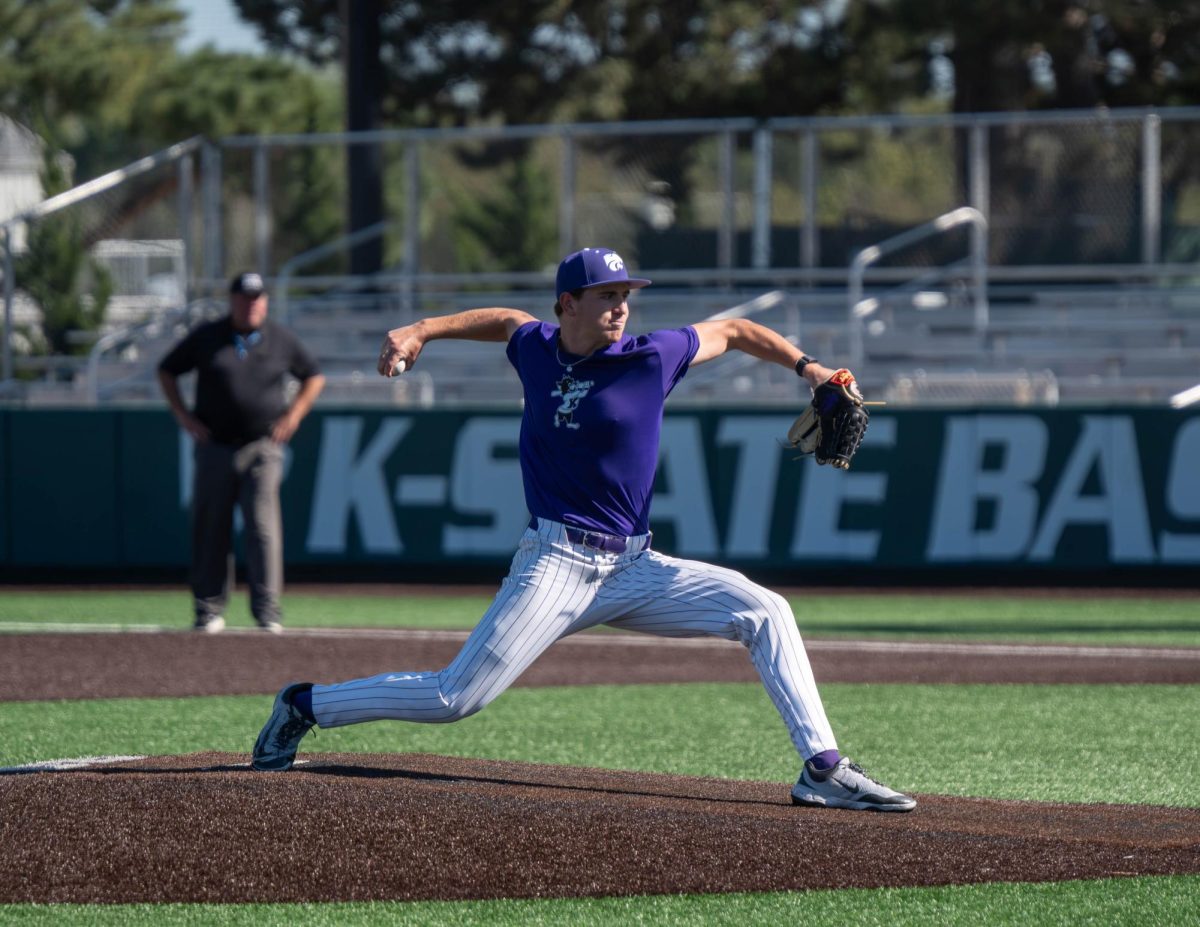
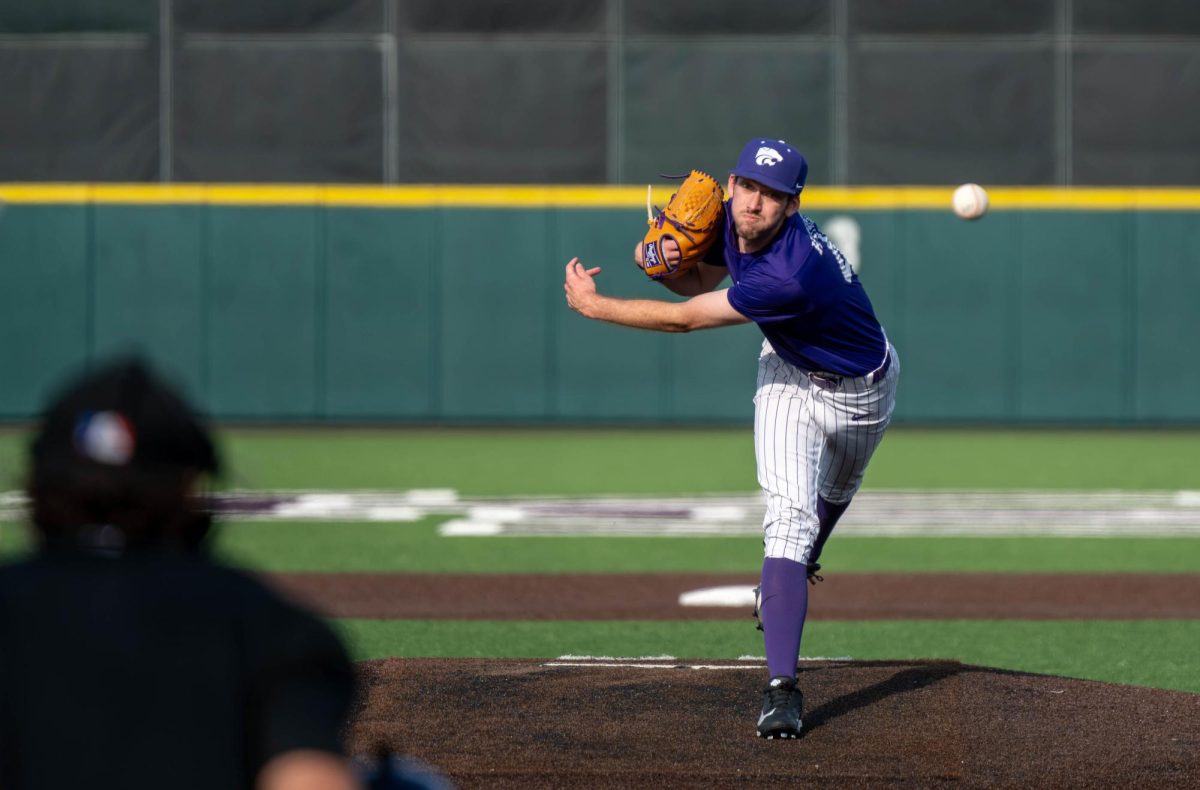














































Kansas State hosts Arizona on November 21 in a Big 12 encounter shaped by contrasting fortunes. Arizona arrives with a productive passing attack, while Kansas State faces uncertainty after injuries disrupted its quarterback rotation.
Noah Fifita remains central to Arizona’s ambitions, but Avery Johnson’s injury has changed the expected matchup. Kansas State must now find consistency through its available replacements.
Receiver battles, defensive pressure, and conference positioning provide additional intrigue. Five storylines explain what both Wildcats teams must address before kickoff.
Fifita’s Precision and Kansas State’s Quarterback Uncertainty
Quarterback play remains central to this matchup, although the expected duel has changed. Arizona’s Noah Fifita continues producing impressive passing numbers, while Kansas State must navigate Avery Johnson’s probable absence. Coach Collin Klein has acknowledged that Johnson has only an outside chance of returning this season.
Fifita has accumulated 2,794 passing yards, 21 touchdowns, and five interceptions through nine games. His 73% completion rate illustrates Arizona’s passing efficiency.
Kansas State’s replacement options include Blake Barnett and Dillon Duff. Barnett has thrown for 371 yards and four touchdowns this season. Against Oklahoma State on November 7, both quarterbacks appeared as Kansas State struggled to establish consistency.
Arizona therefore faces a different challenge from the anticipated Johnson matchup. Rather than containing his dual-threat ability, the visitors must prepare for multiple possible quarterbacks. Kansas State needs dependable protection, accurate passing, and fewer turnovers to compete with Fifita’s established rhythm.
Mizell’s Speed Against Bartley’s Defensive Instincts
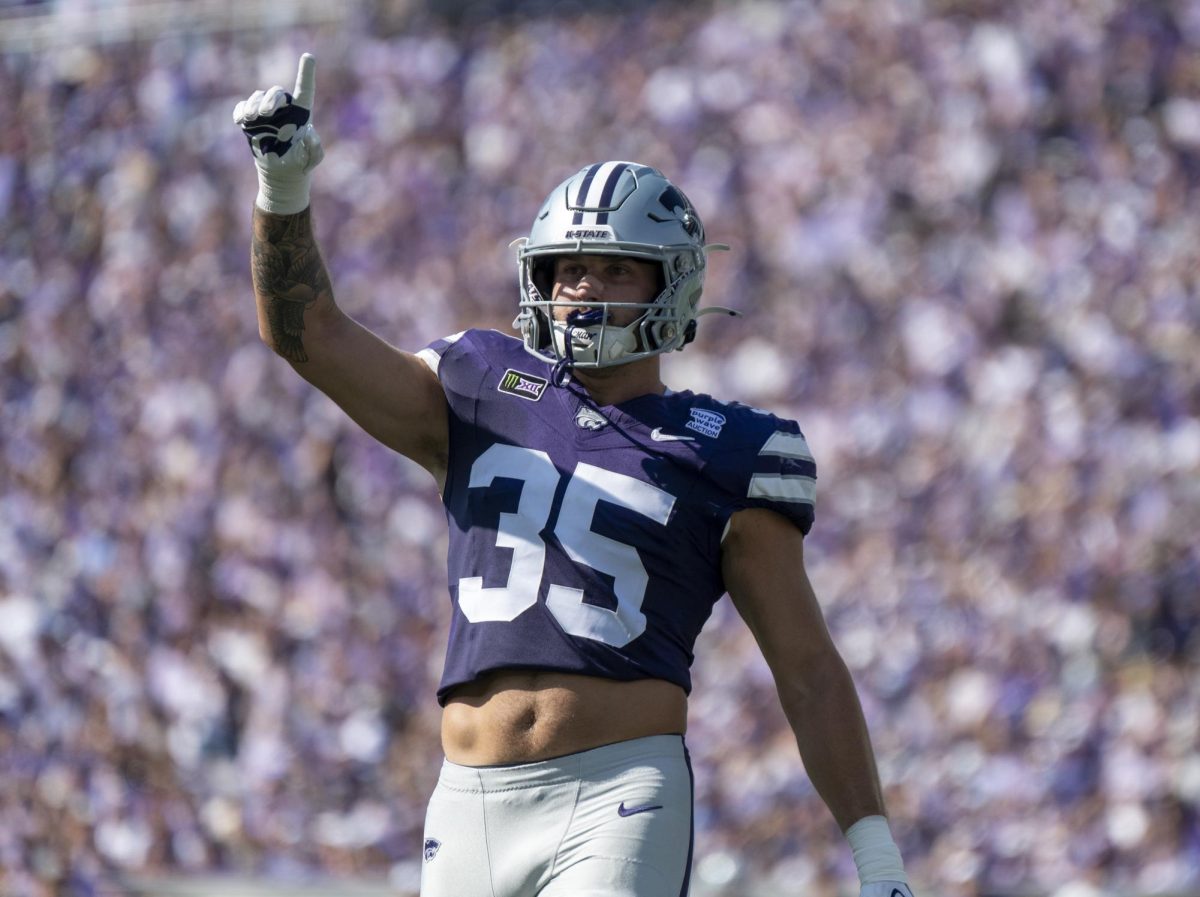
Arizona receiver Isaiah Mizell presents one of Kansas State’s most demanding defensive assignments. His speed stretches coverage and creates opportunities for explosive completions. Safety Logan Bartley must help prevent Fifita from exploiting gaps behind the secondary.
Mizell has recorded 753 receiving yards and seven touchdowns through eight appearances. His 18.8 yards per reception underlines his ability to change field position quickly. Against TCU on November 6, he contributed six receptions for 78 yards and another touchdown.
Bartley has accumulated 59 tackles and two interceptions through nine games. His experience and positioning will be important against Arizona’s vertical passing attack. Reading Fifita’s intentions early could help prevent Mizell from finding space behind Kansas State’s defensive backs.
The matchup extends beyond individual coverage. If Bartley and his teammates contain deep completions, Kansas State can concentrate more attention on shorter routes and rushing opportunities. However, repeated explosive plays would force the defence to retreat, creating additional space underneath. Arizona’s passing versatility makes that balance particularly difficult.
Tibbs’ Reliability Against Brown’s Defensive Range
Kansas State’s passing attack continues to depend on Jaron Tibbs, particularly with the quarterback situation unsettled. His ability to provide a dependable receiving option becomes increasingly important when inexperienced passers face pressure.
Tibbs has recorded 45 receptions for 421 yards and four touchdowns through nine games. Against Oklahoma State, he contributed six catches for 42 yards. Those numbers highlight his involvement in shorter passing situations, where controlled completions can help Kansas State sustain possessions.
Arizona linebacker Taye Brown presents a challenge through his defensive awareness and ability to close passing lanes. His positioning will matter when Tibbs works underneath coverage. Quick reactions could prevent manageable completions from becoming longer gains.
Kansas State needs its quarterbacks to recognize those defensive movements and distribute the football accurately. Repeated connections with Tibbs could relieve pressure on the offensive line and create more manageable third downs. Conversely, Arizona could disrupt that approach by limiting available space. College football insights provide additional context for evaluating these individual matchups and their influence on offensive execution.
Wendell Gregory’s Pass Rush Against Arizona’s Protection
Kansas State defensive end Wendell Gregory faces a demanding assignment against Arizona’s offensive line. Disrupting Noah Fifita’s timing could help limit an attack that has consistently generated substantial passing yardage throughout the season.
Gregory has recorded 3.5 sacks and 28 tackles through nine games. His contributions extend beyond bringing down quarterbacks. Effective edge pressure can force hurried decisions, disrupt route development, and prevent receivers from exploiting deeper areas of the field.
Arizona’s protection will be crucial. Fifita threw for 313 yards and two touchdowns against TCU on November 6, demonstrating how dangerous he becomes when given opportunities to distribute the football. Kansas State cannot allow those passing windows to remain open consistently.
The outcome could depend on how frequently Gregory influences passing situations. If Arizona keeps its quarterback comfortable, Fifita can attack Kansas State’s secondary through multiple receiving options. Sustained pressure would create a different contest, potentially forcing shorter throws and difficult third downs. Gregory’s ability to disrupt possessions could therefore become one of Kansas State’s most important defensive assets.
Championship Longshots: Assessing Both Wildcats’ Title Prospects
Kansas State and Arizona approach November 21 from very different positions. Kansas State’s national championship prospects have effectively disappeared following an inconsistent campaign. Injuries at quarterback have compounded those difficulties, while the 66–28 defeat against Oklahoma State exposed significant defensive weaknesses. The Wildcats must concentrate on improving their remaining performances.
Arizona retains a more credible postseason outlook, although national championship contention remains difficult. Fifita’s production gives the Wildcats an established offensive identity, but their conference position and remaining fixtures will determine whether larger ambitions remain realistic.
Readers can check the latest futures prices for the College Football Championship to see how the betting market assesses each team’s national title chances. These odds can change throughout the season. For now, the November 21 matchup carries more immediate competitive significance. Kansas State needs evidence of progress despite its injuries, while Arizona must demonstrate the consistency required to remain competitive within the Big 12.
A Contest Defined by Adaptation and Execution
Kansas State and Arizona enter this encounter facing different challenges. Fifita’s passing efficiency gives Arizona an established advantage, while Kansas State must find dependable quarterback production without assuming Johnson will return.
Individual matchups remain important, particularly Mizell against Bartley and Gregory against Arizona’s protection. However, execution across four quarters will determine the result.
Arizona wants to strengthen its postseason position. Kansas State needs stability after a difficult stretch. On November 21, the team that adjusts more effectively to pressure and protects possession should gain the advantage.
Content reflects information available as of 2026/11/09; subject to change.