



































































College football changes every year. Conference realignment reshapes rivalries, the transfer portal creates roster movement, and NIL opportunities have altered the athlete experience. Yet some traditions remain as important as ever. They connect players, coaches, students, and alumni to something larger than a single season. While technology and business have transformed the sport, the traditions that define college football continue to give programs their identity.
Game Day Walks Build Excitement
One of the most enduring traditions in college football is the team walk before kickoff. Across the country, fans line sidewalks, cheer from balconies, and gather around stadium entrances to welcome players as they arrive. These moments create an emotional connection between athletes and supporters that cannot be replicated through social media or television broadcasts.
For players, the walk serves as a transition from preparation to competition. For fans, it represents the beginning of a shared experience that often spans generations. Grandparents who attended games decades ago can stand beside current students and participate in the same ritual. In a sport built on loyalty and community, those moments still matter.
Equipment Rituals Remain Part of Player Culture
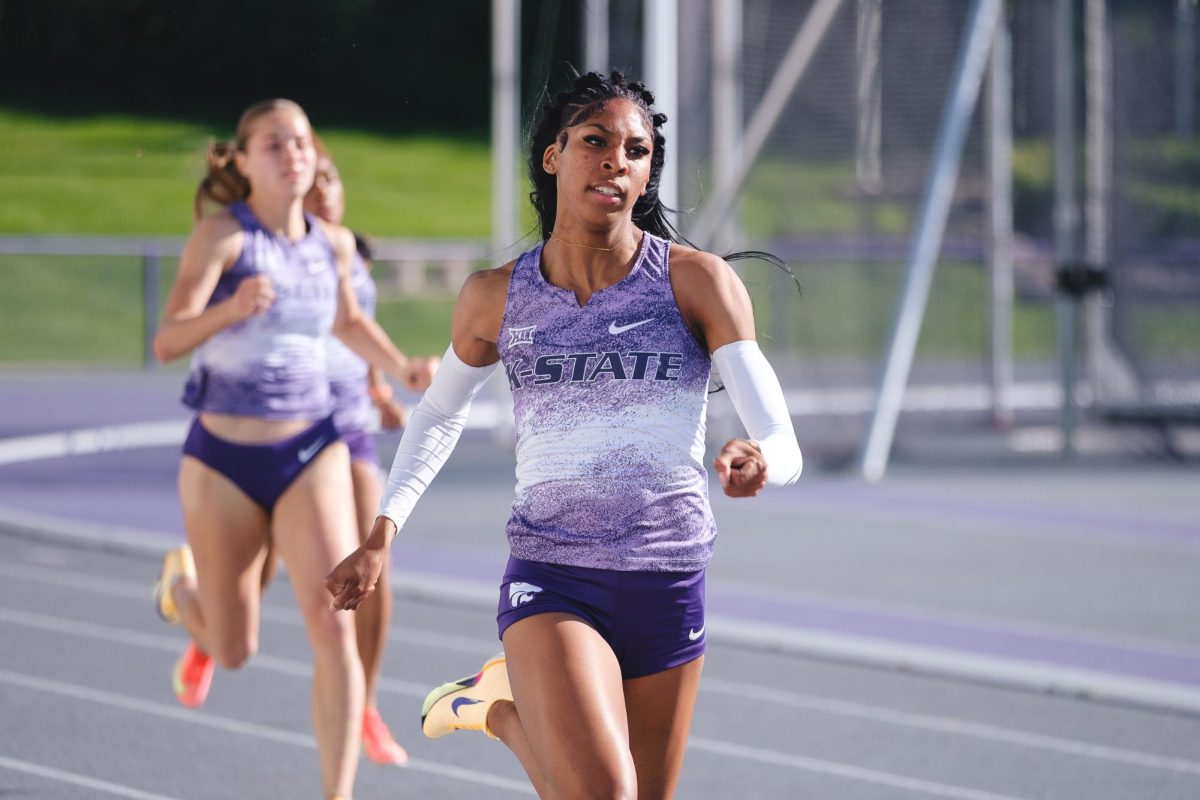
Every generation of players develops its own style, but personal equipment choices continue to carry significance. Arm sleeves, gloves, visor combinations, and compression gear often become part of an athlete’s identity on the field. Among those choices, football leg sleeves have become increasingly common at both the college and high school levels.
Players wear them for a variety of reasons, including comfort, warmth during cold-weather games, and personal preference. What makes these accessories interesting is how they blend modern athletic trends with longstanding football traditions. Athletes have always looked for ways to feel confident and prepared before stepping onto the field. Today’s equipment choices simply reflect a new version of that familiar mindset.
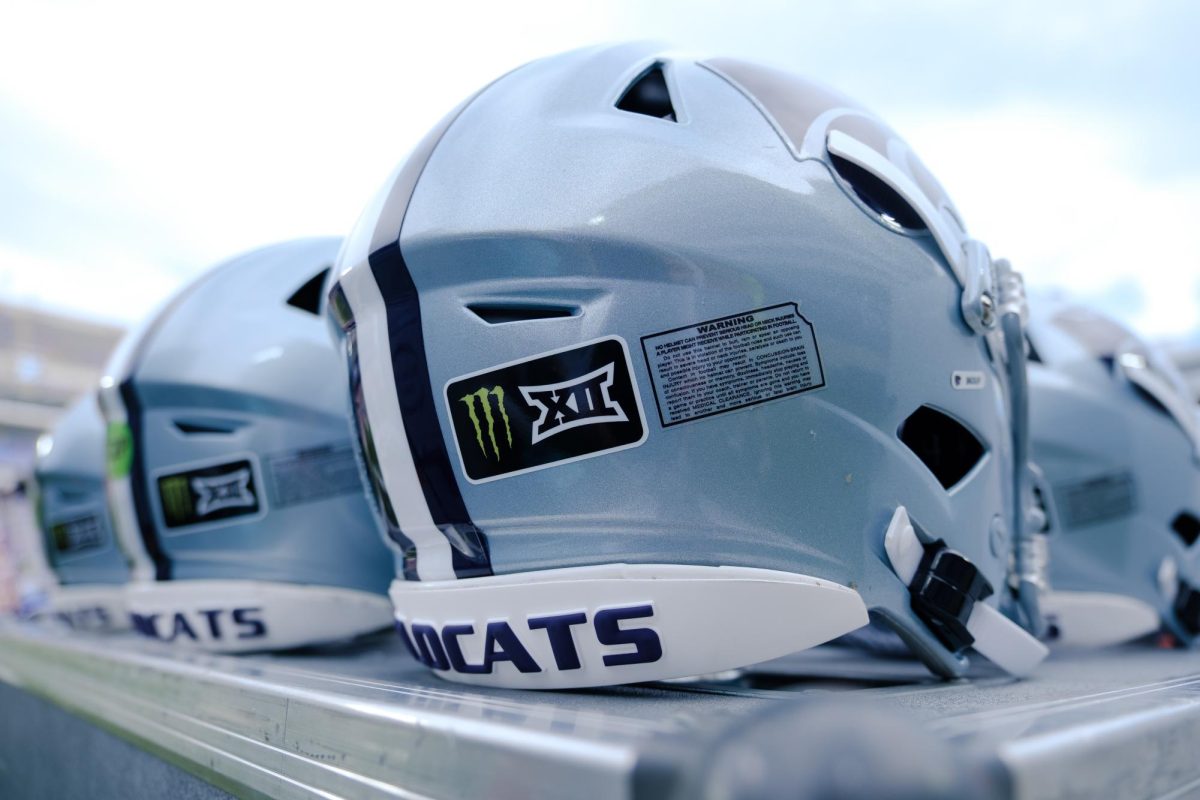
When fans watch their favorite players suit up, those details become part of the visual identity of the team. Just as certain jersey numbers or helmet designs become iconic, equipment trends often become associated with memorable seasons and standout performers.
Rivalry Games Still Define Seasons
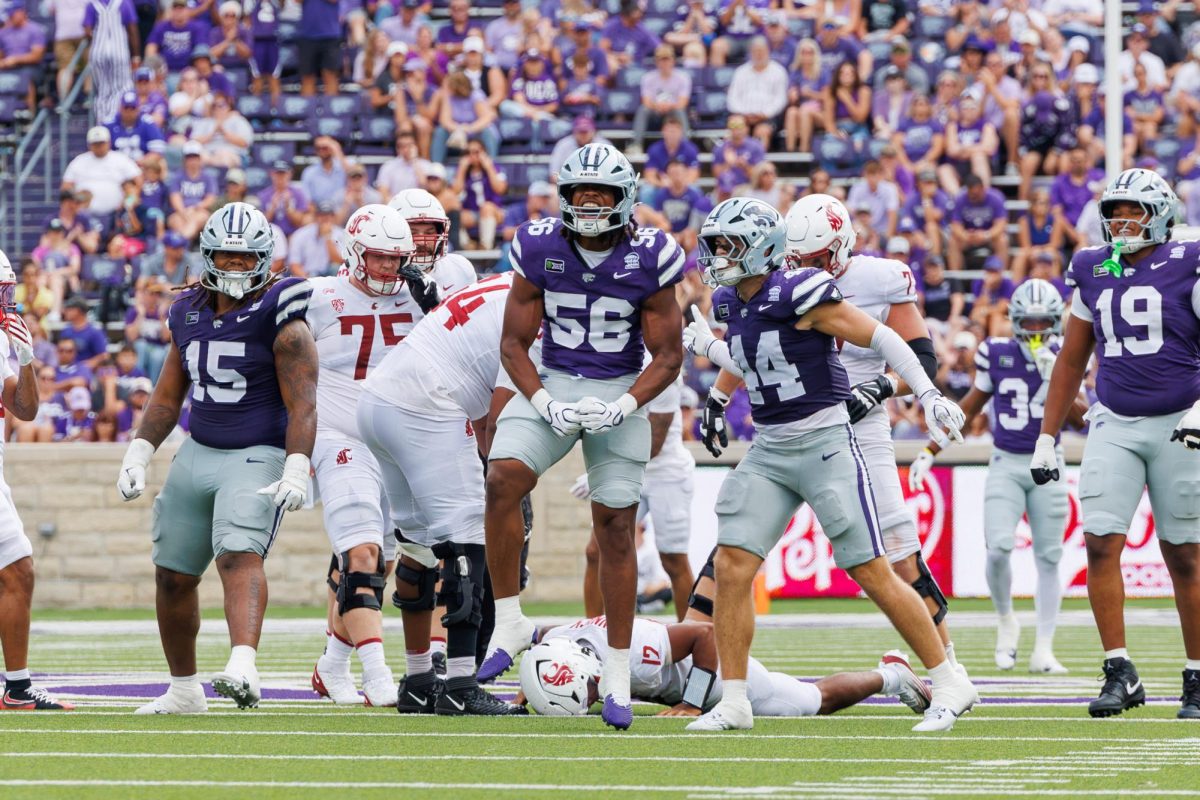
No matter how much the sport evolves, rivalry games remain at the center of college football culture. A team may win ten games, but a loss to its biggest rival can leave fans disappointed for months. Likewise, a struggling season can feel significantly better if it ends with a rivalry victory.
These matchups matter because they are rooted in history. Alumni remember where they were when famous games were played. Families often split their loyalties between competing schools. Entire communities organize weekends around these contests.
The passion surrounding rivalry games also creates some of the sport’s most electric atmospheres. Stadiums fill earlier, tailgates become larger, and emotions run higher. Even in an era where players transfer more frequently, rivalry games continue to carry weight because the fan bases never forget what is at stake.
Postseason Dreams Continue to Drive Programs
The expanded postseason structure has changed how teams view success, but the pursuit of championships remains the ultimate goal. Programs spend months preparing for opportunities that arrive late in the season, and every game contributes to the larger picture.
For athletes, reaching the football playoffs represents validation of countless hours spent training, studying film, and sacrificing personal time. Coaches understand that postseason appearances can shape recruiting classes and strengthen program momentum. Fans view playoff runs as opportunities to see their school compete on the biggest stage possible.
What makes the postseason special is that it blends modern competition with traditional excitement. Stadiums fill with traveling supporters, alumni gather for watch parties, and communities rally around their teams. The format may evolve over time, but the emotional investment remains remarkably consistent.
Marching Bands Continue to Be Part of the Experience
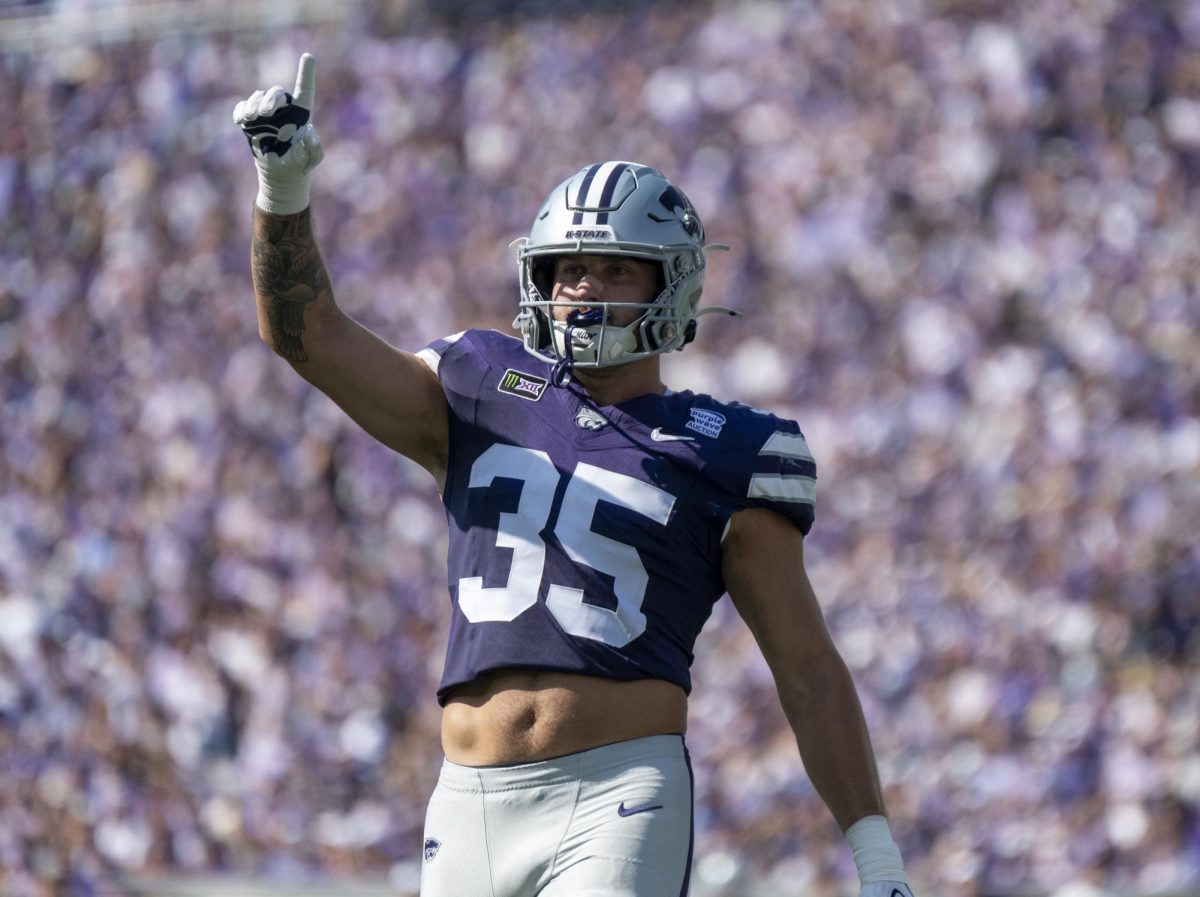
College football would feel incomplete without marching bands. While professional sports often focus exclusively on the game itself, college football embraces the pageantry surrounding competition. Pregame performances, halftime shows, and fight songs help create a unique atmosphere that distinguishes the college game from every other level of football.
Many fans can immediately recognize a school’s signature song after hearing only a few notes. Students learn traditions during their first year on campus and carry those memories long after graduation. The band becomes part of the school’s identity, adding energy and personality to every game day. Even as entertainment options continue to expand, marching bands remain one of the defining characteristics of the college football experience.
Tailgating Brings Communities Together
Long before kickoff, parking lots and campus lawns begin filling with fans. Tailgating remains one of college football’s most beloved traditions because it brings people together in a way few sporting events can.
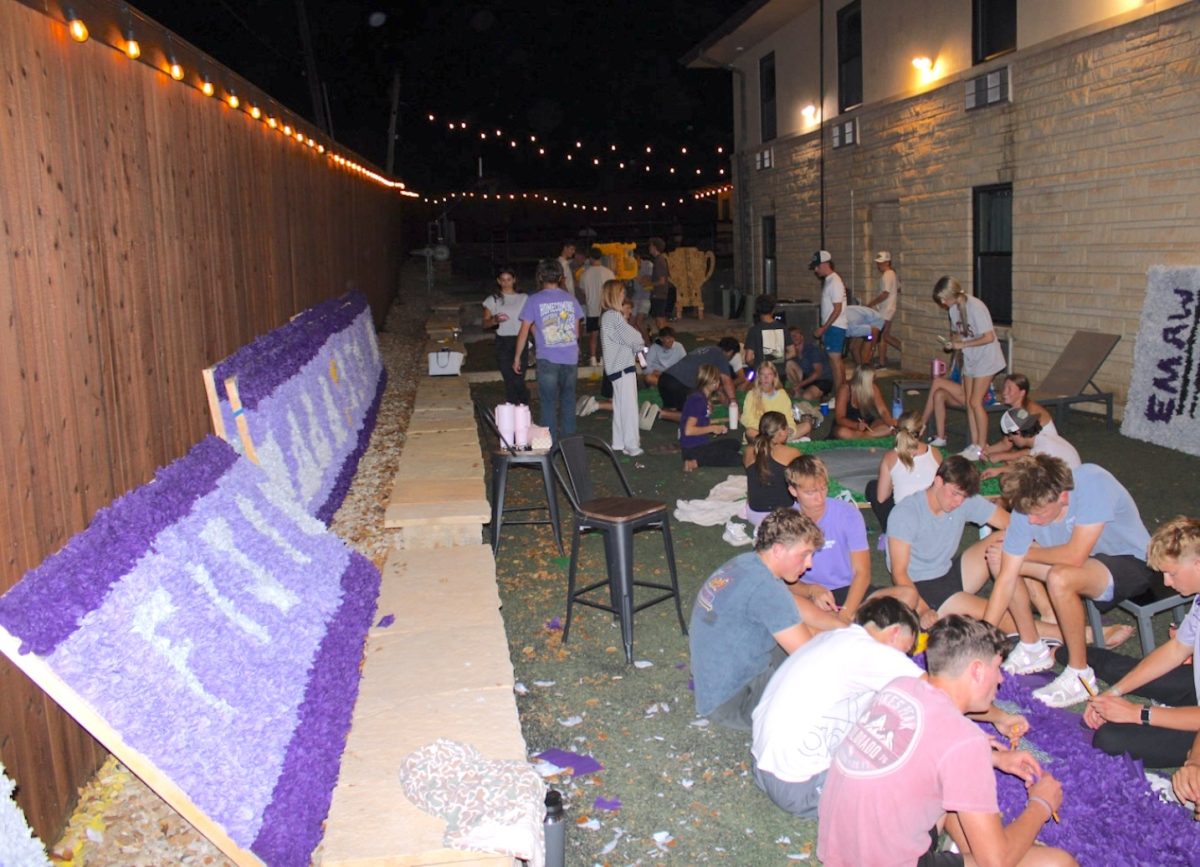
Friends reconnect, families gather, and alumni return to campuses they may not have visited in years. The game itself is important, but many people treasure the relationships built around these gatherings just as much as the final score. College football has always been about more than what happens between the sidelines. Tailgating reflects that reality by turning each game into a community event rather than simply a sporting contest.
College football continues to evolve, but the traditions that define the sport remain remarkably resilient. From rivalry games and marching bands to team walks and postseason dreams, these customs help preserve the unique culture that makes college football special. As the game changes, those traditions continue to give fans and players a reason to stay connected to the sport they love.