




































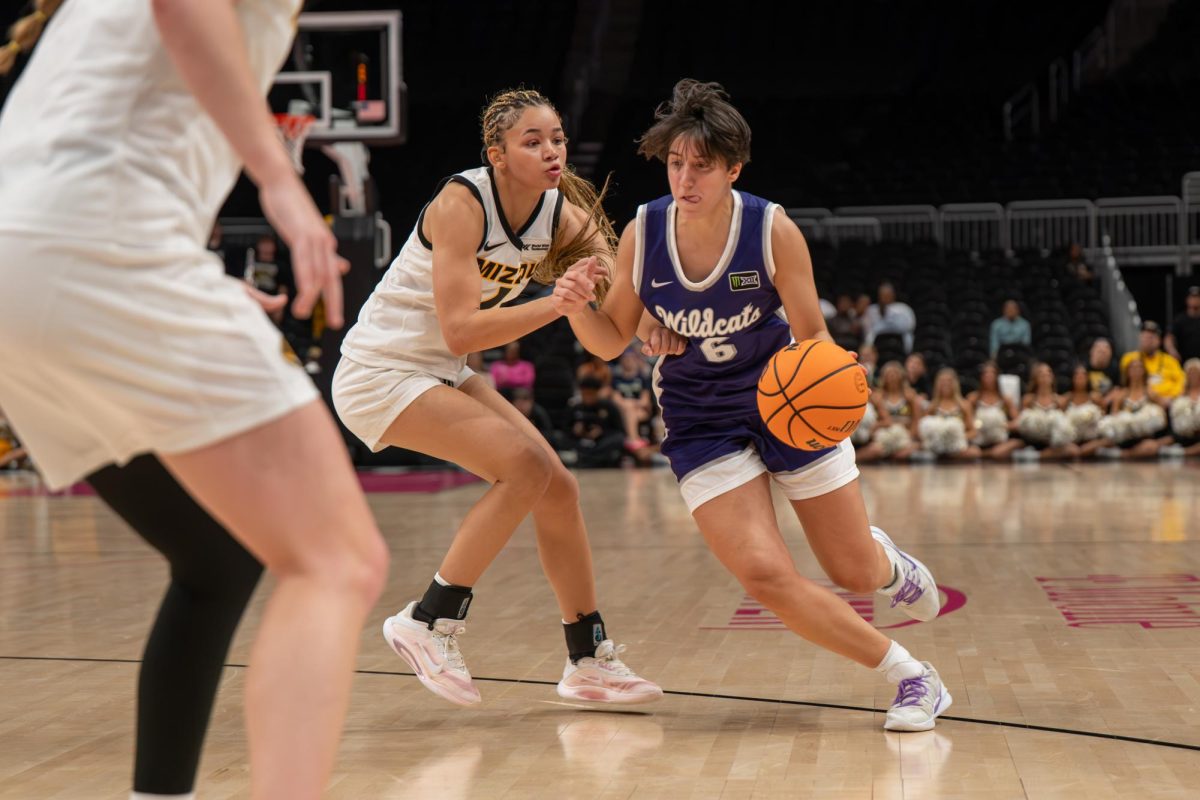



















































































I joined my first spin class at 6 a.m. because the free pizza at the activities fair ran out and I panicked. Six weeks later I was the person signing up for three classes a week and reorganizing my Tuesday around one. That shift had nothing to do with willpower. It happened because I stopped treating the class schedule like a menu and started treating it like a course catalog.
That’s the frame to steal. A class schedule at a campus rec center or a nearby gym follows the same logic as course registration: fixed time blocks, limited seats, some sessions that fill in a day and others that stay open all semester. Learn to read the catalog and you get the two things students actually want, structure on a chaotic week and a price that doesn’t wreck a meal budget. Most gyms have a published list of their offerings, often like these group fitness classes, and looking at the range first tells you how the whole thing is organized before you ever set an alarm.
Here’s a confession that should lower your anxiety: nobody in the back row is watching you. I spent my first class correcting my form against the mirror while the instructor called out a variation I kept missing. The room was too busy staying upright to notice. That single realization is worth more than any pre workout.
Four class types, and what each one actually delivers
The wall of class names looks chaotic until you sort it by how it pushes back. I use a simple test I call the Pushback Ladder. Rank every class you’re considering by how much it forces you to respond, then pick one from each rung so your week has variety instead of five flavors of cardio.
- Low pushback: yoga, mat pilates, mobility work. Nothing is falling, so your brain gets to breathe. Good for weeks with a paper due.
- Rhythm pushback: Zumba, U-Jam, dance cardio, Piloxing. The beat is in charge. You follow, you sweat, you stop overthinking.
- Hard pushback: HIIT, boot camp, plyos, circuit. Intervals keep you in the room past where you’d quit on your own.
- Load pushback: total toning, muscle max, body sculpt, core. Slower, heavier, less glamorous, and the one most students skip too often.
My bias, since you asked: if you only have slots for two classes a week, take one from rhythm and one from load. Cardio feels great and gets old fast; strength gets better when you keep showing up. The American College of Sports Medicine frames regular activity as a foundation rather than a sprint, which is exactly the mindset that saves a freshman year schedule.
Your first class is a reconnaissance mission
Don’t buy anything before you’ve sat in the back of two or three classes. Most campus rec centers and local gyms hand out a trial pass or day pass for exactly this reason, and standing in the room tells you more in ten minutes than any class description will.
Watch the door, the clock, and the floor. Does the class start on time when the room isn’t full? Does the instructor offer a lighter version of the movement, or does everyone get the same instruction? Is the floor clean at the start of the hour? Small signals, but they tell you how much attention your $30 or $60 a month is getting.
Then, mid class, take a mental snapshot. Can you see the instructor from the spot you picked? Beginners drift to the back left corner out of instinct. Sit closer than feels comfortable on visit one. You’ll need to see the demo, not hear it three seconds late.
And yes, bring water and the shoes you’d wear on a long walk. Nobody needs a new wardrobe to show up.
Build a week around your fixed anchors
Group classes are chaos for a study schedule only if you schedule them wrong. Here’s the version I use every semester: list your commitments that can’t move, the 9 a.m. lecture, the lab, the shift at work. Then place exactly two class slots on top of them and one backup slot later in the week.
Two is the magic number for a reason. It’s short enough to survive a bad week and long enough to feel real. If you can’t make the backup, skip it without guilt. The class isn’t the goal; the rhythm is.
Expect the first three weeks to feel poorly timed, because they will. Every new class shifts your sleep, your meals, and how tired 2 p.m. feels. The Centers for Disease Control and Prevention notes that regular physical activity supports general wellness, and a class you can attend consistently does far more good than an ambitious plan you quit by October.
The three-week test, and the mistake that ends most attempts
Look, the biggest reason students drop a class isn’t difficulty. It’s sequence. They take a brutal HIIT class on day one, can’t walk down stairs for three days, and decide fitness is a personality they don’t have. That’s a scheduling error dressed up as a personal failure.
Try this in reverse. Start with low pushback for two weeks, add rhythm, then test hard pushback. Your body and confidence get to settle in first, and you’ll notice which instructor’s music and cueing style actually makes you want to come back. That’s not a small detail; it’s a large part of why a class sticks.
Pick the instructor, not the class title. In six years of classes, the format changed every few months. The person running the room was the reason I kept going.
Track one thing: did you show up. Not calories, not the mirror, not the number on the scale. Two checkmarks a week for three weeks and you’ve done the hard part. Everything else is tuning.
What a class actually costs in student money
The rec center model is the cheapest path, since fees are often packaged with tuition and the schedule is built for a student week. Off campus gyms usually charge more but may offer flexible plans. Some places in this space rent out classes as part of a month to month membership instead of a yearlong contract, which matters a lot when you might be in a different city when summer hits.
Check whether your campus job or department has a wellness stipend. Ask the front desk if there’s a student rate. Then compare the per class math: if you attend once a week and it costs the same as two takeout burritos, run the numbers again. The Bureau of Labor Statistics tracks spending patterns that show how quickly small recurring costs add up for younger households, and a gym membership you don’t use is a quiet one.
Your next move this week
Grab the schedule, pick one low pushback class and one rhythm class, and put them in your calendar as recurring events with a backup slot on Thursday. Show up early to the first one, stand closer than feels right, and don’t judge the whole experience from a single instructor.
Three weeks from now, you’ll either have a habit that fits your semester or a clear answer about what didn’t work. Both beat guessing. Which class is going on your calendar first?